
 English
  Italiano
  Français
  Español
  русский
  Deutsch
  Română
  Türkçe
Table of Contents
Hair loss does more than change your reflection. It can quietly shape how you walk into a room, how you photograph, and how you feel about getting older. If you have started researching solutions, you have almost certainly come across Sapphire FUE and for good reason. It is one of the most refined approaches to permanent hair restoration available today, prized for the precision it brings to every incision.
At Istanbul Vita, the part of the procedure that decides how natural your result looks opening the recipient channels is carried out with a level of doctor involvement that has become rare in this industry. This page walks you through exactly how the method works, who it suits, what it costs, and what to realistically expect, so you can make this decision with clear information rather than marketing.
What Is the Sapphire FUE Technique?
Sapphire FUE is an advanced refinement of Follicular Unit Extraction, the modern standard in hair transplantation. Healthy follicles are harvested one at a time from a genetically resistant donor area, usually the back and sides of the scalp and moved to thinning or balding regions.
The detail that sets this method apart is the instrument used to open the recipient sites. Instead of a conventional steel blade, the surgeon uses a blade tipped with synthetic sapphire. That single change influences much of what follows: how cleanly each channel is created, how the grafts sit, and how quickly the scalp recovers. It is the reason so many people looking for a natural, low-trauma result keep coming back to this option.
Why Choose Turkey for Sapphire FUE?
Turkey has become the world's busiest destination for hair restoration, and the reasons are practical rather than promotional. The country has a deep pool of surgeons who perform high volumes of these procedures, clinics equipped with current technology, and pricing that runs a fraction of what the same work costs in the UK, mainland Europe, or the United States. Combined with all-inclusive travel packages, that mix is what draws patients from dozens of countries each year.
The lower price is not a quality trade-off when you choose carefully it reflects lower operating costs and a competitive local market, not a cheaper procedure. The thing that varies most is the clinic, which is why your choice of where to go matters far more than your choice of country.
Why Istanbul?
Istanbul is the centre of that activity. The city performs a large share of the country's hair transplant procedures and is home to many of its most established clinics, experienced doctors, and well-equipped facilities. For an international patient, it also happens to be one of the easiest cities in the region to reach, with direct flights from most of Europe, the Middle East, and beyond — so the logistics of the trip are rarely the hard part.
Medical Tourism Made Easy
A big reason international patients feel comfortable travelling for this is how little they have to organise themselves. At Istanbul Vita, the package is built so you can focus on the procedure and your recovery rather than the arrangements. That typically includes:
- Private airport pick-up and transfers
- Hotel accommodation close to the clinic
- An interpreter throughout your stay
- Your aftercare kit and medications
- Post-procedure washing guidance and long-term follow-up
You arrive, you are looked after, and you leave with a clear hair transplant recovery plan and a point of contact for any questions once you are home.
How Sapphire Blades Differ From Traditional Steel
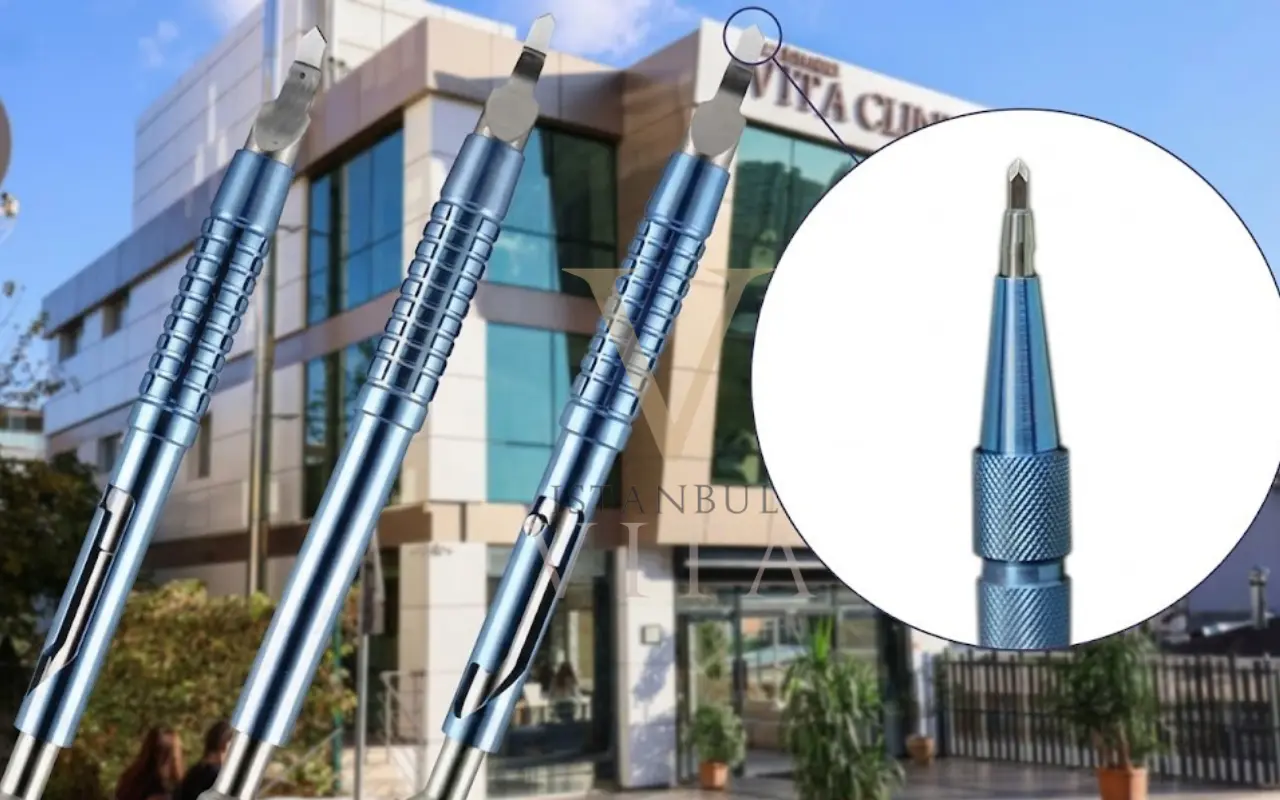
Standard FUE uses U-shaped steel blades to open the channels that receive each graft. A sapphire blade is ground to a sharper, V-shaped tip. The difference sounds minor, but it changes the result in ways you can measure.
The finer edge produces smaller, smoother incisions, which means less tissue trauma, less bleeding, and a lower chance of visible scarring. Sapphire is also naturally smooth and antibacterial, so the micro-channels tend to stay cleaner and close faster. For you, that usually translates into less scabbing and a more comfortable healing window than older techniques.
How Many Grafts Are Needed for a Sapphire FUE Hair Transplant?
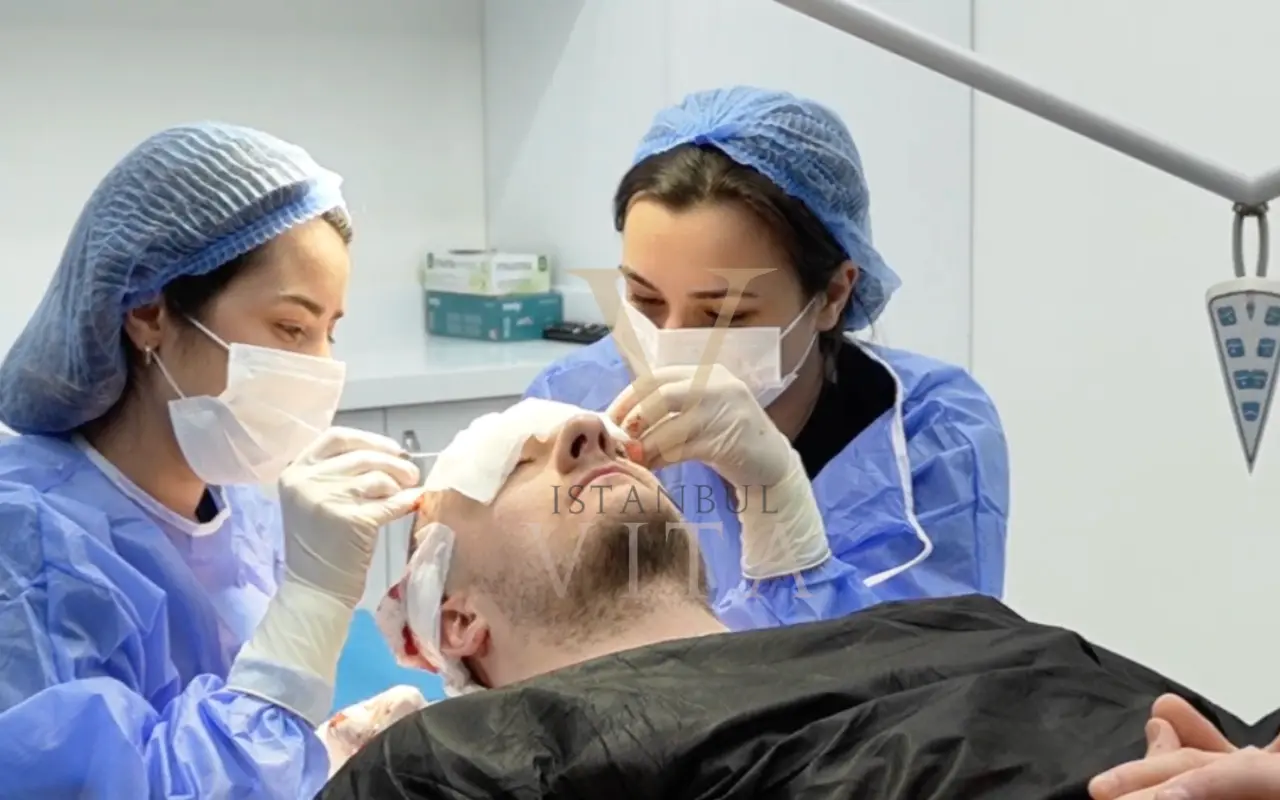
There is no single answer, it depends on how far your hair loss has progressed, the quality and density of your donor area, and the look you want. During your consultation, the doctor examines your follicle density and scalp to build a plan around three goals at once: natural density, strong graft survival, and a hairline that suits your face and age rather than a generic template.
The table below gives realistic ranges by hair-loss stage. Treat them as a starting point, not a quote.
Average Graft Requirements by Hair Loss Stage
| Hair Loss Stage | Typical Areas | Average Grafts |
| NW2 | Mild frontal recession | 1,500–2,200 |
| NW3 | Receding hairline and temples | 2,000–3,000 |
| NW4 | Hairline and crown thinning | 3,000–4,000 |
| NW5 | Extensive frontal and vertex loss | 4,000–5,000+ |
Around 2,000 grafts suit Norwood 2 to early Norwood 3 loss. It rebuilds the frontal hairline and temples to reframe the face, with each channel angled to mimic the way your hair naturally grows.
Around 3,000 grafts fit Norwood 3 to early Norwood 4, where the front and mid-scalp are thinning together. It lifts overall density while keeping the donor area intact for the long term.
Around 4,000 grafts is typical for more advanced Norwood 4, where the hairline and crown both need work. Ultra-fine sapphire incisions allow dense placement across a larger area without overloading the donor zone.
Around 5,000 grafts is used for Norwood 5 or extensive baldness, rebuilding hairline, mid-scalp, and crown in one plan. The priority here is balancing maximum coverage against donor safety, so the donor area is never overharvested.
Sapphire FUE Hair Transplant Turkey Cost
At Istanbul Vita, hair transplant procedures generally range from $3,200 to $9,000. Your price is shaped by the technique chosen, the number of treatment days, the level of medical-staff involvement, and overall complexity — not by a simple graft count, which is honestly a misleading way to compare clinics. Two clinics can quote the same graft number and deliver completely different work. Turkey lets you access this standard of care at a fraction of Western European or US pricing, which is the real reason it has become the default destination for it.
Sapphire FUE Before and After Results
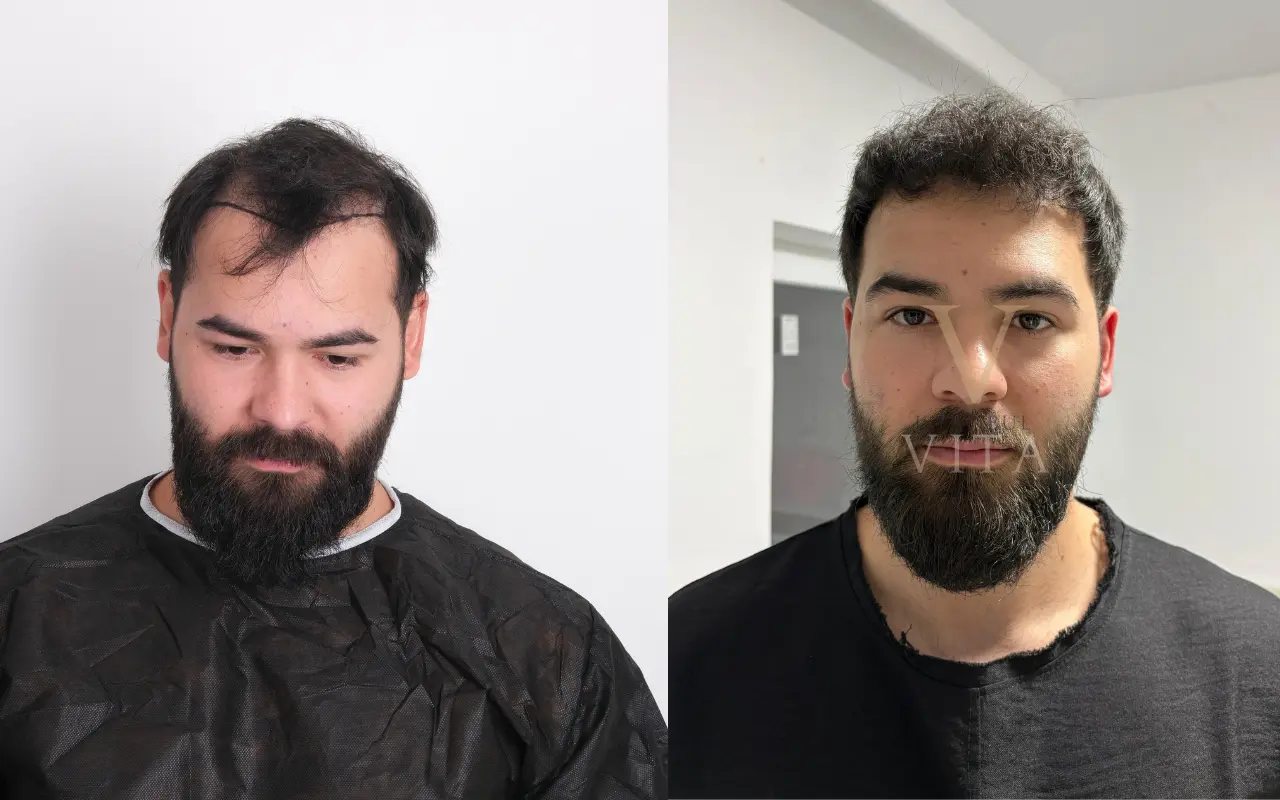
The procedure happens in a single day, but the result arrives slowly. Transplanted follicles go through a predictable cycle before they settle into permanent growth, so the version of you that walks out of the clinic is not the version you see at the end. Patience and good aftercare are what separate a good result from a great one.
Recovery Timeline
First week
Mild redness, some swelling, and small scabs appear around the recipient area. These are a normal part of healing and ease over a few days.
Weeks 2–4
Most of the transplanted hairs shed. This "shock loss" alarms people who weren't warned about it, but the follicle stays healthy under the skin and is simply resetting before it grows.
Months 3–4
New hairs start to emerge. Early growth is fine and a little patchy before it fills in.
Months 6–9
Density improves noticeably, especially across the frontal hairline and temples, as the new shafts thicken.
Months 12–18
The final result settles in. The hair matures, blends with what was already there, and reaches the outcome planned at surgery.
What Results Can You Expect?
A good Sapphire FUE result looks like natural density, not an artificial wall of hair. The aim is to recreate the direction, angle, and slight irregularity of real growth while protecting the donor area so it never looks thinned. How full the final result looks depends on donor quality, the number of grafts placed, hair thickness, scalp characteristics, and most of all surgical planning. Done well, you get a softer hairline, fuller coverage, and growth that lasts.
Possible Risks and Side Effects of Sapphire FUE
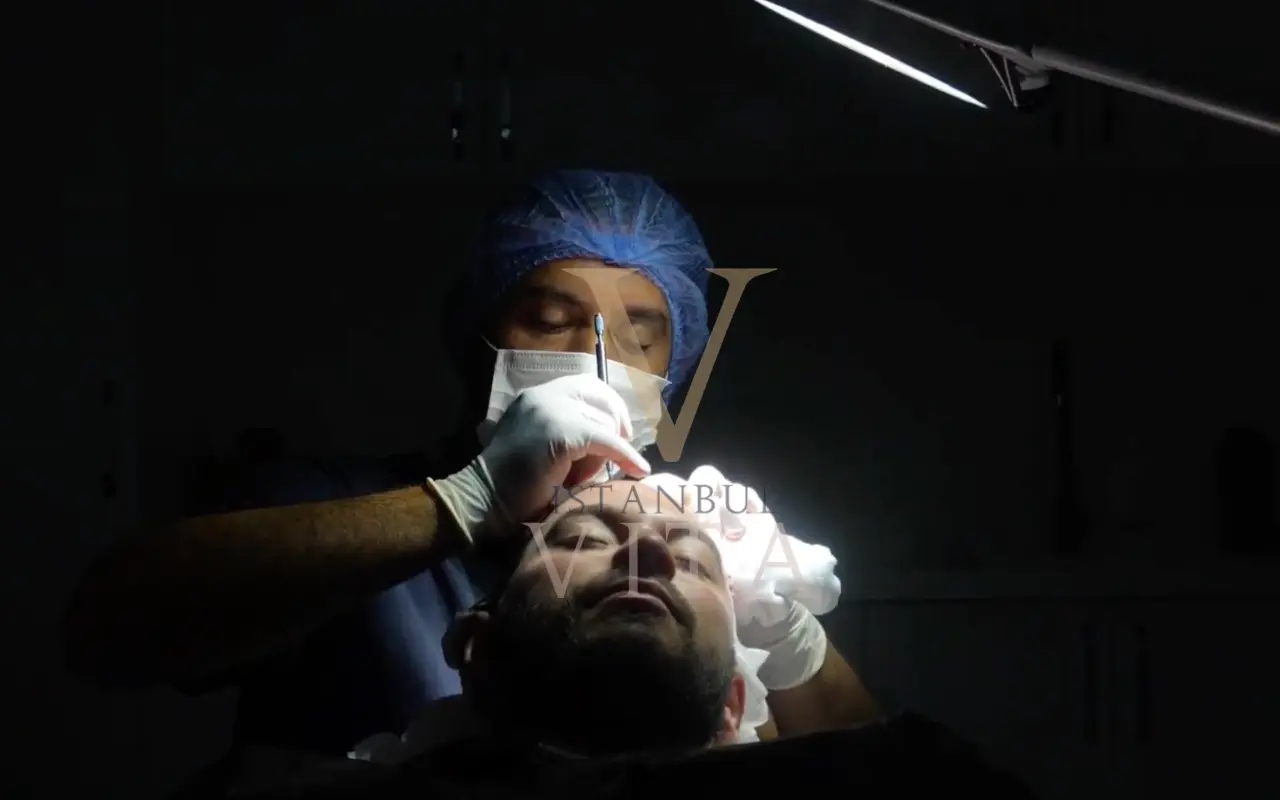
Every surgical procedure carries some risk, and an honest clinic tells you what they are. The good news is that an experienced surgeon, careful aftercare, and realistic expectations keep complications uncommon.
Swelling
Mild swelling around the forehead and eyes is common in the first few days and usually settles within three to five days without treatment.
Infection
Rare, but possible if aftercare is neglected. Keeping the scalp clean, taking prescribed medication, and not touching the area unnecessarily keeps the risk very low.
Shock loss
Existing hairs near the transplant zone can shed from the stress of surgery, then grow back over the following months. It is temporary and is not the same as graft failure.
Numbness
Small nerves take time to recover, so temporary numbness in the donor or recipient area can occur. Normal sensation usually returns over several weeks to months.
Overharvesting
Taking too many grafts from the donor area can permanently thin it. This is a planning failure, not a fixed risk, which is why every extraction at Istanbul Vita is mapped to protect your donor reserves for life.
Sapphire FUE Success Rate
Success comes down to surgical skill and planning far more than the blade itself. In experienced hands, graft survival generally falls in the 90–95% range. What actually decides where you land in that range is donor quality, the health of each follicular unit, precise recipient-site creation, careful graft handling, and how closely you follow aftercare. The sapphire blade is a better tool but it is the team using it that produces the result.
What Is the Best Age for a Sapphire FUE Hair Transplant?
There is no fixed ideal age. Most suitable patients fall between roughly 25 and 50, once their hair loss has stabilised. Younger patients sometimes still have active, unpredictable loss, which can make a single procedure premature. Older patients usually have a settled pattern that is easier to plan around. But age is a guide, not a rule what really determines whether you are ready is the state of your donor area, your follicle health, and whether your loss has stopped progressing. A proper consultation answers that better than your birthday does.
How the Sapphire FUE Procedure Works Step by Step
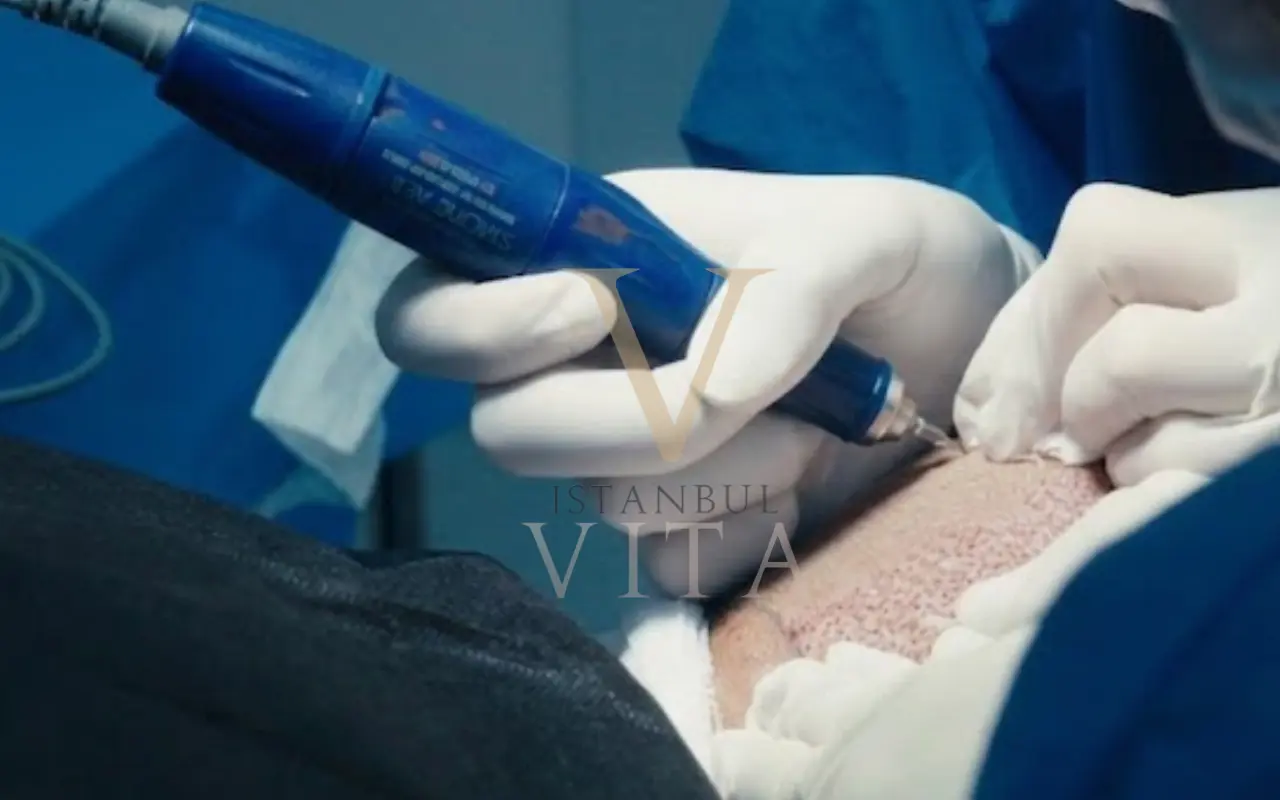
Knowing what the day looks like removes most of the nerves people feel beforehand. Here is how it unfolds at Istanbul Vita.
Consultation and hairline planning. The doctor analyses your loss pattern, donor area, and facial structure, then designs a hairline that fits your age and features. This is where realistic planning, strong graft survival, and a natural-looking result are actually decided — before a single follicle is touched.
Follicle extraction. Working under local anaesthetic, the surgeon removes each follicle from the donor area with a fine 0.6 - 0.8 mm micro-punch, protecting the surrounding tissue and keeping the donor zone healthy for the long term.
Channel opening with sapphire blades. The recipient channels are created with the sapphire blade, and this step sets the angle, depth, and density of your new hair. Get it right and the hair grows in a natural direction with strong survival; get it wrong and no amount of grafts will look right. At Istanbul Vita, this step is performed by the doctor.
Graft implantation. Finally, the grafts are placed one by one into the prepared sites, following the planned hairline. Correct angle and direction are what make the result blend invisibly with your existing hair.
Have Questions? Let's Chat on WhatsApp!
Get instant answers 24/7. Receive your doctor-led hair analysis within 1 day, plus pricing and booking support.
Start WhatsApp ChatBenefits of the Sapphire FUE Technique
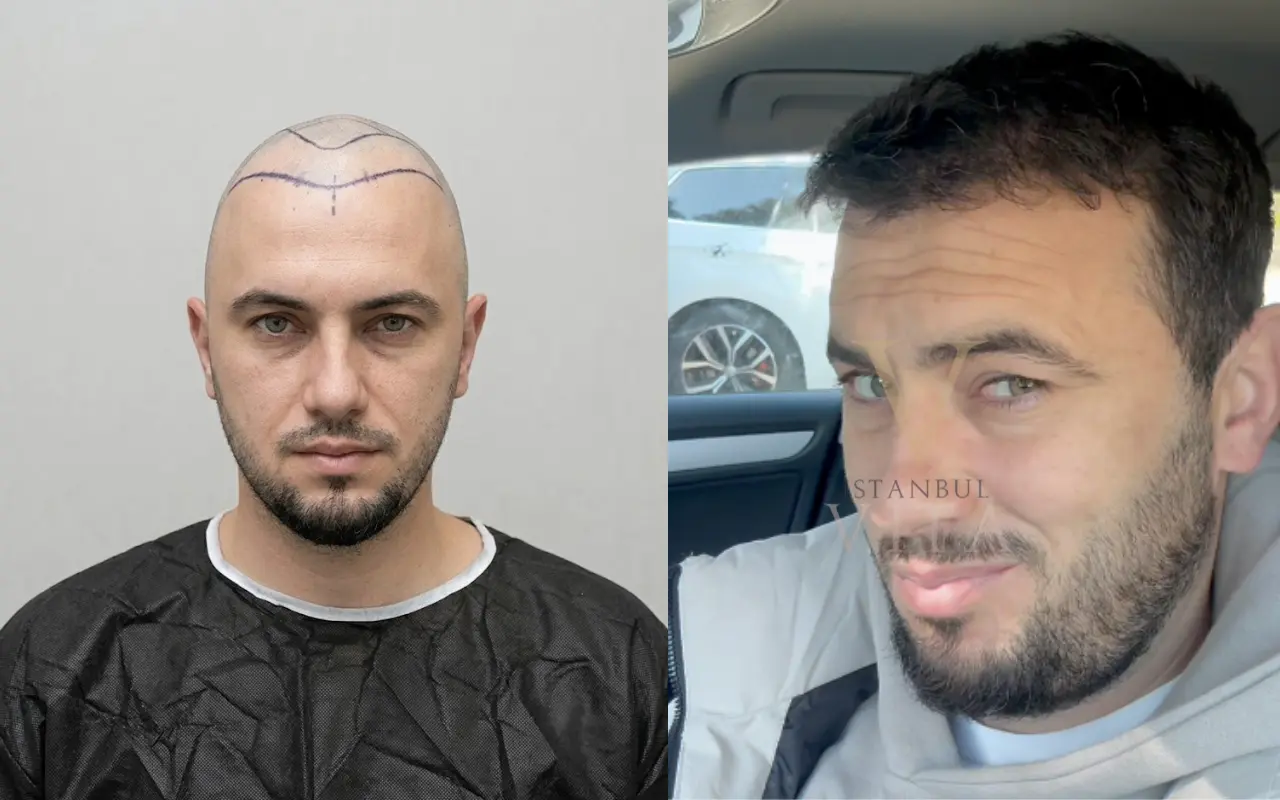
The popularity of this method isn't hype, it comes from advantages you can actually feel and see.
Finer, More Precise Incisions
The ultra-sharp tip creates cleaner, narrower channels than steel, letting grafts sit closer together for a fuller look.
Faster Healing And Less Scarring
Smaller wounds and an antibacterial blade surface mean less swelling and crusting, and surface healing that most patients describe as smoother than they expected.
Higher Graft Survival And Density
Precise channels and minimal time out of the scalp support excellent follicle survival in skilled hands, which is what gives you lasting density.
Natural-Looking Hairline Design
Fine control over angle and depth lets the surgeon recreate the subtle irregularity of a real hairline, the detail that holds up even under close inspection.
Sapphire FUE vs DHI vs Classic FUE: Which Is Right for You?
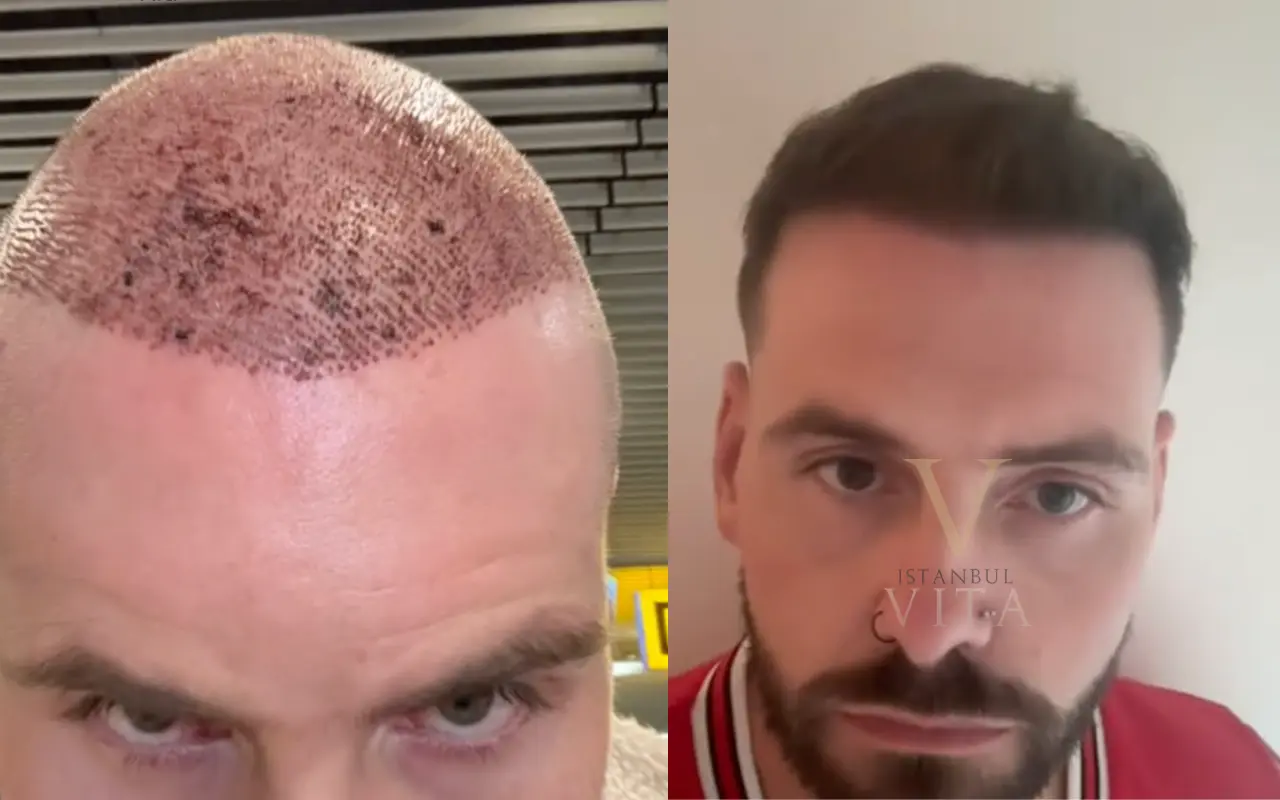
There is no universally "best" technique — only the right tool for your pattern of loss. Use the comparison below to frame the conversation with your doctor.
| Feature | Sapphire FUE | DHI | Classic FUE |
| Incision tool | V-shaped sapphire blade | Choi implanter pen | U-shaped steel blade |
| Best suited to | Larger areas needing high density | Focused high-density zones & hairlines | General coverage |
| Healing & scarring | Fast, minimal scarring | Very fast, minimal scarring | Standard FUE healing |
| Relative cost | Mid | Higher | Lower |
| Unshaven option | Usually requires shaving | Often possible | Usually requires shaving |
Want a deeper comparison? See our full guide to [DHI vs Sapphire FUE — internal link].
Who Is a Good Candidate for Sapphire FUE Hair Transplant?
The method is versatile, but a proper diagnosis always comes first. Broadly, the best candidates have stable hair loss and a healthy donor area.
Men with pattern hair loss. Male pattern baldness from a receding hairline to crown thinning is the most common reason patients choose this procedure, and it responds well to careful density planning.
Women and hairline restoration. Women with diffuse thinning or a naturally high hairline can be excellent candidates too, with planning tailored to preserve the hair they still have. If you have felt overlooked in a field that tends to focus on men, you are not alone — and you are not excluded.
Beard and eyebrow transplants. The precision of sapphire incisions also suits facial work, where natural angles are far less forgiving and small errors show immediately.
Recovery and Results Timeline
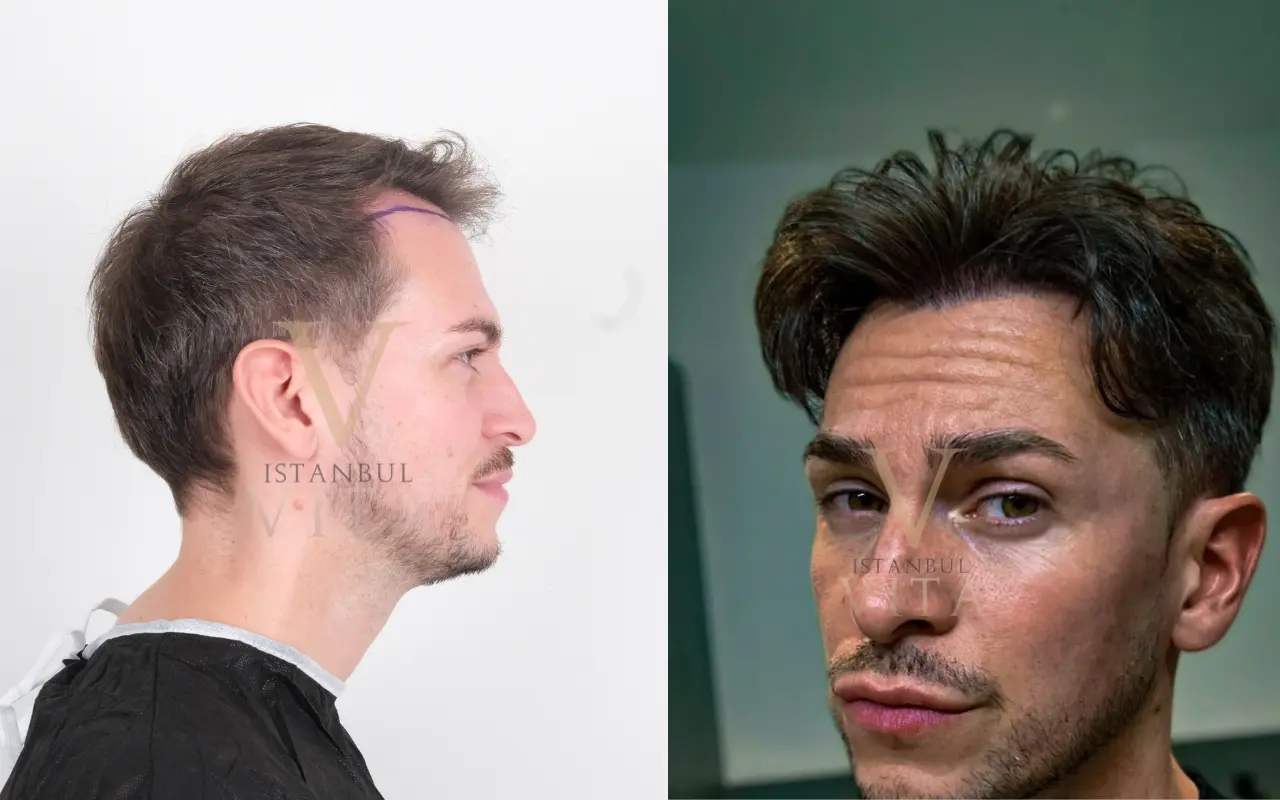
Recovery is steadier and more predictable than most people fear — but it does ask for patience.
The first 10–14 days. Mild redness and tiny scabs are normal early on and usually settle within roughly ten to fourteen days, often faster thanks to the cleaner sapphire incisions. Many patients return to desk work within a few days, while jobs involving heavy exertion, sweating, or sun exposure call for a little longer. Your aftercare kit and washing instructions guide you through each step.
Month by month. The transplanted hair sheds within the first weeks expected, not a setback. New growth begins around months three to four, thickens noticeably by months six to nine, and reaches its full, mature result at roughly twelve to eighteen months. Because the relocated follicles keep their genetic resistance to balding, the result is permanent.
Why Choose Istanbul Vita for Your Sapphire FUE
Choosing where to have your procedure matters as much as choosing the method. The sapphire approach is only as good as the team performing it.
Doctor-Performed Channel Opening and Boutique Care
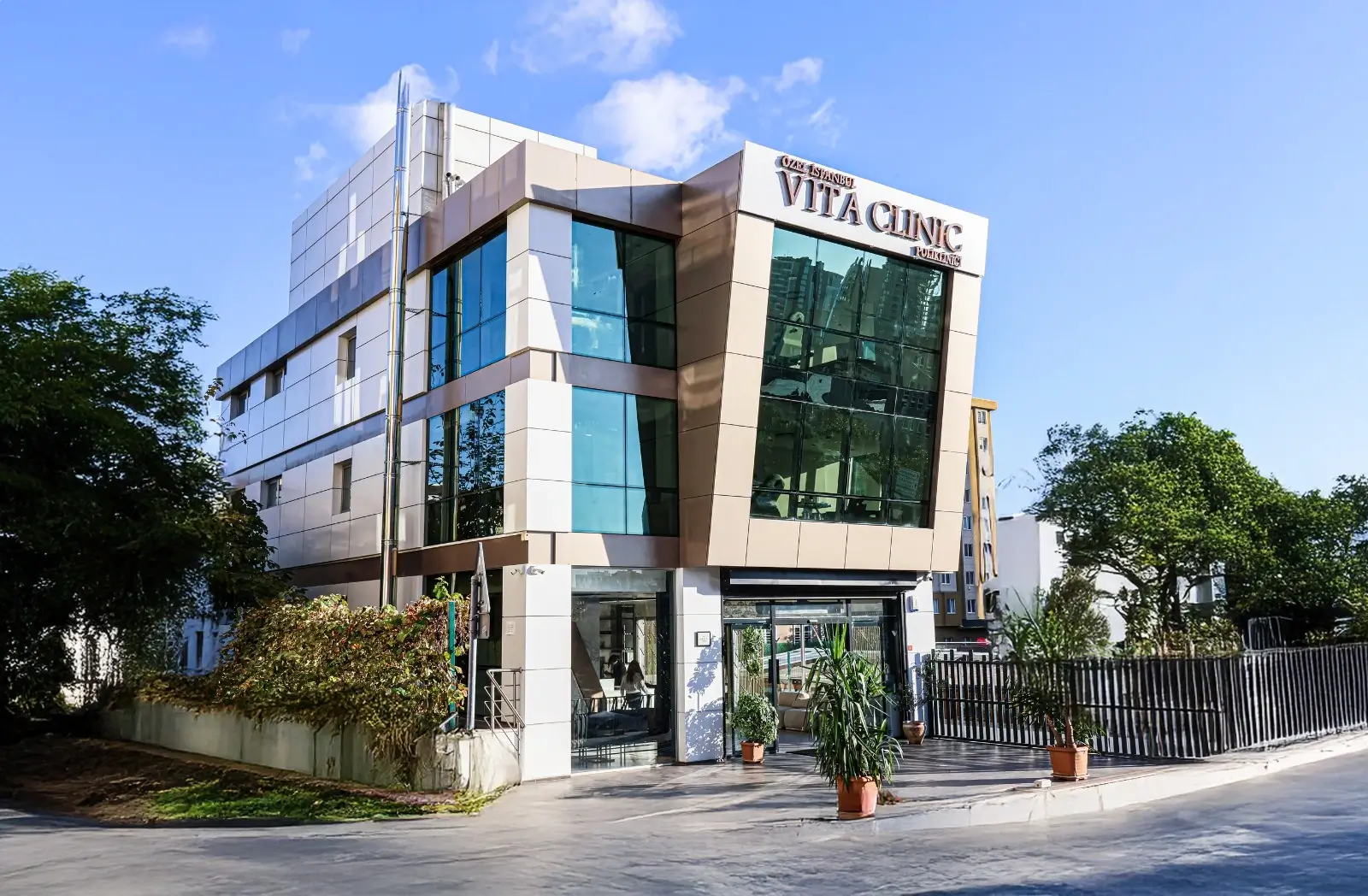
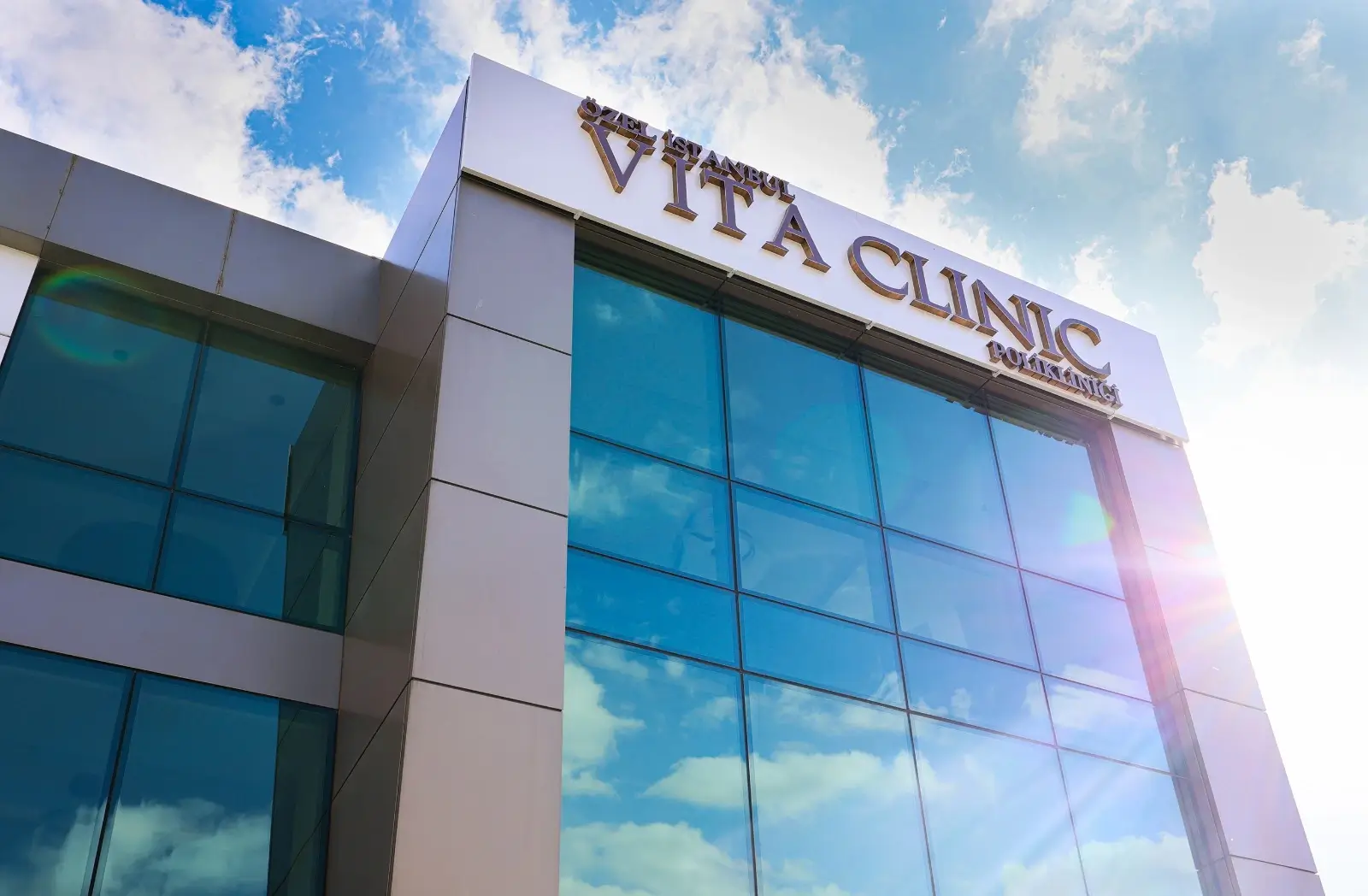
Istanbul Vita follows a boutique model, treating only one to three international patients per day so attention is never diluted. In Sapphire FUE hair transplant Turkey, channel opening is performed by doctors, ensuring precision, natural hairline design, strong graft survival, and consistent Hair Restoration Turkey results.
Certifications, Awards, and International Recognition
The clinic holds Turkish Ministry of Health certification and International Health Tourism Authorization. For Sapphire Hair Transplant Turkey, it is internationally recognised with awards and media features, supporting trust in Sapphire FUE Turkey, strong graft survival, and high-quality Hair Restoration Turkey outcomes.
Meet the Medical Team
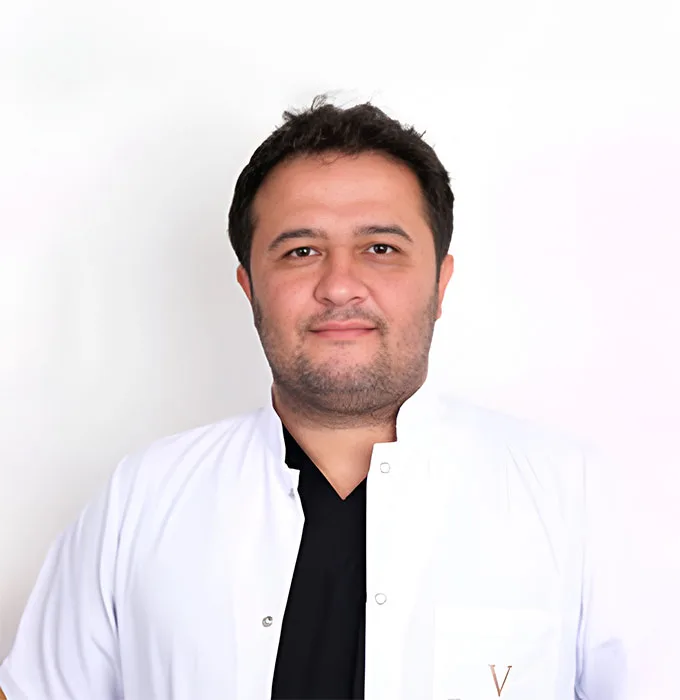
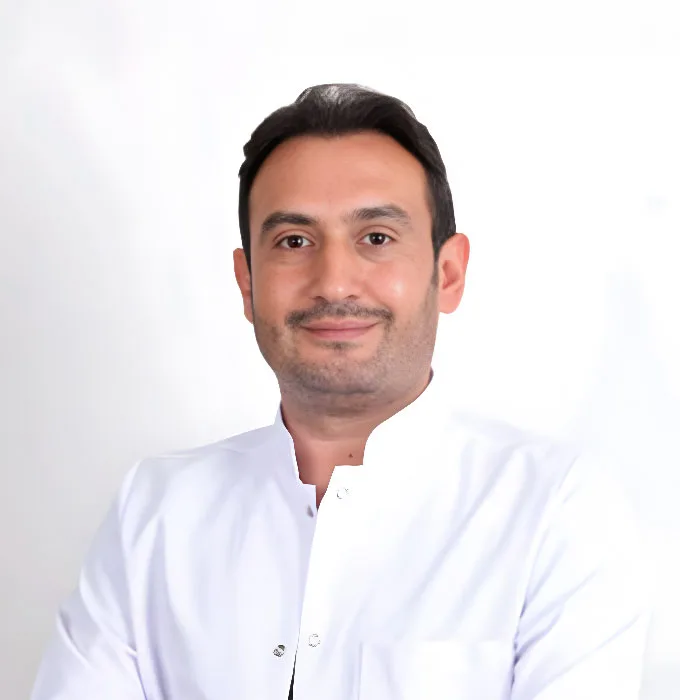
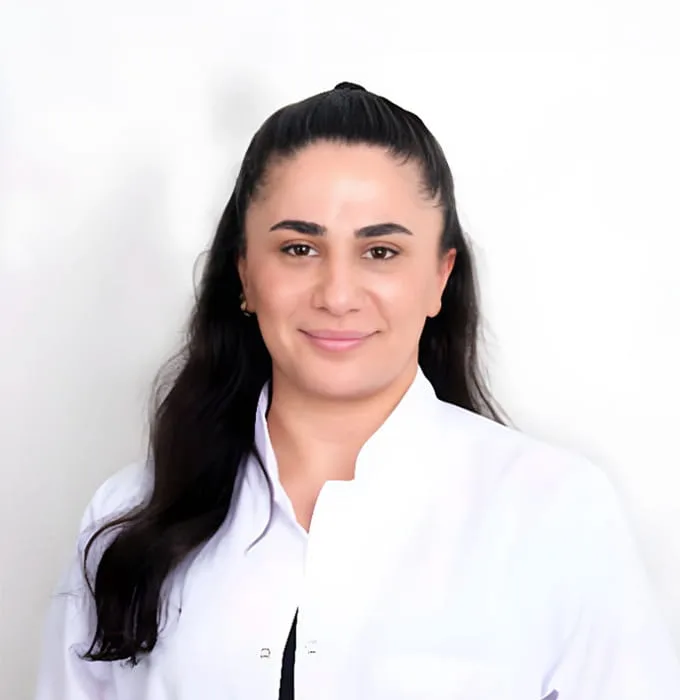
Istanbul Vita, led by Hasan Başol, creator of the Sapphire Blade Technique, specialises in Sapphire FUE hair transplant Turkey. The medical team performs Hair Transplant Sapphire procedures with advanced expertise, ensuring natural hairline design, high graft survival, and consistent Sapphire Hair Restoration results.





 conversation


