
 English
  Deutsch
Table of Contents

Recovery from hair transplant surgery is not a single process; rather, it can be seen as a journey that your body undergoes. With today’s advanced techniques such as FUE and DHI, there will be an intentional micro-trauma inflicted upon the scalp. This triggers a chain reaction of events related to inflammation control, tissue repair, and stabilization of the hair follicle.
There are physical and physiological changes that occur during the postoperative period, which patients experience and observe. Physical changes may manifest in swelling, redness, and the formation of protective scabs. However, physiological changes take place below the skin level, including adaptation of the grafts to their new environment, cell regeneration, and revascularization of the transplanted hair follicles.
Due to the different rate of healing of the skin and hair follicles’ maturity, one may find that the scalp appears to be fully healed while there is no hair growth yet. This delay is natural, as it shows the amount of time taken by the hair follicles to become mature enough and enter the growth cycle.
Hair Transplant Recovery Explained: What to Expect
The process of recovering from a hair transplant can be categorized into three primary stages:
- Acute healing phase (first 7–14 days): This stage is all about helping your skin heal. The scalp develops protective scabs, any swelling starts to go down, and the grafts securely attach to the tissue.
- Resting and shedding phase (weeks 2–10): After hair follicles are transplanted, they often experience a resting phase, which can result in a temporary loss of hair known as shock loss.This period can be tough on the mind, but it's a normal part of the process.
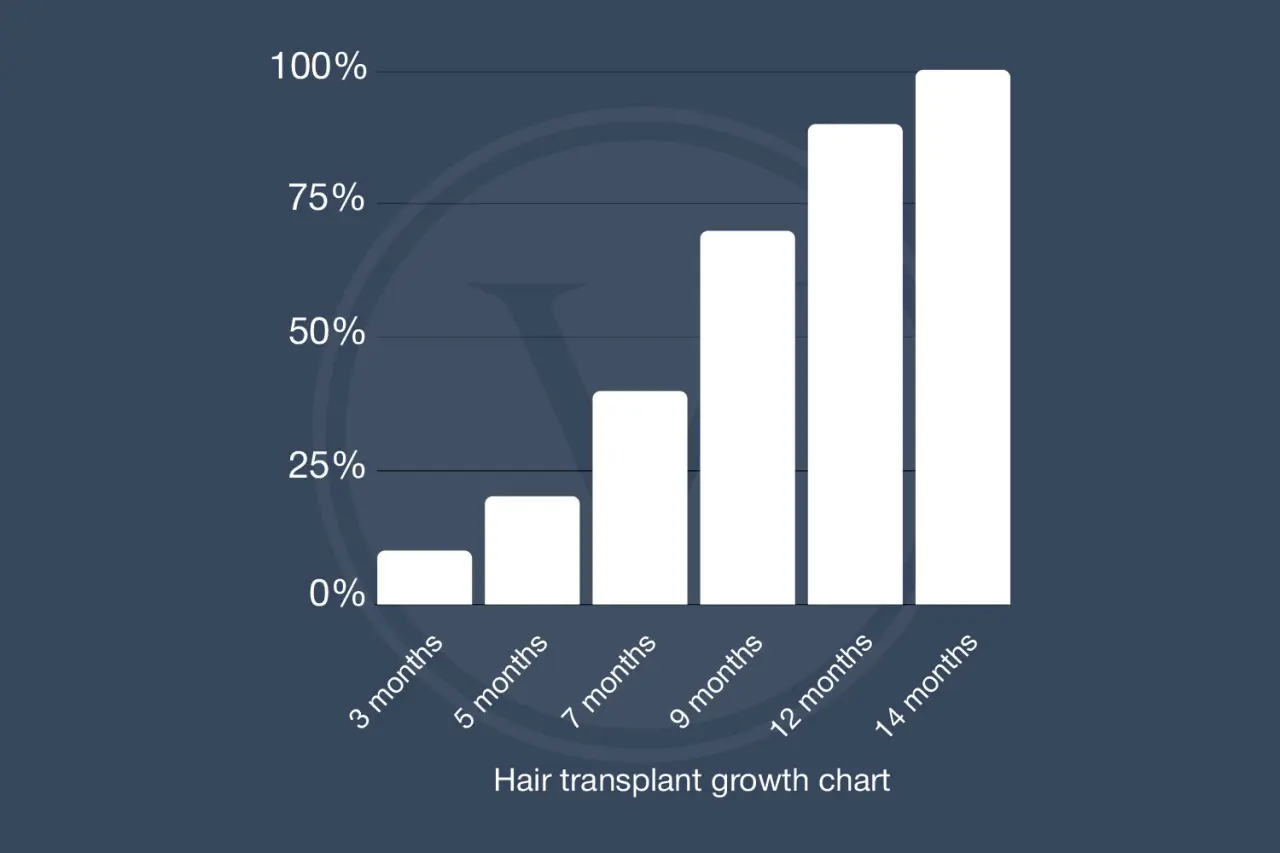
- Regrowth and maturation phase (months 3–14): When new hair starts to grow, it gradually becomes thicker and blends in seamlessly with the hair you already have.
Each step in the process is important. If you try to skip or hurry through the recovery stages, it could have a negative effect on the outcome of your hair transplant.
How Long Is Hair Transplant Recovery?
Many patients ask about the time needed for recovery after undergoing hair transplantation. This can vary depending on whether you are referring to the recovery period in terms of physical healing or the subsequent hair growth.
- Surface healing: 10–14 days
- Return to normal daily activities: 7–10 days
- Noticeable hair growth: 3–4 months
- Substantial density: 6–9 months
- Final results: 12–14 months
Hence, it is necessary to view hair transplant recovery period as a process of metamorphosis and not as an abrupt one.
Factors That Affect Hair Transplant Recovery Time
Several variables play roles in determining recovery time and ease of recovery:
- Surgical technique (FUE or DHI)
- Individual healing capacity
- Hair and skin type
- Gender-related hormonal differences
- Compliance with aftercare instructions
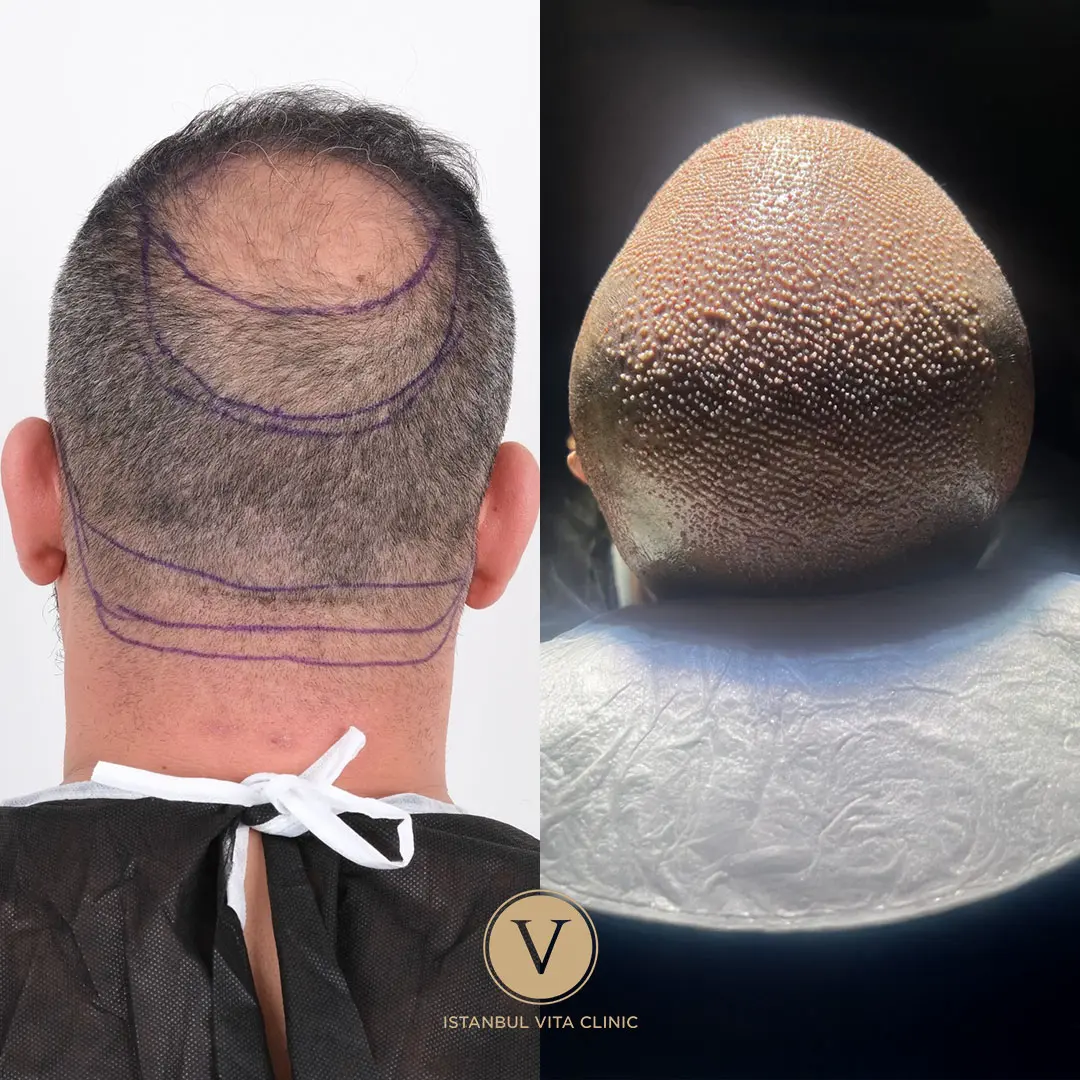
Hair Transplant Recovery Day by Day (First 14 Days)
The first two weeks constitute the most crucial period after hair transplantation surgery. At this stage, the grafted hairs will acclimatize to the scalp environment as they heal and develop blood vessel connections.
Day 1 After Surgery
These symptoms are considered common. There may be a dressing on the donor site. Take rest, maintain the head in an elevated position, and avoid contact with the transplanted area.
Days 2–3: Swelling Phase
The swelling can reach its maximum at the forehead and near the eyes, but it will slowly diminish. Itching and tightness can be felt mildly. Gentle washing starts as directed by the clinic.
Day 4-5: Graft Stabilization
By day four and five, grafts become more secure, though the scalp remains sensitive. Light redness and small scabs are expected. Friction and pressure should still be avoided.
Day 7: Scabs and Redness
Scabs can be quite noticeable, but it's really important not to pick at them. A gentle wash can help them come off on their own. If you have fair skin, you might notice some redness sticking around for a bit longer.
Day 10: Scabs Fall Off
Most scabs shed naturally, and the scalp looks more normal. Some redness may remain.
Days 11–14: Early Healing Completion
You can rest assured that there is little pain, and the redness is beginning to subside. Although it looks like your scalp has recovered, your follicles are still in the process of healing.
Hair Transplant Recovery Timeline: Week by Week
2 Weeks After Hair Transplant
At two weeks post-hair transplant, you will have largely recovered from your procedure. You should be able to resume your daily routine, although it is recommended that you avoid strenuous exercise for some more time.
Shock Loss Explained: Why Transplanted Hair Falls Out
Somewhere between the second and eighth week, most patients watch their newly planted hair start falling out. Doctors call it shock loss, and it rattles nearly everyone the first time. The strands drop because the follicles under them went through a lot during the operation. Being removed, kept outside the body for a while, then set into fresh channels briefly cuts each follicle off from its blood flow. The follicle responds by going dormant, and a dormant follicle lets go of its strand.
Here is the part that matters. What you lose is only the visible strand. The root stays in the scalp, settled in its new spot, quietly getting ready to produce hair again. Shedding at this stage says nothing about whether the operation worked.
A few of the hairs you already had around the operated zone may drop too. Those come back on their own once the scalp calms down. How heavy the shedding gets, and how long it drags on, differs from person to person. Growth cycles, scalp sensitivity, graft density and the surgeon's technique all feed into it. Some clinics suggest minoxidil from the second month onward to wake the follicles up sooner. Check with your doctor before trying it.
3 Weeks After Hair Transplant
By the time you reach three weeks, you can usually expect the swelling and scabs to have disappeared.Some numbness or sensitivity may remain in the donor area but gradually improves.
Hair Transplant Donor Area Recovery
The area where hair is taken from usually heals up quicker than the area where it’s transplanted. Thanks to the latest FUE techniques, the spots where hair is extracted close up in just a few days and leave very little visible scarring.
Hair Transplant Recovery Month by Month
1 Month After Hair Transplant
This phase usually signifies the peak of shock loss. You might observe that some of the transplanted hairs are falling out, which can make your scalp seem less full than you anticipated. No need to stress—this is just a typical biological response and it doesn’t indicate that the grafts have failed. Underneath, the hair follicles are still there and gearing up for a new growth cycle. During this time, it’s really important to stay emotionally reassured and be patient.
2 Months After Hair Transplant
Shock loss gradually slows down. You might catch a glimpse of early regrowth, but typically, those new hairs will be thin, soft, and not quite uniform. This is all part of the natural healing and regeneration process, so there's really no reason to be alarmed.
3 Months After Hair Transplant
Visible progress begins at this point. You might notice some early signs of regrowth, but usually, those new hairs will be a bit thin, soft, and not exactly uniform. This is all part of the natural healing and regeneration process, so there's really no need to worry.
4–5 Months After Hair Transplant
Hair growth becomes more consistent. As the strands begin to thicken and grow longer, you'll notice an overall improvement in coverage. That said, the density might still look a bit uneven since the hair follicles are maturing at different speeds.
6 Months After Hair Transplant: Noticeable Density Improvement
By the sixth month, approximately 70–80% of the final hair growth may be visible. As hair shafts strengthen and become more resilient, you can style them more delicately and trim them with care.
9 Months After Hair Transplant
You’ll usually see a marked improvement in both density and texture. Hair begins to grow in a more consistent way and has a more natural feel, blending effortlessly with what you already have.
12 Months After Hair Transplant: Final Outcome
Final results generally develop between 12 and 14 months after the procedure. At this stage, hair appears natural, healthy, and permanent, with fully matured follicles.
How Long Do Hair Transplants Last?
When executed correctly with healthy donor follicles, transplanted hair is a permanent solution. These hairs carry the genetic traits of the donor area and will keep growing according to their natural lifecycle.
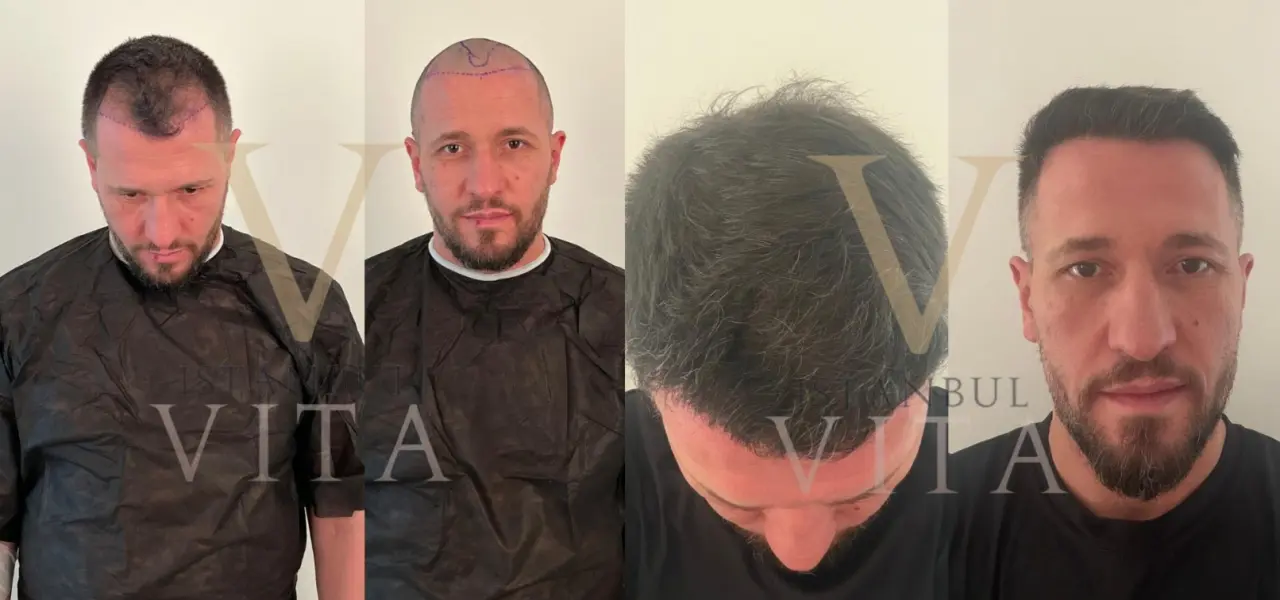
FUE and DHI Hair Transplant Recovery Timeline
FUE Hair Transplant Recovery Time
FUE hair transplant procedure is not invasive and thus features rapid recovery. Patients are generally able to return to their normal lifestyle after 7 to 10 days, but deeper biological healing occurs over the subsequent months.
FUE vs. DHI Hair Transplant Recovery Process
The processes of healing in FUE and DHI are similar, as follicular adaptation takes place through the same biological process. DHI is less likely to result in noticeable scabbing because of the direct placement of the grafts; however, FUE hair transplant allows for greater graft distribution.
DHI Hair Transplant Recovery Timeline
DHI recovery is all about carefully placing grafts and ensuring a smooth implantation process. You might notice that the recipient area heals more quickly, but keep in mind that the final growth and density will follow the natural hair cycle.
Female Hair Transplant Recovery: Is It Different?
Hair Transplant Recovery in Women
When we look at it from a biological angle, women’s recovery from hair transplants mirrors that of men, going through the same healing and growth phases. However, things like hair length, styling, and the patterns of the transplants can often make the recovery process less apparent. Existing hair commonly covers mild redness or scabbing, allowing many women to return to daily life more discreetly. In procedures performed without shaving (or with partial shaving), social downtime is often shorter.
Shock Loss and Hair Density in Female Patients
Temporary shock loss can occur not only in transplanted hairs but also in surrounding native hair, particularly in women with diffuse thinning.This shedding is generally a temporary phase, and you can expect regrowth to kick in within a few months as the hair follicles start their active growth cycle again. When you have a solid surgical plan and follow up with good aftercare, you'll see that overall density improves over time, leading to results that look natural and well-balanced.
Afro (African American) Hair Transplant Recovery Time
Afro Hair Structure and Healing Considerations
The recovery period after an Afro hair transplant is just the same among black people as others. Afro-type hair follicles are curved under the skin. Therefore, the removal and placement of hair is quite complicated. Nevertheless, when carried out correctly, the process will follow the same path like other hairs.
Have Questions? Let's Chat on WhatsApp!
Get instant answers 24/7. Receive your doctor-led hair analysis within 1 day, plus pricing and booking support.
Start WhatsApp ChatWhat to Expect During Recovery for Curly and Coily Hair
During the early stages of hair growth, it’s perfectly normal for new strands to look a little uneven or grow in various directions. As your hair follicles mature, the natural curl structure will provide a nice visual density and good coverage for your scalp. With some patience and proper care, you’ll typically end up with results that are full, natural-looking, and really rewarding.
Turkey Hair Transplant Recovery Time
Why Recovery Protocols Matter After Surgery in Turkey
Hair transplant recovery duration in Turkey is highly dependent on the quality of the post-surgical care protocols as well as the level of compliance with these guidelines by the patients. Despite the presence of sophisticated surgical approaches like FUE and DHI that guarantee rapid surface recovery, the importance of appropriate cleaning practices, drug administration, physical activities avoidance, and scalp protection cannot be overlooked.
Post-Op Follow-Up and International Patient Care
When it comes to patients from other countries, the importance of organized follow-up care cannot be emphasized enough. Through virtual follow-up sessions, follow-up instructions and an established channel of communication between the patient and medical personnel, patients have a seamless experience with their care process. Through such an organized approach, problems can be identified early on, and recovery can be optimized.
Hair Transplant Results: What Patients Can Realistically Expect
Density, Thickness, and Natural Appearance
The end result will depend on some vital parameters, including the quality of the hair being donated, how evenly the grafts are spread out, the methods involved in the procedure, and post-operative care. It is important to note that although the hair transplants will grow normally, the density of the hair will increase slowly over time.
Psychological Impact of Hair Transplant Recovery
As one begins to observe their growth, many of them express how they have gained a lot of confidence and feel emotionally better. While it is common for people to worry about the shedding and the slowness of the growth process, having a realistic expectation about their recovery period can make a huge difference in their recovery process.
Final Thoughts on Hair Transplant Surgery Recovery
The hair transplant process takes place in a systematic and predictable pattern driven by nature, not by your impatience. People who know how the process works, are patient, and follow doctors' instructions tend to get better outcomes.
Frequently Asked Questions (FAQ)
What is the hair transplant recovery timeline?
The hair transplant recovery process is progressive, occurring in several stages. It takes about 7 to 14 days for all the swelling, crusting, and redness to fade away, during which time patients can go back to their usual activities. The hair growth cycle is part of the recovery process since the hair undergoes dormancy and then produces new growth. Hair growth becomes visible at around three to four months, whereas density will become apparent after six to nine months. The ultimate hair transplant outcome will be attained after 12 to 14 months.
How much time does it take for the healing of hair transplant?
The healing process takes place on both an external surface of the scalp and inside the body through which hair follicles are implanted. The healing of the scalp takes between 10-14 days, whereby the scabs will start falling off and the redness will start fading away. Despite the fact that one may seem to be fully healed, it is important to note that the healing continues internally where hair follicles adapt to their new source of blood supply and get into their resting period.
What is the typical duration of donor area healing?
The donor area usually takes less time to heal compared to the grafted site, especially when advanced FUE techniques are used. The initial closing of tiny extraction sites occurs after the first few days of the procedure, while any redness and sensitivity should be gone after about 10-14 days. Complete donor site healing, that is, restoration of normal skin condition, usually takes about four to eight weeks. In some instances, there could still be temporary sensations of numbness and tightness in the treated area, but this will resolve on its own.
 conversation


