
 English
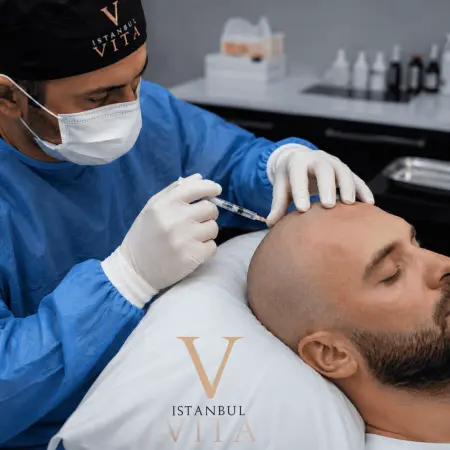
Table of Contents
Does a Hair Transplant Hurt?
Not every stage feels the same. Before the scalp is numb, patients can feel the anesthetic going in — often described as a brief sting, warmth, pressure, or general discomfort. Once the area is anesthetized, that changes. There's still awareness that something is happening — contact, instrument movement, a sense of pressure — but it doesn't register as sharp pain. That distinction matters. Local anesthesia isn't about erasing every sensation; it's about keeping the treated area from hurting. Pain thresholds also differ from person to person. Someone with a strong reaction to needles will likely describe the start of the procedure differently than someone who barely notices them. If something does hurt mid-operation, the right move is to say so rather than push through it. The team can pause, check the area, and add more anesthetic if needed.
How Is Pain Controlled During the Procedure?
Pain control isn't a single injection at the start — it runs through the whole procedure.
At Istanbul Vita, anesthesia is handled in stages rather than treated as a one-time event. That can include:
- Needle-free numbing to start
- Local anesthetic across the areas being treated
- Ongoing comfort checks as the operation continues
- Additional anesthetic if any area becomes sensitive again
- Sedation, for suitable patients who prefer to skip awareness of the first stage
- Guidance for managing discomfort once surgery wraps up
The exact plan shifts based on the patient — treatment area size, how long the operation will run, prior anesthesia experiences, medical history, and personal sensitivity all factor in.
Local Anesthesia in Hair Transplant Surgery
General anesthesia rarely comes into play for a hair transplant. What the medical team relies on instead is local anesthetic, applied across whichever parts of the scalp are involved that day — first the area grafts come from, then wherever they're going.
Being numb rather than unconscious means the patient stays part of the process. Conversations happen mid-procedure, positions shift on request, breaks for food are possible, and any discomfort can be mentioned the moment it starts rather than after the fact.
What Does the Initial Anesthesia Feel Like?
That first round of anesthetic arrives before numbness has actually taken hold — so unsurprisingly, patients notice it more than almost anything that comes after. A quick sting, some pressure, warmth, maybe a pinch. All of that eases off once the area goes numb.
Istanbul Vita builds needle-free anesthesia into this opening moment specifically to avoid repeated injections into skin that hasn't been prepped yet.
Can Sensitivity Return Later?
Given that a transplant can stretch across several hours and multiple scalp zones, anesthesia isn't something applied once and forgotten. Should a patient flag renewed sensitivity somewhere, staff check it and add more anesthetic as clinically warranted — a scenario that comes up more in longer sessions or when the work relocates from one area to the next.
Needle-Free Anesthesia at Istanbul Vita
For a fair number of patients, that very first needle looms larger in their mind than the transplant procedure itself. This is precisely the gap needle-free anesthesia is meant to close at Istanbul Vita — reducing sensitivity before an injectable anesthetic has time to bring the scalp down to the numbness level surgery calls for. Local anesthetic then takes over from there, since the scalp still has to remain thoroughly numb while extraction and implantation happen.
Put simply, needle-free anesthesia is one piece of a larger pain-management approach — it doesn't stand in for local anesthetic injections entirely. That distinction carries real weight for patients drawn to this option specifically out of needle anxiety: "needle-free" describes how the early numbing gets eased in, not that the whole procedure skips needles altogether.
That's one patient's account. Pain sensitivity varies person to person, so the same comfort level can't be promised across the board.
Sedation for Patients Who Prefer It
Some patients would rather skip awareness of that first stage entirely.
For suitable candidates, Istanbul Vita can add sedation to the plan — covering just the initial numbing window, not the entire procedure. Once that stage ends and the scalp is anesthetized, the rest continues under local anesthesia as usual.
That's a different thing from general anesthesia.
Whether sedation fits gets decided after a medical assessment, and the team determines how it's administered and monitored from there.
Preparation Before Sedation
Choosing sedation reshapes what happens before surgery. Patients at Istanbul Vita going this route are told to skip food and drink for 6 to 8 hours ahead of the procedure, arriving with an empty stomach. Any adjustment to that timing should come directly from the medical team rather than being decided independently.
Hair Transplant Pain Timeline
What a patient feels shifts stage by stage.
| Stage | Typical Experience | What Happens |
|---|---|---|
| Before anesthesia | Normal sensation; some anxiety around injections is common | Procedure and anesthesia plan get reviewed |
| Initial numbing | Brief sting, pressure, warmth, or pinch | Needle-free anesthesia used alongside or before local |
| Donor work | Awareness of contact or movement | Donor area stays under local anesthesia |
| Recipient-area work | Contact still noticeable | Recipient region anesthetized before treatment |
| Longer operations | A spot may become sensitive again | Team rechecks and tops up anesthesia as needed |
| Right after surgery | Scalp may feel numb or unusual | Anesthetic wears off gradually |
| Later that day | Tightness, tenderness, soreness can start | Post-op instructions and approved medication apply |
| Following days | Discomfort shifts as healing progresses | Recovery tracked per the aftercare plan |
None of this is fixed. Some patients report barely any discomfort; others feel more at particular stages.
How Istanbul Vita Manages Patient Comfort
Comfort planning starts before anesthesia is even administered.
Medical Assessment Before Surgery
The team reviews anything that could affect anesthesia or sedation:
- Current medications and supplements
- Known allergies
- Past anesthesia experiences
- Relevant medical conditions
- Reactions during previous dental or surgical work
Blood tests and an EKG are also standard before hair transplantation at Istanbul Vita.
Any past trouble with local anesthesia or sedation should come up before the operation. Medication, alcohol, smoking, food, and other pre-op instructions get covered more fully in the Hair Transplant Preparation guide.
Numbing the Scalp
The first goal is reducing sensitivity before the surgical work starts. Needle-free anesthesia handles the early stage, followed by local anesthesia in the actual treatment areas.
Have Questions? Let's Chat on WhatsApp!
Get instant answers 24/7. Receive your doctor-led hair analysis within 1 day, plus pricing and booking support.
Start WhatsApp ChatChecking Comfort During the Operation
Patient response still matters after the initial anesthesia is done. The team can ask, observe, and reassess a region as needed — nobody has to stay quiet through discomfort.
Adding More Anesthesia When Necessary
If an area stops feeling adequately numb, local anesthesia gets reinforced there. That's why pain management runs through the whole operation instead of stopping after the first dose.
Sedation When Selected
For patients particularly uneasy about the initial stage, sedation can be added after medical evaluation. At Istanbul Vita, sedation patients arrive fasting — no food or drink for 6 to 8 hours before surgery.
What Happens After the Anesthesia?
Sensation comes back gradually. As the anesthetic fades, the scalp may feel tight, sore, tender, or sensitive — usually nothing like the sharp pain patients sometimes picture beforehand.
Some notice very little; others become more aware of the donor area once numbness wears off. Any medication should follow what the medical team specifically recommends.
Pain that's unusually intense or getting worse rather than settling shouldn't be brushed off as ordinary post-op discomfort — that's worth contacting the clinic about.
Why Can the Scalp Still Feel Numb Later?
The anesthetic's active duration and how long the scalp feels "off" aren't the same thing. The medication itself typically stops working within hours, but the treated scalp can feel different for a while after.
Patients may notice reduced sensation in patches, tingling, temporary hypersensitivity, tightness, or uneven numbness. That's more likely tied to tissue and small nerve endings recovering than to the anesthesia still being active. It typically shifts as healing continues.
What About the Rest of Hair Transplant Recovery?
This page sticks to pain and anesthesia specifically. Washing, sleeping position, swelling, exercise, sun exposure, touching the grafts, and getting back to normal life are covered in the Hair Transplant Aftercare guide — kept separate so anesthesia guidance doesn't blur into the broader recovery picture.
Frequently Asked Questions
Is hair transplantation painful?
Once the scalp is anesthetized, the procedure itself shouldn't produce sharp pain. The numbing stage tends to stand out more, since the anesthetic goes in while the scalp is still sensitive.
Why use needle-free anesthesia if local anesthesia is still needed?
They do different jobs. Needle-free anesthesia softens sensitivity at the start; injectable local anesthesia delivers the depth and duration of numbness the procedure actually needs.
Does needle-free anesthesia eliminate every injection?
No — it supports the initial numbing, but injectable local anesthesia is still typically part of the process.
Am I conscious during a hair transplant?
Usually, yes. The procedure runs on local anesthesia rather than general anesthesia.
What if I don't want to be aware of the anesthesia stage?
Sedation can be considered after a medical evaluation. At Istanbul Vita, it's used to cover the initial numbing period, not the whole operation.
How long do I need to fast before sedation?
No food or drink for 6 to 8 hours before surgery, per Istanbul Vita's protocol for sedation patients.
What if one area starts hurting during the operation?
That's worth mentioning to the team right there in the moment — waiting it out isn't necessary. A quick recheck and a bit more anesthetic usually settles it.
Is FUE More Painful Than DHI?
Neither technique skips anesthesia, so the label itself doesn't decide how much a patient feels. Sensitivity, how long the session runs, the size of the area being treated, and how consistently the numbness holds tend to matter far more than which method is used.
How Long Does the Anesthesia Last?
The numbing itself typically wears off within a matter of hours. What lingers longer is the scalp's sensation returning to normal, since the tissue underneath is still working through the healing process.
Can I Take Painkillers After Surgery?
Stick to whatever the medical team has specifically approved — nothing outside that list.
 conversation


