
 English
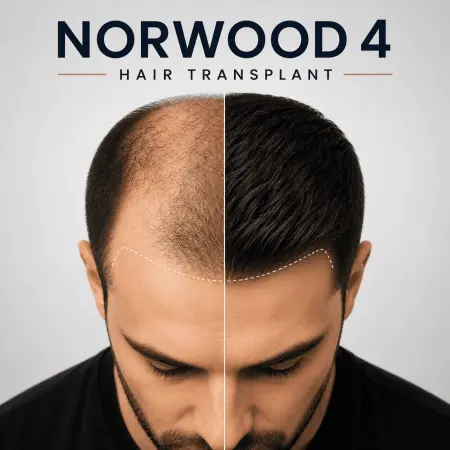
Table of Contents
Hair loss occurs gradually, and the exact stages of the process may not be clear at first. One of the most common stages is Norwood 4, where the receding hairline and thinning around the crown area become noticeable. Early identification of the Norwood 4 stage helps in making decisions about medical treatment or hair transplant surgery.
What Is Norwood Stage 4 on the Norwood Scale?
Stage 4 of Norwood is classified as moderate male pattern hair loss on the Norwood scale. For patients who have reached stage 4, the receding hairline is more noticeable at the temples, while the balding pattern around the crown area starts to become more obvious. Compared to the earlier stages, the space between the front and crown becomes much smaller.
There are men who want to know about Norwood 3 vs. 4 to see how far their hair loss has progressed. The distinction between stage 4 of Norwood and the previous stage is that it involves hair loss not only at the front but also at the crown. Early detection of stage 4 Norwood will aid in determining the appropriate treatment to pursue.
Understanding the differences between the Norwood stages makes it easier to recognize how hair loss progresses and which treatment options may be more suitable at each stage.

What Does Norwood Scale 4 Mean?
Norwood Scale 4 means that you are past the early stages of hair loss and that the problem becomes easier to notice. At this stage, the receding hairline becomes more apparent, especially around the temples, while thinning in the crown area also becomes more visible. There is still some hair covering the gap between these two areas, although it becomes thinner over time.
At this stage, most men begin to realize that simple solutions may no longer work. They start thinking about whether medical treatments will still help or if they need to consider a hair transplant for Norwood scale 4.
Norwood 3 vs 4: What Is the Difference?
The distinction between Norwood 3 and 4 lies mostly in the visibility of hair loss. With Norwood 3, the hair line retreat will typically be seen around the temples and front hairline, but it does not necessarily affect the crown of the head. It is classified as one of the earliest forms of balding among males and many do not feel compelled to undertake treatment right away. With Norwood 4, however, hair loss becomes more pronounced since it now includes the front hairline as well as the crown region of the head. There is a clear appearance of the thinning hair along with a slight reduction of the gap between the crown and the front.
Norwood 4 vs 5: When Does Hair Loss Become Severe?
However, the distinction between Norwood stages 4 and 5 is primarily based on the extent to which hair loss has been experienced at this stage. In the former, there exists a visible strip of hair separating the frontal and crown portions. Nonetheless, both regions will have experienced significant thinning.
When it comes to Norwood stage 5, this separating strip is very thin or almost nonexistent, resulting in the appearance that the two portions have started blending with each other. The hair loss experienced at this point is more pronounced and challenging to reverse with medication alone. Thus, this is the typical point at which hair transplants become a necessity.
How to Identify a Norwood 4 Hairline
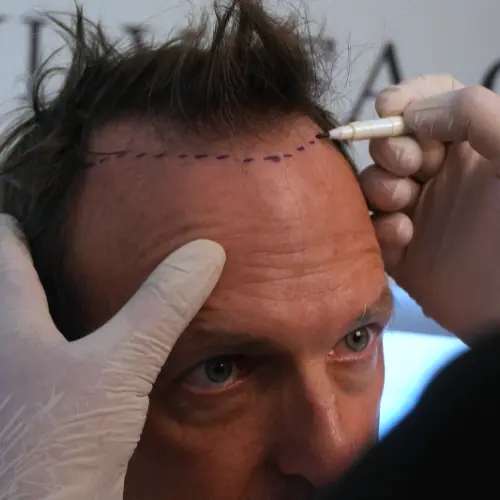
The presence of a Norwood 4 hairline is often marked by the distinct receding pattern in the temple areas and thinning on the crown. As opposed to the earlier stages, the hairline starts receding backward, forming a deeper M-shape in the frontal view. At the same time, there is reduced hair density in the crown area, which leads to increased scalp visibility.
Such symptoms are often first noticed when comparing old photographs or while styling one’s hair. The hairline and crown may still be partially divided by a strip of hair; however, the Norwood 4 hairline pattern becomes clearly visible. Early identification of a Norwood 4 hairline helps in choosing the proper treatment options.
Frontal Norwood 4 and Temple Recession
Frontal Norwood 4 usually shows itself through deeper recession at the temples and more visible changes in the front hairline. In Norwood 4, the hair starts receding further at the temples, and this gives the patient a more pronounced M-shape when viewed from the front. In this case, the recession causes the forehead to appear larger and the hairline to be harder to identify.
As one of the earliest indications of hair loss, temple recession can be a challenge for men who think they have a mature hairline. Since Frontal Norwood 4 shows more significant changes compared to a mature hairline, it is necessary to understand this condition early.
Norwood 4 Crown and Vertex Thinning
Norwood 4 crown and vertex thinning is the hair loss that begins to show itself starting from the crown and vertex region of the head. In this case, there will be a reduction in the density of the crown and an increase in scalp visibility when light is shone directly on the scalp or immediately after a haircut. Initially, this hair loss can start as a small patch that gradually increases in size over time without proper management.
For men, attention tends to be placed mainly on the frontal hairline, with little emphasis on the crown area. However, vertex hair loss in Norwood 4 is often one of the clearest signs that hair loss is progressing.
Common Signs of Stage 4 Norwood
Some of the symptoms associated with stage four Norwood include the appearance of a deeply receded hairline, crown thinning, and a visible M-shaped configuration at the front. At this level, hair loss is not only seen on the temples but also in the crown region, where there will be observable thinning of the hair. Additionally, many people start noticing thinning of the hair when exposed to bright light or during and after washing.
The other sign is that the distance from the front hairline to the crown will reduce although there will still be some thin hair separating the two. This makes the balding pattern easier to recognize compared to the earlier stages.
Norwood 4 Examples: What Real Hair Loss Looks Like
Examples of Norwood 4 almost always feature a distinct recession in the front hairline alongside noticeable thinning of hair in the crown region. Most of the time, the temples recede further back and create a deep “M” shape in the hairline; the hair on the crown starts to become thinner and more sparse, with the scalp becoming more visible.
The Norwood 4 examples based on real life may vary for each individual due to different factors such as hair type, age, and genetic makeup. It is possible that one individual will have a more noticeable front hairline recession than another, thus making comparison an excellent way to determine whether the hair loss stage is at the level of Norwood 4 or Norwood 5.
Common Norwood 4 Examples in Men
Most common Norwood 4 hair loss examples in men are those with a definite receding front hairline, more pronounced temple recession, and noticeable thinning on the crown. In most instances, the hairline takes an M shape, whereas the crown region begins to exhibit low density along with higher scalp visibility. This condition is one of the most common symptoms associated with male pattern baldness classified into the fourth stage.
Men can have either more prominent frontal hairline recession or early signs of thinning on the crown region. It may depend not only on the individual characteristics but also on other factors such as age or hair loss duration. By analyzing common Norwood 4 hair loss examples in men, many men get a clearer picture of their hair loss stage.
Norwood 3-4 Transition vs Norwood 4-5 Progression
Norwood 3 to 4 progression typically occurs when hair loss is not confined to the temples anymore but is also spreading to the crown region. In Norwood 3-4, the hairline continues to retreat, but the thinning process begins to appear at the crown. This stage makes it difficult for many men to determine whether their hair loss is still considered early or already advanced.
The next stage in the Norwood classification system, namely Norwood 4-5, occurs when the thinning process becomes more evident between the front hairline and the crown. The separation between these two regions becomes thinner, creating a more continuous pattern of baldness.
What Is the Average Age for Norwood 4?
The average age when one reaches Norwood 4 can be influenced by genetics, hormones, and the general process of hair loss that occurs in an individual. For most individuals, the presence of symptoms in Norwood stage 4 usually happens in their late twenties or thirties, though some can experience the changes sooner. The rate at which the process occurs varies from individual to individual based on a number of reasons including family history.
For those who have a strong family history of hair loss, reaching Norwood 4 can happen quite early, compared to other individuals whose condition can remain stagnant for longer periods. It can depend on how fast male pattern balding progresses in individuals. Many individuals find it easier to understand their hair loss stage by knowing the average age of Norwood 4.
Average Age of Norwood Stage 4
The average age for Norwood stage 4 hair loss is usually between the late twenties and early thirties, depending on genetics and how quickly hair loss progresses. Men who have a family history of male pattern baldness tend to show symptoms earlier than others. On the other hand, some people take a longer time before reaching Norwood 4 stage because of individual hair loss pattern differences.
Several factors such as hormonal imbalance, lifestyle, and general scalp health play a significant role in determining the rate of hair loss. The average age can differ from one individual to another because every hair loss pattern is different. Knowing the average age of Norwood stage 4 can help many men determine the best timing for intervention.
Why Some Men Reach Norwood 4 Earlier
Some men reach Norwood 4 earlier because of various genetic and physiological factors. One of the common causes of rapid hair loss at this stage is a family history of the condition. For example, when men have relatives who suffered from premature balding, their development into Norwood stage 4 happens significantly faster than anticipated.
Another factor that can contribute to rapid development of hair loss at this stage is hormonal imbalance, stress, improper lifestyle choices, and some other medical conditions. Factors like smoking, poor diet, and inflammatory processes on the scalp can lead to accelerated hair thinning.
Have Questions? Let's Chat on WhatsApp!
Get instant answers 24/7. Receive your doctor-led hair analysis within 1 day, plus pricing and booking support.
Start WhatsApp ChatCan Norwood 4 Be Treated Without Hair Transplant?
Sometimes, treatment procedures can also prove helpful in treating hair loss with Norwood 4, particularly during the initial stages. As long as the thinning at the crown region and the frontal area is mild to moderate, medications like finasteride and minoxidil along with PRP treatment can aid in slowing hair loss.
However, when there is noticeable hair loss at both regions – crown as well as the frontal hairline – there may not be significant improvement through the mentioned treatment procedures. In that case, hair transplant surgery becomes the best solution for hair loss with Norwood 4.
Medical Treatments for Norwood Stage 4
Medications that treat Norwood stage 4 are frequently considered the initial phase of the procedure prior to proceeding with hair transplantation. If hair loss is still relatively mild, and the donor zone has enough hair to harvest, then treatment procedures like finasteride, minoxidil, PRP treatment, and mesotherapy can be considered helpful in delaying further development and improving hair density.
On the other hand, medications become less effective once the process of balding progresses further. At stage 4 of Norwood, hair loss affects both the front and the crown of the head. Medication by itself can no longer solve the problem; thus, doctors recommend a combination of hair restoration procedures alongside medical treatment.
When Medication Is No Longer Enough
Hair restoration can become necessary once hair loss reaches a higher degree that would require a combination of non-surgical and other solutions to make an observable difference. When it comes to Norwood stage 4, it implies a substantial thinning of hair in two distinct zones – at the front hairline and the crown, accompanied by the weakening of the separating band of hair. At this moment, medication such as finasteride or minoxidil may help slow down further hair loss, but it might not reverse the current state.
Men experience the continuous recession of the front hairline, along with increased visibility of the crown area, despite the ongoing treatment. It marks the moment when a doctor will recommend a hair transplant surgery as a more stable treatment for hair restoration. Hair transplant with medical treatment proves to be the most successful approach.
Norwood 4 Hair Transplant: Is It the Best Solution?
For many males, hair transplant at Norwood 4 stage is recognized as one of the most effective methods once medical treatment does not give enough results. At this stage, both the front hairline and the crown area are affected, making it difficult to achieve natural coverage without surgery.
There are many factors affecting the outcome of hair transplant at Norwood 4 stage, which include the quality of the donor area, proper graft planning, and the level of hair loss progression. It is worth noting that hair transplant at this stage can be highly beneficial if the procedure is done correctly.
How Many Grafts Are Needed for Norwood 4 Hair Transplant?
How many grafts are needed for Norwood 4 hair transplantation depends on the extent of hair loss, the strength of the donor site, and the desired hair density. In general, the patient suffering from Norwood 4 hair loss should require around 3,000 to 4,500 follicular units. However, the number of grafts required may depend upon whether there is more emphasis placed on the front hairline restoration only or if the whole of the crown area requires coverage.
A proper consultation is necessary to decide the right number of grafts needed for the hair transplantation procedure. Graft distribution plays an essential role in hair restoration.
FUE vs DHI for Norwood 4 Transplant
In the case of FUE and DHI for Norwood 4 transplant procedure, the right technique to choose should be based on the degree of the hair loss pattern, donor site condition, and the required density. If the patient needs more grafts, which is usually the case in Norwood 4 transplantation, then FUE is used more frequently as it allows a larger area for graft collection.
DHI is usually used when the patient requires very precise graft implantation and a high density of transplanted hair in smaller areas. This is typically true in cases when only the hairline area requires restoration. In most cases of Norwood 4 hair loss, the clinic might use both techniques in combination with each other.
Why Choose Istanbul Vita for Norwood 4 Hair Transplant?
Selecting the best clinic for a Norwood 4 hair transplant is as essential as selecting the best procedure. Because of the involvement of both the frontal hairline and the crown region, the success of such a treatment relies heavily on the evaluation of donor resources, graft distribution, and hairline formation. At Istanbul Vita, all cases are carefully analyzed to develop the most appropriate treatment protocol.
The unique Vita Technique® of the clinic integrates the benefits of FUE and DHI treatments, together with microscopic donor assessment, in order to facilitate more accurate graft implantation. Fine single grafts are utilized in the frontal hairline, whereas multiple grafts are strategically applied in the crown region and density areas. Moreover, Istanbul Vita performs only limited daily operations to guarantee doctor-led treatment planning and long-term follow-up.
International patients can take advantage of complimentary virtual consultation, multilingual assistance, and individualized treatment plans in the entire treatment process, which makes their first contact and final outcome easy and convenient. It is due to these factors that many patients opt for Istanbul Vita for Norwood 4 hair transplant treatment.
- Natural Appearance of Frontal Hairline: Fine single hairs are implanted strategically to produce a soft-looking front hairline that is in harmony with the person’s facial features and age.
- Densified Grafting Pattern: The placement of grafts depends on the requirements of different areas with Vita Technique®, resulting in denser coverage.
- Free Online Consultation: People from foreign countries can benefit from free online consultation, evaluation of donor hair, and personalized hair transplantation program.
Selecting the appropriate timing for treatment plays a crucial role in managing Norwood 4 hair loss. Rather than allowing the problem to progress further, starting treatment early can help preserve your existing hair and improve long-term results. For more detailed information, you can visit the contact page of Istanbul Vita and speak with our medical team.
Frequently Asked Questions
Is hair loss with the Norwood 4 type reversible?
Hair loss with the Norwood 4 type cannot usually be naturally reversed once the follicles stay inactive for an extended period. Available medical options include minoxidil, finasteride, PRP, and mesotherapy to slow down hair loss progression while improving hair density. Nevertheless, hair transplant is often considered the most effective method in cases of extensive hair loss.
Is Norwood 4 hair loss able to deteriorate further without any treatment?
Yes, untreated Norwood 4 hair loss will likely worsen. Typically, the condition will become more apparent as the hair thins out from the frontal hairline to the crown area, leading to Norwood 5 hair loss or even further stages of progression.
Is donor area crucial in Norwood 4 hair transplantation?
Certainly, a good donor area contributes significantly to planning a Norwood 4 hair transplant procedure since both the front and crown zones may require transplantation. This means that the quality and strength of the donor area directly influence the success of the entire procedure.
How long will it take to recover from Norwood 4 hair transplant?
In general, the first stage of recovery from a Norwood 4 hair transplant will take about 7 to 10 days, at which point the redness and scabbing will begin to subside. Shock loss may occur during the initial stages, which is a common phenomenon during the healing period.
The regrowth of hair is expected within 3 to 4 months, and the full effects become noticeable between 10 to 12 months for each individual.
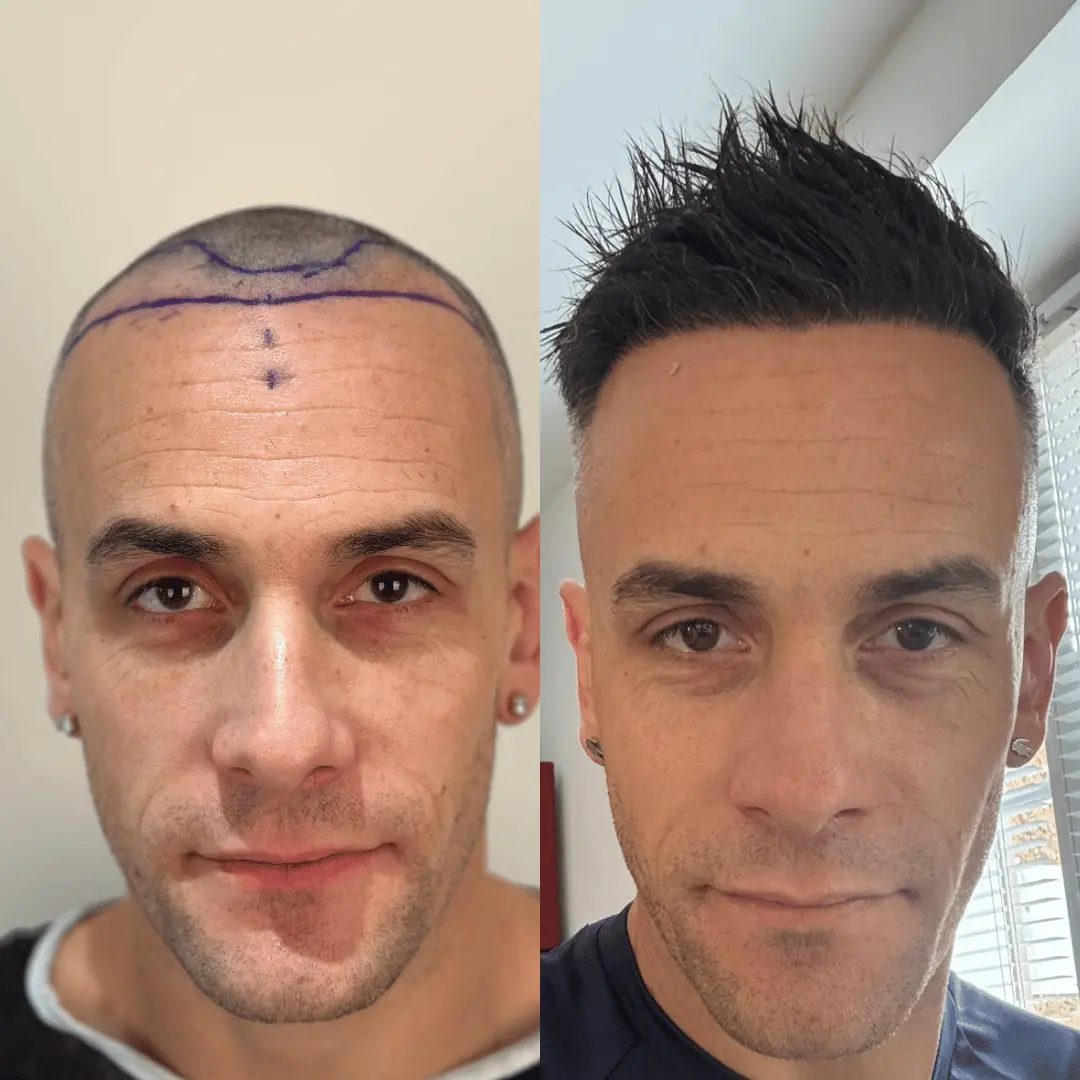
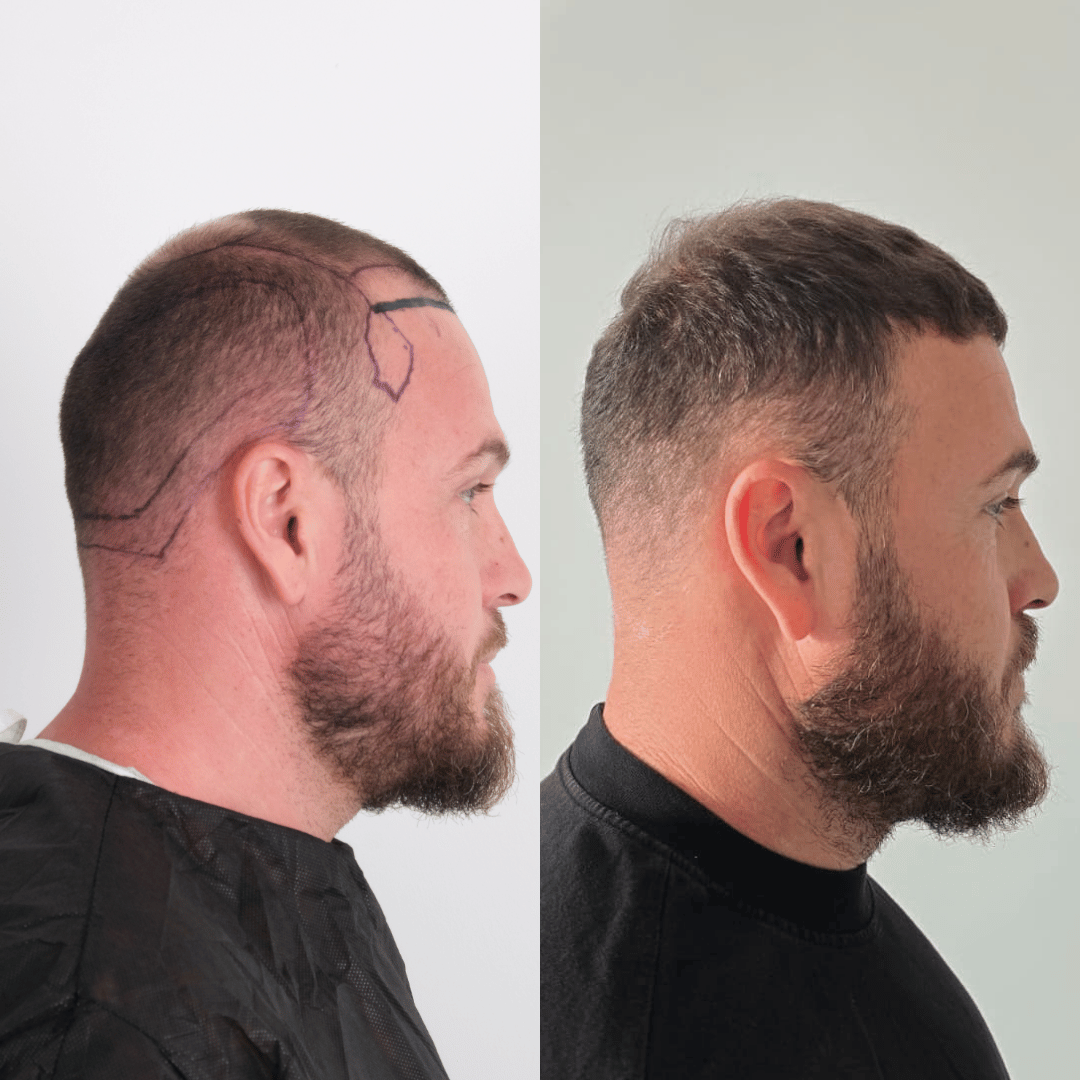
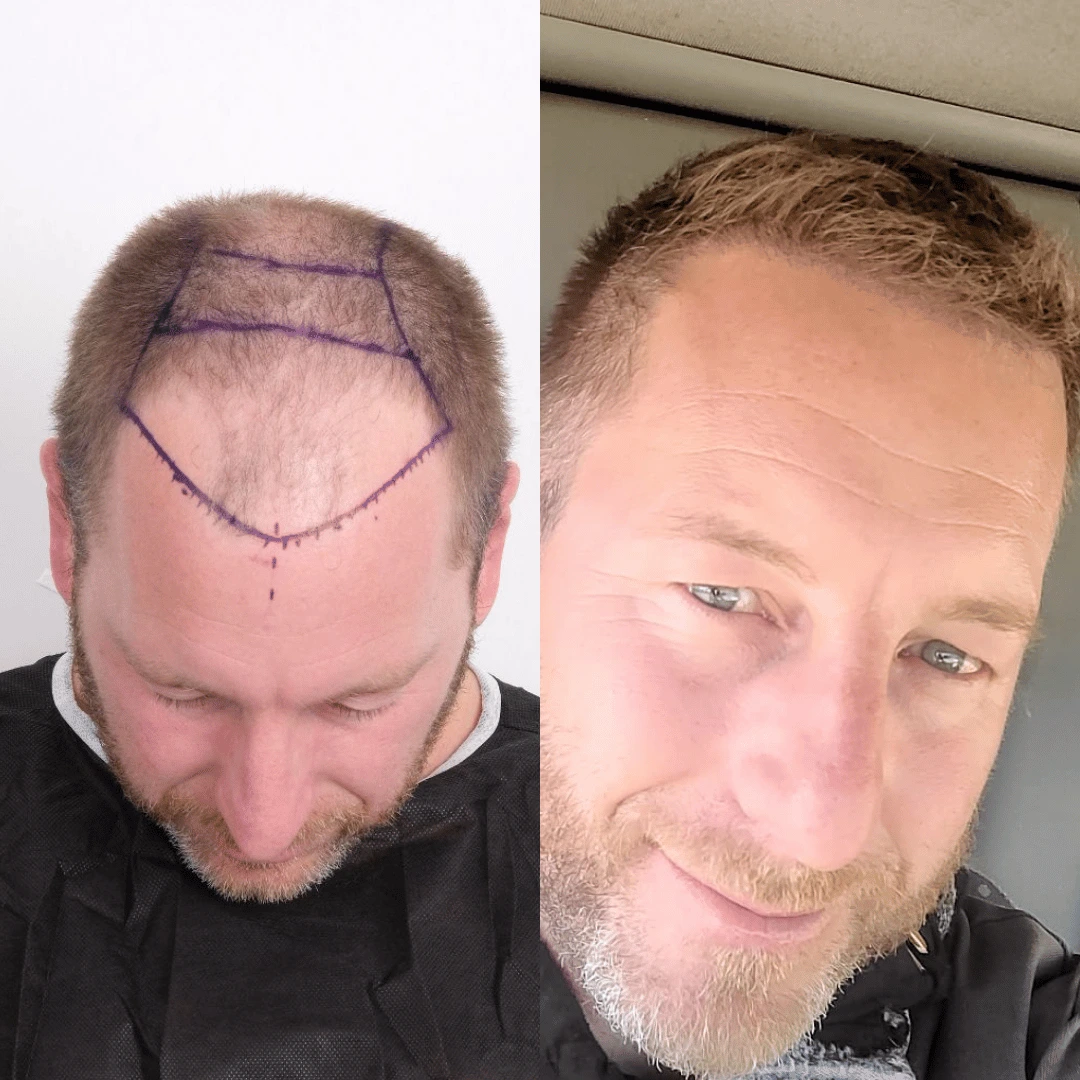
Real Norwood 4 Hair Transplant Results
These are Istanbul Vita patients graded at this stage before surgery, photographed before the procedure and at the result. Graft numbers and technique differ with donor capacity and goals.
 conversation


