
 English
Table of Contents
Afro-textured hair behaves differently under the microscope, in the donor area, and during recovery and that difference is exactly where most problems begin. The common mistakes in afro hair transplant procedures rarely come from one single error. They build up like a donor area harvested too aggressively, also the grafts are implanted at the wrong angle, a hairline drawn without considering the curl pattern. If you are reading this because your own afro hair transplant result did not meet expectations, or because you are trying to avoid that outcome before booking a clinic, you're asking exactly the right questions. You're not alone in this, the afro hair transplant complications are reported often enough that patients deserve a clear, honest breakdown of what tends to go wrong, and why.
Why Afro-Textured Hair Needs a Different Approach
Curly and coiled hair follicles don't grow straight down into the scalp. They curve, sometimes sharply, beneath the skin before exiting at the surface which means a standard extraction angle that works perfectly on straight hair can shred a follicle that grows in a tighter, curved pattern. This curved follicle structure is the single biggest reason why afro hair transplants fail when the surgical team hasn't specifically trained for it. Transaction rates, the percentage of grafts damaged during extraction run noticeably higher in afro hair transplantation unless the technician adjusts depth, angle, and instrument choice for every individual follicle, rather than applying one fixed extraction angle across the whole donor area.
Sometimes you will see this issue that is discussed under the label like black hair transplant mistake, but the underlying causes have nothing to do with the race and everything to do with the biology and the clinic experience. A tightly curled pattern also make it very hard to judge the direction of the graft once the hair is shaved for surgery, which is why the afro hair transplantation genuinely behaves like its own speciality rather than a minor variation of the standard FUE.
Common Mistakes in Afro Hair Transplant Procedures
Most afro hair transplant problems trace back to a handful of recurring errors, each one preventable with the right experience, tools, and planning.
Donor Area Overharvesting
Afro hair transplant overharvesting can happen when a clinic extracts more grafts than the donor area can comfortably bear. This often happens because the team underestimates how visible thinning becomes once the curly hair compresses back to its natural pattern after healing. Straight hair can mask gaps fairly well that the coiled hair reveals patchy donor areas much faster. This is one of the most common afro hair transplant donor area mistakes, and patients are sometimes promised the graft counts that sound impressive in a consultation but leave the back and sides of the scalp visibly depleted a year later.
Wrong Graft Angle and Curl Pattern Mismanagement
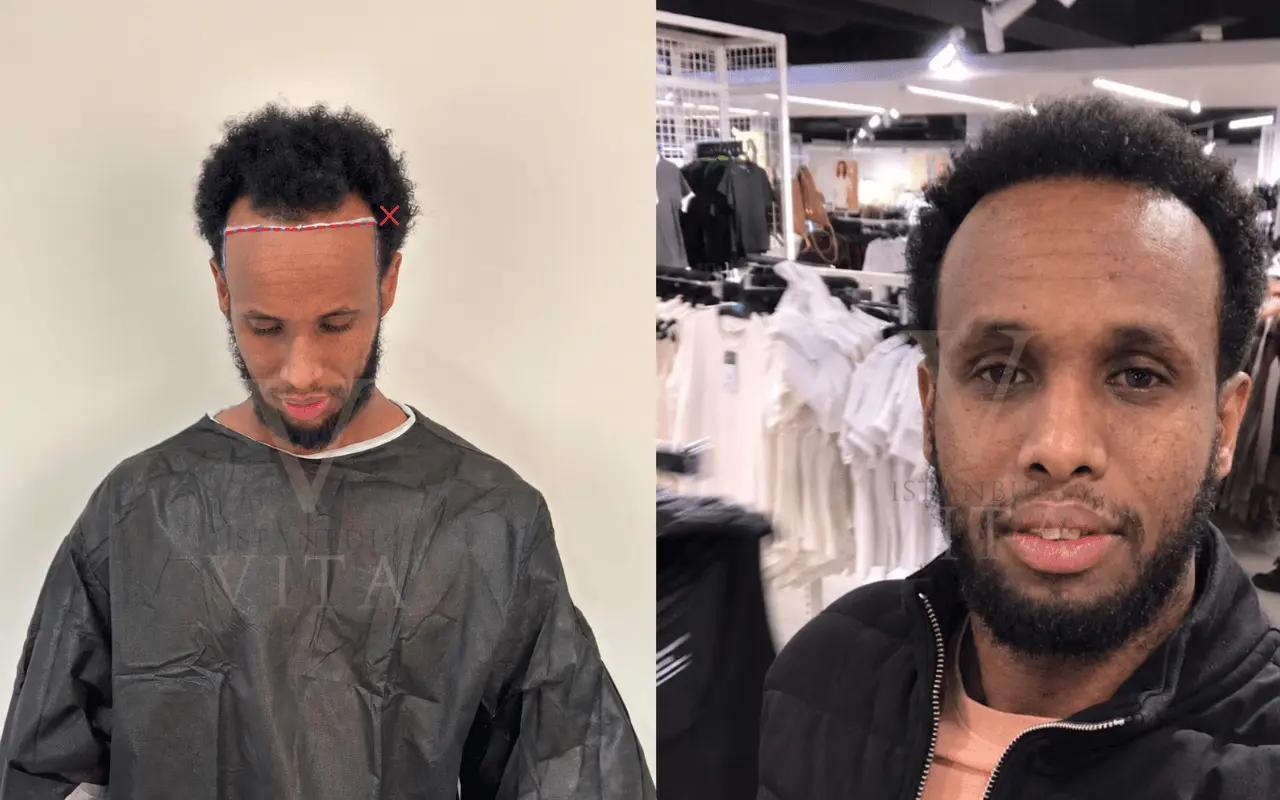
Every curl has a direction, and implanting a graft against that natural rotation is one of the most frequent afro hair transplant errors. When angle and curl direction aren't mapped correctly during extraction and reimplantation, the new hair grows in conflicting directions, creating a patchy, uneven texture instead of the dense, uniform coverage patients expect.
Graft Damage During Extraction
Afro hair transplant graft damage is closely tied to the curved follicle issue mentioned above. Tools and extraction depths designed for straighter hair textures often transect curly follicles below the skin's surface, where the damage isn't visible until growth results come in months later. By the time it shows up in the mirror, it's already too late to correct.
Hairline Mistakes That Age Poorly
Every transplant hairline usually come from a apply the genetic line template without testing for the natural growth pattern, the density expectations and the way curly hair frames the face differently than this straight here does.
A hairline that would look natural on the street hair can look stiff, drawn on and also oddly tense on textured here if the design does not account for the curl behaviour and how it will settle overtime
Poor Density Planning
Afro hair transplant poor density will result from underestimating how much curly hair visual shrinks when it goes back to its natural coil. A craft coat that looks tense on the flat surgical diagram can appear spots once the hair curl and compresses, that is why the density planning for Afro textured hair generally requires more crafts per visible centimetric as compared to the same plain would for straight here.
Why Afro Hair Transplants Fail: Clinic and Technique-Related Errors
Beyond the technical missteps above, a large share of afro hair transplant failure cases come down to who is actually performing the procedure and how the clinic is structured. Clinics that process high volumes of patients per day, hand every stage over to technicians, or have limited documented experience with textured hair are statistically more likely to produce the kind of afro hair transplant gone wrong stories you'll find in patient forums. Channel opening, the step where the recipient site is created before implantation, that is particularly sensitive for curly hair, since the angle and depth decisions made here lock in how natural, or unnatural, the final result will look months later. When this step is rushed or delegated entirely to non-physician staff, the consequences tend to surface long after the consultation promises have been forgotten.
Cost-Related Mistakes That Lead to Afro Hair Transplant Regret
Price comparison alone is one of the quieter causes of afro hair transplant failure. A package that looks like a bargain on paper often hides reduced doctor involvement, a shorter consultation, or a one-size hairline and density plan applied regardless of curl type. Hair implants priced far below market average for afro-textured cases usually mean fewer hours of physician time, not better efficiency. A transparent clinic will explain that pricing reflects the technique selected, the number of treatment days, and the level of medical staff involvement, not simply the number of grafts promised, since graft count alone says very little about how a curly hairline will actually look once it has grown in.
Common Afro Hair Transplant Recovery Mistakes
The mistakes do not stop once the procedure ends. The common afro hair transplant recovery mistakes include sleeping directly on fresh grafts in the first few nights, also using the styling products that were not cleared by the clinic, and picking at scabs out of frustration with itching, all of which can dislodge fragile new grafts before they have properly anchored. The patients with curly hair also tend to underestimate how differently their hair behaves during the post transplant shedding phase, sometimes mistaking normal shedding for a failed result and abandoning their aftercare routine far too early.
Mistakes to avoid after afro hair transplant generally come down to patience: protecting the scalp from direct sun exposure, following a specific washing protocol for the first couple of weeks, and resisting the urge to judge results before the 8 to 12 month mark, when curly grafts typically need longer to reveal their final texture, curl pattern, and density.
Have Questions? Let's Chat on WhatsApp!
Get instant answers 24/7. Receive your doctor-led hair analysis within 1 day, plus pricing and booking support.
Start WhatsApp ChatHow to Avoid Afro Hair Transplant Complications and Problems
Choosing the Right Afro Hair Transplant Clinic
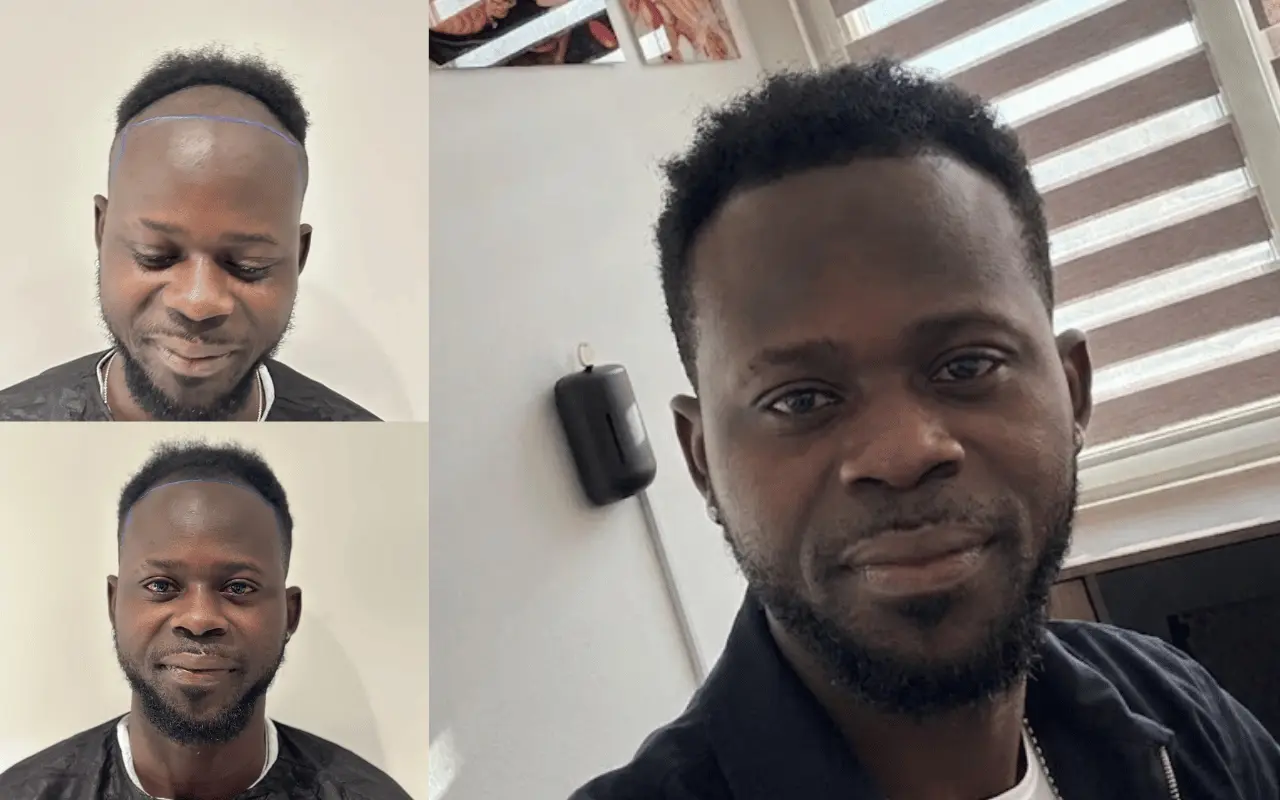
Choosing the right Afro hair transplant clinic start with asking the direct questions before booking and these questions are how many Afro textured cases has this specific team handled? Who performed the channel opening like a doctor or a technician? Can the clinic show the verified before and after results from the patient with the curly hair specifically not just a straight here cases used as the general marketing? A clinic generally confident in Afro hair transplant Turkiye results should answer all these three without any hesitation. Vague answers, rushed consultations, or reluctance to show texture-specific results are reliable warning signs worth taking seriously before committing to hair implants abroad.
How Istanbul Vita Approaches Afro Hair Transplant
Istanbul Vita has built its afro hair transplant protocols around the specific challenges outlined above. The clinic's medical team, Dr. Harun Eymen Alakaya, Dr. Mustafa Ayhan Balcı, Dr. Tuğçe Yılmaz Arslan, and Dr. Özge Miray Gültekin, they evaluate curl pattern, hairline design, donor density, and graft angle individually for every afro hair transplant case, rather than applying one fixed template across all patients.
Doctors at Istanbul Vita perform the channel opening themselves, the step most directly linked to natural-looking results in textured hair, instead of leaving it to technicians. With more than 15 years of experience in hair transplants in Turkey and a boutique model limiting the clinic to 1–3 international patients per day, every case receives 40 to 60 minutes of dedicated doctor consultation before any decision is made. Istanbul Vita holds both Turkish Ministry of Health Certification and an International Health Tourism Authorization Certificate, and has been recognized internationally, including being named Best Hair Transplant Clinic in Europe in 2023.
Getting It Right the First Time
Most afro hair transplant problems are avoidable, and almost none of them come from afro-textured hair being inherently difficult to work with, they come from clinics treating it the same way they'd treat straight hair. Understanding the curved follicle structure, donor area limits, and the curl-specific hairline and density planning involved gives you a much clearer way to evaluate any clinic you're considering, whether that's the one you already went to or one you haven't booked yet. If you're trying to make sense of disappointing results or planning your first procedure, a second opinion from a team with documented afro hair transplant experience is worth more than any price comparison.
Frequently Asked Questions
Why do afro hair transplants fail more often than straight-hair procedures?
They don't fail because of the hair type itself, they fail when the clinic applies straight-hair extraction angles, hairline templates, and density planning to curly follicles that need a different approach altogether.
How long should I wait before judging my results?
Most surgeons recommend waiting at least 8 to 12 months, since curly grafts take longer to reveal their final density and curl pattern than straight hair does.
Can a botched afro hair transplant be corrected?
In so many cases, yes the corrective work totally depends on how much donor area remains and how much the grafts damage occur at the first time, which is why a thorough evaluation with an afro experienced clinic matters most before deciding on new steps,
 conversation


