
 English
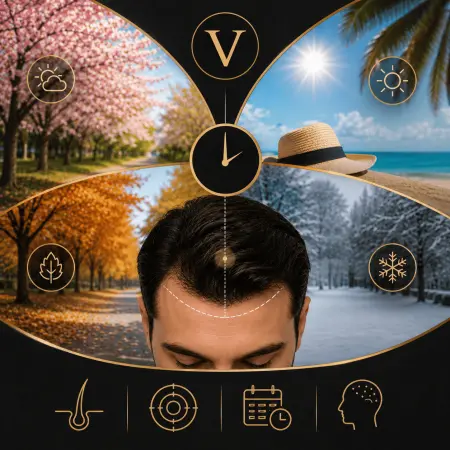
Table of Contents
Choosing the right time is one of the most important part of hair transplantation process.
Most of the patients are worrying about which season is the for better results and recovery.
A hair transplant can be performed at any time of the year successfully. However, each season results in different recovery conditions.
Some factors that might influence the level of patient's comfort during the first weeks after the surgery are hot/cold temperature and/or sun exposure and/or daily activity.
Therefore, knowledge about the seasonal differences will enable you to plan your surgery according to convenience.
Does the Season Really Affect Hair Transplant Results?
No. There is not in any way that's been medically demonstrated. Your hair follicles grow according to their own internal cycle, and that cycle doesn't check the weather forecast. Whether you're operated on in January or August, the biology behind graft survival is the same.
What changes from season to season is your environment during healing, not your biology. Freshly transplanted grafts are vulnerable for roughly the first 10–14 days: they need to avoid excessive heat, direct sun, heavy sweating, and any kind of friction or trauma. A hot, humid August makes some of those things harder to control. January is a month that is characterized by cold and dry weather, posing other issues, such as dry scalp because of the artificial heating.
Therefore, the right question should not be which season ensures the best hair transplantation, but rather which season helps you comply with the recommendations most easily.
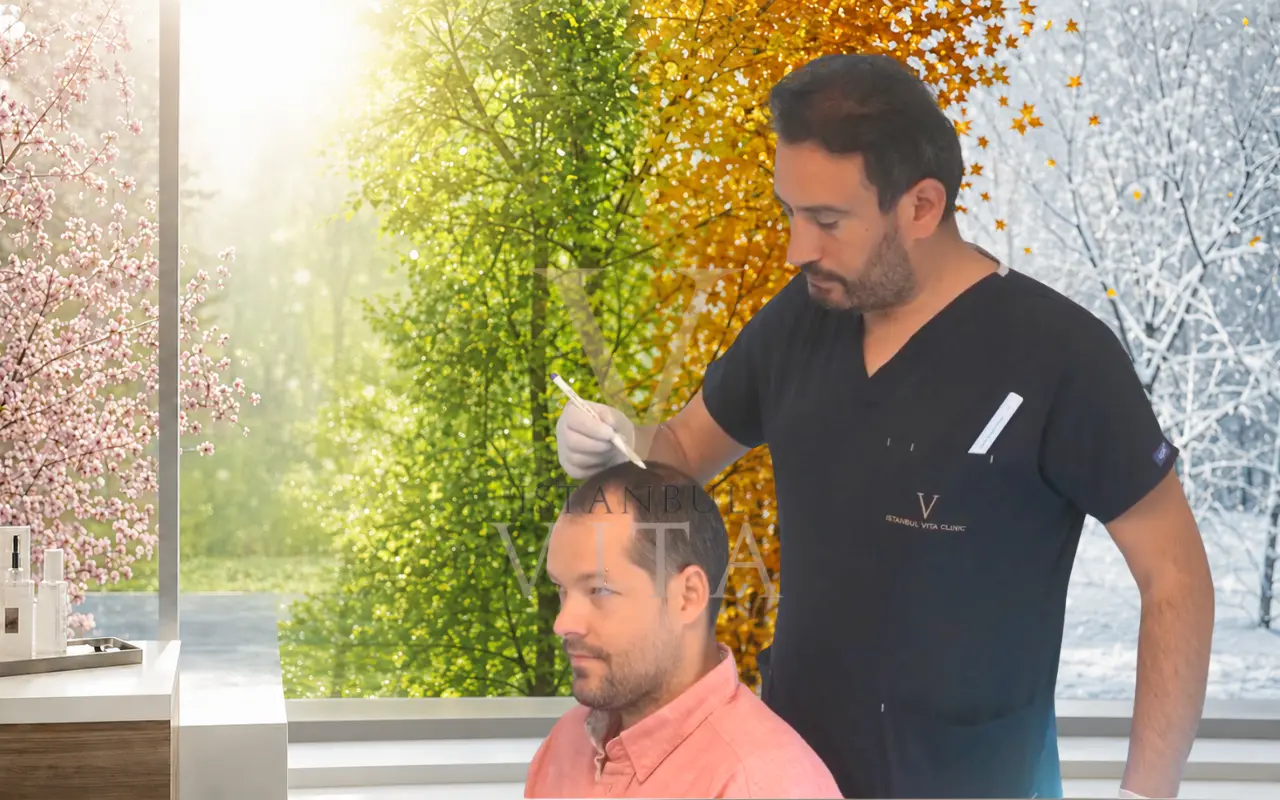
Spring: Comfortable Weather, Watch for Allergies
Spring tends to be the season patients complain about least. Temperatures sit in a comfortable middle ground, so you're not fighting heavy sweating or bundling up against the cold. Both of which can irritate the scalp during the first couple of weeks.
And there is the practical side; if your surgery takes place in the spring, then you will be sufficiently recovered before summer vacations and beach season begin. Redness and inflammation associated with transplant recovery normally resolve during this period of time.
One point that needs to be taken into consideration is seasonal allergies. If you suffer from them each year in April, when you get itching in your eyes and an itchy scalp, then it may be difficult for you not to touch the affected area, which is absolutely prohibited. If you belong to such category of people, it is important to discuss the issue with your doctor beforehand.
What works in spring's favor:
- Mild, forgiving temperatures
- Less sweating than summer
- Recovery typically wraps up before peak beach season
What to keep an eye on:
- Pollen and seasonal allergies
- More time spent outdoors, which means more sun exposure to manage
Summer: The Busiest Season
Summer is peak season at most hair transplant clinics, especially in Turkey, where a large share of patients combine the procedure with a vacation. There's an obvious appeal: you already have time off work, so why not use part of it to recover?
The tradeoff is that summer asks more of you during aftercare. The hotter it is, the more you sweat. The more intense the sunlight, the more necessary it becomes for the patient to protect the treated head from it, not in a sense of "try to spend more time in the shadow" but really avoid being exposed to the sun for at least several weeks. Pools, the ocean and all the places involving salted water or chlorine are not an option until the clinic allows you to use them because the former can cause skin irritation.
It does not make summer a wrong time to have hair transplant. It only means that aftercare process requires some more commitment on the part of the patient.
What works in summer's favor:
- Easiest season to line up with annual leave
- Convenient if you're traveling internationally for the procedure
- Plenty of downtime built into most people's summer schedules
What to keep an eye on:
- Strong sun and UV exposure
- Heat-driven sweating
- Delaying swimming and beach days longer than you might want to
Autumn: A Favorite Among Clinics
If you ask a lot of hair transplant surgeons which season they'd personally recommend, autumn comes up often — and it's easy to see why. Temperatures cool down from summer's peak, sun intensity drops, and you get a genuinely comfortable window for healing without the added stress of heavy sweat or sunburn risk.
Another aspect of autumn surgery that many patients fail to appreciate is the timing issue, since hair regrowth usually becomes noticeable only several months post-operation; therefore, performing the procedure in autumn would guarantee some tangible results during springtime, which may be particularly useful for those who plan to attend a reunion, wedding, or simply have better self-esteem at the start of a new year.
The main disadvantage is regional and concerns the weather, which might be rainy and capricious in autumn, although not from the standpoint of your health.
What works in autumn's favor:
- Comfortable temperatures for healing
- Lower sun exposure than summer
- Visible growth progress by the following spring
What to keep an eye on:
- Rain in some regions
- A busier personal schedule once summer holidays end
Winter: Ideal Season? Maybe, but There Are Alternatives
Winter has earned a reputation as being ideal for hair transplantation since the colder temperatures reduce perspiration and encourage people to stay indoors out of the sunlight. And both of these things do make a difference in early recovery.
There are still some aspects of winter that need to be considered. The tight fit of a beanie or hat worn in winter can cause undue pressure on grafts and should be avoided after hair transplant surgery. Additionally, the dry air created through indoor heating and the dry conditions of winter make moisturization more necessary in winter months.
It is really only convenient conditions that give winter such an advantage, not necessarily biological reasons.
What works in winter's favor:
- Cooler temperatures mean less sweating
- Naturally less sun exposure
- Easy to recover privately indoors
The things you need to pay attention to:
- Avoiding tight headwear early on
- Dry indoor air affecting scalp comfort
So Which Season Is Actually Best?
Honestly? There isn't one universal winner. The better way to frame the decision is around a different question:
"When will I be able to take two to three weeks off in order to heal properly?"
If your work keeps you inside all day long, then summer is just perfect for you. If you are often outside, then spring and fall are better choices. If you'd rather recover quietly with minimal social obligations, winter might suit you best. All four are medically valid, the difference is lifestyle fit, not surgical outcome.
Does Weather Really Affect Recovery?
It affects your comfort during recovery, not whether the transplant works. Hot weather can mean more sweating; cold weather can dry out the scalp. Neither one damages the grafts themselves as long as you're following your clinic's instructions.
Rain, wind, and normal seasonal temperature swings aren't something to worry about either, outside of the first few days when the scalp is at its most sensitive. Basic precautions, staying out of direct sun, keeping hydrated, sticking to the washing schedule your clinic gives you, cover almost every weather-related risk.
Planning Around Work, Travel, and Real Life
In fact, for many individuals, the scheduling issue does not involve weather conditions but rather relates to work arrangements.
Typically, a person returns to desk work within a few days; however, he or she may have redness and small scabs on the skin for up to two weeks. Of course, if you have a physically challenging or outdoor job, additional time will be required.
Before booking a date, it's worth sitting down with a few honest questions:
- Can I realistically take one to two weeks away from work?
- Is there an event coming up I'd want to look my best for?
- Am I planning a beach trip shortly afterward that I'd need to push back?
- Will I actually be able to follow the aftercare routine while traveling?
Answering these honestly tends to matter more for a smooth recovery than picking the "perfect" month ever will.
Is Turkey a Good Destination Year-Round?
Yes. Clinics in Turkey operate on every patient year-round, and experienced teams adjust their aftercare guidance to match the season — sun protection in summer, moisture care in winter, and so on.
For those wishing to combine the treatment with sightseeing, spring and fall are likely the best seasons to visit, as the climate is comfortable for recovery and traveling through the city. Summer will remain the high season for traveling, especially among patients who wish to have a holiday in addition to the treatment. Winter will provide a more relaxed atmosphere.
Season itself shouldn't be the determining factor when you decide to travel abroad for surgery. What really counts here is the choice of the right surgical team and adherence to the aftercare plan.
Simple Habits That Matter More Than the Season
However, regardless of when you have your operation done, certain practices will help you recover much more easily:
- You should avoid exposure to the sun for the first few weeks after the surgery
- You should wear loose clothes that don't brush up against your scalp
- Hold off on intense exercise until your doctor clears you
- Skip pools and the sea until healing is confirmed
- Drink enough water, especially if it's hot out
- Follow your prescribed washing routine exactly
- Show up to follow-up appointments, in person or online
These habits protect your grafts far more reliably than any seasonal timing ever could.
Frequently Asked Questions
Is winter really the best season for a hair transplant?
It's a strong option, cooler air means less sweating and sun exposure, but it's not medically superior to other seasons. Your results depend far more on aftercare than on the weather outside.
Is there a hair transplant in summer possible?
Indeed, many people opt for such procedures during summertime. You only need to take care of proper sun protection, managing excessive perspiration, and avoiding swimming until your doctor says that the procedure is fully over.
Does hot weather damage transplanted hair?
No. Exposure to heat itself cannot affect your grafts; however, exposure to sunlight and excessive sweating may make the process less comfortable for you.
Can I travel home shortly after the procedure?
Most patients who travel for treatment fly home within a few days. The clinic will guide you on when to do it and provide you with instructions on how to do it.
How long should I avoid the sun?
The general recommendation is not to be under the sun during the initial stages after surgery, which normally takes some few weeks.
Should I wait until winter to have my transplant?
Not necessarily. If you can set aside enough recovery time and stick to your aftercare plan, there's no medical reason to delay for a specific season.
Have Questions? Let's Chat on WhatsApp!
Get instant answers 24/7. Receive your doctor-led hair analysis within 1 day, plus pricing and booking support.
Start WhatsApp Chat
 conversation


