
 English

Table of Contents
Search for the hair transplant clinics and you will find and reserved before and after pictures close testimonial also the price is that is promising with thick hair in a single visit. Almost none of them tell you upfront a simple question and that is who is actually a doctor transplant and the technician one can use the same tools and the same marketing, yet they produce totally different outcomes. If you are comparing the clinics right now then this is the one we gave that will deserve more attention than the price tag.
Why the Person Behind Your Hair Transplant Matters More Than the Technique
Hair transplant marketing tends to focus on the technology and these are sapphire blades, DHI Pens, robotic extraction. The techniques matter most but they are tools not the decision-maker. A scaffold is not where your hairline should sit and does not judge how many graphs you give up over the next 20 years. Those are the medical judges and they belong to a trained physician not a technician.
This is exactly why "doctor involvement in hair transplant" has become such a common search phrase. Patients who research beyond the first page of results quickly discover that outcomes vary enormously depending on who is making the clinical calls, not just which machine is used in the operating room.
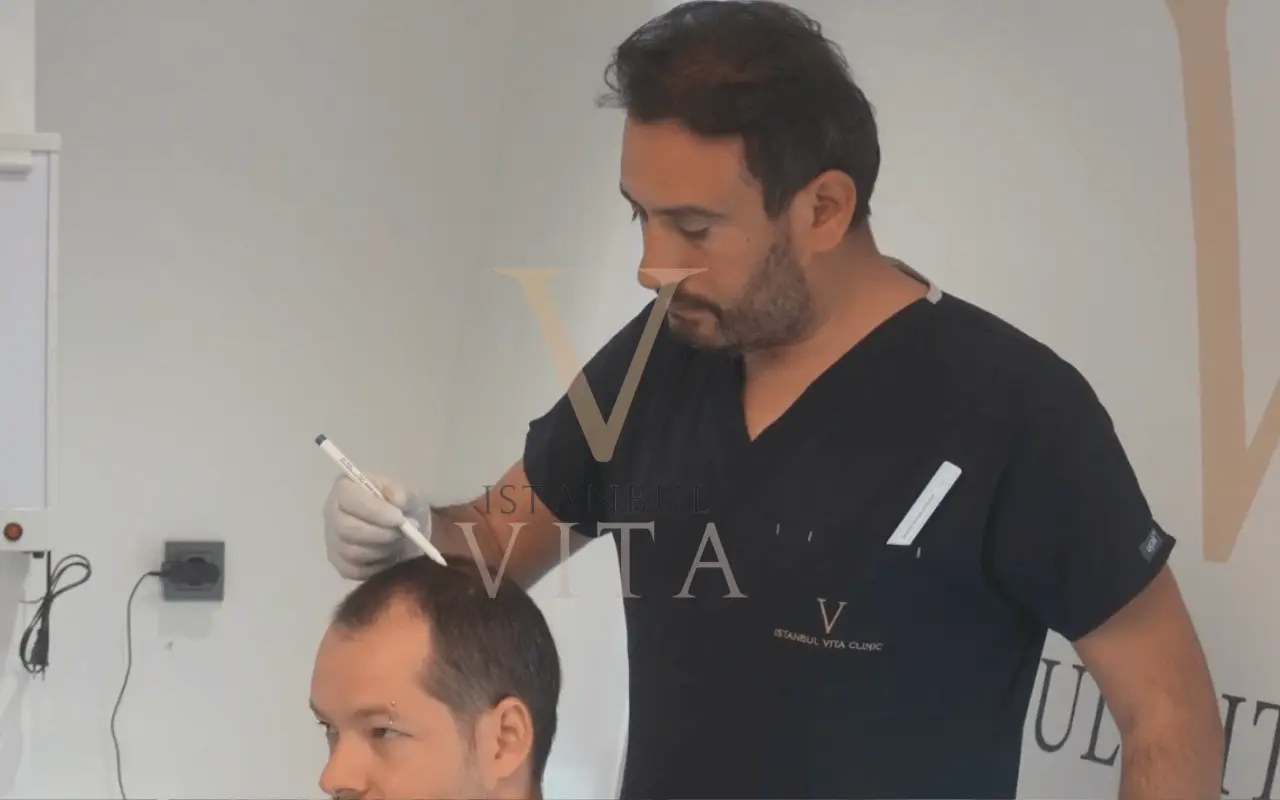
Hair Transplant Doctor vs Technician: Understanding the Real Difference
In an unregulated part of the industry, it's common for a doctor to appear briefly at the start of a procedure and then hand the rest over to technicians for the remaining six to eight hours. The technicians may be skilled at extraction and implantation, but they are not trained to manage complications, adjust a plan mid-procedure, or take responsibility if something goes wrong.
Who Actually Performs a Hair Transplant?
If you are probably running a clinic, a licensed hair transplant which is responsible for the parts of procedure that will carry the most risk and the most long-term consequences and these consequences are local and anesthesia, incision design , general and architecture. The technicians can support the extraction and the placement under the direct supervision but the medical decisions stay with the doctor from consultation through to the final follow up.
Can Technicians Legally Perform Hair Transplants Alone?
This depends heavily on where the clinic operates. In some of the countries, the process required a license position to have a director supervise the procedure. In practice, the enforcement varies and some clinics quietly rely on the technician to handle the higher patient at the lower cost. If you are comparing the options abroad this is the word asking about directly rather than assuming its standard everywhere.
How a Hair Transplant Surgeon Consultation Shapes Your Results
A real hair transplant consultation is closer to a medical assessment than a sales call. It should take into account your degree of hair loss on the Norwood Scale, the quality and elasticity of your donor area, your hair texture, and how your hair loss is likely to progress over the coming decade. None of that can be judged from a photo sent over WhatsApp.
Donor Assessment and Scalp Analysis
Donor management is one of the most overlooked parts of hair transplant planning. Extracting too many grafts too early can leave a patient with a thin, patchy donor area years later, with nothing left to correct future loss. A surgeon assesses donor density, scalp laxity, and safe extraction limits before recommending a graft count, rather than simply approving whatever number a patient requests.
Hairline Design and Facial Proportions
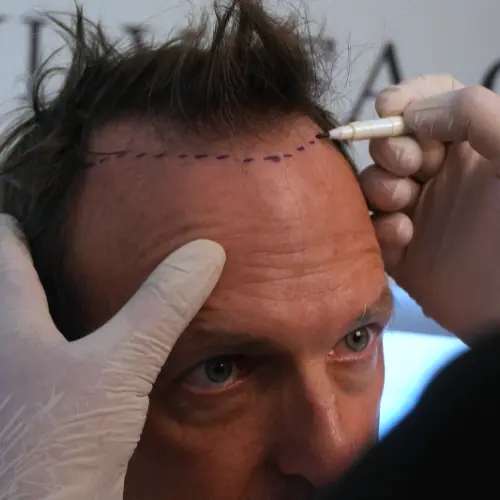
the hair line designs is one of the most searched questions among prospective patients, and for good reason. A natural-looking hairline has to respect facial proportions, age, and the direction and angle of existing hair growth. Doctors trained in hairline design account for how a hairline will look in ten or twenty years, not just immediately after healing.
Graft Allocation and Density Planning
Deciding graft placement across the hairline, mid-scalp, and crown requires balancing what's medically possible against what will still look natural if hair loss continues. This is a clinical decision, not a cosmetic preference, and it's one reason experienced surgeons often recommend a more conservative plan than patients initially expect.
How Hair Transplant Planning Actually Works, Step by Step
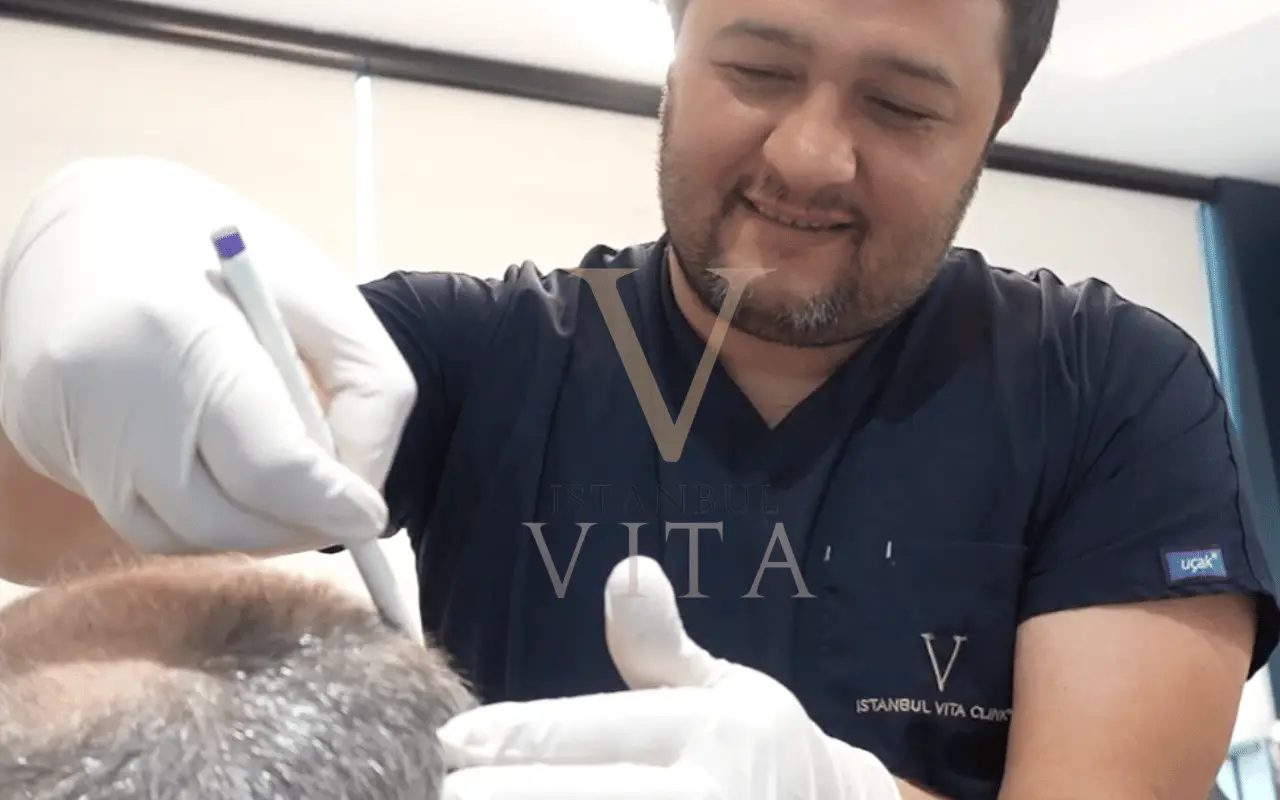
A well-run consultation typically follows a consistent structure: a review of medical history, a physical scalp examination, a discussion of expectations, a donor and recipient area assessment, and a personalized treatment plan that specifies technique, estimated graft count, and timeline. Patients should leave that conversation with a clear plan, not just a quote.
Why a Doctor Led Hair Transplant Clinic Is Raising the Bar in Turkey
Turkey's hair transplant industry has grown rapidly, and with that growth has come a wide range of quality, from highly credentialed surgical teams to volume-focused operations. Istanbul Vita is frequently cited by international patients as an example of the doctor-led model done properly. The clinic's four licensed doctors, Dr. Harun Eymen Alakaya, Dr. Mustafa Ayhan Balcı, Dr. Tuğçe Yılmaz Arslan, and Dr. Özge Miray Gültekin, remain involved throughout planning and treatment, including channel opening, rather than delegating that step entirely to support staff.
Istanbul Vita also limits itself to one to three international patients per day, with each patient receiving 40 to 60 minutes of direct doctor consultation. That boutique structure is a deliberate choice: it allows more time per patient than clinics running several procedures simultaneously in the same day.
Turkey vs USA/UK: What Changes When a Doctor Leads the Procedure
In the United States and the United Kingdom, hair transplants are almost always performed under closer physician supervision, partly due to stricter medical licensing and malpractice exposure. Prices there tend to run higher, often several times the cost of comparable procedures in Turkey. This price gap is the reason so many patients travel abroad, but it also means the burden of due diligence shifts to the patient. Verifying that a turkey acquaintance is the same level of doctorate involvement as a UK or USA practice is not optional research. This is the single factor most likely to determine if the trip is worth it or not.
You can already be facing this straight of yourself like lower cost against the reassurance of family medical oversight. The earnest answer is that both can coexist but only at clinics that are transparent about who is actually performing the procedure.
Have Questions? Let's Chat on WhatsApp!
Get instant answers 24/7. Receive your doctor-led hair analysis within 1 day, plus pricing and booking support.
Start WhatsApp ChatHow to Verify a Hair Transplant Doctor Before You Book
Before committing to any clinic, there are a few checks go along way. Make sure to ask directly if a licensed doctor performed the opening and supervise the full procedure or not just the consultation. Also ask for the treatment doctor's name and credentials in writing. Check whether the official certification or not in Turkiye it is issued by the Ministry of health licensing. Look at the independent review platform rather than the clinic on website and pay attention to the reviewers that mentioned a generic medical team name.
Istanbul Vita, for example, holds both Turkish Ministry of Health Certification and an International Health Tourism Authorization Certificate, and has been recognized by outlets including Forbes, USA Today, and The Guardian. Details like these are verifiable and worth checking for any clinic you're considering, not just this one.
Questions Worth Asking During Your Hair Transplant Consultation
A short list can save months of regret later: Which doctor will perform my procedure, and will they be present throughout? How many grafts do you recommend, and how did you calculate that number? How will my hairline be designed, and can I see examples from patients with similar features? What happens if I need a second session years from now? A clinic confident in its process will answer these without hesitation.
The Bottom Line
A hair transplant is a long-term medical decision, not a one-day cosmetic errand. The technique and technology matters but only work as well as the person directing them. The book anywhere, make sure to ask who your doctor actually is, how involved they will be and if the clinic is willing to put that in writing. Choosing a doctor lead hair transplant clinic Vita means that the question is welcomed rather than avoided and that willingness is often the signal of quality you will find before you ever step into the clinic
Frequently Asked Questions
Who should perform a hair transplant?
A licensed physician trained in the air restoration should let the procedure, including anesthesia, incision and general opening. The technician can assist under the doctor supervision, but the final medical decision should stay with the doctor.
Why does doctor consultation matter before a hair transplant?
The consultation is where the owner capacity, hairline design and the realistic expectations are established. Skipping a thorough consultation is one of the most common reason that patient ended up with the unnatural results.
Who decides graft placement and density?
The treating doctor, based on scalp analysis, assessment and how the hair loss is expected to progress over time.
What does a hair transplant surgeon actually do during the procedure?
Beyond the visible extraction and implantation steps, the surgeon manages anesthesia, designs the hairline, opens recipient channels, and makes real-time adjustments if the plan needs to change.
 conversation


