
 English
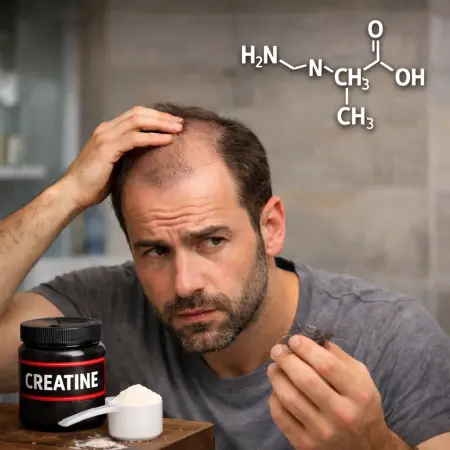
Table of Contents
Creatine is among the most commonly used dietary supplements globally. Many athletes, bodybuilders, and active individuals rely on it to boost their strength, power, and performance during training. While creatine has been used safely for many years, there are still discussions happening about a potential link to hair loss that some folks remain anxious about.
At IstanbulVita, hair loss evaluation is approached through medical, hormonal, genetic, and lifestyle-based analysis. One of the most common questions raised by patients—particularly those with a family history of male pattern baldness—is whether creatine supplementation can trigger or accelerate hair loss. Understanding this topic requires separating scientific evidence from speculation.
What Is Creatine?
Creatine is an organic compound that contains nitrogen and is made naturally in our bodies using three amino acids: arginine, glycine, and methionine. The liver, kidneys, and pancreas are the primary sites for this production. After it's created, creatine is sent through the bloodstream to areas that require a lot of energy, especially when those energy needs fluctuate.
Approximately 95% of creatine stores are located in skeletal muscle, while the remaining portion is distributed in the brain, heart, and other organs. This distribution reflects creatine’s essential role in cellular energy metabolism.
Natural Dietary Sources of Creatine
You can find creatine in several foods, especially those that are animal-based, including:
- Red meat
- Poultry
- Fish
People who stick to vegetarian or vegan diets usually have lower levels of creatine in their bodies. This is why they might notice the benefits of supplementation more than others.
What Is Creatine Used For?
Athletic Performance and Muscle Strength
Creatine is primarily known for boosting performance in short, intense physical exercises. Some of the most impressive benefits are:
- Increased strength in your muscles
- Better power output
- A larger capacity for training volume
- Growth of lean muscle mass
These benefits make creatine particularly effective for resistance training, sprinting, and other explosive athletic pursuits.
Medical and Therapeutic Use
Creatine has been researched in a variety of medicinal settings, including:
- Neuromuscular diseases
- Muscle-wasting disorders
- Parkinson’s disease
- Multiple Sclerosis
- Cardiac rehabilitation
- Some neurological and cognitive problems.
All in all, creatine is considered one of the safest supplements when taken at the recommended clinical doses.
How Does Creatine Work in the Body?
ATP Production and Energy Availability
Creatine hangs out in our muscle cells as phosphocreatine, and it plays a vital role in quickly replenishing adenosine triphosphate (ATP)—the primary energy source for our cells. When we do high-intensity workouts, our ATP levels quickly drop. That's when phosphocreatine comes into play, contributing a phosphate group to help renew ATP fast. This allows our muscles to maintain peak performance during short, intense bursts of activity.
Cell Hydration and Muscle Volume
Creatine works by increasing the water content of your cells, a process known as cell volumization. This is crucial for anabolic signaling and helps with muscle growth. It's worth mentioning that this water retention is confined to the muscle cells and has no direct influence on the scalp or hair follicles.
Does Creatine Cause Hair Loss?
From a scientific and clinical standpoint, there is no conclusive evidence demonstrating that creatine directly causes hair loss. Although the topic is frequently discussed, the concern is largely based on theoretical hormonal pathways rather than strong clinical data.
Hair loss mainly comes down to genetics, how sensitive your hormones are, and the overall health of your scalp. Although creatine sometimes gets linked to dihydrotestosterone (DHT), the latest research doesn’t really support the idea that it raises DHT levels enough to cause hair loss by itself. Even with supplements, those who are genetically predisposed to androgenetic alopecia may experience hair thinning naturally.
In many cases, the hair loss some individuals report after starting creatine is just a short-term effect. It's usually connected to factors like heightened training intensity, physical stress, or changes in diet, rather than the creatine itself. Overall, the evidence doesn't really show a direct cause-and-effect relationship between creatine and hair loss.
Understanding Hair Loss Mechanisms
The Hair Growth Cycle
Hair follicles have three primary phases:
- The first is the Anagen phase, which is the growing period that can last between two and seven years.
- Following that comes the Catagen phase, which is a brief transition period lasting around 2 to 3 weeks.
- Finally, the Telogen phase lasts approximately three months and allows the follicles to rest and lose hair.
If anything disrupts this cycle, it might cause visible shedding or thinning of hair.
Common Types of Hair Loss
- Androgenetic alopecia (genetic and DHT-related)
- Telogen effluvium (stress-related and temporary)
- Alopecia areata (autoimmune)
- Mechanical or traction alopecia
Claims linking creatine to hair loss must be evaluated within this diagnostic framework.
Creatine, DHT, and Hair Loss
Dihydrotestosterone, commonly known as DHT, is a strong androgen that’s produced from testosterone with the help of the enzyme 5-alpha reductase. DHT is vital for male sexual development and the characteristics that come with it.
For those who are genetically inclined, DHT binds to androgen receptors in the hair follicles on the scalp, which can trigger a gradual miniaturization of the follicles. This results in shorter growth cycles and, eventually, hair thinning. This whole process is what leads to androgenetic alopecia.
The 2009 Rugby Study and Scientific Interpretation
The notion that creatine could cause hair loss is primarily based on a 2009 study that looked at male rugby players. This research monitored 20 participants for three weeks as they adhered to a creatine loading and maintenance plan.
According to the study, DHT levels increased, while total testosterone did not. Nonetheless, there are a few significant constraints to consider. For starters, the sample size was fairly tiny, and DHT levels remained within the normal physiological range. They also didn’t measure free testosterone or look into hair loss or the condition of the hair follicles. On top of that, there was no long-term follow-up conducted.
Follow-up research has not confirmed these findings. Subsequent research found no persistent rise in DHT, no significant hormonal changes, and no direct evidence linking creatine consumption to hair loss. Overall, the present scientific evidence does not support a causal link between creatine and hair loss.
Can Creatine Accelerate Hair Loss in Some Individuals?
While creatine itself doesn't directly lead to hair loss, it can sometimes play a role in noticeable hair shedding, particularly when other factors come into play. This is something to keep in mind for those who might be affected, especially individuals who:
- A genetic predisposition to androgenetic alopecia.
- Initial signs of follicle shrinkage.
- A scalp that’s overly sensitive to dihydrotestosterone (DHT).
- Continuous or increasing hair loss.
In these cases, creatine does not initiate hair loss. Instead, it may coincide with the natural progression of genetically driven thinning, making hair shedding more noticeable. There is no scientific evidence that creatine accelerates or causes hair loss in people who are not genetically vulnerable or hormonally sensitive.
How Fast Does Creatine Cause Hair Loss?
There's no set timeline for this because creatine itself doesn't directly lead to hair loss. Instances of hair shedding typically show up around 4 to 8 weeks in, and they’re more likely linked to telogen effluvium, which can be triggered by factors like training stress, not eating enough, dehydration, or lack of sleep.
Creatine Side Effects and Hair Loss
Creatine is one of the most thoroughly studied dietary supplements out there, and it's generally seen as safe when taken in the recommended amounts. The side effects that people often talk about are generally mild, short-lived, and unrelated to hair health. When diving into creatine supplementation, there are a few side effects that tend to pop up frequently, including:
- Gastrointestinal discomfort like bloating, stomach cramps, or diarrhea, particularly during the loading phase.
- You may experience a brief increase in weight, largely from water retention in your muscle cells.
- This can create a sensation of fullness or even some minor swelling.
- If you’re not properly hydrated, you might deal with muscle cramps.
- Dehydration or an electrolyte imbalance is often the culprit behind headaches.
It’s crucial to understand that hair loss isn’t usually recognized as a typical or confirmed side effect of creatine. Thorough studies and long-term clinical evidence haven’t pinpointed creatine as a direct cause of hair shedding, follicle damage, or lasting hair loss. When you start to notice your hair thinning while taking creatine, it’s often tied to genetic factors, how your body responds to androgens, nutritional deficiencies, or other hormonal changes, rather than the supplement itself.
Is Hair Loss From Creatine Permanent?
Current medical research shows that any hair shedding linked to creatine use is usually just a temporary issue. Once the stress factors that contribute to it are addressed, hair regrowth generally happens. Permanent hair loss is only seen in cases driven by genetic factors.
Clinical Observations: Creatine Hair Loss Before and After
Clinical evaluations do not reveal a consistent creatine-specific hair loss pattern. Many people experiencing hair loss are likely already showing early signs of androgenetic alopecia. Stopping creatine on its own usually doesn’t change the long-term results.
Reducing Hair Loss Risk While Using Creatine
Although there’s no clear evidence that creatine leads to hair loss, people who are worried about hair shedding—especially those with a genetic tendency—can take some simple steps to lower any potential risks and keep their hair healthy. It’s best to stick to a daily dose of 3 to 5 grams and to avoid heavy loading protocols unless a medical professional advises you otherwise. A normal maintenance dose is usually sufficient to improve performance while reducing additional pressure on your body.
Ensure adequate hydration
Creatine increases intracellular water retention in muscles, which raises overall fluid requirements. Staying hydrated is crucial because dehydration can harm your scalp circulation and the health of your hair follicles. Make sure to drink enough water every day!
Avoid excessive training stress
Overtraining can elevate cortisol levels, disrupt hormonal balance, and contribute to telogen effluvium (stress-related shedding). Getting enough rest and recovery is crucial for keeping both your muscles and hair in great shape.
Monitor scalp and hair changes if there is a family history of hair loss
For those who are genetically inclined to androgenetic alopecia, it's important to regularly monitor your hair density, how much hair you're shedding, and the condition of your scalp. Catching any changes early can lead to effective preventive actions.
Support hair health through nutrition
If you’re noticing increased hair shedding, speaking with a healthcare professional or hair specialist can be helpful. They can identify whether the cause is genetic, hormonal, or lifestyle-related, rather than assuming it’s due to creatine use.
Consider professional guidance if shedding increases
If you have noticeable hair loss, consult a healthcare expert or hair specialist to evaluate whether the cause is genetic, hormonal, or connected to lifestyle factors rather than creatine.
Have Questions? Let's Chat on WhatsApp!
Get instant answers 24/7. Receive your doctor-led hair analysis within 1 day, plus pricing and booking support.
Start WhatsApp ChatSupportive Hair Loss Treatments
When hair shedding becomes noticeable, supportive treatments may help maintain follicular health and slow progression, especially in early or mild cases. These approaches aim to improve scalp circulation, extend the hair growth phase, and support existing follicles, but they do not replace proper medical diagnosis or address the underlying cause of hair loss.
Topical minoxidil
Minoxidil is a clinically authorized topical treatment that helps to keep hair follicles in the growth phase for a longer period. If you use it regularly, it can help decrease shedding and support the growth of thicker hair, particularly in the early stages of androgenetic alopecia.
Microneedling
By creating small, controlled injuries on the scalp, microneedling stimulates collagen production and boosts blood flow. This process not only improves the absorption of topical treatments like minoxidil but also promotes overall follicular health.
Low-level laser therapy (LLLT)
Low-level laser therapy utilizes targeted wavelengths of light to stimulate activity in hair follicles. This approach may aid in enhancing scalp circulation, reducing inflammation, and increasing hair density for some people.
Although these approaches can help to preserve hair health, their greatest success comes when they are integrated into a specific treatment plan based on a clinical assessment, rather than employed in isolation.
When Is Hair Transplantation Considered?
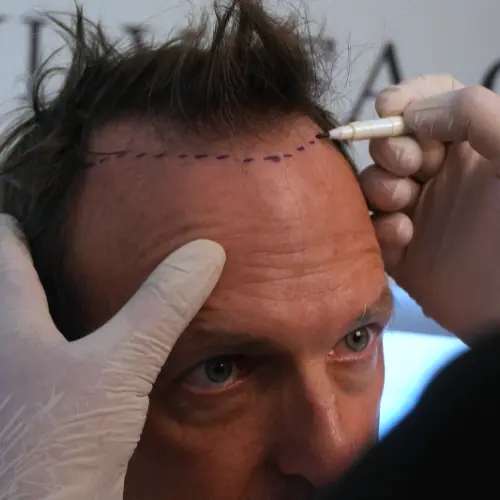
Hair transplantation is usually considered when someone is dealing with advanced or progressive androgenetic alopecia, especially when other medical treatments just aren't cutting it anymore. It's crucial to keep in mind that this surgical option shouldn't be your first choice; it should only come into play after a thorough evaluation. At IstanbulVita, we take great care in planning hair transplantation by performing a detailed clinical analysis.
This process involves looking closely at the scalp, evaluating the donor area, and forecasting potential long-term hair loss. Our main goal is to achieve a natural and lasting result that takes into account the patient’s future hair loss, rather than just providing a quick cosmetic fix. We tailor each treatment plan to the individual, making sure to maintain donor capacity and optimize graft distribution for long-term success.
Final Medical Perspective
Creatine does not directly cause hair loss. There's no solid scientific proof that creatine supplementation causes permanent damage to hair follicles. In fact, genetics play a much bigger role in hair loss. A lot of the reports about people experiencing hair shedding after starting creatine are usually just temporary issues or mere coincidences. Instead of steering clear of supplements based on hearsay, it’s way more beneficial to seek a proper diagnosis and get a tailored assessment.
Frequently Asked Questions About Creatine Hair Loss
Does creatine cause hair loss?
Current scientific research actually doesn't back up the claim that creatine causes hair loss. In reality, most studies indicate there's no strong link between creatine use and the risk of permanent hair shedding or damage to hair follicles.
Can creatine cause hair loss in some individuals?
Creatine itself doesn’t cause hair loss, but for those who are genetically predisposed to androgenetic alopecia, you might notice some hair shedding when using it, thanks to existing hormonal sensitivities.
Does creatine monohydrate cause hair loss?
There is no clinical evidence proving that creatine monohydrate causes hair loss. It is one of the most studied supplement forms and is generally considered safe when used correctly.
How fast does creatine cause hair loss?
Creatine does not have a defined timeline for causing hair loss because it is not a direct trigger. Any shedding noticed within weeks is more likely related to stress, training intensity, or temporary telogen effluvium.
Does creatine lead to permanent hair loss?
Nope, creatine hasn’t been shown to result in permanent hair loss. Typically, any long-term thinning you might experience is linked to genetics, not to the supplements you take.
 conversation


