
 English
Table of Contents
Selecting the wrong clinic to go through your hair transplant procedure can be the cause of more problems than just the end result. Any bumps, rashes, or an appearance of what looks like an ingrown hair during the time you are recovering from the procedure could make you feel as though there is definitely something wrong. Some have even tried removing the ingrown hair on their own because they believe this is going to fix their problem.
Several stages of scalp recovery usually follow hair follicular unit extraction (FUE). What looks like an ingrown hair may simply be part of the normal healing process rather than a complication. In some cases, however, it does require proper ingrown hair treatment, but not necessarily ingrown hair removal. Understanding the distinction between the two can enable you to safeguard your investment and help with the process of recovery after the hair transplant surgery.
Understanding how ingrown hair occurs after hair removal or hair transplantation, and whether or not you should remove them yourself or let them be is important to avoid making common mistakes after the procedure.
Is Ingrown Hair After a Hair Transplant Normal?
Yes, ingrown hairs can be a quite frequent minor complication for the first two or three months following an FUE or DHI hair transplant procedure.
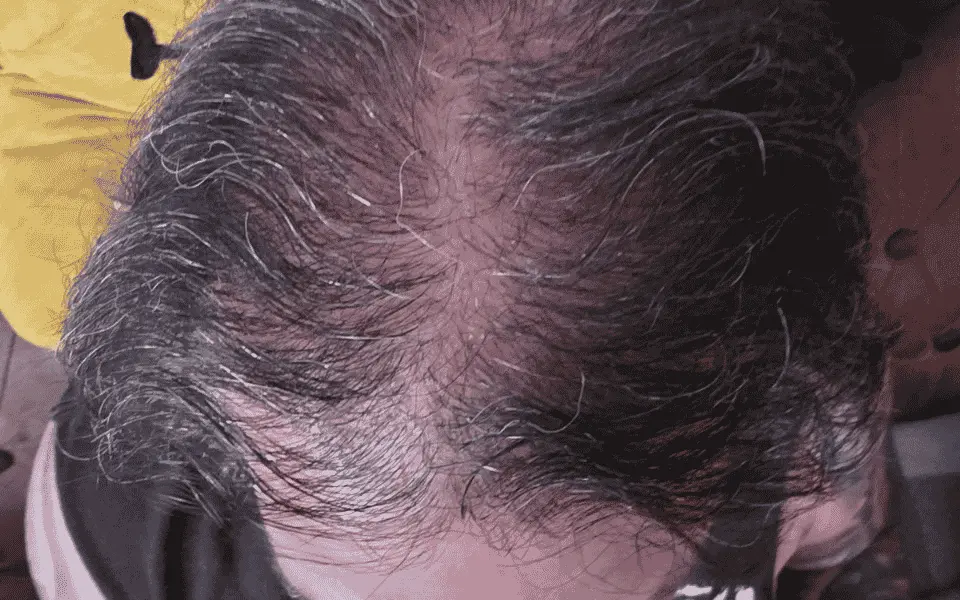
This problem occurs since the newly transplanted hairs must first grow through the healing tissue before reaching the surface. Sometimes, the hair starts curling under the skin rather than growing out, forming a small lump.
Ingrown hairs aren't exclusive to hair transplants these lumps may appear in the case of shaving and other hair removal techniques, as well. However, as the scalp continues to heal from the transplant, these lumps become more apparent, making people think something is wrong with their grafts.
Most often, the ingrown hair will resolve on its own within a week or two. What's dangerous about these lumps is not their presence but attempting to get rid of them too early.
What Actually Causes Ingrown Hair After FUE or DHI Hair Transplant
Several factors combine during healing to make ingrown hairs more likely after a transplant than after a regular shave.
Scab and dead skin buildup: Tiny crusts form over each graft site in the first 10 days. If they aren't cleaned gently, they can trap the emerging hair underneath.
Curved hair growth angl: Hair follicles taken through follicular unit extraction can be transplanted at an angle that differs from the original angle at which they were found on the scalp; this can promote the growing hair strand to curl into the scalp.
Tight headwear or friction: Contact from hats, helmets, or even pillowcases during the early stages may cause the growing hair to grow sideways rather than allowing them to grow upwards.
Poor post-op hygiene: Neglecting the washing process in the clinic leads to blocked follicles due to excess oil, sweat, and other products used on the head, resulting in ingrown hairs.
Touching or scratching the scalp: It is the number one avoidable reason. The fingers are covered in bacteria, and scratching interferes with the follicle's healing process.
Starting new products too early: Introducing minoxidil, serums, and styling products before being permitted by the clinic irritates the follicles, leading to curly hair growth.
It isn't only the recipient area, either. The donor zone typically the back and sides of the scalp, where follicular unit extraction removes the grafts gets shaved closely and can develop its own ingrown hairs as the cut stubble regrows. Patients end up worrying about the transplanted region only and fail to realize that the donor region also requires careful post-operative treatment.
However, it was observed in clinical hair restoration literature that folliculitis-like bumps, including ingrown hairs, occur in a significant number of patients within the initial 8 weeks following an FUE, and almost all the cases tend to heal completely with basic hygiene measures and do not affect grafts' survival at all.
Ingrown Hair vs. Normal Healing vs. Infection: How to Tell the Difference
Patients often can't tell whether what they're seeing is a normal scab, a harmless ingrown hair, or the start of an infected ingrown hair cyst. The table below breaks down the difference.
| Sign | Normal Healing Scab | Ingrown Hair Bump | Infected Ingrown Hair |
|---|---|---|---|
| Color | Dark red to brown | Pink or red | Red with yellow/white center |
| Texture | Flat, crusty | Small, raised bump | Raised, warm, tender |
| Pain level | Mild itching only | Mild to moderate | Increasing pain |
| Discharge | None | None or clear fluid | Pus or cloudy fluid |
| Fever | No | No | Sometimes |
| Typical timeline | Falls off by day 10–14 | Resolves in 1–2 weeks | Worsens without treatment |
| Action needed | Leave alone, gentle wash | Warm compress, no picking | Contact your clinic same day |
If you're ever unsure which column applies to you, that uncertainty alone is a good enough reason to send a photo to your clinic's aftercare team rather than guess.
One more distinction worth knowing: bumps in the donor area usually look and behave slightly differently than bumps in the recipient area, simply because the skin there is undamaged by incisions and heals faster. A donor-area bump that lingers past two weeks is more likely to be ingrown hair from shaving regrowth than anything related to the surgery itself, which generally makes it the easier of the two to treat at home.
Ingrown Hair Extraction and Removal: What Actually Works
When a bump doesn't clear on its own, the right approach depends on severity and it is almost never self-extraction with tweezers or a needle at home.
For mild, isolated bumps: A warm, damp compress held against the area for 10–15 minutes, two to three times a day, softens the skin and helps the trapped hair surface naturally. This is the first step suggested by Cleveland Clinic’s health library in case of ordinary ingrown hairs, and it is no less applicable to transplant-related pimples. Gently cleaning the site using the mild soap recommended by your clinic, but not your usual shampoo, will help keep it clean and avoid irritation.
For persistent bumps: A doctor may use a sterile, fine instrument to gently lift the hair tip without disturbing the graft beneath it. This professional ingrown hair extraction is precise, quick, and carries far less scarring risk than a patient attempting it at home with unsterilized tools. This is the standard ingrown hair removal procedure clinics use once home care alone hasn't resolved a bump after a week or so.
For a deep ingrown hair or an infected ingrown hair cyst: This needs medical evaluation. The procedure can be performed by the clinician under sterile conditions and, if necessary, some topical or oral medication can be prescribed. Removal of deep ingrown hairs that have curled far into the skin cannot be easily determined by sight, which is precisely the reason that it should not be done without first having the condition confirmed by the clinician. Self-treating an infection with random over-the-counter products can mask symptoms while the infection spreads.
What never helps: popping, squeezing, scratching with fingernails, or applying alcohol-based products directly onto an open bump. Each of these increases the odds of scarring, which unlike the ingrown hair itself can be permanent.
This is exactly why treatment planning under doctor supervision matters so much in the weeks after surgery. A clinic that reviews your healing photos and answers aftercare questions in real time can usually solve an ingrown hair before it becomes anything worse.
How the Right Transplant Technique Lowers Ingrown Hair Risk From the Start
Not all extraction and implantation methods carry the same risk. The angle, depth, and tools used during the procedure all influence how easily each transplanted hair can grow through the skin during recovery.
| Factor | Standard FUE | DHI | Sapphire FUE |
|---|---|---|---|
| Channel creation | Steel blade | Choi implanter pen | Sapphire blade |
| Incision precision | Good | Very good | Very high |
| Healing speed | Standard | Fast | Often faster because of reduced tissue trauma |
| Graft angle control | Operator-dependent | High | High |
| Hair exit path | Good | Very good | Very good |
Smaller, cleaner incisions made at the correct angle give each transplanted hair a straighter path through the skin. This reduces the likelihood of the hair curling beneath the surface during healing and forming an ingrown hair.
The technique itself is only part of the process, though. Proper planning before the procedure plays an equally important role. At Istanbul Vita, every treatment begins with Vita Technique® a personalized planning protocol based on microscopic donor analysis, graft classification, natural hairline design, and individualized graft placement. Rather than being a separate hair transplant method, Vita Technique® helps determine the most suitable placement angle, density, and distribution of each graft before surgery begins. Depending on the patient's needs, this planning can be applied to Sapphire FUE, DHI, or a combination of both when clinically appropriate.
A well-planned procedure also depends on the time and attention devoted to each patient. Clinics that perform a limited number of procedures each day can often focus more carefully on graft angle, spacing, and placement. These details help transplanted hairs emerge naturally during healing and may reduce unnecessary post-operative bumps and irritation.
When to See a Doctor: Red Flags You Shouldn't Ignore
For most cases of ingrown hair, time and patience are the only treatments required. Seek medical attention immediately if you observe:
- Swelling that keeps growing after day 3–4
- Pus, foul odor, or a cyst that feels warm to the touch
- Fever or chills alongside scalp symptoms
- Pain that worsens instead of improving
- Bumps that haven't resolved after two to three weeks
None of these are emergencies in most cases, but all of them warrant a same-day message to your clinic rather than a wait-and-see approach.
How Istanbul Vita Helps Reduce Ingrown Hair Risk
Ingrown hair after a hair transplant procedure is perhaps one of the most misunderstood parts of the recovery process. It's common, it's usually minor, and in most cases, it simply takes patience and proper aftercare to resolve.
Sometimes, the determining factor isn't even the hair transplant method itself. The quality of treatment planning and the support patients receive throughout the recovery process can be just as important. At Istanbul Vita, planning a hair transplant involves much more than simply choosing a technique. The clinic uses Vita Technique®, a personalized treatment planning approach that evaluates each patient's donor area and helps the surgical team determine how grafts should be distributed based on their characteristics.
Whether you're recovering from a hair transplant or planning one, you can reach the Istanbul Vita team through the contact page for a personalized assessment and answers to your questions.
Frequently Asked Questions
Does Having an Ingrown Hair Mean That Your Transplant Density Is Lowered?
Absolutely not. In fact, having an ingrown hair does not affect transplant density as long as the affected hair eventually gets out and starts growing again.
Have Questions? Let's Chat on WhatsApp!
Get instant answers 24/7. Receive your doctor-led hair analysis within 1 day, plus pricing and booking support.
Start WhatsApp ChatIs It Ok to Apply Minoxidil to an Ingrown Hair?
It is not recommended to do this unless your doctor has prescribed you this procedure. Applying minoxidil can cause irritation in the healing area and increased sensitivity of the current lumps.
Are Some Hair Types More Likely to Get Ingrown?
There is some possibility for that. People who have naturally curly or rough hair can get more ingrown hairs because the hair itself can bend towards the skin surface.
Will an Ingrown Hair Cause Any Scar after the Transplantation?
Usually, no, but there is a possibility of scarring in case of repeated irritating procedures (picking, squeezing, scratching).
 conversation


