
 English
Table of Contents
In today’s world, hair transplant procedures done in Turkey have become one of the highly discussed topics among international patients. People with hair loss problems are increasingly traveling abroad in search of quality hair restoration services, hair root analysis, and more personalized care for achieving natural-looking results. As the popularity of turkey hair transplant procedures continues to grow, patients seek to get information about the techniques involved, recovery process, turkey hair transplant cost, grafting strategies, and other issues associated with the procedure. As each individual patient will have their own expectations, problems with hair loss, and goals that can be achieved through the procedure, the process should be thoroughly understood by all patients.
General Questions About Hair Transplant in Turkey
Patients who are considering a hair transplant in Turkey often have questions about the overall process before making a decision. From treatment safety and suitable candidates to different hair loss patterns and expected results, understanding the basic aspects of turkey hair transplant procedures may help patients feel more informed before starting their hair restoration journey.
Why is Turkey popular for hair transplant?
Turkey has emerged as one of the favorite locations for hair restoration surgeries during the last decade. Many international patients prefer Turkey hair transplant treatments due to the availability of a competent team of doctors, modern hair transplant methods, individualized treatment plan, and comparatively low costs than several other countries. Clinics providing hair transplant Turkey have an additional benefit for patients traveling from abroad by offering all-round facilities starting from consultation until after surgery care. The use of a wide variety of hair transplant techniques and methods is yet another reason why people opt for hair transplant in Turkey. Starting from the analysis of the hair roots to designing the treatment plan, many people opt for Turkey due to comprehensive treatment and natural look.
Is hair transplant in Turkey safe?
It is believed that hair transplantation in Turkey could be considered safe when carried out in a professional medical facility by qualified professionals. In view of the fact that there has been a significant increase in the popularity of hair transplant surgery in Turkey, many patients examine the safety conditions, medical experience, and procedures involved before going ahead. Many things including hygiene in the medical center, the role of doctors, examination of hair roots, donor area preparations, and post-operation care could be very crucial here.
Many people who choose to undergo hair transplant surgery in Turkey are encouraged to conduct some research into different aspects of the procedure before making a decision.
Who is a good candidate for hair transplant in Turkey?
People who experience hair loss due to different reasons may be considered suitable candidates for hair transplant in Turkey. In many cases, individuals with sufficient donor hair, healthy scalp condition, and realistic expectations regarding the results are more likely to benefit from the procedure. Patients experiencing receding hairline, crown thinning, or different stages of hair loss often seek Turkey hair transplant procedures as a long-term hair restoration option.
Before planning the procedure, many clinics usually perform hair root analysis and donor area evaluation in order to understand the patient’s hair structure, hair loss pattern, and graft capacity. Since every patient may have different expectations and treatment goals, the suitability for hair transplant Turkey procedures may vary from person to person.
Can women get hair transplant in Turkey?
Ladies experiencing hair thinning or hair loss might also be eligible for hair transplantation in Turkey in certain cases. There are various factors that contribute to female hair loss such as genetics, hormone fluctuations, stress, underlying illness, or prior treatments. This is why many clinics conduct a thorough examination of the patient’s scalp condition, donor region, and hair loss pattern before planning the procedure.
Turkey hair transplantation for ladies is mostly done considering the individual’s hair characteristics, density, and desired results from the treatment. In most cases, an analysis of hair roots and treatment plans might provide valuable information on the eligibility of the patient for the treatment as well as the most suitable technique.
What types of hair loss can be treated with hair transplant?
Hair transplant surgeries can be used for various types of hair loss depending on the condition of the donor site and scalp health of the individual concerned. Many individuals who have experienced issues such as receding hairlines, crown thinning, patches of baldness, or hair thinning will often think about hair transplant in Turkey as a possible solution.
Prior to any hair transplant surgery planning, hair root analysis is commonly done by many clinics in order to determine the pattern of hair loss, quality of hair grafts, and how much hair can be taken from the donor sites. Not all hair loss conditions develop in the same way; thus, the treatment plan for Turkey hair transplant procedures may vary from one person to another.
Questions About Hair Transplant Prices in TurkeyHow much does a hair transplant cost in Turkey?
Turkey hair transplant cost is one of the most researched topics among international patients before planning the procedure. Since treatment plans may vary according to the clinic, technique, graft number, and patient expectations, many people often try to understand what may affect the overall cost of hair transplant in Turkey.
Why is hair transplant cheaper in Turkey than in other countries?
Many hair transplant surgeries in Turkey are known to be less expensive than those in most other European and American countries. The reason for this disparity might be connected to operating costs, exchange rates, and also the number of hair transplant Turkey clinics. Because Turkey is now a popular medical tourism destination, some clinics can offer complete services at relatively lower prices.
Another factor responsible for the success of hair transplant surgery in Turkey is the high demand in this field. Consequently, foreigners will usually find different packages with varying Turkey hair transplant cost ranges depending on their requirements and treatment plans.
What affects hair transplant prices in Turkey?
In fact, there can be a number of different factors affecting hair transplantation costs in Turkey. These may include the technique applied, the amount of needed grafts, donor area condition, clinic experience, and more. Sometimes, other elements such as accommodation, transportation, aftercare, and hair root analysis are incorporated into the total hair transplant Turkey cost in Turkey .
In view of the fact that not everyone will require the same amount of hair transplant and will have identical expectations for treatment, hair transplant Turkey price schemes are typically tailored to individual patients. This is why clinics usually begin by evaluating the condition of the scalp, the type of hair, and the graft capacity.
What is included in hair transplant packages in Turkey?
Hair transplant programs offered by clinics in Turkey can comprise different services according to the clinic and treatment program designed for the particular individual by the clinic. Usually, the hair transplant Turkey program comprises consultation, hair root analysis, hair transplantation, drugs, post-transplant products and post-treatment follow-up sessions. It should also be noted that some clinics also provide services such as accommodation, airport pick up and drop off, and translator assistance for international clients.
Since each of these clinics provides a different program to its customers, the patient who wishes to get a Turkey hair transplant usually compares the package contents before deciding where to get treatment from. This means that the total Turkey hair transplant cost also varies accordingly.
Are all-inclusive hair transplant packages worth it?
The value of these packages depends entirely on the expectations of the patient. There are many individuals traveling to Turkey for a hair transplant who favor such all-inclusive packages as they might make the entire experience simpler by bundling all the associated services under one package. Different clinics offer different all-inclusive packages that may consist of services including accommodations, transport, consultation along with the surgery itself.
It is suggested that the patient should be careful not to judge the package only on the basis of its price but consider what the package includes. Since package contents differ from one clinic to the next, comparing services will provide the patient with a clear picture of the overall hair transplant Turkey costs.
Is choosing the cheapest clinic a good idea?
Considering prices alone may not be the wisest option when choosing a clinic. While most people tend to compare the costs of hair transplants in Turkey, other issues such as medical experience, surgical plan, standards of operation at the facility, and follow-ups may also be considered as essential to the entire process. Cost does not necessarily indicate lack of quality, just like high prices do not automatically equate to better results.
This explains why many people considering costs of hair transplant in Turkey also consider the experience of the clinic and its before-and-after results, among others. Considering the package of benefits that comes with the surgical process, as opposed to only considering cost, can go a long way in assisting one choose the most ideal clinic for their needs.
Hair Transplant Techniques in Turkey
Different techniques may be used during a hair transplant procedure depending on the patient’s hair loss pattern, donor area condition, and treatment goals. For this reason, many people researching hair transplant in Turkey often try to understand the differences between available techniques before deciding which option may be more suitable for their needs.
Which hair transplant techniques are used in Turkey?
Several hair transplant techniques are used in Turkey today. Some of the most commonly performed methods include FUE, Sapphire FUE, DHI, and other advanced approaches that may be selected according to the patient’s needs and treatment goals. Each technique has its own characteristics, and the most suitable option may vary depending on factors such as hair loss level, donor area condition, and desired density.
Before planning a Turkey hair transplant procedure, many clinics evaluate the patient through hair root analysis and scalp assessment in order to determine which technique may be more appropriate. Since every patient presents a different case, treatment planning is usually carried out on an individual basis.
What is the difference between FUE, Sapphire FUE and DHI?
FUE, Sapphire FUE, and DHI belong to the most commonly used hair transplant techniques in Turkey. Although all these procedures are characterized by the same concept of transferring hair follicles from the donor site to the recipient site, some peculiarities exist in the execution of each of them. For example, traditional FUE is carried out by creating channels in the recipient site followed by extracting and implanting hair follicle grafts. Sapphire FUE follows a similar approach but uses sapphire blades during the channel creation stage.
Unlike the above two techniques, DHI hair transplant is performed through implanting hair follicles with the help of an implanter pen. Considering that each procedure has its distinctive features, clinics conducting hair transplants in Turkey normally choose which one suits the needs of their patients better.
Have Questions? Let's Chat on WhatsApp!
Get instant answers 24/7. Receive your doctor-led hair analysis within 1 day, plus pricing and booking support.
Start WhatsApp ChatWhich hair transplant technique is the best?
There are no hair transplant techniques that can be called the best one for everyone. The optimal technique is usually chosen considering several aspects, such as hair loss pattern, state of the donor area, hair properties, availability of grafts, and patient's expectations. That is why clinics offering Turkey hair transplant procedures usually consider each situation individually when choosing the right technique.
FUE transplantation may be beneficial to some people while Sapphire FUE and DHI techniques may be preferred by others. The choice is made depending on hair root analysis and other factors. Instead of trying to choose the best technique for hair transplant in Turkey, doctors prefer to find the most suitable one for each patient.
Which technique gives the most natural-looking results?
It is not always about the technique itself to produce natural results. Hairline creation, placement of hair follicles, and handling of the donor area along with the expertise of the medical professionals can play a key role in the achievement of the desired result. As a result, patients who get hair transplants in Turkey can obtain natural results using various techniques.
Although the FUE, Sapphire FUE, and DHI hair transplant techniques have their own pros and cons, natural results can be achieved by means of appropriate planning. That is why many clinics prefer carrying out hair root analysis prior to choosing the technique.
What is the Vita Technique®?
Vita Technique® is a hair transplant approach developed by Istanbul Vita that focuses on personalized microscopic planning before the procedure. Instead of evaluating all grafts in the same way, the technique involves analyzing the donor area in detail and selecting grafts according to different hair characteristics and treatment needs. This planning process may help determine which grafts are more suitable for different areas of the scalp.
Before the procedure, hair root analysis and donor area assessment are usually carried out in order to understand the patient's hair structure, graft capacity, and hair loss pattern. Since every Turkey hair transplant case may present different requirements, the Vita Technique® is generally planned individually according to the patient's treatment goals and expected results.
Can multiple techniques be combined in one procedure?
Yes, in some cases multiple hair transplant techniques may be combined within the same procedure. Since different areas of the scalp may require different implantation approaches, clinics performing hair transplant in Turkey may use more than one technique during treatment planning.
One example is the Combined Hair Transplantation approach developed by Istanbul Vita Clinic, which brings together DHI and Sapphire FUE techniques in a single procedure. By combining the advantages of both methods, the treatment plan can be tailored according to the patient's hair loss pattern, donor area condition, and expected results. Following hair root analysis and scalp evaluation, specialists determine whether this approach may be suitable for the individual case. Patients interested in learning more about this method can explore detailed information about Combined Hair Transplantation and its treatment process.
Before Getting a Hair Transplant in Turkey
Proper preparation may play an important role in the overall success of a hair transplant procedure. Before undergoing a hair transplant in Turkey, patients are often advised to learn more about hair root analysis, graft planning, donor area evaluation, and the steps that take place before the operation.
Why is hair analysis important before hair transplant?
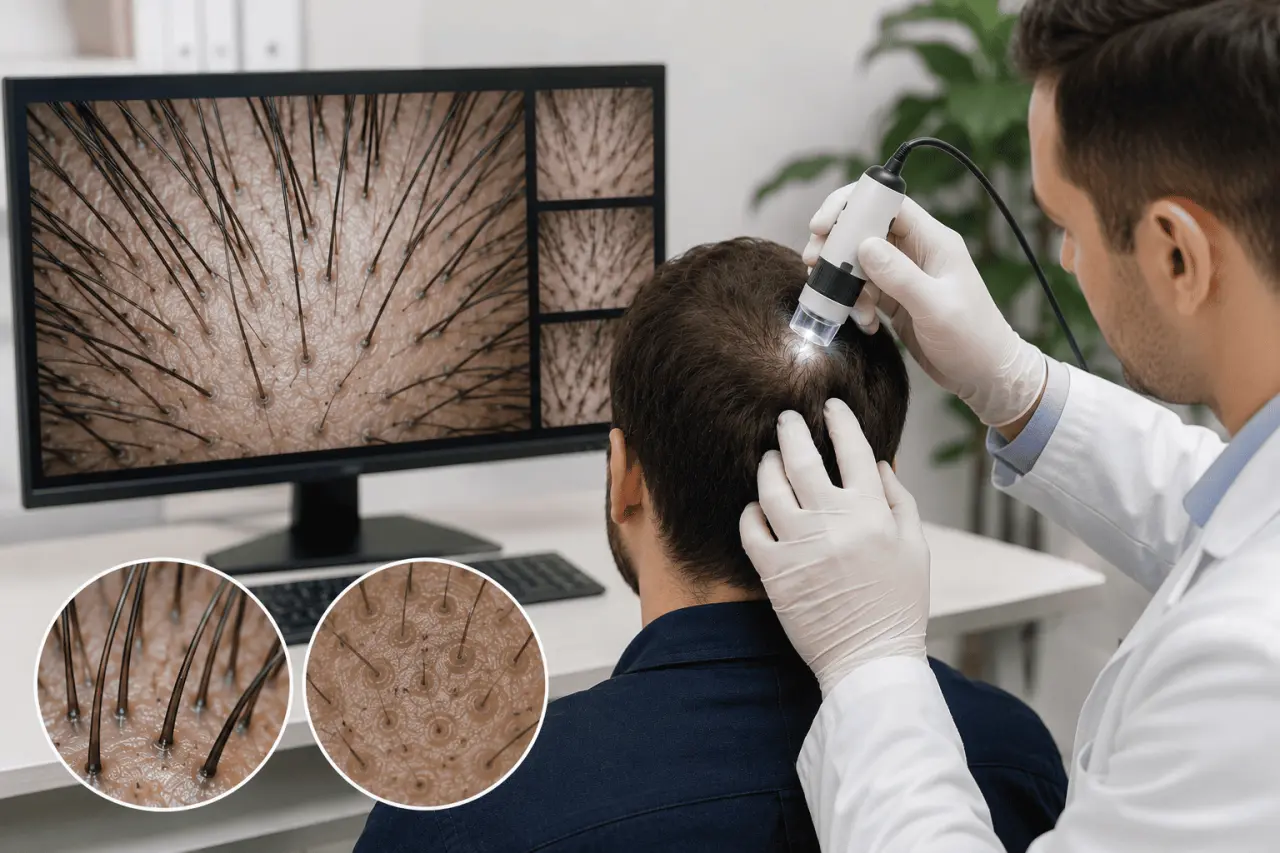
Hair analysis is considered one of the most important steps before a hair transplant procedure because it helps specialists better understand the patient's hair structure and treatment needs. During this stage, factors such as hair loss pattern, donor area quality, hair characteristics, and graft capacity are evaluated in detail. This process may also help determine whether the patient is a suitable candidate for the procedure.
In many hair transplant Turkey clinics, hair root analysis is performed before treatment planning begins. Since every patient presents different expectations and hair loss conditions, the information gathered during the analysis may help create a more personalized treatment plan and realistic expectations regarding the results.
How many grafts do I need?
It should be mentioned that the amount of required hair grafts differs greatly from one person to another. Hair loss level, size of an area where hair needs to grow, specific features of hair growth, the possibility to collect hair from the donor area, and expected density may become important determinants of the need for hair grafts. As a result, there are no universal figures related to the quantity of hair grafts.
Prior to a Turkey hair transplant procedure, it is common practice to conduct hair root analysis and donor site assessment to determine how many hair grafts will be necessary.
How is the donor area evaluated?
Assessment of the donor area allows the specialist to identify if there are enough healthy follicles that could be used for transplantation. As part of the assessment process, specialists analyze aspects like hair density, hair quality, health of the scalp, and ability of the donor area to produce grafts.
Hair root analysis along with donor area assessment often takes place in Turkey hair transplant clinics prior to development of a hair transplant treatment plan. Information obtained through the donor area assessment could be helpful when choosing the best way to conduct the procedure.
Should I shave my head before hair transplant?
Whether the patient needs to shave his/her head before going through the hair transplant depends greatly on the procedure and the treatment plan developed by the specialists in advance. While some hair transplant in Turkey procedures require shaving part or even the whole treatment area, there are other techniques which do not necessitate shaving at all based on individual features of hair and treatment aims.
Before the treatment procedure, the specialists analyze the patient’s hair and discuss the treatment options depending on the patient’s hair type and treatment requirements. Following hair root analysis, patients receive recommendations regarding necessary preparatory activities.
Can long hair transplant be performed in Turkey?
Certainly, it is possible to undertake long hair transplantation procedures in Turkey under certain circumstances. In contrast to classical techniques which usually involve substantial hair removal, long hair transplantation allows the patient to retain their hair length while undertaking the procedure. For this reason, the technique is frequently chosen by those patients who prefer to look discrete during the procedure itself.
Prior to long hair transplantation in Turkey, it is advisable to undertake some diagnostics involving hair root analysis, among other things, in order to establish whether the particular patient qualifies for the procedure.
What should I avoid before surgery?
Prior to undergoing any hair transplant surgery, it is common practice for patients to comply with the advice provided by their clinics and doctors. This advice typically consists of limiting certain activities depending on the situation of each particular patient in order to make sure that everything goes according to plan both during and after the procedure.
In addition, prior to surgery, it is a common practice in hair transplant Turkey clinics to perform hair root analysis and consider the patient's medical history in order to provide appropriate advice before treatment. It should be noted that preparation rules can be different for different patients.
The Hair Transplant Process in Turkey
Many patients considering a hair transplant in Turkey are curious about what happens on the day of the procedure and during the following stages. From consultation and hair root analysis to graft extraction, implantation, and recovery, the process generally consists of several carefully planned steps.
How does the hair transplant process work in Turkey?
The procedure for performing a hair transplant in Turkey will involve a consultation followed by hair root analysis. At this stage, the specialists will study the hair fall pattern, potential of the donor zone, and the purpose of treatment in order to develop a unique treatment program. After the planning session, the surgery itself will be scheduled based on the patient’s needs.
In terms of the actual surgery day, hair follicles will be removed from the donor site and transferred to the receiving site in accordance with the chosen method. The postoperative procedure will include recommendations and guidelines for the patients. While specifics may differ depending on the clinic and chosen method, the overall Turkey hair transplant process will follow the above scheme.
How long does a hair transplant operation take?
There could be some variance in the length of time it takes for a hair transplant procedure depending on various considerations such as the quantity of grafts, technique employed, and the complexity of the treatment strategy. In most cases, a hair transplant in Turkey would take several hours and be completed in just one day. However, this may vary based on individual requirements in other cases.
Prior to the procedure, specialists usually carry out a hair root analysis, as well as assessment of the donor site, in order to gauge how complicated the procedure will be. Because each patient is unique, it means that the duration of a Turkey hair transplant procedure may differ from one patient to another.
Is hair transplant painful?
The hair transplant surgery procedure is conducted under local anesthesia; this ensures that there is minimal pain involved in the process. While there are likely to be some sensations during the application of the anesthetic agent, the surgery procedure itself is considered tolerable by most people.
Before undertaking a hair transplant in Turkey, the patient is taken through all the stages involved in the procedure along with any information concerning patient comfort. This is done after hair root analysis and treatment planning.
Is local anesthesia used during hair transplant?
Indeed, the use of local anesthesia is common during hair transplants. Local anesthesia is employed to ensure numbness in the site of the procedure so that patients are at ease during the entire procedure even when awake. After administering the local anesthesia, the procedure involving the extraction and transplantation processes can then take place with little pain experienced by the patient.
Local anesthesia is commonly explained to patients before carrying out a hair transplant in Turkey. This involves providing information to patients regarding what would happen during the surgical procedure after hair root analysis and treatment planning.
Can international patients complete the process in a few days?
Indeed, a number of international patients find themselves capable of performing all major steps of the hair transplant procedure in just a few days. In the vast majority of cases, international patients come to Turkey for the initial consultation, hair root analysis, actual transplantation, and first check-up session, after which they return back home.
Due to the fact that clinics providing hair transplant in Turkey operate mostly with foreign patients, it is easy to arrange everything in such a manner as to ensure that everything will be performed smoothly. International patients are given clear instructions concerning post-procedure care.
Have Questions? Let's Chat on WhatsApp!
Get instant answers 24/7. Receive your doctor-led hair analysis within 1 day, plus pricing and booking support.
Start WhatsApp ChatRecovery After Hair Transplant in Turkey
The recovery period is an important part of the overall hair transplant journey. After a hair transplant in Turkey, patients often have questions about washing, healing, shock loss, returning to daily activities, and when new hair growth can be expected.
What happens after hair transplant?
In the aftermath of hair transplantation surgery, patients generally enter a phase of recuperation, which entails adhering to the necessary post-operation care advice and any additional follow-up consultations required. In the first few days, slight redness, formation of scabs, or even swelling might happen as part of the healing process. The recovery of the transplant area and donor site is generally supervised according to the advice offered by the clinic.
While patients progress in their recovery process, transplanted hair may pass through certain stages of growth, such as temporary hair fall before hair growth starts. Healing varies from patient to patient, hence the time frame might differ among them. For this reason, patients who undergo a hair transplant in Turkey are often given aftercare instructions.
When can I wash my hair after hair transplant?
However, the moment when a patient can first wash his or her hair after a hair transplant procedure may differ depending on a variety of factors. Often enough, one should just wait for a certain period of time and adhere to all the guidelines offered by the clinic where one underwent the procedure, and, most likely, one will be told to come back to the clinic and have his or her hair washed the first time there.
When it comes to a hair transplant in Turkey, one receives detailed instructions about washing, recommended products, and the whole course of actions one should take in order to make sure that he or she recovers properly.
What is shock loss after hair transplant?
Shock loss is one of the phases that can come as a result of a hair transplant treatment. During this stage, the patient loses some of the grafted hair before regrowth takes place. Even though it sounds frightening for some individuals, shock loss is considered an important phase in the hair transplant process and is associated with the normal recovery process of the body.
The duration and severity of shock loss can differ from person to person depending on several factors. People undergoing a Turkey hair transplant are advised ahead of time of the possibility of this phase so that they know what to expect. Most of the time, hair regrowth takes place after the shedding phase is complete.
How long does redness and scabbing last?
The time it takes for the scalp to become less red and for scabbing to fade away after hair transplantation may depend on the rate of recovery of each person. For the most part, the situation tends to improve gradually throughout the early days or weeks after the surgery. As people heal at different paces, this may not be the case for all individuals.
For those who get a hair transplant in Turkey, there will be instructions for aftercare that aim to assist with the recovery process. Adhering to the washing instructions can make the recovery period less difficult.
When can I return to work after hair transplant?
How soon one can go back to work after a hair transplant operation depends on his/her work profile and recovery rate. Some people find it easy to return to their normal routine after a short while, while others decide to wait some more days based on their comfort level or redness and other visible changes after the procedure.
When people have a hair transplant in Turkey, they are generally advised about their work-related and other aspects of their life after surgery. As the healing time varies from person to person, experts advise that one should follow the advice of his/her clinic when going back to work.
When can I exercise after hair transplant?
However, there are several aspects one should consider when planning to start exercising following a hair transplant. There is an appropriate time for different types of workouts as well as different people. While some types of exercises can be undertaken earlier, some people are concerned whether or not they should undertake any workout at all because of potential negative effects that it may have on their recovery period.
The individuals who undergo Turkey hair transplant procedures are provided with information concerning their activities including exercises and sports. The reason behind this is that the recovery period is unique to everyone.
When can I wear a hat after hair transplant?
The time at which one may choose to wear a hat following a hair transplant will depend on the healing process and the advice that the clinic provides to the patient. As it is, the transplanted part of the head is quite sensitive in the beginning stages, and patients are instructed to take certain measures before they are allowed to put a hat on their heads.
When going through a hair transplant Turkey process, patients will be given information on what they should do in terms of wearing clothes, hats, and other daily activities following the procedure.
When do transplanted hairs start to grow?
Transplantation of hair usually does not result in immediate growth of hair. After the initial healing period, there can be shedding of hair before any growth occurs. The hair growth cycle varies from one individual to another; hence the variation in the time taken.
Individuals who have undergone a Turkey hair transplant procedure are normally advised that the process of growing hair takes time. For this reason, individuals are usually advised to wait patiently until the transplanted hair enters its growth phase.
Hair Transplant Results and Expectations
Understanding the potential results of a hair transplant is just as important as understanding the procedure itself. Factors such as hair characteristics, donor area quality, treatment planning, and the healing process may all influence the final outcome, which is why realistic expectations play an important role throughout the journey.
Are hair transplant results permanent?
Hair transplantation is viewed as durable due to the fact that hair follicles taken for transplantation have higher resistance to balding compared to other areas. After being planted into recipient sites, follicles continue to produce hair in the course of normal hair follicle life cycle.
Nevertheless, one should keep in mind that hair transplantation cannot prevent the natural process of aging and subsequent hair loss in other non-transplanted areas. Due to this fact, patients are recommended to keep realistic expectations of hair transplantation outcome and adhere to instructions given by specialists.
Will my hair transplant look natural?
A natural result of hair transplant surgery is affected by numerous factors instead of one specific approach that would guarantee its accomplishment. Such things as hairline design, placement of the grafts, hair characteristics, properties of the donor region, and many others may determine how natural the end result will be.
Many doctors prefer to study the structure of the hair of the patient, as well as his expectations and the manner of hair loss, before conducting the surgery. Thus, when a surgery is planned according to the personal features of the patient, the transplanted hair becomes more natural.
Can transplanted hair fall out again?
Transplanted hair usually comes from parts of the scalp where hair tends to grow better and stay longer. That is why the question of whether transplanted hair falls off arises for most people after surgery. In most cases, transplanted follicles follow their natural cycles after they get acclimated to the new place on the scalp.
However, one should bear in mind that each person tends to age and lose hair in his or her own way. Although transplanted hair is not going to fall off soon, doctors still advise following some rules of aftercare for hair to take good care of it.
Choosing the Right Hair Transplant Clinic in Turkey
Choosing the right clinic is one of the most important decisions for anyone considering a hair transplant in Turkey. Factors such as medical experience, treatment planning, patient support, and before-and-after results may all play a role when comparing different clinics and treatment options.
How should I choose a hair transplant clinic in Turkey?
The selection of a hair transplant clinic involves considering a number of variables as opposed to concentrating only on one element. This can include looking at the expertise of the healthcare practitioners, the process of planning the treatment, various techniques offered, the type of support that is provided, and past results of treatment. One may also find it useful to consider the methods used by the clinics when dealing with the assessment of hair roots, donor areas, and personalizing the treatment program. Many patients compare these factors when searching for the best hair transplant in Turkey for their individual needs.
Due to the differences among people and the varying levels of hair loss, there will also be a difference in choosing the right clinic for each patient.
What Should I Ask Before Booking a Hair Transplant?
Before picking a clinic, many patients have a checklist of questions that would assist them in understanding their expectations from the procedure. Questions usually relate to the type of method used, the number of grafts that will be taken, whether there is a need for evaluation of the donor site, and if hair root analysis will be done prior to the procedure.
Many patients also like to see before-and-after pictures, find out about the experience of the medical team, and what other services will be provided during the treatment process.
Why is doctor involvement important during hair transplant?
The participation of doctors in this process is often recognized as one of the major components since they are involved in analyzing the health condition of the patient, making plans regarding their treatment, and identifying the best way for performing the surgery. The factors like the pattern of hair loss, the potential of the donor area, properties of the hair, and others are analyzed before the operation.
It is common for many patients to want to know about the participation of doctors in this process, starting with consultations and hair root analysis and ending up with making plans on how the treatment will be conducted.
What to Know Before Traveling to Turkey for Hair Transplant
Travel arrangements are often an important part of the planning process for international patients considering a hair transplant in Turkey. From accommodation and transportation to the duration of stay and post-procedure arrangements, many practical details may influence the overall treatment experience
Have Questions? Let's Chat on WhatsApp!
Get instant answers 24/7. Receive your doctor-led hair analysis within 1 day, plus pricing and booking support.
Start WhatsApp ChatCan I travel after hair transplant?
However, traveling after a hair transplant is generally possible, but the time frame would vary depending on the plan used by the individual and their doctor’s advice. The vast majority of foreigners who travel to Turkey get the procedure done then leave for their native countries after undergoing the first phases of treatment.
Prior to making any travel plans, patients are normally briefed regarding what to do or how to handle the process after the operation. This might assist in having a comfortable trip.

Do clinics in Turkey provide hotel and transfer services?
There are many clinics in Turkey that provide other additional services along with the hair transplant operation for international patients. These services could vary depending upon the type of treatment package that you have opted for. They might involve providing the patient with a comfortable place to stay during his/her stay, airport transfer services, or even translation services.
Therefore, it is very important for patients to read the entire treatment package before making travel arrangements.
Is translator support available for international patients?
Language services may be available in many hair transplant centers in Turkey to accommodate foreign patients. With people coming from various places who may also be speaking other languages, centers may offer some form of translation aid to assist patients during consultations and post-treatment stages.
The extent of the service offered by these centers will differ depending on the languages available. In consideration of that, it is advised that patients should inquire about language services prior to booking their appointment.
What should I bring with me for my hair transplant trip?
However, when preparing for a trip to get a hair transplant, some extra measures might be necessary. Some patients decide to sort out everything from travel documents to medication as well as other items that they will find useful when they are staying at the chosen destination.
Of course, the list of necessary items can differ from person to person, as well as depending on the treatment plan. Therefore, one can contact the clinic ahead of time and learn about what needs to be taken along.
Why Choose Istanbul Vita for Hair Transplant?
Hair transplant clinics are not judged just by techniques or packages they offer. The majority of foreigners who visit our clinic desire individualized treatment plans, professional staff, patient support services, and smooth treatment process overall.
At Istanbul Vita, we offer hair transplant treatments that are based on detailed analysis of patients' conditions, hair root analysis, and donor area evaluation. In addition, we provide a variety of hair transplant techniques and individual treatment plans.
Istanbul Vita offers multilingual support and various hair transplant techniques which make it easy for foreigners to have a pleasant experience while visiting our clinic for hair transplant surgery. Whatever reason brought you to choose Istanbul Vita as a hair transplant clinic, we will be happy to assist you throughout the process.
If you want to know more about our treatments, or get an assessment of your condition, feel free to contact us using our Contact Page.

Frequently Asked Questions About Hair Transplant
What is the best age for hair transplant?
Not every age can be called the perfect one for everyone when it comes to performing hair transplant surgery. There might be many reasons, including the nature of alopecia, its stability, the size of the donor area, and personal objectives.
The evaluation of a person's condition and general readiness for treatment by specialists precedes a recommendation for undergoing this procedure. As all situations differ, the decision is usually based on individual assessment rather than age alone.
Can smokers get hair transplant?
Smoking will not stop an individual from getting his or her hair transplant surgery done. Nevertheless, smoking can be addressed prior to the surgery as it might be one of the many aspects looked into when assessing the patient’s health status and treatment approach.
Specialists usually take time to assess the patient's medical history, his or her lifestyle as well as treatment objectives prior to the surgery. After the assessment, the patient could get guidelines about his or her smoking habits prior to and after the surgery.
Does hair transplant leave scars?
There is the possibility that hair transplant operations can lead to marks, which might differ according to the technique of hair transplantation, recovery, and individual features of each patient. Various approaches to hair transplanting can be responsible for different types of marks in the donor area and recipient area.
The specialists assess the condition of the donor site as well as individual characteristics of the hair before performing the operation in order to decide on the best approach to take. Healing can differ between patients, which leads to differences in marks that occur after a procedure.

 conversation


