
 English
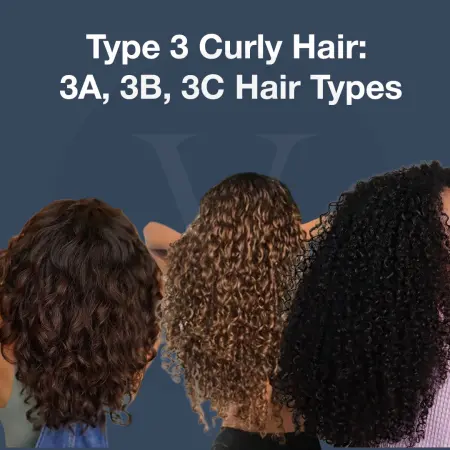
Table of Contents

Every curl pattern offers a unique narrative, and type 3 hair is one of the most expressive textures in the world. Known for its defined curls, volume, and movement, type 3 curly hair strikes a balance between loose waves and tight coils.
From soft, airy ringlets to dense corkscrew curls, type 3 hair is visually striking—but it also requires intentional care. Contrary to popular belief, these curls are not effortless. They require the proper routine, moisture balance, and styling method to remain healthy and defined.
What Is Type 3 Hair?
Type 3 hair contains naturally curled strands that produce a distinctive S-shaped or spiral pattern.
Unlike wavy hair (type 2), the curls are more organized and springy. Compared to coily hair (type 4), the curl pattern is more noticeable and consistent.Key Characteristics of Type 3 Hair:
- Distinct spiral or corkscrew curls
- Medium to high volume
- Hair follicles are oval-shaped
- Prone to dryness and frizz
- Less natural shine than straight hair due to raised cuticles
Because the cuticle does not lie flat, natural oils struggle to travel from the scalp to the ends. This is why appropriate hydration and curl-friendly solutions are especially beneficial to type 3 curly hair.
Type 3 Hair Chart: 3A vs 3B vs 3C
Understanding your exact curl type helps you build a routine that actually works.
| Hair Type | Curl Size | Density | Shrinkage | Moisture Need |
| 3A | Large, loose loops | Low–Medium | Low | Moderate |
| 3B | Springy ringlets | Medium–High | Medium | High |
| 3C | Tight corkscrews | High | High | Very High |
3A Hair Type: Loose, Defined, and Airy Curls
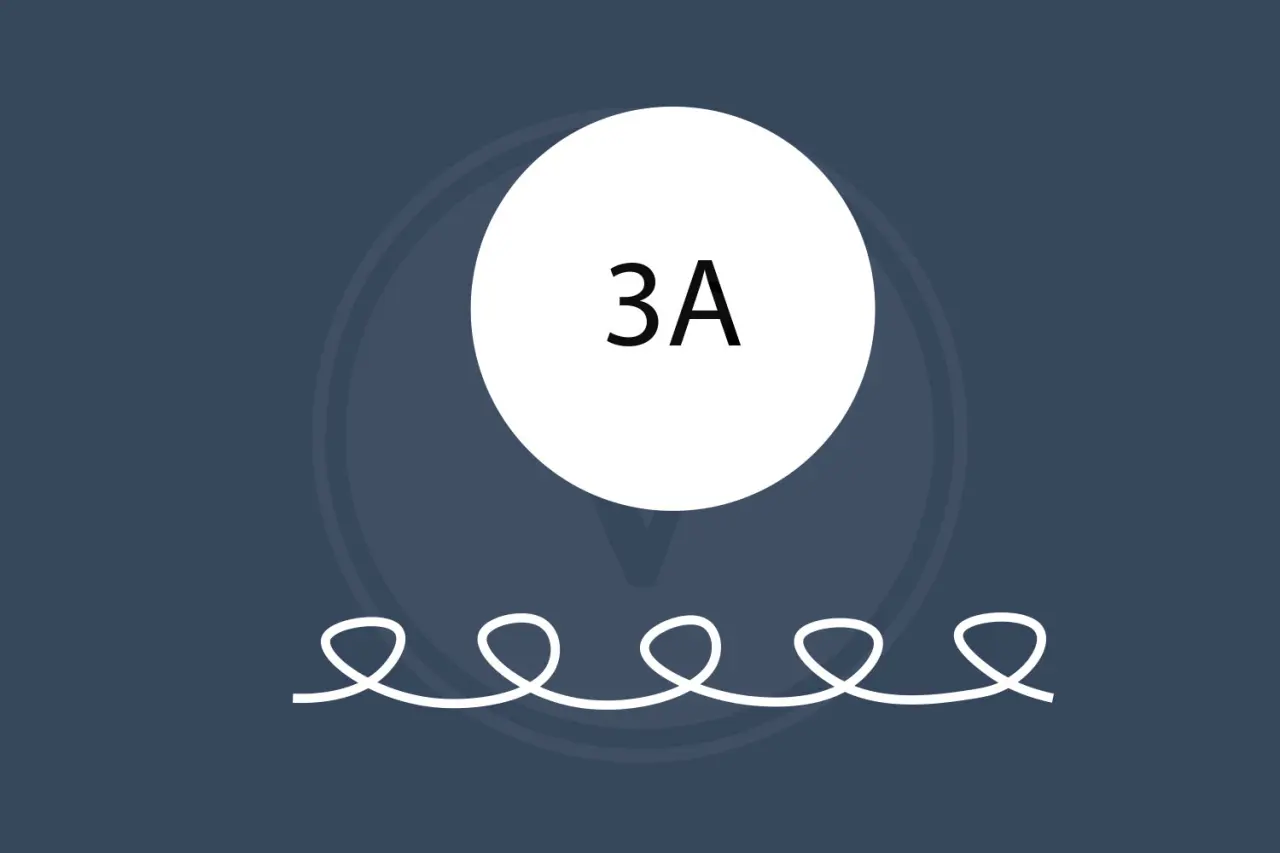
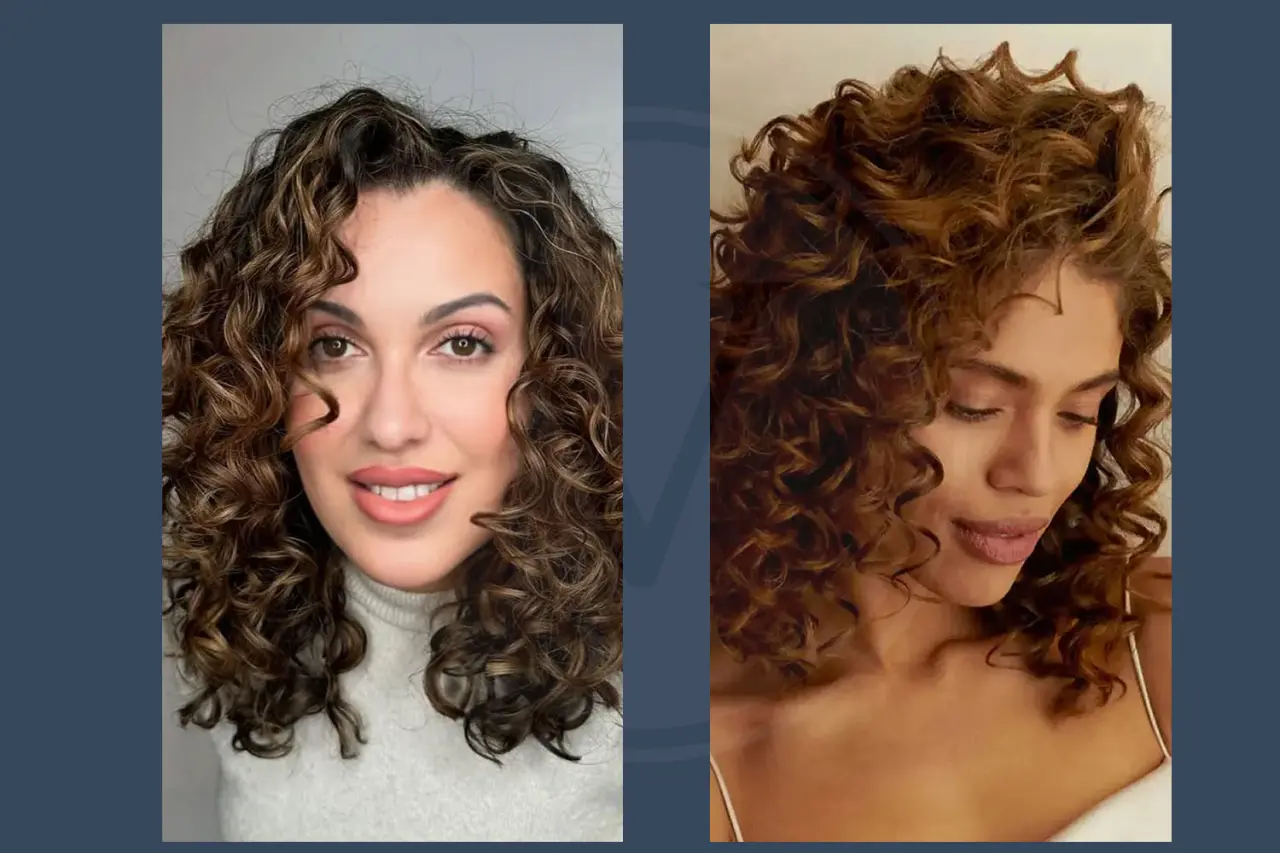
3A hair features large, loose curls and a soft S-shaped pattern.Each curl is huge, often around the size of a wine cork. Because of its looseness, 3a hair is sometimes mistaken for 2c or 3a hair, especially when groomed or stretched.
3A Hair Characteristics:
- Loose and bouncy curls
- Lightweight texture
- Lower frizz compared to other type 3 curls
- Can lose volume easily
3A Hair for Men
3a hair men often prefer wash-and-go styles or medium-length cuts that enhance natural movement. Overloading the hair with heavy creams can flatten curls.
Care Tips for 3A Hair
- Use lightweight, sulfate-free shampoo.
- Avoid heavy butters and oils.
- Air-dry or disperse with low heat.
- Choose 3a hair products that increase definition without adding weight.

3B Hair Type: Springy Ringlets with Volume
3B hair is in the center of the type 3 range. The curls are tighter than 3A but looser than 3C, with sizes similar to bouncy ringlets or markers. Many people have 3b/3c hair or a combination of 3b and 3c hair, therefore curl patterns can vary over the scalp.
3B Hair Characteristics:
- Defined, elastic curls
- Medium to high density
- More shrinkage than 3A
- Higher porosity
3B Hair for Men
3b hair men benefit from layered cuts that reduce bulk while maintaining shape. 3b curly hair men styles often focus on volume control and curl definition.

Care Tips for 3B Hair:
- Deep condition periodically.
- Balance moisture and protein.
- Avoid overstyling.
- Use curl creams and gels developed for 3b hair.

3C Hair Type: Tight, Dense, and Highly Textured
3C hair is the tightest curl pattern within type 3. It consists of densely packed corkscrews that provide incredible volume but also experience significant shrinkage. People often search what is 3c hair because it sits close to coily textures like 3c/4a hair.
3C Hair Characteristics
- Tight, springy curls
- High density
- Significant shrinkage
- Extremely moisture-dependent
3C Hair for Men
3c hair men styles often involve short fades, tapered cuts, or well-maintained medium lengths. Long 3c hair is achievable but requires dedication.

Care Tips for 3C Hair:
- Frequent deep conditioning
- Layering leave-in with cream and oil.
- Gentle detangling.
- Use rich 3c hair treatments designed to provide strong moisture.
3B vs 3C Hair: What’s the Difference?
The argument between 3b and 3c hair is prevalent, although the distinction is in curl tightness, density, and shrinking.
- 3B hair: Looser curls, less shrinkage, easier moisture balance
- 3C hair: Tighter curls, more shrinkage, higher dryness risk
If your curls resemble both, you likely have 3b/3c hair, which means combining care techniques from both types.

Type 3 Hair vs Type 4 Hair: Understanding the Key Structural and Care Differences
While both type 3 and type 4 hair flaunt gorgeous curls, they actually differ quite a bit in terms of their structure, appearance, and care routines. These differences go beyond just the surface; they stem from the shape of the hair follicle, the way the curls form, and how effectively they hold onto moisture. Knowing these characteristics is vital for selecting the best care practices, styling methods, and long-term plans for healthy hair.
Curl Shape and Pattern Formation
Type 3 hair produces well-defined S-shaped curls that form in a consistent spiral pattern. These curls vary in appearance, ranging from loose ringlets to tight corkscrews, and they maintain their shape even with minimal care. In contrast, type 4 hair has Z-shaped coils or uneven curl patterns that bend strongly at various angles. Instead of smooth spirals, the strands form compact coils with less evident definition until the hair is actively stretched or groomed. This structural difference is one of the main reasons type 4 hair behaves so differently than type 3 hair.
Shrinkage and Length Retention
Shrinkage occurs in all curly hair types, but its intensity varies greatly. Type 3 hair often shrinks by 25-50%, leaving a considerable percentage of its length visible even in its natural state. This allows type 3 curls to appear longer and more elongated without manipulation. Type 4 hair, however, can shrink by up to 80% of its actual length. As a result, the hair often appears much shorter than it truly is. While this shrinkage contributes to volume and density, it can also make length retention more challenging and styling more time-intensive.
Shine and Light Reflection
The shine of your hair really depends on how flat the cuticle lies. For type 3 hair, the cuticle is a bit raised, but it can still reflect light, which gives those curls a naturally brighter and shinier look—especially when they’re well-moisturized. Type 4 hair has a high and uneven cuticle. This trait causes the hair to scatter light rather than reflect it, resulting in a matte or dull appearance. Consider applying oils, lotions, or butters designed to add moisture and smooth the surface to improve its shine.
Fragility and Breakage Risk
Both hair types are delicate, although type 4 hair is typically more fragile. The abrupt bends and tight coils produce several stress points throughout the strand, increasing its susceptibility to breakage, dryness, and split ends if not handled gently.
With that in mind, type 3C hair, which features the tightest curls in the type 3 spectrum, requires some extra TLC. Because of its thick corkscrew shape, this hair type can become dry and prone to breakage if it doesn’t get enough moisture or if it’s subjected to rough styling techniques.
Care Implications
Both types of hair thrive on moisture, but type 4 hair really needs a more detailed care routine that includes regular deep conditioning and protective styles. Type 3 hair, in contrast, does best with a balanced approach to moisture, which helps prevent heavy buildup and keeps those curls looking bouncy and well-defined.
Can Hair Type Change from 4A to 3C?
From a biological perspective, your hair type doesn’t just switch from 4A to 3C. The shape of the hair follicle is what dictates the curl pattern, and that stays the same throughout your life. It’s interesting to note that 3C and 4A hair can look pretty similar under certain circumstances. Factors like having longer hair, using stretching styles (such as braid-outs or twist-outs), hormonal fluctuations, and your general health can all cause curls to loosen or elongate for a while. As hair grows, gravity can pull those coils down, which might make 4A hair appear more like 3C hair.
Due to this overlap, a lot of folks find themselves identifying as having 3C/4A or 3C 4A hair, which means they have different curl patterns all on the same scalp. Instead of getting caught up in labels, it’s way more important to understand what your hair needs in terms of moisture and how delicate it is to keep those curls looking their best.
Why Knowing Your Hair Type Truly Matters
Knowing your hair type—particularly within the type 3 hair category—plays a crucial role in how your hair looks, feels, and responds to care. The health of your hair is influenced by several factors, including how it reacts to different products and how easily you can style it without causing any damage.
1. Healthier, Stronger Hair
Knowing your hair type—particularly within the type 3 hair category—plays a crucial role in how your hair looks, feels, and responds to care. It plays a significant role in determining how healthy your hair can be, how it responds to various products, and how easily you can style it without risking any damage.
2. Smarter Product Selection
Different curl types don’t all require the same products. It’s essential to discover the right formulations for your 3a, 3b, or 3c curls to keep them healthy and vibrant. This helps you prevent dryness and that frustrating buildup that can drag down your lovely curls as time goes on.
3. More Effective Styling Choices
Recognizing your curl type helps you choose styles that suit your natural texture perfectly. Whether you have defined curls, a fade, or longer curly styles, collaborating with your hair’s natural pattern—rather than opposing it—will lead to a more flattering shape, less hassle in maintenance, and overall healthier hair.
Type 3 Curly Hair Male Hairstyles
Type 3 curly hair in men features a beautifully complicated texture, providing plenty of options for styling.The trick is to choose hairstyles that complement your natural curls, enhance their definition, and manage volume instead of trying to tame it.
Popular Styles for Type 3 Curly Hair Men
- Tapered Curls: Short sides paired with longer curls on top create a polished and elegant appearance, all while keeping those curls nicely defined and easy to manage.
- Curly Fades: The gradual fade along the sides and back helps to minimize bulk, highlighting your natural curl structure for a look that's both low-maintenance and attractive.
- Medium-Length Layered Cuts: By layering your hair, you can evenly distribute volume, allowing your curls to bounce back beautifully without feeling heavy.
- Natural Wash and Go Styles: This simple style allows your curls to flourish in their natural form, emphasizing their texture, movement, and individuality.
Styling Tips for Type 3 Hair Men
To really make the most of type 3 curly hairstyles for men, keep these tips in mind:
- Opt for lightweight lotions or gels that will help define your curls without weighing them down.
- To preserve your hair's natural bounce, try using a diffuser on low heat or simply letting it air dry.
- To keep those gorgeous curls looking their best and to prevent split ends, make sure to trim your hair regularly.
- Embrace your hair's natural curl pattern instead of trying to straighten it; this not only keeps your hair healthy but also enhances your overall look.
Men with type 3 curly hair have the potential to create elegant and easy-to-manage styles by selecting the right haircut and maintaining a proper care routine. This helps their natural curls look their absolute best!
Have Questions? Let's Chat on WhatsApp!
Get instant answers 24/7. Receive your doctor-led hair analysis within 1 day, plus pricing and booking support.
Start WhatsApp ChatIs Type 3 Hair Suitable for Hair Transplant?
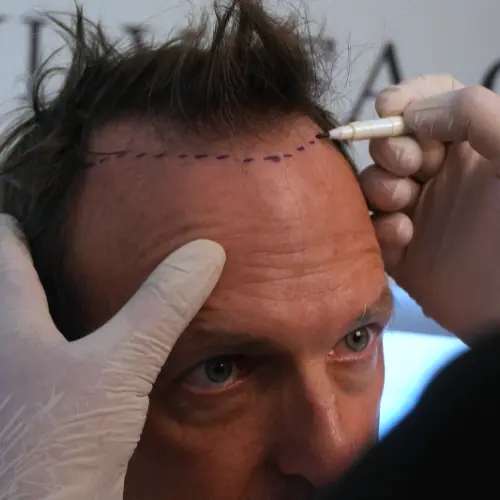
Type 3 hair is definitely a great candidate for hair transplantation. The unique curl pattern of 3C hair presents its own set of challenges, often requiring specialized skills for effective management. The curl's natural curvature under the scalp can complicate the correct placement of transplants when compared to straight or wavy hair types.
Why Expertise Matters
For men with 3C hair, even the tiniest changes in angle or density during a hair transplant can really influence how the curls fall and how natural everything looks. That’s why it’s so important to choose a clinic that has experience with curly and afro-textured hair to get those seamless, natural results. Skilled surgeons really understand how to take into account the direction of curls, the thickness of the hair, and the density of the follicles. They ensure that the transplanted hair blends seamlessly with your natural curls.
Additional Considerations
- Curl Preservation: With the proper method, each follicle retains its original spiral or corkscrew shape.
- Density Planning: Type 3 hair has more volume and density, so keep that in mind when applying grafts.This helps to avoid severely thin or uneven sections.
- Post-Transplant Care: Curly hair requires a unique aftercare routine to preserve hydration, prevent frizz, and protect newly transplanted follicles.
So, in a nutshell, while you can transplant type 3 hair, the 3C type calls for specific care and expertise. Finding a clinic that knows how to work with curly hair is essential for achieving results that appear natural, healthy, and in harmony with your current curls.
Final Thoughts
Whether you have 3a hair, 3b hair, or 3c curly hair, your curls are not a problem to fix they are a feature to understand. With the proper care, understanding, and styling techniques, type 3 hair can be not only healthy and well-defined but also wonderfully versatile.
Frequently Asked Questions (FAQ)
What is 3C hair?
3C hair represents the tightest curl pattern within the type 3 category, characterized by its dense corkscrew curls that are similar in thickness to a pencil or straw. This results in a full and textured appearance, but it also means that this hair type can be more vulnerable to dryness and frizz.
What does 3C hair look like?
If you have 3C hair, you’ll notice it features tightly wound spiral curls that are closely packed, resulting in a vibrant and bouncy style. One thing to keep in mind is that when it dries, this hair type can shrink significantly, which boosts its volume even more.
What is 3B hair?
3B hair consists of medium-sized spirals or ringlets that are tighter than 3A curls but looser than 3C curls, offering natural volume and curl definition while being prone to dryness if not properly cared for.
How to take care of 3B hair?
Taking care of 3B hair requires a few key steps. Start by pre-conditioning before you wash it, then shampoo gently just 1 to 2 times a week. Make sure to deep condition regularly, and when it’s wet, be extra careful while detangling. Finally, use curl creams or gels to define your curls without making them feel heavy.
What is 3A hair?
If you have 3A hair, you’ll notice those lovely loose S-shaped curls that are soft, bouncy, and much easier to handle than tighter curls. This hair type gives off a naturally shiny and lively vibe.
How to take care of 3A hair?
Taking care of 3A hair is all about using lightweight shampoos and conditioners that are packed with moisture. You want to steer clear of heavy products that can weigh down those beautiful curls. To keep your curls looking fresh between washes, try spritzing them with water or using a curl reviver. And remember, washing your hair too often can lead to dryness and frizz, so it’s best to limit how frequently you do it.
What is type 3 curly hair?
Type 3 curly hair includes all hair that forms distinct S-shaped curls, ranging from loose 3A curls to tight 3C corkscrews, and is defined by its natural spiral pattern, bounce, and texture that differentiate it from wavy or coily hair.
How often should you wash type 3 hair?
Type 3 curly hair should generally be washed 1–3 times per week because natural oils take longer to travel along the curls, and over-washing can strip moisture while under-washing can lead to product buildup.
 conversation


