
 English
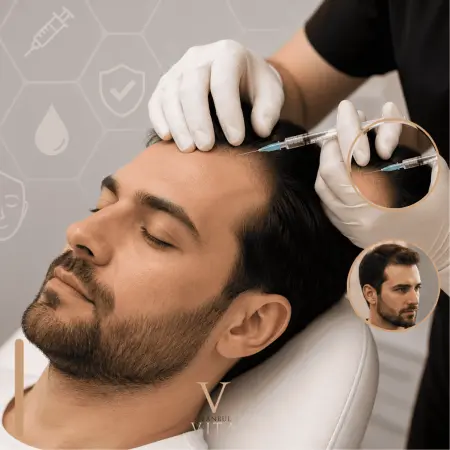
Table of Contents
If you're looking or planning for the hair transplant, then one question probably sits above all the others and that is, does a hair transplant hurt? This is a quite fair thing to worry about before sitting in a surgical chair for the several hours. The short answer is most of the patients feel very little during the procedure itself, and the discomfort that does happen is also manageable and short lived. The thing that people actually remember afterward is not the pain but it is how surprisingly calm the whole procedure and experience was.
This guide covers exactly what local anesthesia feels like, how pain compares between FUE and DHI, and what a well-run clinic does differently to keep you comfortable from consultation through aftercare.
Does a Hair Transplant Hurt? The Honest Answer
Hair transplant is performed almost entirely under the local anesthesia. Which means that the scalp is numbed while you stay awake and alert during the process. The honest answer is that the transplant pain is largely limited to the numbing injections like a series of small pinches and a brief stinging on the burning sensation as that aesthetic takes effect. Once the area is numb then the extraction and foundations are painless. Though the patient sometimes describes a pressure or a faint tugging sensation rather than the sharp pain.
How Local Anesthesia Works During a Hair Transplant At Istanbul Vita
Local anesthesia hair transplant protocols are especially designed around one goal: numbing the donor and recipient areas thoroughly enough that you feel nothing sharp for the several hours the surgery takes.
What the Numbing Injections Actually Feel Like
This is the part most of the patients ask about before anything else. The injections feel like repeated pinpricks along the scalp. Sometimes it is paired with the warm and stinging sensation as the food is delivered under the skin. There are so many clinics that are using a needle and an injection technique that is specifically to soften the sensation and some apply topical numbing cream beforehand to take the edge. The discomfort tends to be in the first minute or two of injections and then quickly once the anesthetic starts working.
How Long It Takes for the Anesthesia to Kick In
Local anesthesia generally takes effect within five to ten minutes. Your surgical team will test the area with a light touch before beginning any extraction to confirm that you are fully numb. If any sensitivity remains, then a small top-up injection is given and there's no reason to push through discomfort, and a properly run clinic will always check in with you rather than assume you're comfortable.
Are You Awake During a Hair Transplant?
Yes, you're awake for the entire hair transplant procedure. General anesthesia is not used because it is not necessary for the surgery that is confined to the scalp and staying conscious actually adds a layer of safety since you can communicate with your Social Security throughout the process. Most of the patients spend hours reading, watching something on screen, listening to their music or simply testing. You can be a little apprehensive about being alert for something that is described as surgery but in practice most of the people say they experience feel closer to a long dental visit than an operation.
Hair Transplant Pain Level: What Patients Report
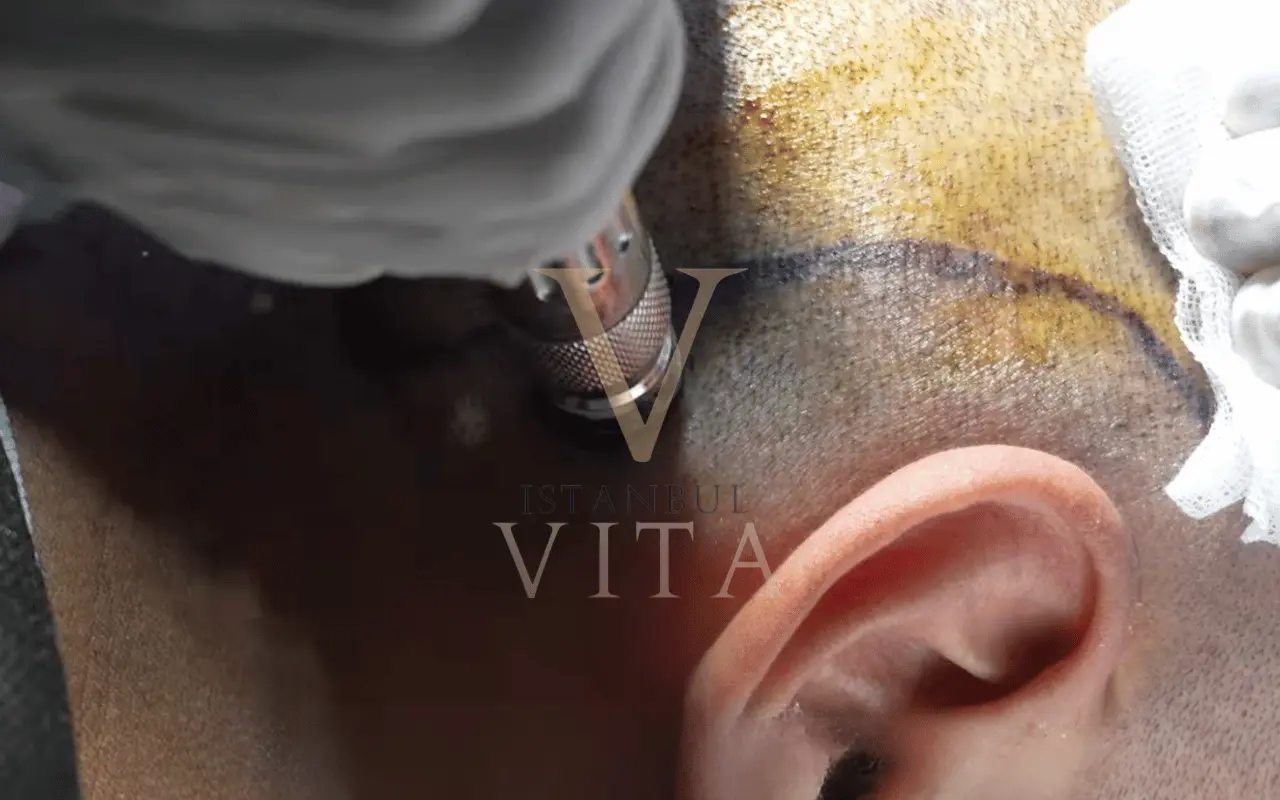
When patients are asked to rate their hair transplant pain level, the numbing injections themselves usually score around a 3 to 5 out of 10. While the procedure that follows drops to a 0 to 2. This is a front-loaded experience and the least comfortable part happens early, and everything after that tends to be uneventful.
During the Procedure
Once the anesthesia has taken hold, then the question that comes is a hair transplant painful in the traditional sense? For the vast majority of patients, no. What people describe instead is pressure, vibration from extraction tools, or a faint pulling feeling during the graft placement like sensations rather than pain. Long procedures can leave you stiff or fatigued from sitting still for hours, which is arguably more tiring than anything else.
In the First 24–72 Hours After Surgery
As the local anesthesia wears off in the hours after the surgery. After that the mild soreness, tightness or a dull ache across the scalp is very common. This generally peaks on the first night and it also improves steadily over the next two to three days. Most patients manage it comfortably with the pain relief their clinic prescribes, and it rarely interferes with daily activities beyond some scalp sensitivity.
Pain Timeline: What to Expect at Each Stage
Most of the time so much of anxiety around this topic comes from not actually knowing what happens when. This will help to see the stages that are laid out side by side.
| Stage | What You Feel | Typical Duration |
| Numbing injections | Pinching, mild stinging or burning | 5–10 minutes |
| Extraction and implantation | Pressure or light tugging, little to no pain | 4–8 hours |
| First few hours post-surgery | Mild tightness as anesthesia fades | 3–6 hours |
| Night one | Dull ache or soreness, usually manageable with medication | 1 night |
| Days two to three | Gradually decreasing tenderness and swelling | 2–3 days |
| After day four | Minimal to no discomfort | Ongoing recovery |
Is FUE or DHI Hair Transplant More Painful?
The patients who are comparing the techniques of an ask whether FUE hair transplant is painful in the different way than DHI hair transplant painful. And practice both relying the same local anesthesia so the numbing stage feels identical either way. The difference shows up during plantation, that is DHI uses a specialized Choi implanter pen to place the graphs directly without premade incisions. On the other hand FUE involves a separate incision step. Need your technique is meaningfully more painful once dysesthesia and usually come down to graft density donor area planning rather than the comfort.
What Happens After the Local Anesthesia Wears Off
Once you leave the clinic then the numbness gradually fades over the following hours. This is when most of the patients start to notice tightness, mild swelling, and sensitivity across the treated areas. A reputable clinic will send you home with clear pain management instructions and also the prescribed medication, along with guidance on sleeping position and dressing changes. Swelling can shift toward the forehead over the next two to three days, which is normal and temporary.
Why Local Anesthesia Is Safe in the Right Hands
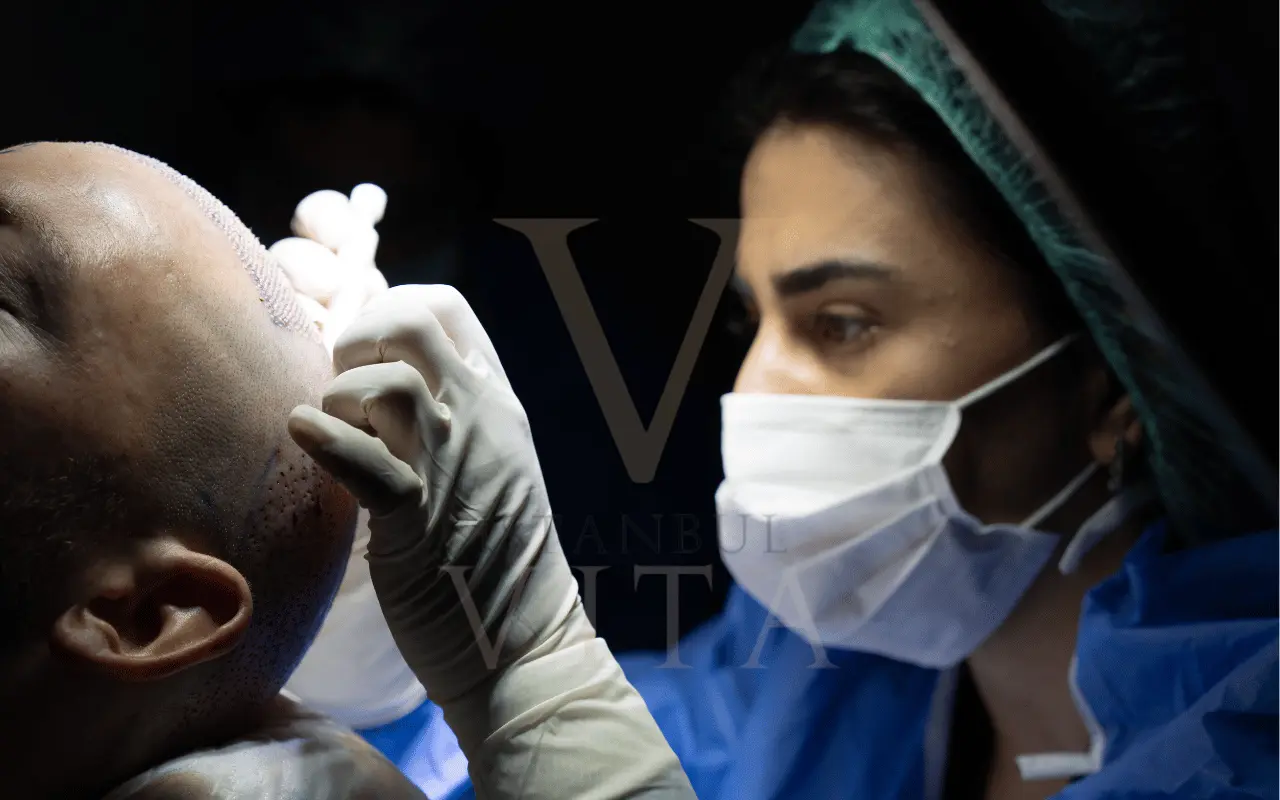
Comfort during a hair transplant isn't just about technique and it's about who is administering the anesthesia and how carefully the process is managed.
Doctor-Led Protocols and Clinic Standards
The clinics that are delivering the most comfortable experience are the ones where a licensed physician controls and oversees the anesthesia plan. They also adjust dosage that is based on your medical history, and checks in with you throughout the day. This is one of the clearest markers of a doctor led hair transplant surgery, as opposed to one where technicians handle every step with minimal medical supervision.
Turkey vs. USA/UK: How Anesthesia Standards Compare
Hair transplant Turkey clinics operating under Ministry of Health licensing follow anesthesia protocols comparable to accredited clinics in the USA or UK, with the added benefit of surgical teams that perform this specific procedure at very high volume. A well-regarded Turkey hair transplant clinic, such as Istanbul Vita, applies the same physician-reviewed anesthesia standards you'd expect anywhere else and worth confirming directly if you're researching an affordable hair transplant Turkey option.
Managing Discomfort: Aftercare Tips That Actually Help
Good aftercare has done more to control post surgical discomfort than almost anything else. Taking prescribed pain medication will work better than reacting after the fact or waiting for pain to build it. Sleeping with your head slightly elevated for the first few nights will help limit spelling. Make sure to follow your clinic washing instructions from day two or three onwards to keep the scalp comfortable while it hangs. Avoid direct sun, sweat heavy exercise and touching the crafts in the first week all reduce irritation. Most of the patients buying that by the four or five the discomfort has faded enough to barely notice it.
Choosing a Trustworthy Hair Transplant Clinic in Turkey
Because comfort during surgery depends so heavily on who's performing it, choosing the right clinic matters as much as choosing the right technique.
What to Look for Before You Book
Ask how local anesthesia is administered, who performs the injections, and whether a licensed doctor is involved throughout the day rather than just at the start. The best hair transplant Turkey providers are transparent about this, and their patient reviews often mention how manageable the experience turned out to be compared to what they expected.
Hair Transplant Turkey Cost — What's Actually Included
Generally the cost is not fixed as it bundles the surgery, anesthesia, medication, aftercare products, also sometimes accommodation into one package price. This is the major reason FUE hair transplant Turkey and DHI hair transplant Turkey options remain popular with international patients. When comparing the quotes, make sure to confirm that pain management and follow up care are included rather than billed separately, since aftercare quality directly affects how comfortable your recovery will be.
Final Thoughts: Should Fear of Pain Stop You From Getting a Hair Transplant?
For so many people considering this procedure will be very good, the fear of pain ends up being far bigger than three. The local anesthesia keeps the surgery very comfortable, and the soonest fades within a few days after doing the proper aftercare. If pain is the main thing that is holding you back and that is the conversation with the licensed doctor as we have in Istanbul Vita and these surgeons will walk you through and adjust the plan around your comfort not just graft count.
Frequently Asked Questions
Does local anesthesia hurt for a hair transplant?
The injections itself cause brief pinching and ain miles dinging. This will generally last 5 to 10 minutes. When the area is numb and the procedure itself is generally painless
Can you feel anything during a hair transplant?
There are so many patient who feel pressure, vibration or light tugging rather than pain once anesthesia has taken effect. Any sharp sensation should be reported immediately so that the top up injection can be given.
How painful is a hair transplant on a scale of 1–10?
Patients commonly rate the numbing injections around 3 to 5, while the surgery itself drops to 0 to 2. Post-surgical soreness in the first day or two is usually mild, around 2 to 4.
Is DHI less painful than FUE?
Not meaningfully. Both use identical local anesthesia, and any difference in sensation during implantation is minor. The choice between DHI and FUE is usually based on graft planning rather than comfort.
Have Questions? Let's Chat on WhatsApp!
Get instant answers 24/7. Receive your doctor-led hair analysis within 1 day, plus pricing and booking support.
Start WhatsApp Chat
 conversation


