
 Türkçe
  English
  Italiano
  Français
  Español
  русский
  Deutsch
  Română


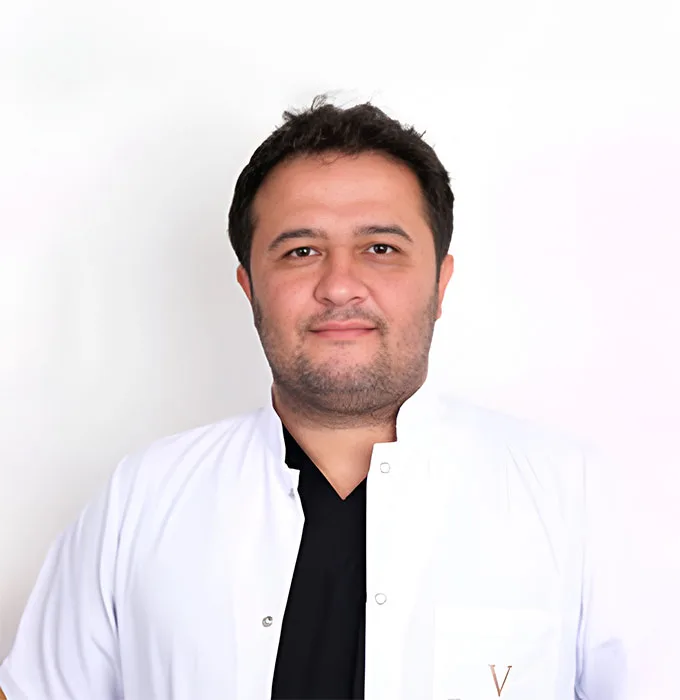
Dr. Harun Alakaya
Hair Restoration Surgeon





At Istanbul Vita, each hair transplant is planned around the patient’s hair loss pattern, donor capacity, and hair characteristics. The results show how this individualized planning is reflected in each patient’s hairline, coverage, and overall appearance.

Man · Norwood 4Sapphire FUE

Man · Norwood 6Sapphire FUE

Man · Norwood 4DHI

Man · Norwood 3Sapphire FUE

Man · Norwood 6Sapphire FUE

Man · Norwood 6Sapphire FUE
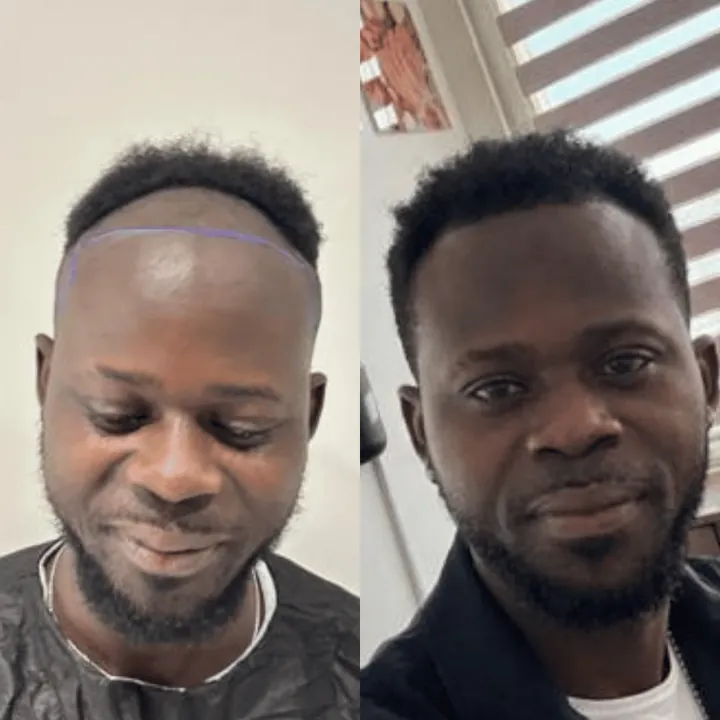
Man · Norwood 5Sapphire FUE

Man · Norwood 6Sapphire FUE
The twelve-month result of a 4,500-graft hair transplant in Turkey, performed with Sapphire FUE at Istanbul Vita.
A 5,000-graft Sapphire FUE procedure at Istanbul Vita, filmed six months after the operation.
Planning a hair transplant in Turkey starts long before the procedure. At Istanbul Vita, six assessments decide what your hair can support and where each graft belongs.
The donor area is assessed before a graft target is set. Density, usable area, and hair characteristics determine how much coverage the available supply can realistically deliver.
Frontal, mid-scalp, and crown loss are evaluated separately. The pattern and extent of loss determine which areas take priority and how coverage is balanced between them.
Under the microscope, follicular units are reviewed for how many hairs they carry and how thick those hairs are. This decides which grafts go to the hairline and which build density behind it.
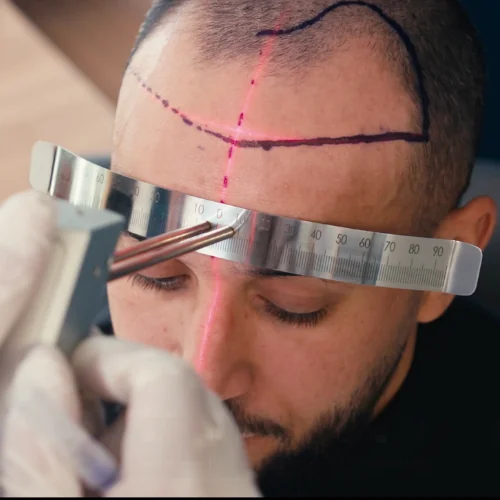
Hairline position is planned around facial proportions, existing hair, and the areas to be restored. It defines where transplantation begins and how the new hair blends with the old.
Graft number and placement are planned together, not as separate decisions. Available grafts are divided between the frontal area, mid-scalp, and crown according to what each area needs.
The highest possible graft count is not the goal of every hair transplant. Extraction stays within the assessed capacity of the donor area, so the plan never spends more than the donor can afford.
Hair Restoration Surgeon
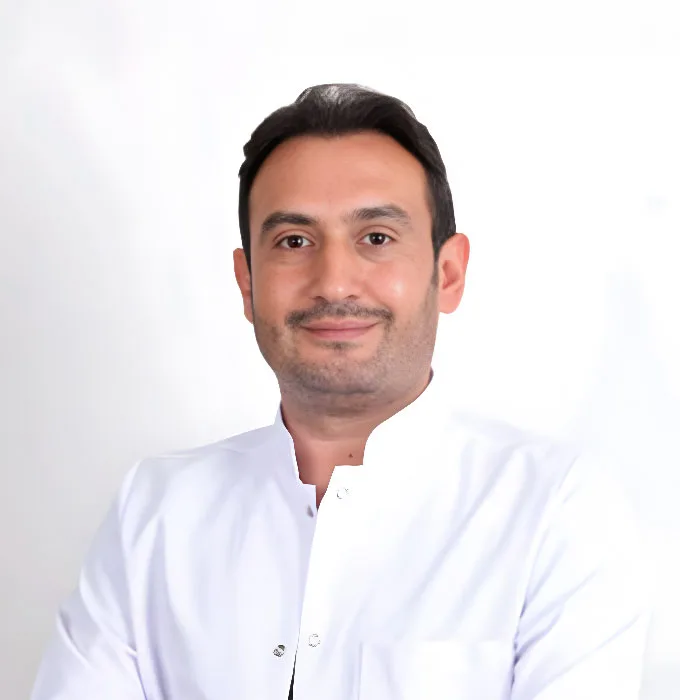
Medical Director
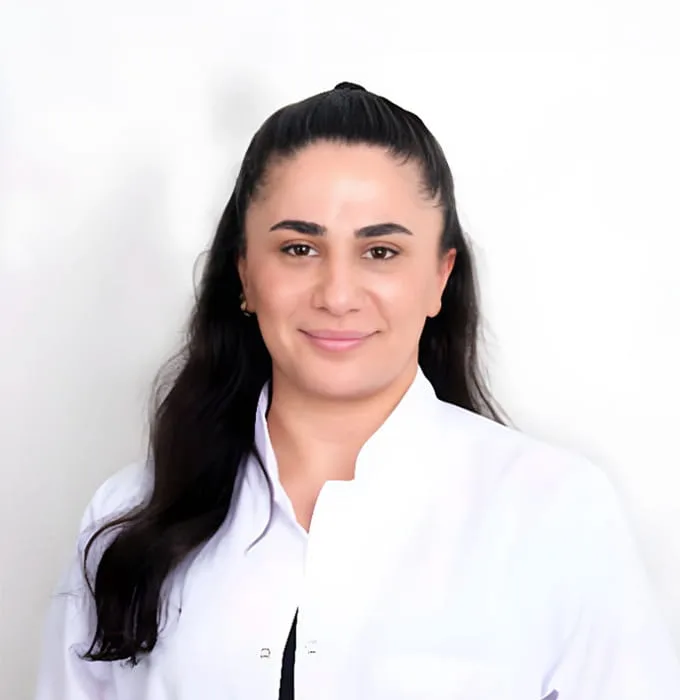
Medical Coordinator
Which technique is right for you? That is decided by the donor assessment, not by preference. Here is what each one does and when it is used.

The channels are opened with a special tip made of sapphire: a finer channel leaves less scarring and heals faster. The method called on when a large area needs to be covered in a single session.

Grafts are implanted directly with a special tool called the Choi implanter, without opening channels first; angle and depth are set graft by graft. That precision matters most on the hairline. It can be done without shaving.

Both methods in one operation. Sapphire FUE builds coverage across large areas while DHI handles the hairline and density-critical zones. Used for advanced hair loss with strong donor supply.

Developed at Istanbul Vita
No two grafts are identical. The Vita Technique examines them under a microscope, classifies them by thickness, and assigns each class to a zone: the finest single grafts build the front hairline, thicker multi-hair grafts build density behind it. Blade size follows the graft, so fine grafts are placed through smaller incisions that heal with less visible marking. The result is a soft, natural front line with real density where it matters.
How the Vita Technique worksPatients choose Turkey for hair transplants mainly because of the combination of surgical volume and price: Turkish clinics perform more of them than any other country, at a fraction of what the same procedure costs in the US or UK. Four facts explain how that happened.
Health tourism brings around 1.4 million international patients to Turkey a year, generating over 3 billion dollars, according to Ministry of Health figures published by USHAŞ. Hair transplantation is one of the largest procedure categories within that volume. Turkey leads the world in procedure count according to the ISHRS practice census, and teams that operate daily refine their technique in a way low-volume clinics cannot.
The price gap comes from exchange rates and lower operating costs, not from a different procedure. FUE and DHI are the same techniques used in New York or London. What a hair transplant in Turkey actually costs is covered below.
International patients are covered by a Ministry of Health authorization system: clinics serving them must hold a health tourism authorization certificate, and authorized facilities can be checked in the Ministry's official registry.
Istanbul's airports connect directly to major US cities, no visa is needed for short stays, and the entire process fits into three days.
The procedure is one of the most studied in cosmetic surgery, and Turkey's Ministry of Health licenses and inspects the clinics that serve international patients. The risk is not the country. It is the difference between clinics, and that difference is what the next section is for.
To choose the best hair transplant clinic in Turkey, check three things: which doctor examines you and plans the procedure, whether the clinic holds a Ministry of Health health tourism authorization, and whether the graft target is based on your donor area or on a sales pitch. There is no official ranking of clinics in Turkey, and no medical authority names a best one. The six questions below are how you run those checks.
Not which doctor founded the clinic, but which doctor examines you, plans your procedure, and answers for the result. If the answer is a sales consultant or an unnamed team, that tells you how the clinic works.
Any clinic serving international patients must hold a Ministry of Health health tourism authorization. It takes two minutes to check the official registry. Awards and badges are marketing; the registry is not.
Some operate their own premises with their own team. Others rent a hospital floor or operating rooms by the day and bring a rotating crew. Ask where the procedure physically happens, who runs that facility, and whether the address on the contract matches it.
A serious graft target comes after your donor area is examined, not before. A number promised over WhatsApp, sight unseen, is a sales figure, not a treatment plan.
Every clinic shows its strongest results. Ask for before and after cases with your hair loss stage and hair type, at twelve months, with consistent lighting and angles.
The result takes a year to settle. A clinic should explain how follow-up works from abroad and what happens if density falls short, before you book, in writing.
In Turkey, a hair transplant is priced as an all-inclusive package, not as a procedure fee. The typical range is $1,500 to $5,000. The same procedure at a US clinic commonly runs $4,000 to $15,000, before travel is even a factor.
We work with three fixed packages, and the graft number does not change the price:
The procedure and everything medical around it: needle-free local anesthesia, tests, PRP, aftercare, a written guarantee, and a year of online follow-up.
Everything in Standard, with the trip handled as well: hotel accommodation at Selectum City Ataşehir or Elite World Grand, VIP transfers between the airport, hotel and clinic, and an in-clinic translator during your visits.
Everything in Premium, with three differences. Sedation is added for the anesthesia stage: you sleep while the local anesthesia is applied and wake up with that part already done. Stem cell treatment is added alongside the PRP protocol. And the stay moves to a five-star hotel, the Istanbul Marriott Hotel Asia.
The entire trip takes three days. Everything between the airport and your flight home is scheduled before you land.

Day 1: Arrival. A VIP transfer meets you at the airport and takes you to your hotel. The clinic part starts the next morning.

Day 2: Hair transplant day. Consultation, hairline design with the doctor, and the procedure itself, all in one day. You return to your hotel in the evening.

Day 3: First wash and check-up. The team performs the first wash and shows you how to do it at home, the doctor checks the donor and recipient areas, and a laser therapy session supports early healing.

After you leave Istanbul. Medical support stays reachable 24/7, and follow-up continues for 12 months: you send photos, the team tracks healing and growth. Every step, from preparation to aftercare, is covered in the patient guide.
Recovery follows the same course for everyone: the scalp heals in two weeks, the transplanted hairs shed first, and the new hair grows in over twelve months.
The healing (days 1-14) Redness fades and the small crusts over the grafts clear within about ten days. Most patients are back at a desk job within a few days.
The shed (weeks 2-8) The transplanted hairs fall out. This is expected, not a failure: the follicles stay in place and enter a resting phase before regrowth.
The growth (months 3-6) New hairs start coming in around month three, thin at first, then thicker and denser. By month six the change is clearly visible.
The result (months 9-12) Density keeps building and the hair matures in texture. What you see at twelve months is the outcome the plan was built for.
Healing speed varies with the person and the technique. For twelve months, we track your hair's growth and make sure everything stays on course.
We have 10 operating rooms, consultation and examination rooms, and a sterilization unit, all staffed by our own team. Everything, from the first consultation to the last check-up, happens under this roof.
Our hair transplant department also has hair washing rooms and dedicated areas for laser and oxygen treatments, so each stage of your visit, from the consultation and the procedure to your post-procedure care, has its own space. The clinic is in Ataşehir, on the Asian side of Istanbul.
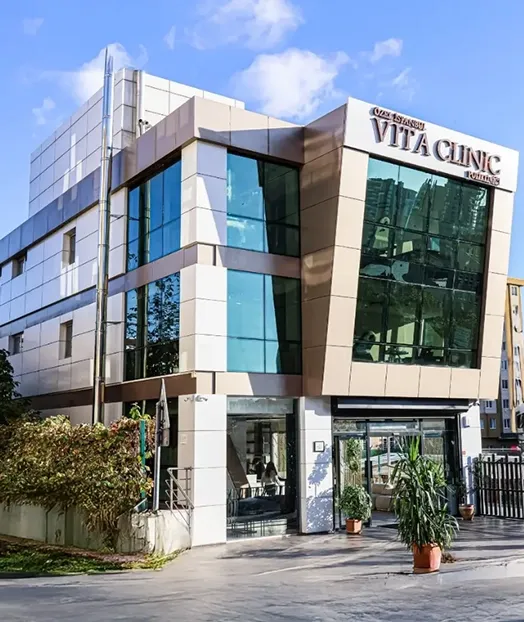


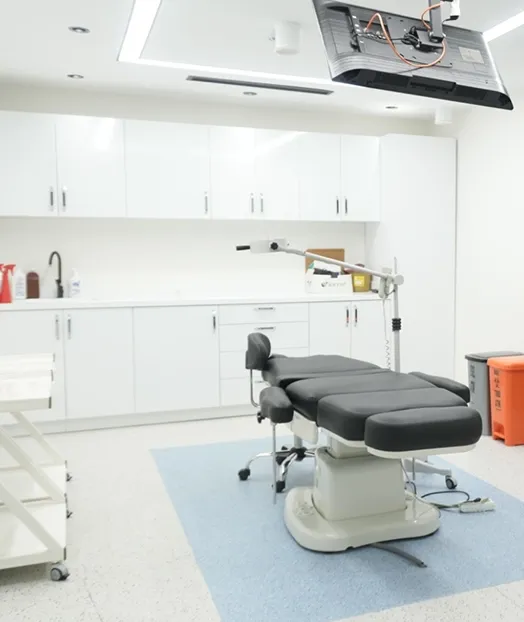
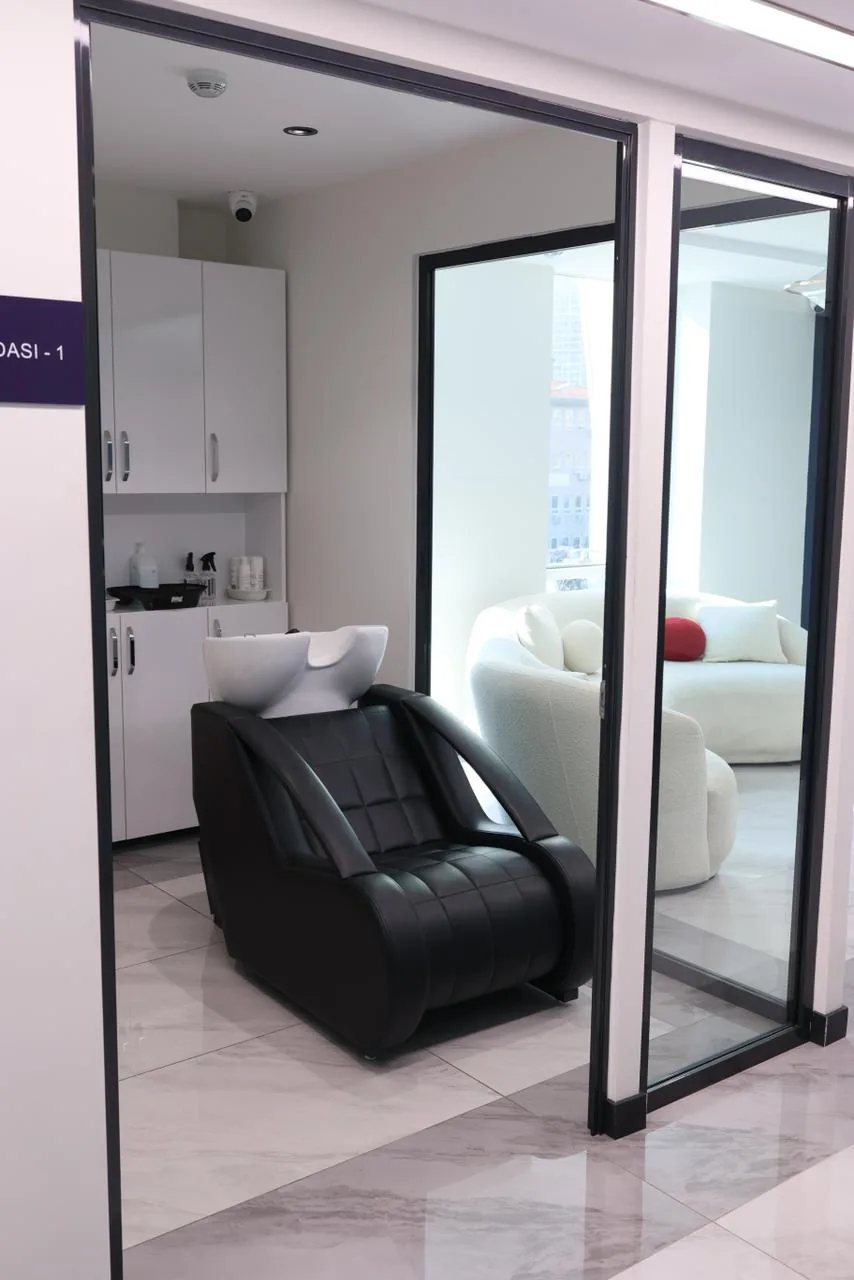
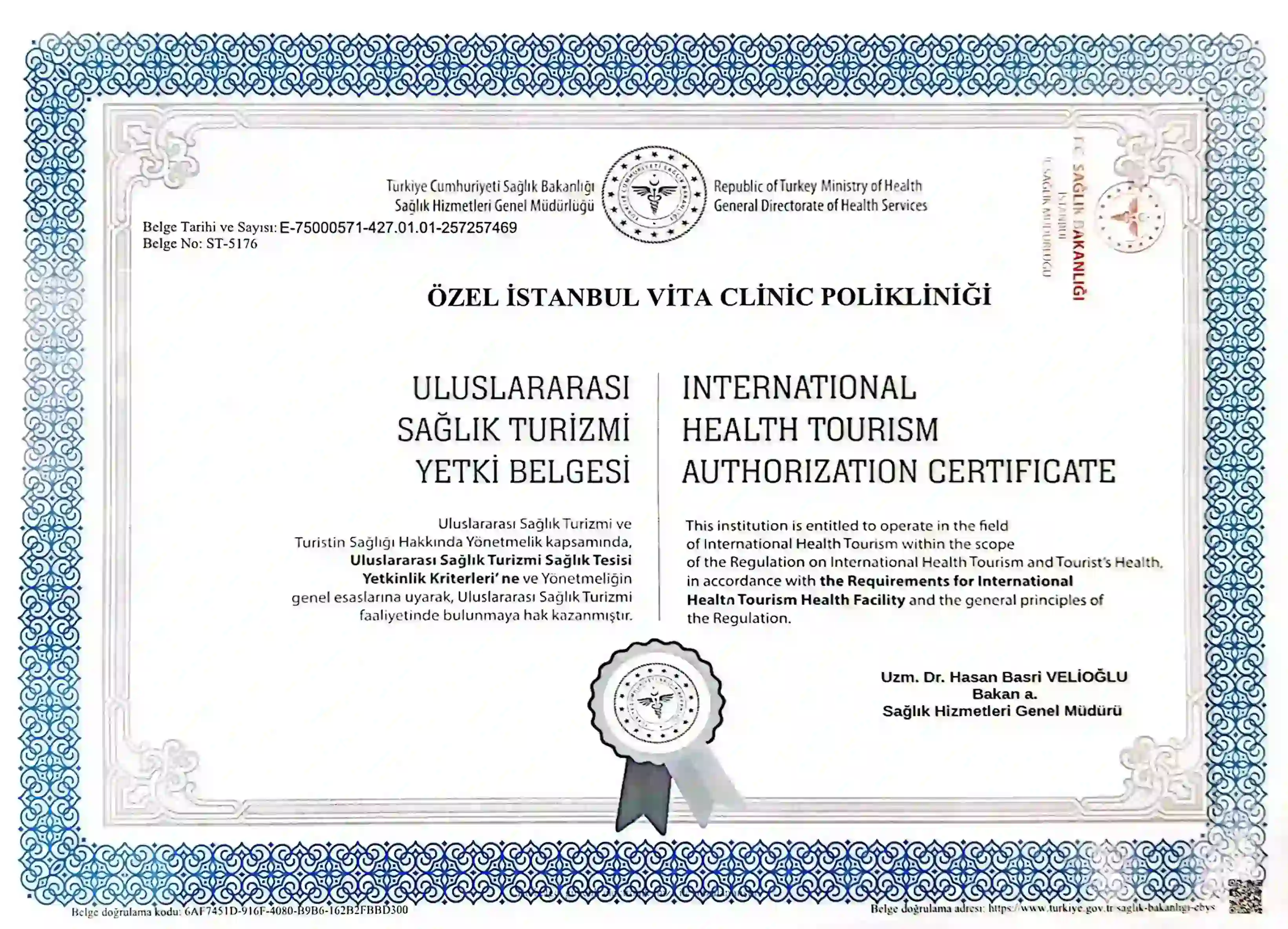
Istanbul Vita holds the Ministry of Health's international health tourism authorization, the certificate every clinic serving international patients is required to carry. Istanbul Vita Clinic is listed in the Ministry's official registry of authorized healthcare providers.
View all certificates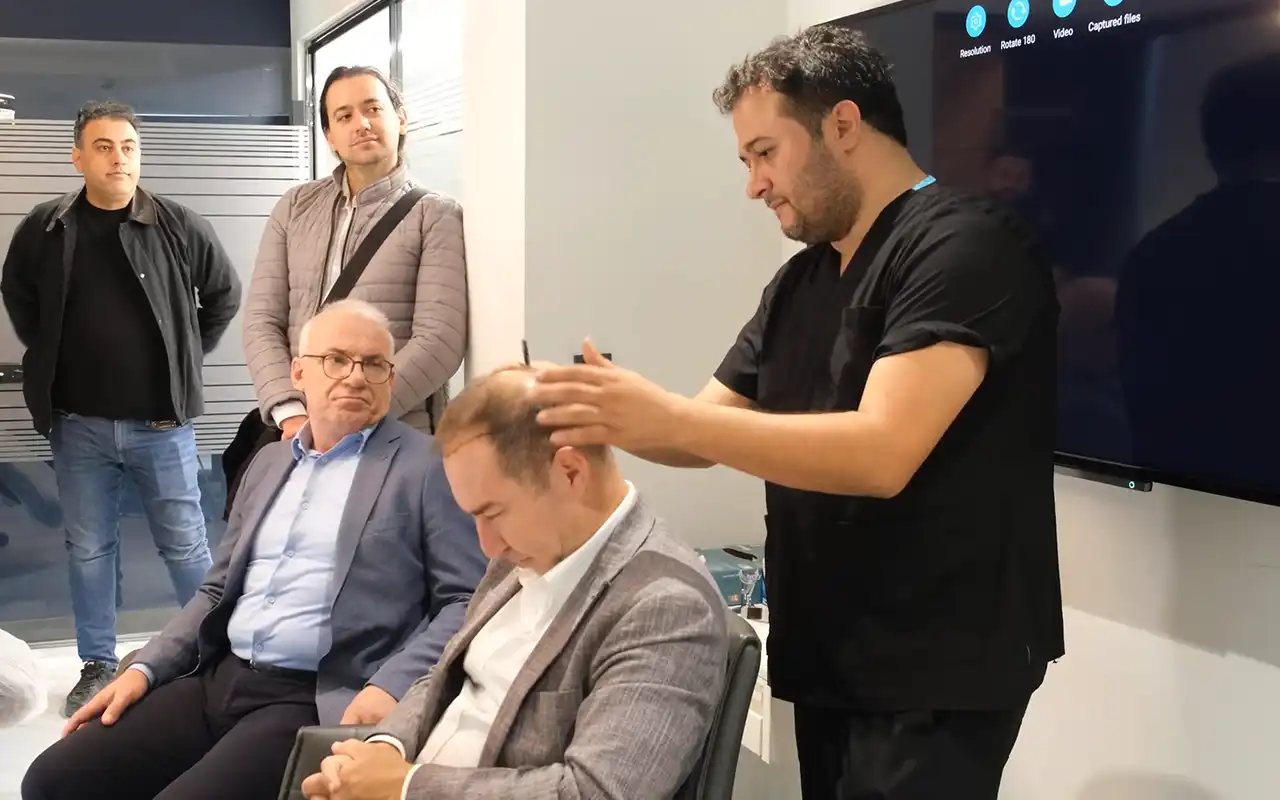
We do not only perform hair transplants; we train the physicians and technicians who perform them. The Ministry of Health certifies this training program and authorizes only clinics it deems qualified to provide it. We are one of them.
About Istanbul Vita AcademyThe reviews patients leave after their procedure mean more to us than anything we could say about ourselves. You can read every one of them on Google, Trustpilot and ProvenExpert.

4.9 out of 5 based on 543 reviews

4.9 out of 5 based on 302 reviews

4.98 out of 5 based on 5,035 reviews


A good candidate is decided by examination, not age. When a doctor reviews your case, four things matter:
The hair at the back and sides of your head is the supply everything else depends on. If its density supports the coverage you need, you are a candidate. If not, an honest clinic tells you so.
A transplant into a pattern that is still progressing chases a moving target. If your loss is active, the doctor may recommend stabilizing it first.
Conditions that interfere with healing or anesthesia need to be reviewed before any procedure is planned.
The goal is a target your donor area can actually deliver, not the density of your twenties.
Yes, at a licensed clinic it is safe. Turkey's Ministry of Health authorizes and inspects clinics that treat international patients, and the procedure is one of the most studied in cosmetic surgery. The real difference is between clinics, not countries; how to choose a clinic covers what to verify.
Because of volume and price: Turkish clinics perform more hair transplants than any other country, at a fraction of US or UK prices, with the same techniques. The full picture is in why patients choose Turkey.
Yes, if the planning is right. Natural results come from matching each graft to the right zone: the finest single grafts along the hairline, denser units behind it, placed at the angle your hair grows. How we plan a procedure covers this step by step.
No. It is done under local anesthesia, and at our clinic the anesthesia itself is applied with a needle-free system. Mild tightness and soreness in the first days is normal and manageable with the medication you take home.
No, not in every case. DHI and Long Hair FUE can be done without shaving the recipient area, which is why they are frequent choices for women. Whether your case allows it depends on the plan; our treatments cover the options.
Three days. Arrival, the procedure, and the first wash with a check-up; then you fly home and follow-up continues online. The day-by-day journey shows the schedule.
Yes. Flying does not affect the grafts; most patients fly home the day after their first wash. You will get simple rules for the trip: how to protect the grafts, how to sit, what to avoid.
Twelve months for the final result. New growth starts around month three and becomes clearly visible by month six. The recovery timeline covers each stage.
No. Our prices are fixed per package, and your graft number comes from the donor assessment, so a 5,000-graft case pays the same package rate as a smaller one. See the packages on the cost page.


 conversation


