
 English
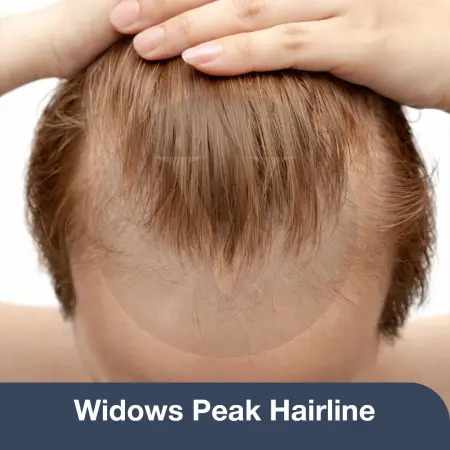
Table of Contents
One hairline shape that many people instantly recognize is the widow's peak. This unique style is characterized by a V-shape that dips down toward the center of the forehead. For ages, folks have been fascinated by this distinctive hairline, which has popped up in both medical studies and cultural conversations. While some might see a widow's peak as a subtle detail that goes unnoticed, for others, it’s a striking feature that really stands out.
Hairlines can definitely change as we age, thanks to things like hormonal shifts or hair loss. However, a real widow’s peak is usually noticeable from a young age. This distinction is crucial because a lot of people mix up a widow’s peak with the first signs of balding or a receding hairline. They’re not the same at all, and recognizing this difference can help reduce any needless anxiety.
What Is a Widow’s Peak?
Defining the V-Shaped Hairline
To tackle the frequently asked question, what exactly is a widow’s peak? It’s best understood as a hairline that creates a triangular point right in the middle of the forehead. Unlike a straight or rounded hairline, the central part dips a bit lower than the temples, giving it that distinctive V shape.
A widow’s peak can show up in both men and women, and it’s not restricted to any particular ethnicity. The depth of that V shape can really vary from person to person. Some people have a very mild widow’s peak that blends naturally into the rest of the hairline, while others have a pronounced point that draws immediate attention.
Widow’s Peak Hair vs. Hairline Changes
Widow’s peak hair refers to the growth pattern itself, not to hair density or thickness. This means that a person can have a full head of dense hair and still have a widow’s peak hairline. Conversely, someone experiencing hair loss may develop a V-shaped pattern that resembles a widow’s peak, even if they were not born with one.
Is a Widow’s Peak Genetic?
Hereditary Factors
A widow’s peak is a well-known genetic feature. If one or both parents sport this distinctive hairline, their kids are more likely to inherit it too. Unlike traits determined by a single gene, a widow’s peak is influenced by several genes, which is why you might see such a wide range of variations even among siblings.
Current research has not identified a single gene responsible for the widow’s peak. Rather, it fits into the category of a morphogenetic trait, indicating that it emerges from the detailed interactions that occur throughout embryonic development.
How Common Is a Widow’s Peak?
Widow's peaks are not at all rare, despite what many people think. The prevalence of widow's peaks can vary from about 15% to over 40%, depending on factors like ethnicity and research methodology, according to studies done across various communities. What’s even more fascinating is that these peaks show up in both men and women at similar rates, indicating there’s no real gender preference. This widespread occurrence highlights that a widow’s peak is just a normal variation in hairlines, rather than something out of the ordinary.
Widow’s Peak Myths and Cultural Meanings
Historical Origins of the Term
The phrase “widow’s peak” has its roots in historical European customs. Back in 18th-century England, widows typically donned mourning hoods or caps that featured a triangular point at the forehead. As time went on, people began to notice the similarity between these headpieces and the V-shaped hairline, which is how the term came to be associated with it.
It's unfortunate that this led to superstitions claiming that women with this particular hairline were fated to become widows at a young age. These notions lack any scientific support and are simply remnants of cultural beliefs from the past.
Widow’s Peaks in Popular Media
Widow's peaks evolved into a visual acronym for dramatic or antagonistic characters in films and television series during the 20th century. Widow's peak hairstyles, with their dramatic flair, were often sported by legendary figures like Dracula and various comic book villains. These styles really amplified their intensity and added an air of mystery to their characters. Although these depictions have undoubtedly shaped public perceptions of widow's peaks, they don't truly represent any psychological or physical characteristics associated with having one.
Widow’s Peak vs Receding Hairline
Key Differences
One of the most frequent concerns among patients is the distinction between a widow’s peak vs receding hairline. Although they can look similar, the underlying causes are very different. A widow’s peak usually shows up early in life and tends to stay pretty consistent as you age. A receding hairline is a gradual change that many people associate with androgenetic alopecia. It usually begins at the temples and slowly moves back over time.
Widow’s Peak vs Balding
Another common comparison is widow’s peak vs balding. Having a widow’s peak doesn’t automatically mean you’ll lose your hair. Plenty of folks with this hairline go through life without any significant thinning or baldness. If someone who wasn’t born with a widow’s peak starts to notice a V-shaped hairline as their temples begin to recede, it could be an early sign of hair loss. In these situations, it’s a good idea to consult a professional for some guidance.
Widow’s Peak in Men
Male Hairline Patterns
Widow’s peak men often become more aware of their hairline as they age, especially if they also experience temple recession. In men, having a widow’s peak can sometimes make a receding hairline look more pronounced, even if the overall hair density is still quite good. This visual effect can create confusion and unnecessary worry. It's really important to understand your natural hairline shape before jumping to conclusions about needing hair loss treatments.
Psychological Impact
While a widow’s peak is completely harmless from a medical standpoint, it can impact how someone feels about themselves, especially in cultures that prefer straight or rounded hairlines. Tackling these feelings usually begins with education and setting realistic expectations.
Widow’s Peak Hairstyles and Styling Strategies
Hairstyles That Complement a Widow’s Peak
Choosing the right widow’s peak hairstyles can make a significant difference in how the hairline is perceived. A lot of folks discover that embracing their natural shape leads to a more balanced and confident look. Longer hairstyles that frame the face, along with textured cuts and layered styles, can really soften the sharpness of a V shape. Plus, side parts and gentle fringe styles can help blend that central point in a really natural way.
Haircuts for Receding Hairline Widow’s Peak
For individuals dealing with both a widow’s peak and mild recession, selecting appropriate haircuts for receding hairline widows peak is crucial. Short, textured cuts can help soften the contrast between your temples and the central hairline. Plus, steering clear of styles that pull the hair straight back can really help downplay any recession. Professional hairstylists often suggest tailored approaches that take into account your face shape, hair density, and personal style preferences.
Can You Change or Remove a Widow’s Peak?
How to Get Rid of Widow’s Peak Temporarily
Many people are searching for ways to deal with their widow's peak, usually for aesthetic reasons. While temporary hair removal methods can alter the appearance of the hairline, it's important to remember that they require regular upkeep.
Options include tweezing for minor adjustments, waxing for short-term smoothness, and depilatory creams designed for facial use. These methods work well, but the results tend to fade over time.
Long-Term Cosmetic Solutions
Laser hair removal is an excellent choice for anyone seeking a more permanent solution to unwanted hair in certain areas. Keep in mind, though, that you'll need several sessions, and the results can differ depending on your hair color and skin type. It's wise to think carefully about making permanent changes, as trends in hairlines and personal tastes can shift over time.
How to Fix Widow’s Peak with Medical Options
Non-Surgical Approaches
When a widow’s peak is accompanied by hair thinning, medical treatments such as topical minoxidil or oral medications may help stabilize hair density. These treatments won’t get rid of a widow’s peak, but they can help stop any further hair loss that makes it look more pronounced.
Hair Transplant Considerations
If you're looking to permanently change your hairline, a hair transplant could be the way to go. Thanks to modern techniques, grafts can be placed with precision to either soften or reshape the widow’s peak, all while keeping that natural look intact.
At our clinic, hairline design is approached with careful planning, taking into account facial proportions, donor capacity, and long-term outcomes. Using techniques like FUE and DHI allows for a refined hairline that looks completely natural, avoiding any artificial appearance.
When to Seek Professional Advice
A widow's peak by itself isn't typically a cause for alarm. Still, if you notice any shifts in your hairline along with thinning, shedding, or scalp concerns, it’s a good idea to consult a professional. Whether you’re aiming for hair preservation, styling tips, or cosmetic enhancements, getting an early evaluation can provide you with an accurate diagnosis and customized advice.
A Balanced Perspective on Widow’s Peaks
A widow's peak hairline is a common and natural feature that has inspired many stories and cultural interpretations over the years. Knowing the underlying genetics and being able to distinguish it from hair loss can help make informed decisions. The most important thing is to feel comfortable and confident in your appearance, regardless of whether you choose to show off your widow's peak, style your hair to work with it, or look into cosmetic options. You can handle this specific hairline situation with a clear mind rather than anxiety, as long as you have the right information and expert support.
Frequently Asked Questions About Widow's Peak
What is a widow’s peak?
A widow’s peak is that distinctive hairline shape where the hairline dips into a V at the center of the forehead. Most people are born with it, and it’s more of a genetic feature than anything medical. The angle of that V can range from barely noticeable to quite pronounced, and it shows up in both men and women. Just to clarify, having a widow’s peak doesn’t mean you’re experiencing hair loss, thinning, or balding.
Is a widow’s peak a sign of balding?
No, a widow’s peak by itself is not a sign of balding. Many people confuse a widow’s peak with early hair loss because both can create a V-shaped appearance. However, a true widow’s peak is stable over time, while balding involves progressive recession at the temples and thinning across the scalp. Someone can have a widow’s peak and never experience hair loss.
Can a widow’s peak change over time?
Generally speaking, a natural widow's peak remains constant throughout life. If you experience hair loss due to androgenetic alopecia, you might notice your hairline starting to recede, particularly around the widow's peak. This can make the V shape of your hairline look a bit sharper or uneven. It's crucial to remember that this alteration is brought on by hair loss rather than a widow's peak issue.
How to get rid of a widow’s peak?
When it comes to eliminating a widow’s peak, it’s generally about making cosmetic changes to your hairline instead of addressing a medical problem. You have some temporary options like tweezing, waxing, or using depilatory creams to get rid of that central hair point.
Is it possible to permanently remove a widow’s peak?
Getting rid of hair for good is definitely an option, but it’s important to take a thoughtful approach. Laser hair removal can really help minimize hair growth in the widow’s peak area, and if you’re looking for something more permanent, surgical options like hairline reshaping through a hair transplant can make a lasting change to your hairline. Because hairline aesthetics are highly personal and trends can change, permanent solutions should be planned with long-term facial balance in mind.
How to fix a widow’s peak if it looks uneven or exaggerated?
When it comes to fixing a widow’s peak, the goal is often about achieving balance rather than just trying to get rid of it. Choosing the right hairstyle—like a side part, a textured cut, or layered styles—can really help soften that V shape. If thinning hair around the temples makes the widow’s peak more noticeable, looking into medical hair loss treatments might be a good idea to help maintain density and create a more harmonious hairline.
Have Questions? Let's Chat on WhatsApp!
Get instant answers 24/7. Receive your doctor-led hair analysis within 1 day, plus pricing and booking support.
Start WhatsApp Chat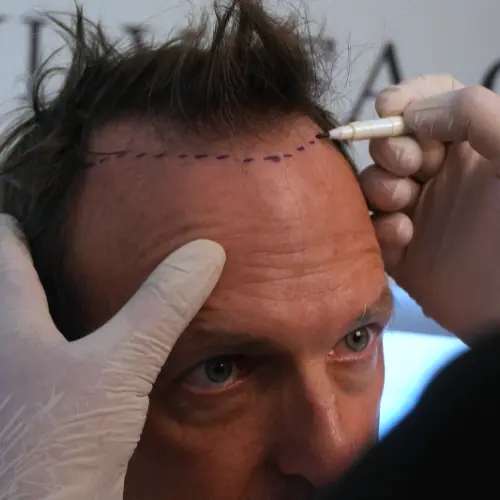
 conversation


