
 English
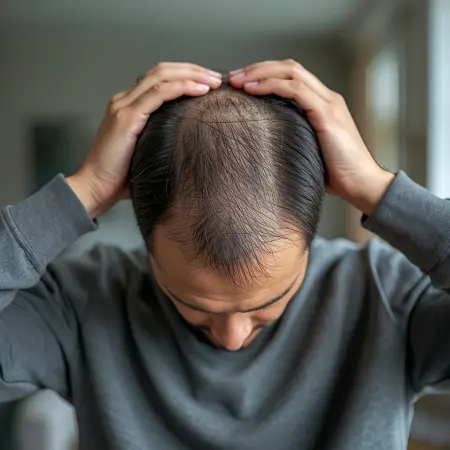
Table of Contents
A receding hairline is one of the most obvious signs of hair loss. It usually starts gradually, with some thinning at the temples or a change in how your hairline shapes your face. These changes may become more noticeable over time, affecting your appearance and self-confidence. A receding hairline, however, is more than just a cosmetic concern; it is a medical condition with recognized causes, progression patterns, and remedies. Understanding what causes a receding hairline and how to treat it is critical for obtaining long-term, beneficial results.
What Is a Receding Hairline?
A receding hairline happens when the hairline shifts backward, typically beginning at the temples. As it rises, it can take on an M, V, or U shape. This process is usually slow, taking place over several years instead of just a few months. Although it's more common in men, women can also face thinning at the front, but their pattern is generally more diffuse and not as sharply outlined.
Mature Hairline vs Receding Hairline
Not every change in the frontal hairline indicates hair loss. Differentiating between a natural mature hairline and a true receding hairline is crucial.
Mature Hairline
- This usually occurs during early adulthood.
- You might notice your hairline moving back a little, but it tends to stabilize.
- There’s no ongoing thinning or decrease in density.
Receding Hairline
- Continues to move backward over time
- Thinning is most visible at the temples
- Hair density progressively decreases
Recognizing the difference between mature hairline vs receding helps determine whether treatment is necessary or whether observation is sufficient.
Early Receding Hairline: Signs to Watch For
An early receding hairline can be difficult to detect without close attention. Many people only notice changes when comparing old photos.
Common Early Signs
- It naturally takes place in early adulthood.
- The hairline shifts back slightly and then stabilizes.
- There’s no persistent thinning or loss of density.
- Reduced hair strength at the front
- Difficulty styling the hairline area
At this stage, hair follicles are often still active, making early intervention particularly effective.
Receding Hairline in Men
A receding hairline in men is most commonly caused by androgenetic alopecia, also known as male pattern baldness. This condition is influenced by genetics and hormones.
The Role of DHT
Dihydrotestosterone (DHT) is a hormone derived from testosterone.In genetically sensitive individuals:
- DHT binds to hair follicles
- The growth cycle shortens
- Hair shafts become thinner
- Follicles gradually shrink and stop producing hair
Hair follicles at the temples and frontal hairline are especially sensitive to DHT, which explains why recession usually starts in these areas.
The Norwood Scale and Hairline Recession
The Norwood Scale is a popular tool for categorizing how men's hairlines recede. It covers everything from a slight recession to more pronounced hair loss.
Overview of Norwood Stages
Stage I–II: Mild temporal recession
Stage III: Clearly defined receding hairline
Stage IV–V: Frontal loss combined with crown thinning
Stage VI–VII: Advanced hair loss with minimal remaining hair
Early-stage treatment significantly improves the chances of stabilizing hair loss and preserving natural density.
Can a Receding Hairline Be Stopped?
The ability to stop a receding hairline really hinges on a few key factors, like your genetics, your age, and how soon you start treatment.
What Is Possible
- Progression can often be slowed or stabilized
- Existing weakened hair may be preserved
- Further recession may be delayed for years
What Is Not Possible
- Completely lost follicles cannot regrow naturally
- Advanced recession cannot be reversed without surgery
- For this reason, early and consistent treatment is critical.
How to Stop Receding Hairline Progression
Medical Treatments
Finasteride
Finasteride helps reduce DHT levels in your scalp and bloodstream.
Benefits:
- It can really help slow down or even completely stop your hairline from receding.
- It’s great for keeping the hair you already have at the front.
- It tends to work best if you start using it early on.
Limitations:
- It doesn’t help with hair that’s already been lost.
- You have to keep using it to maintain the results.
To sum it up, Finasteride stands out as one of the most dependable medical options for men dealing with hairline recession.
Minoxidil
Minoxidil improves blood flow and prolongs the growth phase of hair follicles.
- It's more effective when it comes to thinning the crown.
- It doesn't have much of an impact on the frontal hairline recession.
- People often use it alongside finasteride for enhanced results.
Low-Level Laser Therapy (LLLT)
LLLT stimulates hair follicles using specific wavelengths of light.
- It might help make your hair thicker.
- It promotes better blood flow to the scalp.
- It's most effective when used as a complementary treatment.
Receding Hairline Treatment Beyond Medication
Scalp Micropigmentation (SMP)
Scalp micropigmentation is a non-surgical cosmetic procedure that creates the appearance of density.
- Does not prevent hair loss.
- Does not create genuine hair.
- Provides solely visual enhancement.
Hair Transplantation: Permanent Hairline Restoration
Hair transplantation is currently the only permanent solution for restoring a receding hairline.
How Hair Transplants Work
- Healthy follicles are extracted from genetically resistant donor areas
- Grafts are implanted into receded frontal regions
- Transplanted hair grows naturally and permanently
- Modern techniques allow for precise angle control, natural density transitions, and long-term planning.
How to Fix a Receding Hairline with Hair Transplantation
For a successful hairline repair, it's all about meticulous planning rather than simply rushing into placement.
Key Hairline Design Principles
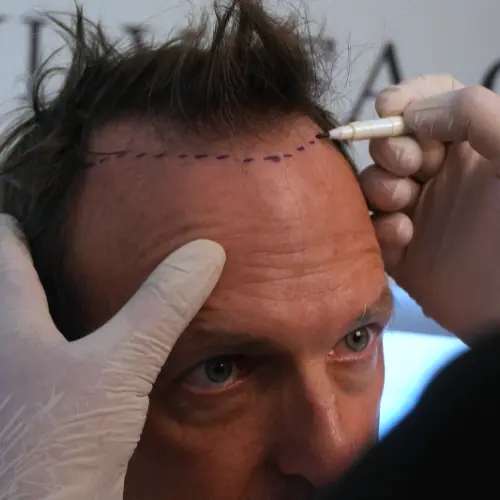
When it comes to age-appropriate positioning, it's all about those natural irregularities and those charming little micro-zigzag patterns. We also want to see gradual transitions in density that respect the unique proportions of the face. A thoughtfully designed hairline not only looks great but also ages gracefully and stays realistic over the years.
Haircuts for Receding Hairline
Although haircuts can't halt hair loss, the perfect style can make a world of difference in how you look.
Buzz Cut Receding Hairline
- Minimizes contrast between thin and dense areas
- Clean and low maintenance
- Suitable for symmetrical recession
Short Textured Styles
- Create the illusion of density
- Reduce focus on the temples
Side-Part Hairstyles
- Effective for mild recession
- Require sufficient hair density
Finding the right haircut for a receding hairline really comes down to your hair texture, how far back your hairline has gone, and what style you feel most comfortable with.
Lifestyle Factors That Support Hairline Health
Nutrition
- Adequate protein intake.
- Zinc, iron, and the B vitamins
- A balanced, nutrient-dense diet
Stress Management
Chronic stress can accelerate hair shedding.
- Regular exercise
- Sufficient sleep
- Mindfulness practices
Smoking and Hair Loss
Smoking cuts off blood flow and oxygen to your hair follicles, which can lead to hair loss and thinning.
Have Questions? Let's Chat on WhatsApp!
Get instant answers 24/7. Receive your doctor-led hair analysis within 1 day, plus pricing and booking support.
Start WhatsApp ChatScalp Care and Circulation
Gentle cleansing routines are key for healthy hair. Incorporating a scalp massage can really help boost blood flow, giving your scalp the care it deserves. And remember, it's best to steer clear of harsh chemicals and avoid too much friction when you're washing your hair.
Psychological Impact of a Receding Hairline
A receding hairline can have a substantial impact on one's self-esteem and confidence in social settings. It often brings about feelings of self-consciousness and anxiety regarding our appearance, which can make us shy away from certain social gatherings. Tackling hair loss early can help prevent long-term emotional distress and improve overall well-being.
Receding Hairline at Different Ages
In the 20s
- Often strongly genetic
- Medical treatments most effective
- Focus on preservation and stabilization
In the 30s and 40s
- Recession patterns become clearer
- Combination approaches often required
- Long-term planning becomes essential
Long-Term Planning for Receding Hairline Men
Hair loss is something that usually happens over time. To tackle it effectively, you should consider several important aspects:
- The potential future patterns of hair loss
- How to keep donor hair safe
- Ongoing maintenance plans
When appropriate, blending medical therapies with surgical restoration can offer the best chance for stable and natural results in the long term.
Final Thoughts
A receding hairline is something that’s well understood in the medical field, and there are some effective treatments out there. If you take the right steps, you can slow down the hair loss, keep what you have, and even regain some of the volume you’ve lost at the front. The key to successfully managing your hairline is to identify concerns early, make reasonable goals, and create a unique plan that works for you. With a well-informed, medical approach, you can keep a natural look and achieve results that endure.
Frequently Asked Questions
How to Fix a Receding Hairline?
Fixing a receding hairline really depends on where you are in the hair loss journey and what’s causing it. In the early stages, treatments like finasteride can be quite effective in slowing down or even stabilizing the recession by lowering DHT levels. But once those hair follicles are gone for good, they won’t come back on their own.
For individuals seeking visible and permanent restoration of the frontal hairline, hair transplantation is currently the only effective solution. A properly planned hair transplant restores lost hair using genetically resistant follicles and creates a natural, age-appropriate hairline.
How to Stop Receding Hairline Progression?
If you want to tackle a receding hairline effectively, the key is to start treatment early. Medical therapies that focus on DHT, when used consistently over time, can really help slow down or even halt further hair loss for many men.
In addition to these treatments, it's also important to take care of your scalp, manage stress levels, steer clear of smoking, and eat a balanced diet. While these lifestyle changes alone won't completely stop genetic hair loss, they can create the best environment for preserving your hair and ensuring treatment works well.
What Does a Receding Hairline Look Like?
Typically, a receding hairline kicks off at the temples and slowly shifts backward, taking on an M, V, or U shape. The front corners start to thin out, and you might find that your hairline looks a bit uneven or higher than it once did.
In the beginning, these changes might only be noticeable when you look at older pictures or under bright lights. As time goes on, the temples deepen, making your forehead appear larger.
Is My Hairline Receding?
A hairline could be receding if you observe thinning around the temples, more scalp visibility at the front, or if it seems like your hairline is gradually shifting back over time. A significant sign to pay attention to is whether the hairline continues to recede instead of leveling off; if it does, it’s likely a receding hairline rather than simply a mature one.
 conversation


