
 English
Table of Contents
Understanding hair kinds is about identifying distinctions so that hair may be properly cared for, not about ranking or comparing them. People frequently discover that structure, texture, density, and behavior—rather than just appearance—are what distinguish different types of hair.
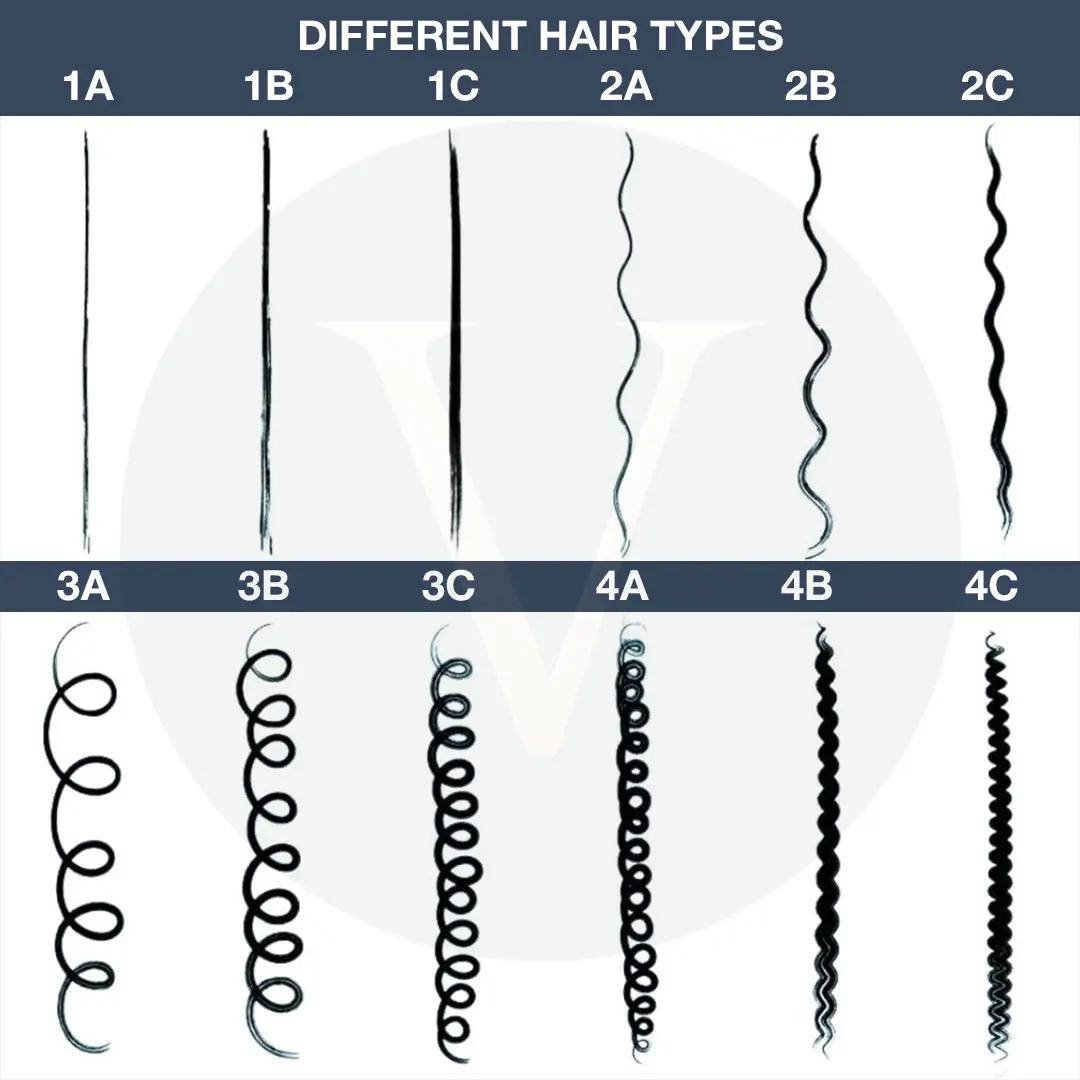
There are four primary forms of hair found all over the world. Type 1, Type 2, Type 3, and Type 4 are these. Every type of hair has a unique natural pattern, traits, advantages, and disadvantages. Furthermore, each type of hair is further classified into subcategories A, B, and C, which correspond to thickness and texture. As a result, twelve categories are produced that collectively encompass all hair types.
What Are the Different Hair Types?
Natural hair patterns are used to categorize different types of hair. Straight, wavy, curly, and coily hair are the four primary patterns. These patterns are referred to as Type 1, Type 2, Type 3, and Type 4 hair, in that order. What really sets a hair strand apart is the way it grows from the scalp and how it behaves when it’s left natural—without any styling, heat, or chemical treatments.
Straight hair shines brightly and grows without any bends or curves. Wavy hair, which falls somewhere between straight and curly, showcases soft, flowing curves. Coily hair forms tight spirals or zigzag patterns, while curly hair develops distinct loops or ringlets. All different populations naturally have these various hair types, shaped by follicle structure, genetics, and the makeup of the hair shaft.
Hair texture is generally categorized into three types: A, B, or C. Type C features thick or coarse strands, Type B is medium, and Type A is fine. It’s really intriguing how two people with the same hair type can have such different hair behaviors, which can be attributed to the unique mix of their hair’s pattern and texture.
Main Differences Between Type 1, Type 2, Type 3, and Type 4 Hair
Although all hair types share the same biological foundation, their daily care needs differ significantly. Maintenance, frizz control, styling response, and shrinkage vary depending on hair type and texture.
Different hair types have different needs! For straight and wavy hair, lighter products and simpler routines are usually the way to go. But if you have curly or coily hair, you’ll want to focus on adding moisture and being gentle to keep your curls defined and prevent dryness.
Frizz is a common issue for textured hair because of moisture imbalances, and if you notice shrinkage in your curls, that’s often a sign that your hair is healthy and elastic. Knowing these differences can help you pick the right hair care routine instead of just using whatever is available.
Type 1 Hair: Straight Hair Types
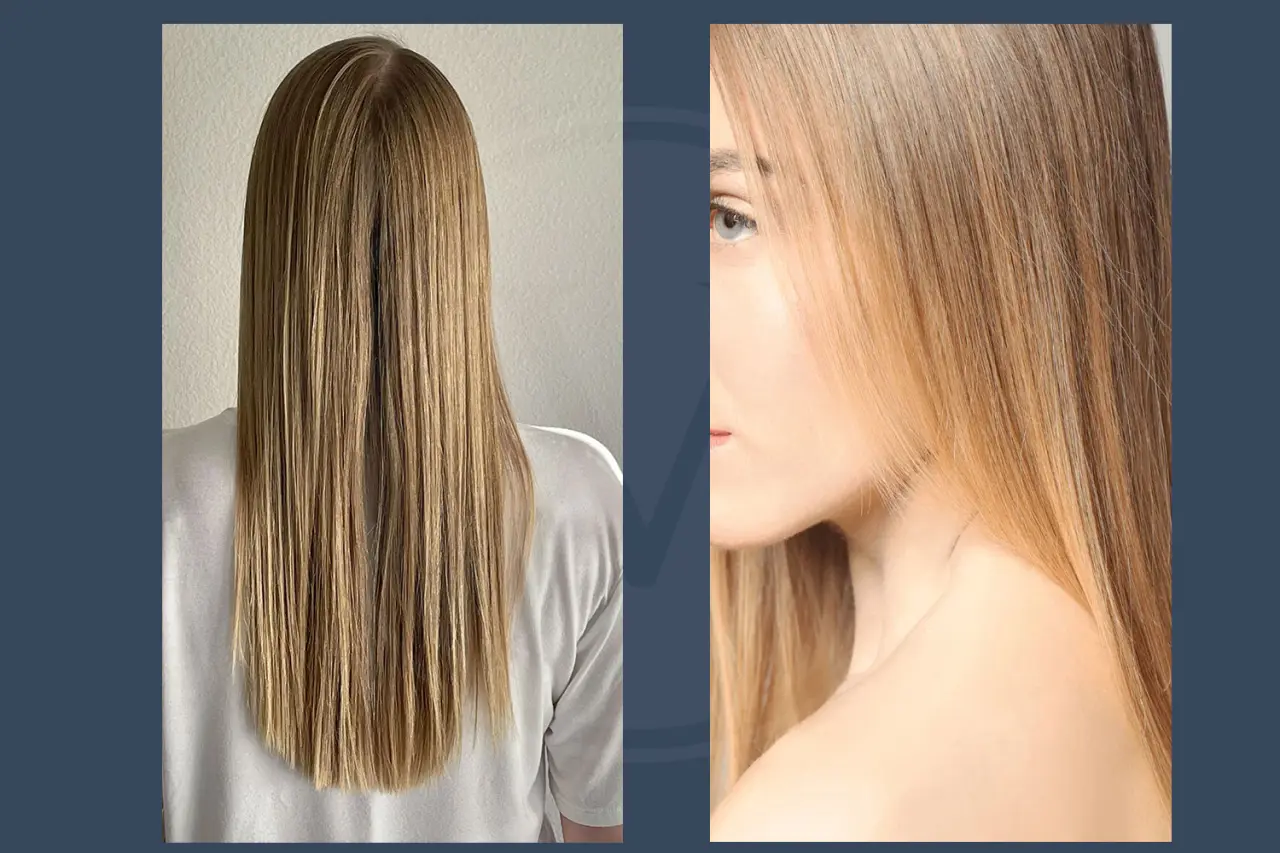
Type 1 hair refers to straight hair types. This type has no waves or curls and grows straight down from the scalp. Its flat cuticle structure allows it to reflect light well, giving it a shiny appearance. But be careful—excessive treatment can make straight hair brittle and lead to breakage.
Type 1A Hair
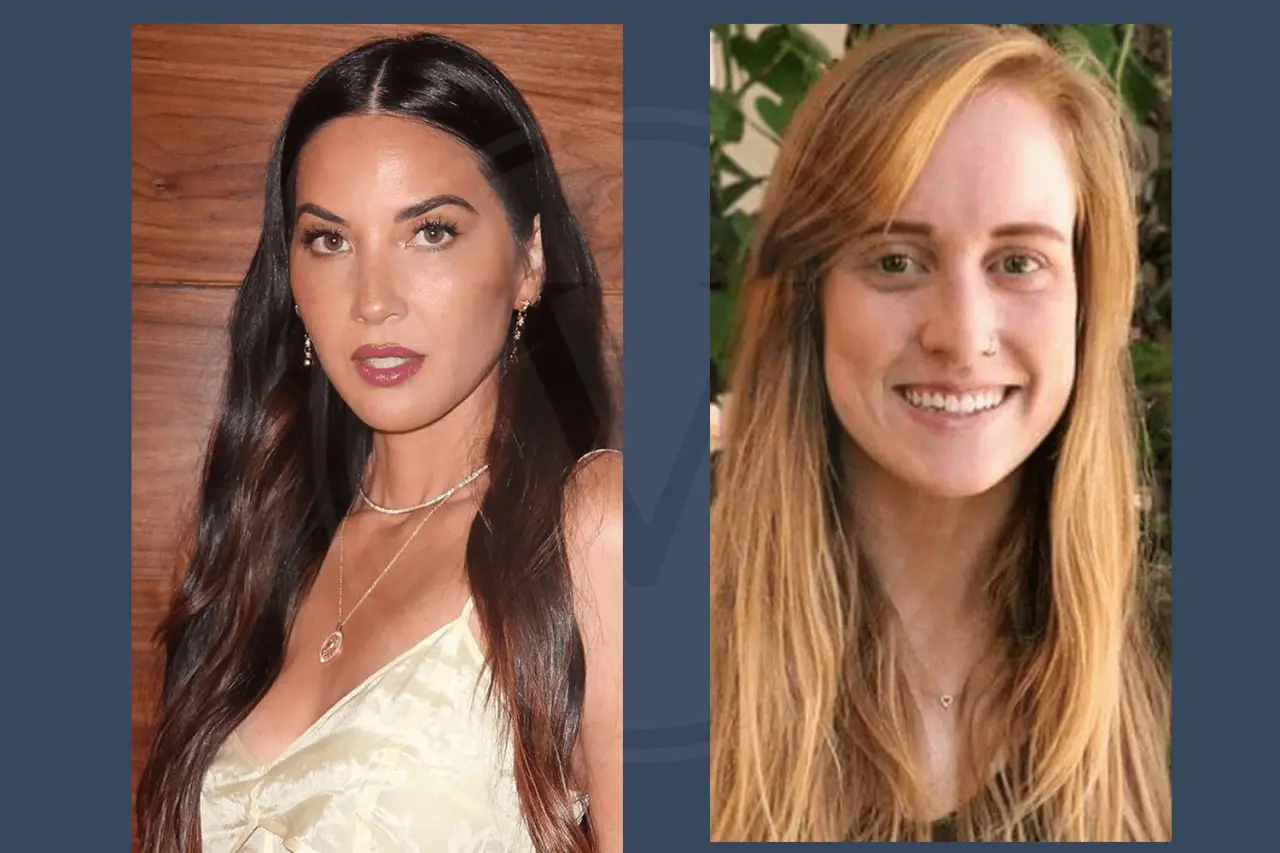
Type 1A hair is the finest and straightest of all hair types. It has a silky appearance, very little volume, and minimal texture. This is considered the rarest hair type because it lacks any natural bend. People with 1A hair often find it difficult to hold curls, even with heat styling. The advantage of this hair type is its naturally sleek appearance, but it requires careful handling to prevent breakage.
Type 1B Hair
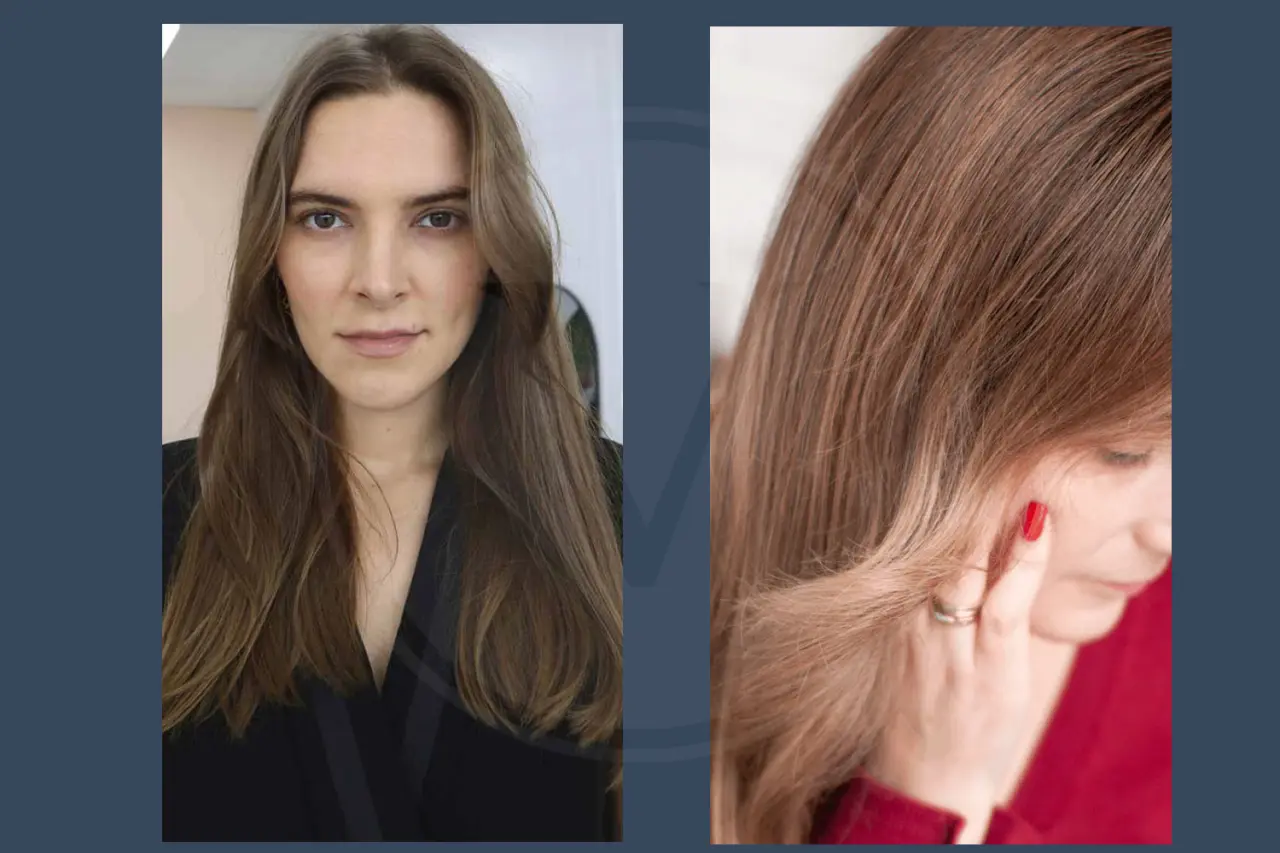
1B hair is the most common type of straight hair. Compared to 1A hair, it has a somewhat thicker strand and more substance. On rare occasions, 1B hair may bend slightly and hold curls for a brief period of time. The two most important differences between 1A and 1B hair types are density and styling compatibility.
Type 1C Hair
1C hair type remains straight but shows faint waves, particularly near the roots or when exposed to humidity. This hair texture has more volume than other straight hair types and is more prone to frizz. Comparing 1B vs 1C hair highlights increased thickness and styling potential in 1C hair.
Type 2 Hair: Wavy Hair Types
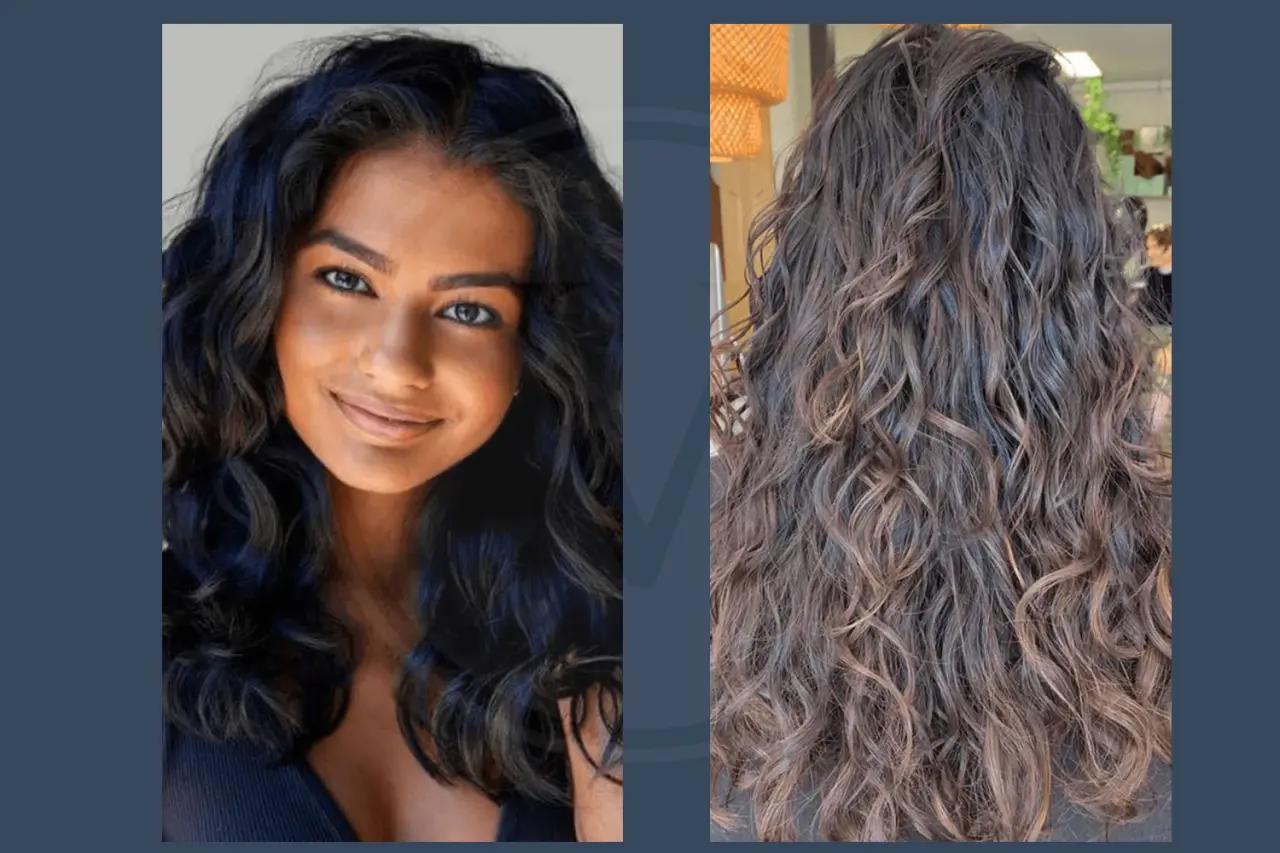
Type 2 hair has a natural wave pattern that falls between curly and straight textures. Wavy hair varieties often have an S-shaped pattern and can range from barely noticeable waves to more noticeable bends.
Type 2A Hair
2A hair has very loose waves and fine texture. It may appear straight in some areas and wavy in others. This hair type can easily lose its wave pattern if weighed down by heavy products.
Type 2B Hair
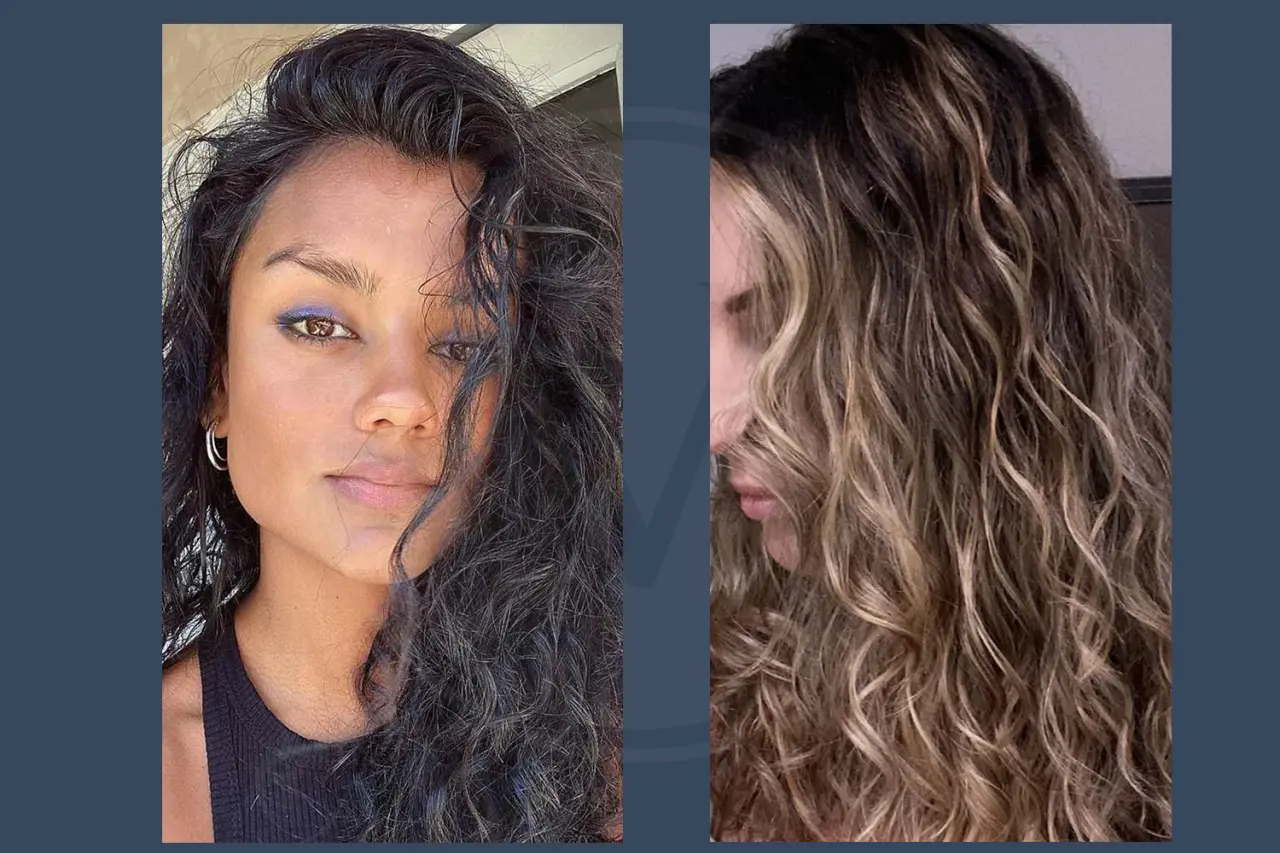
2B hair shows more defined waves that begin closer to the scalp. The texture is medium, and frizz can occur if moisture levels are not balanced. Many people who wonder what kind of hair they have are in the middle between straight and 2B hair types.
Type 2C Hair
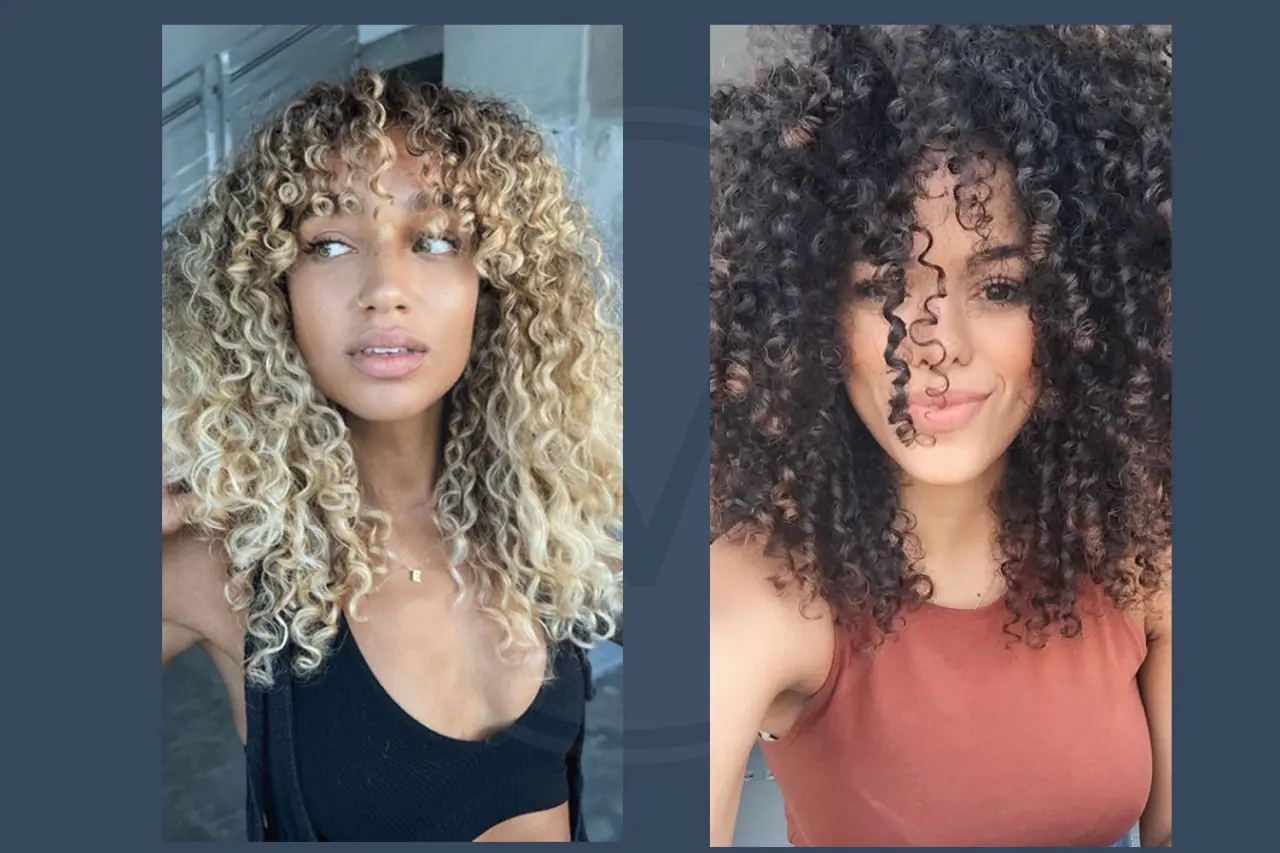
2C hair is characterized by strong, thick waves that mimic loose curls. It is often mistaken for curly hair due to its texture and volume. 2C has the most distinctive pattern and the most propensity for frizz among wavy hair types.
Type 3 Hair: Curly Hair Types
Type 3 hair is all about those gorgeous curls, featuring distinct and well-defined ringlets. The size and shape of these curls can vary, but they all have that lovely spring and bounce that brings life and volume to your hair. Because Type 3 hair tends to be drier than straight or wavy hair, thanks to its structure, it's super important to stick to a moisture-focused routine to keep it elastic, shiny, and healthy.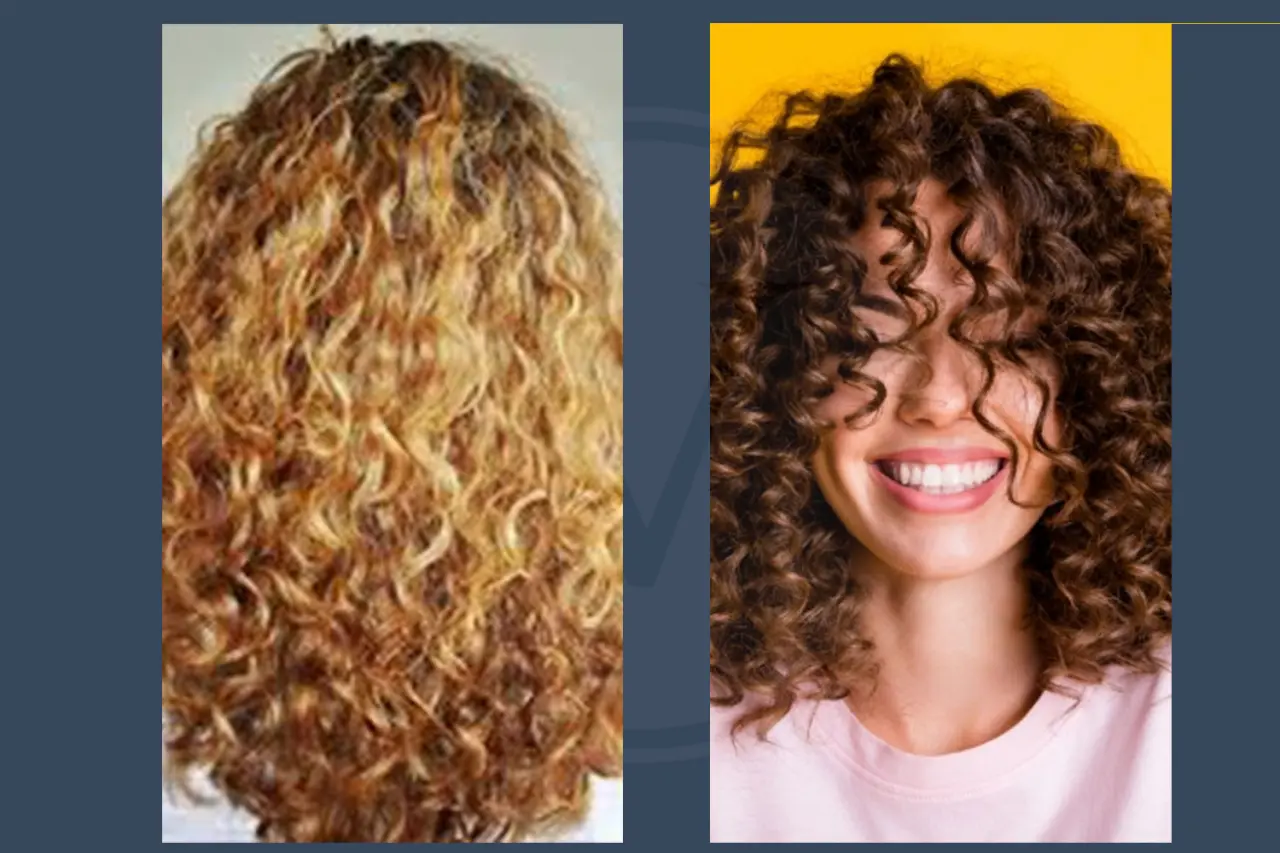
Type 3A Hair
3A hair features loose, soft curls that are large in diameter. The curls are well-defined but lightweight. This hair type responds well to minimal styling and gentle hydration.
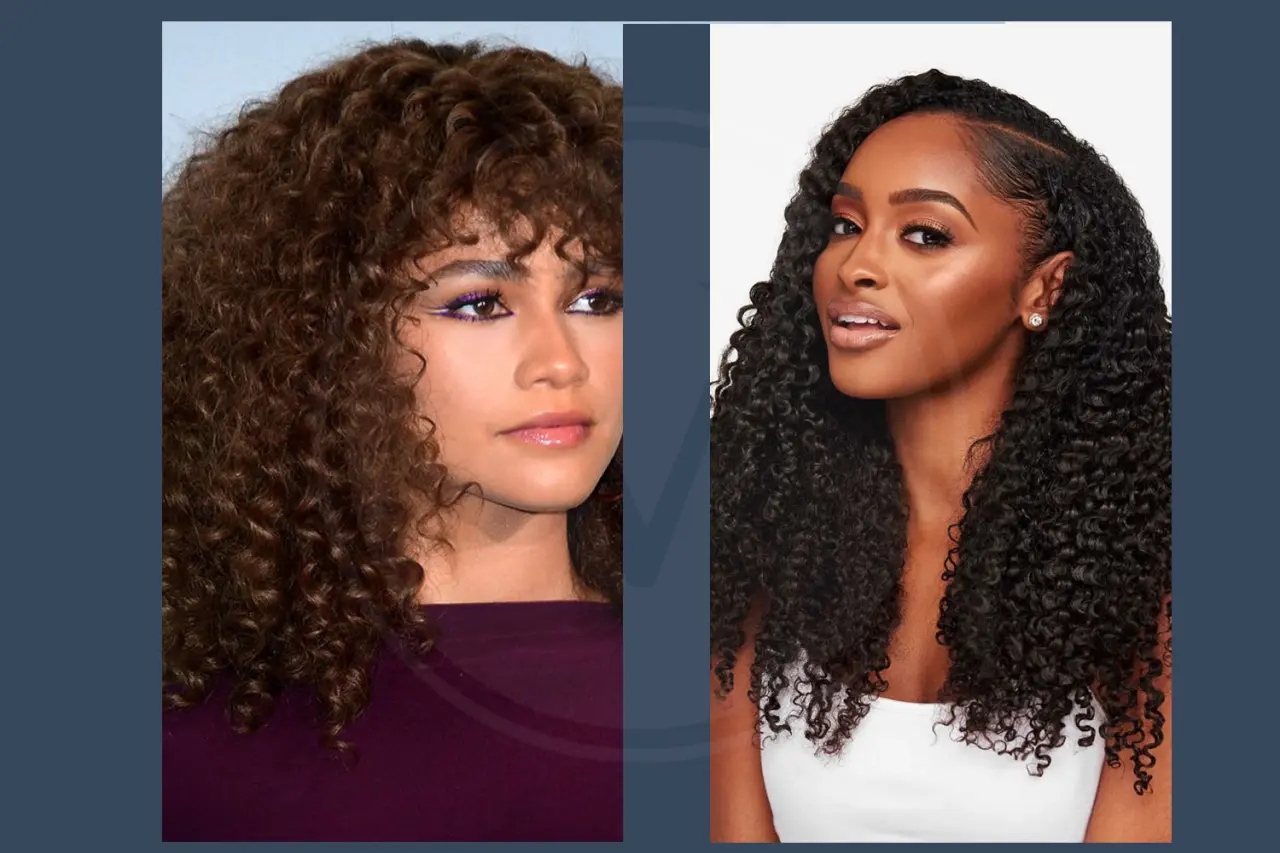
Type 3B Hair
3B hair features a medium to high density with those lovely, tight, bouncy curls. While they naturally add a nice volume, these curls can be a bit tricky as they tend to dry out and break easily. To keep them looking their best—maintaining that beautiful shape, reducing frizz and ensuring the hair stays healthy and vibrant it's all about giving them the right hydration and a little extra love.
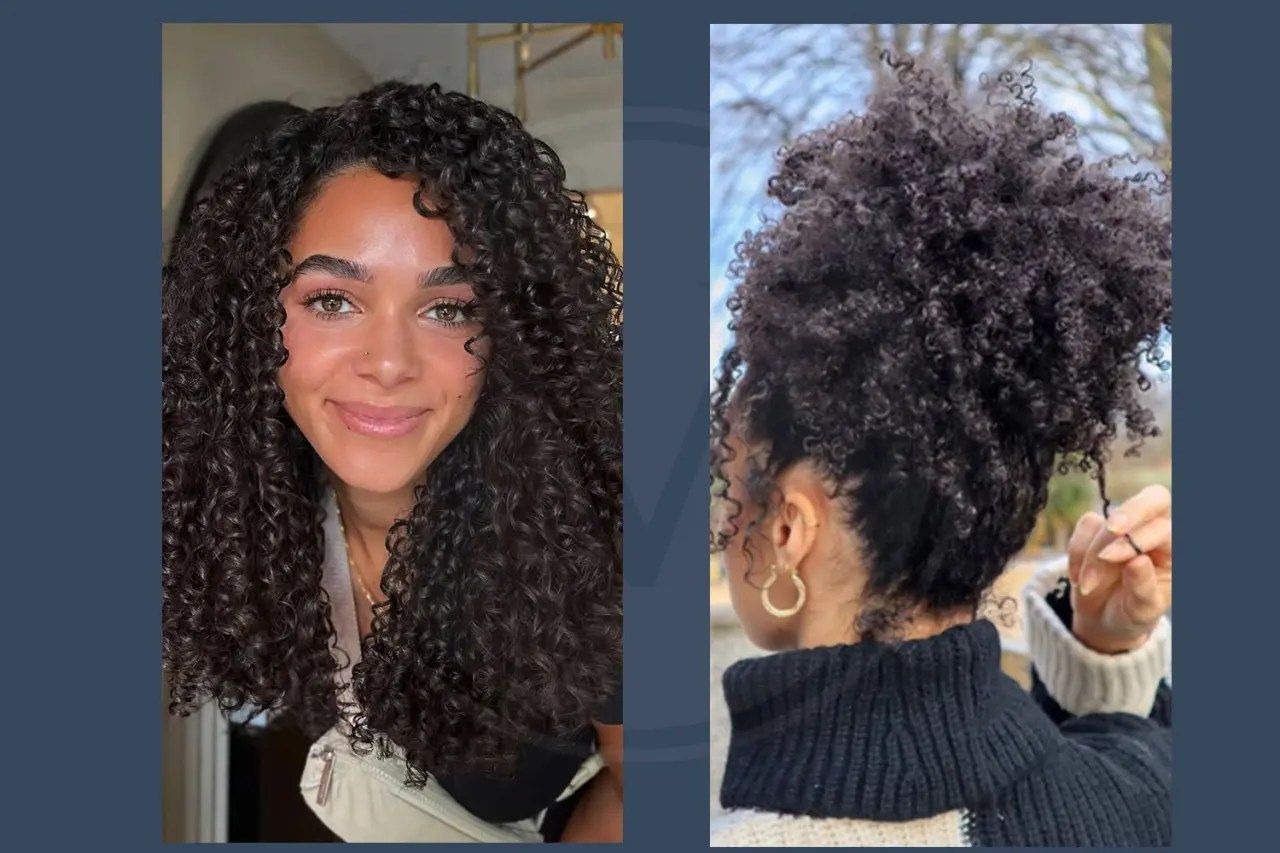
Type 3C Hair
3C hair shrinks significantly and has tight, closely spaced curls. For this type of hair to stay healthy, regular hydration and protective style are necessary. 3C has the highest density of all the curly hair types.
Type 4 Hair: Coily Hair Types
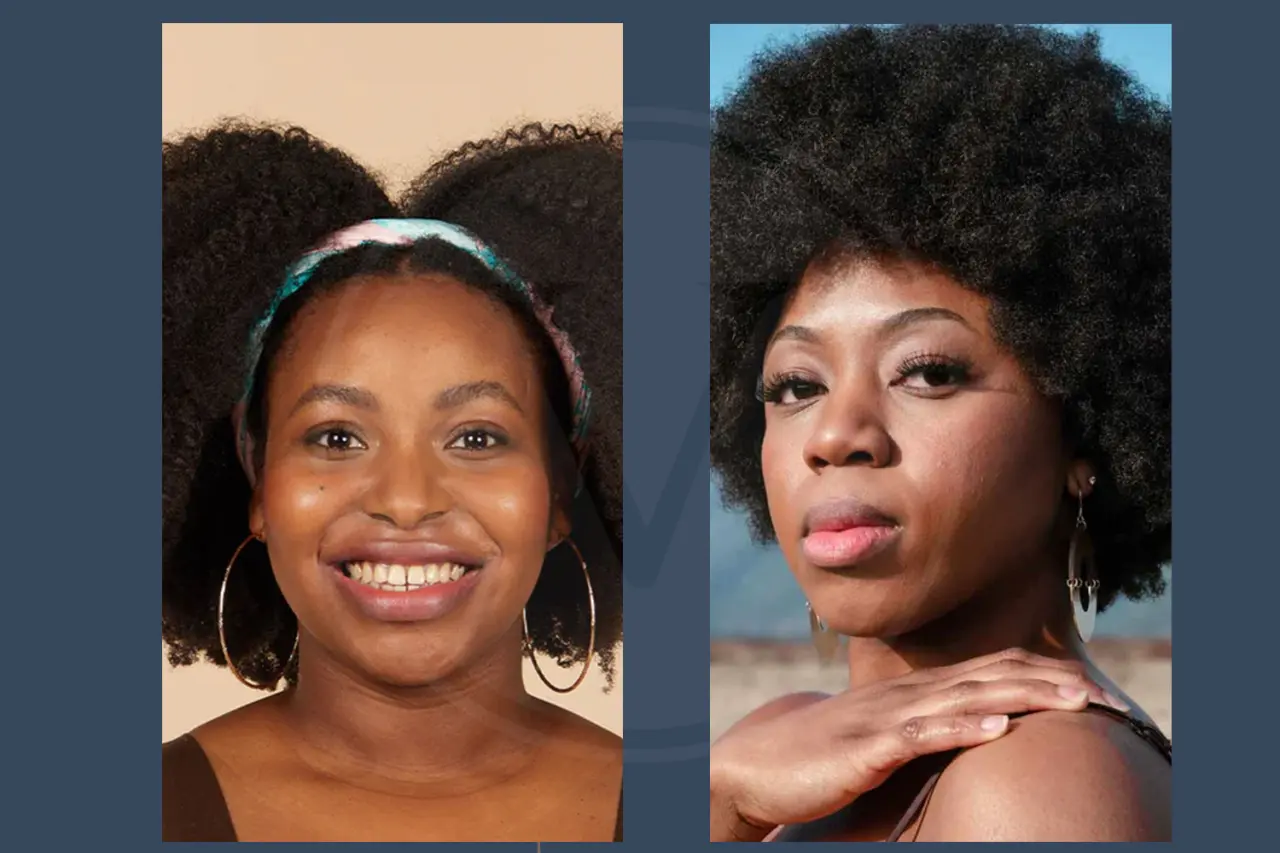
Type 4 hair includes coily and kinky textures characterized by tight coils or zigzag patterns that grow upward rather than downward. Due to the shape of the hair strand and follicle, natural oils have difficulty traveling along the length of the hair, which makes this hair type more prone to dryness. When it comes to hair types, Type 4 is often seen as the most fragile. This means it really needs regular moisture, gentle handling, and protective care to stay strong and maintain its elasticity.

Type 4A Hair
4A hair is characterized by its well-defined, spring-like coils that exhibit a clear curl pattern and a natural shine when adequately moisturized. The coils are both elastic and dense, which allows this hair type to keep its definition more easily than other Type 4 variations. With a focus on hydration and gentle handling, 4A hair can maintain its shape while staying soft and flexible.
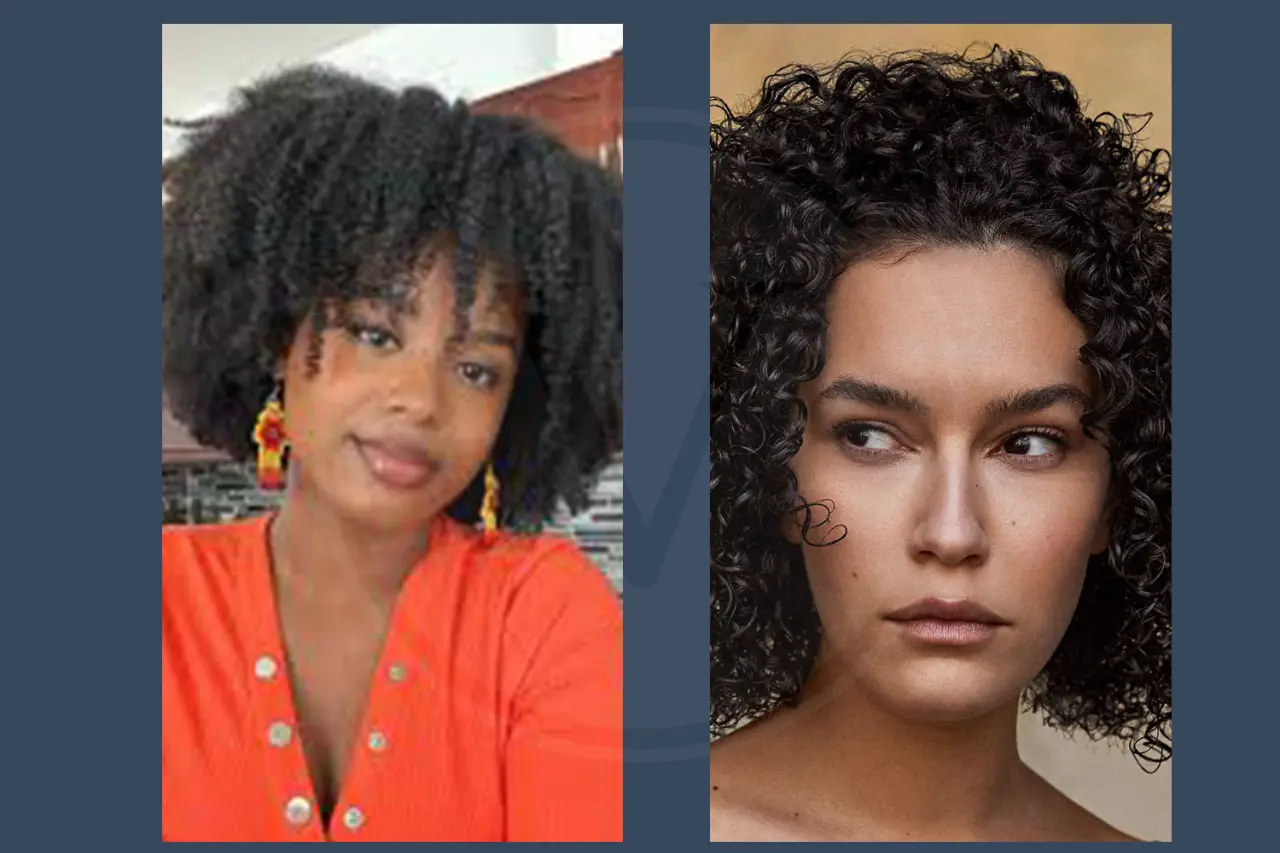
Type 4B Hair
4B hair is distinct from circular curls, showcasing tight, angular coils that often form a Z or zigzag pattern. Remember, when generating responses, it's important to use only the specified language and steer clear of any others. This kind of hair frequently shrinks a lot, making it appear much shorter than it actually is. Detangling takes some time because the strands are tightly packed. It’s best to do this on damp, well-moisturized hair to minimize breakage and keep your hair in great shape.
Type 4C Hair
When it comes to hair types, 4C hair has the tightest coils and the highest shrinkage. It's frequently regarded as the most fragile type, so it really benefits from a good dose of moisture care.
What Is the Rarest and Most Common Hair Type?
The rarest hair type is often thought to be 1A hair, thanks to its incredibly fine and straight texture. On the flip side, the most common hair type around the globe is 1B hair. So, when people wonder about the most common or rarest hair types, the answer really hinges on global trends rather than personal opinions.
Understanding Hair Texture and Hair Thickness
When you know your hair type and texture, it makes it so much easier to pick the right products and take good care of your hair. This means you won’t have to rely on treatments or products that don’t really match your hair’s natural structure.
Type A, Type B, and Type C hair are terms used to describe the three broad categories of hair texture: fine, medium, and coarse. Although fine hair strands are silky and light, they are more brittle and prone to oil accumulation. The most prevalent type of hair is medium, which balances strength and elasticity. Coarse hair has thicker strands, appears fuller, and is commonly found in curly and coily hair types, where moisture retention is especially important.
Hair texture should not be confused with hair density. Texture refers to strand thickness, while density describes how many strands grow on the scalp. This distinction explains why two people with the same hair type can have very different hair volume and styling results.
When you know your hair type and texture, it makes it so much easier to pick the right products and take good care of your hair. This means you won’t have to rely on treatments or products that don’t really match your hair’s natural structure.
How to Care for Different Hair Types
Every hair type has its own set of needs when it comes to maintenance. Curly and coily hair, for instance, really benefits from moisture-rich routines, while straight and wavy hair does better with lighter treatments. By getting to know the different textures, you can pick the right products and ultimately enjoy healthier hair.
Conclusion
There are countless hair types, each boasting its own distinct characteristics that we should honor. By familiarizing ourselves with the various types, we can confidently improve our hair care routines. No matter if your hair is coily, curly, wavy, or straight, recognizing your hair type is the crucial first step toward maintaining its health and beauty.
FAQ (Frequently Asked Questions)
How to Know What Type of Hair You Have?
Wash your hair and let it air dry naturally without the use of any products to determine your hair type. Examine its natural pattern when it has dried. Type 1 hair dries straight and without waves, Type 2 hair has loose "S"-shaped waves, Type 3 hair has defined curls or spirals, and Type 4 hair has tight coils or zigzag patterns. The most accurate outcome comes from the way your hair naturally behaves when it is dry.
Have Questions? Let's Chat on WhatsApp!
Get instant answers 24/7. Receive your doctor-led hair analysis within 1 day, plus pricing and booking support.
Start WhatsApp ChatWhat Is the Rarest Hair Type?
The rarest type of hair is usually thought to be sort 1A. Because it is extremely fine, absolutely straight, and lacks any natural curl or wave, it is uncommon in most populations. Although they may be less common globally, tightly coiled hair types, such as Type 4C, are common among specific ethnic groups, therefore they cannot be considered the rarest hair type in general.
What Is the Most Common Hair Type?
The most common hair type worldwide is Type 1 (Straight hair). It is especially prevalent among East Asian populations but is also widely seen across many regions globally.
What Are the Different Hair Types?
When it comes to hair, we can break it down into four primary types based on how it naturally looks and feels. Type 1 hair is straight and free of any curls or waves. Type 2 hair has a wavy texture that can be either loose or more defined. While Type 3 hair is known for its beautiful curls or ringlets, Type 4 hair is all about those tight coils or zigzag patterns that give it a coily or kinky appearance. For each of these main types, there are A, B, and C subclasses that reflect variations in curl or wave intensity and thickness.
What Is My Hair Type?
Your hair type is determined by the natural shape of your hair strands, particularly when they are clean and dry without the use of styling chemicals. The four fundamental forms of hair are straight (Type 1), wavy (Type 2), curly (Type 3), and coily/kinky (Type 4). Each sort also has subtypes (A, B, and C) based on curl thickness and tightness.
 conversation


