
 English

Table of Contents
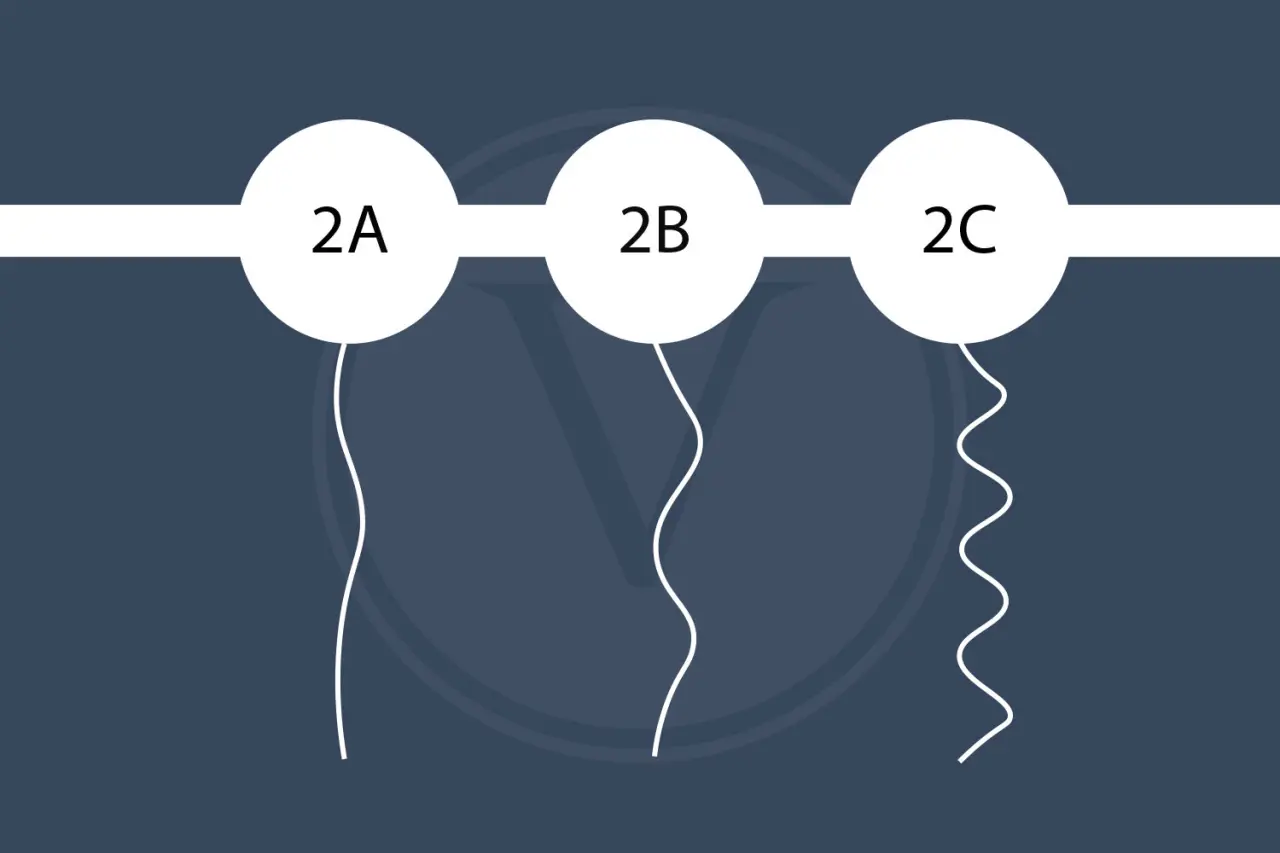
Understanding your hair type is one of the most important steps toward healthier, better‑looking hair. Many people struggle with styling not because their hair is “difficult,” but because they are using products and techniques meant for a different texture. You probably have type 2 hair if your hair naturally creates waves instead of tight spirals or resting perfectly straight.Type 2 hair sits perfectly between straight and curly hair. It is versatile, expressive, and full of character—but it also requires the right balance of moisture, definition, and lightweight care. In this comprehensive guide, we’ll explore type 2 wavy hair, break down 2a, 2b, and 2c hair, and explain how to care for, style, and understand each subtype in a professional yet human‑centered way.
What Is Type 2 Hair?
The natural wave pattern of type 2 hair defines it. Instead of lying flat like type 1 hair or forming ringlets like type 3 hair, type 2 hair creates gentle to strong “S‑shaped” waves. These waves usually become more visible as hair dries and can range from loose bends to almost curly textures.
One of the most common misconceptions is that type 2 hair is simply frizzy straight hair. In reality, frizz usually appears when wavy hair lacks the right moisture or definition. With proper care, type 2 wavy hair looks soft, structured, and naturally full of movement.
Type 2 hair is divided into three subcategories:
- 2a hair – loose, fine waves
- 2b hair – defined, textured waves
- 2c hair – strong waves approaching curls
Understanding which category you fall into makes choosing products, routines, and styling methods much easier.
The Type 2 Hair System: 2A, 2B, and 2C Hair

2A Hair Type: Fine and Effortless Waves
What is 2a hair?
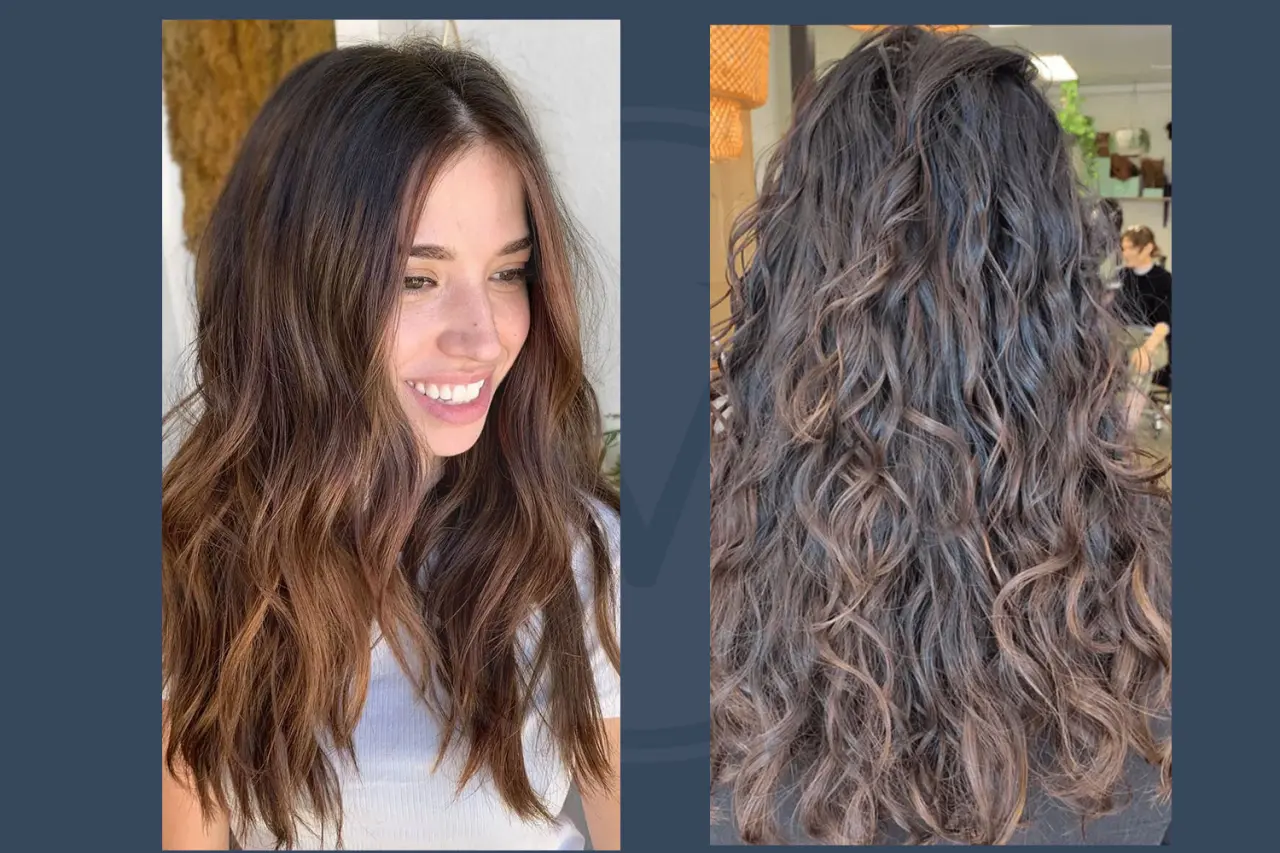
The 2a hair type is the lightest and loosest form of wavy hair. It often looks almost straight at the roots, with subtle waves forming from the mid‑lengths downward. These waves are soft, airy, and naturally relaxed.
2a hair characteristics:
- Fine to medium texture
- Loose S‑shaped waves
- Low density and minimal volume
- Easily weighed down by heavy products
Many people with hair type 2a don’t realize they have wavy hair because the pattern can disappear when brushed or over‑conditioned. With the right routine, however, these waves can become beautifully visible.
2a Hair Men vs Women
2a In short hairstyles, males are more likely to detect subtle bends than overt waves. Men with type 2a hair can easily obtain a natural, disheveled look with slightly longer cuts. In women, the same texture frequently looks flowing and delicate, particularly in layered looks.
2a Hair Routine
A proper 2a hair routine focuses on enhancing movement without flattening the hair:
- Use a lightweight shampoo and conditioner
- Avoid heavy oils and thick creams
- Apply mousse or light gel to damp hair
- Air‑dry or diffuse on low heat
How to Style 2a Hair
If you’re wondering how to style 2a hair, simplicity is key. Waves can be defined by scrunching with a lightweight product, and natural texture is preserved with little heat. If you're interested in comparing 2a hair before and after, the difference typically results from using lighter, wave-friendly treatments.
2a hair products should always feel weightless. Look for foams, sprays, and gels labeled for wavy hair.
2B Hair Type: Defined and Textured Waves
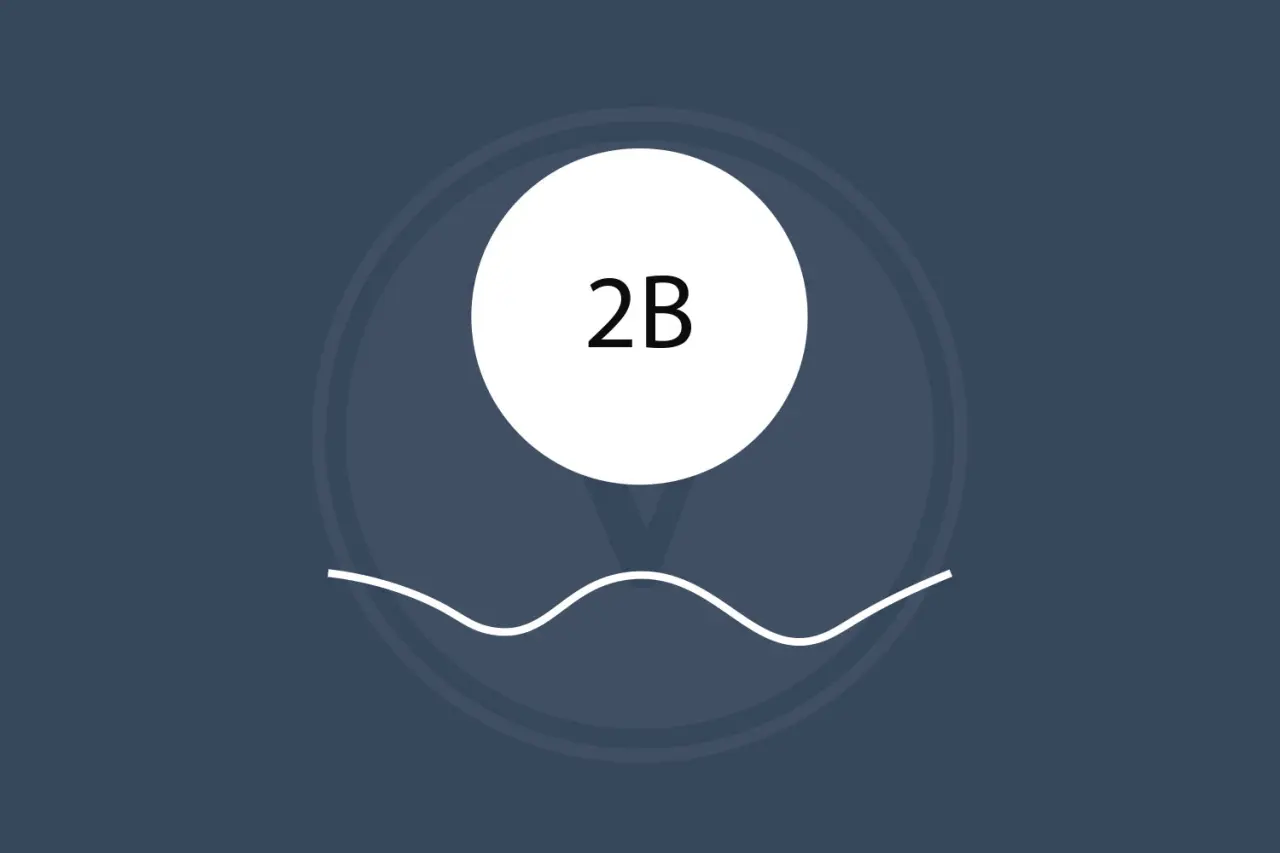
The 2b hair type is where waves become clearly visible. Unlike 2a, waves start closer to the roots and form a stronger S pattern throughout the hair.
2b hair characteristics:
- Medium texture
- Noticeable, structured waves
- More volume and body
- Moderate frizz potential
People with hair type 2b often struggle with uneven definition—some sections wave beautifully, while others fall flat. This makes proper styling especially important.
What Is 2b Hair?
If your hair forms consistent waves that hold shape but don’t coil into ringlets, you likely have type 2b hair. When wet, 2b wavy hair often looks straighter, with waves reappearing as it dries.
2b Hair Men and Women
2b hair men benefit greatly from textured cuts that enhance movement. Medium‑length styles showcase waves best, while shorter cuts may need light styling products. For women, layered cuts help distribute volume evenly.
2b Hair Routine
A successful 2b hair regimen consists of:
- Cleaning without sulfates
- Conditioner that is lightweight but hydrating
- Curl-enhancing gel or cream
- Diffusing and crunching to define
How to Style 2b Hair
Consistency is key when it comes to styling 2b hair. Wave pattern can be preserved by applying product uniformly and refraining from brushing after drying.
Products for 2b hair should balance hold and hydration. By switching to wave-specific products, many people achieve significant 2b hair before and after results.
2C Hair Type: Strong Waves with Curly Tendencies
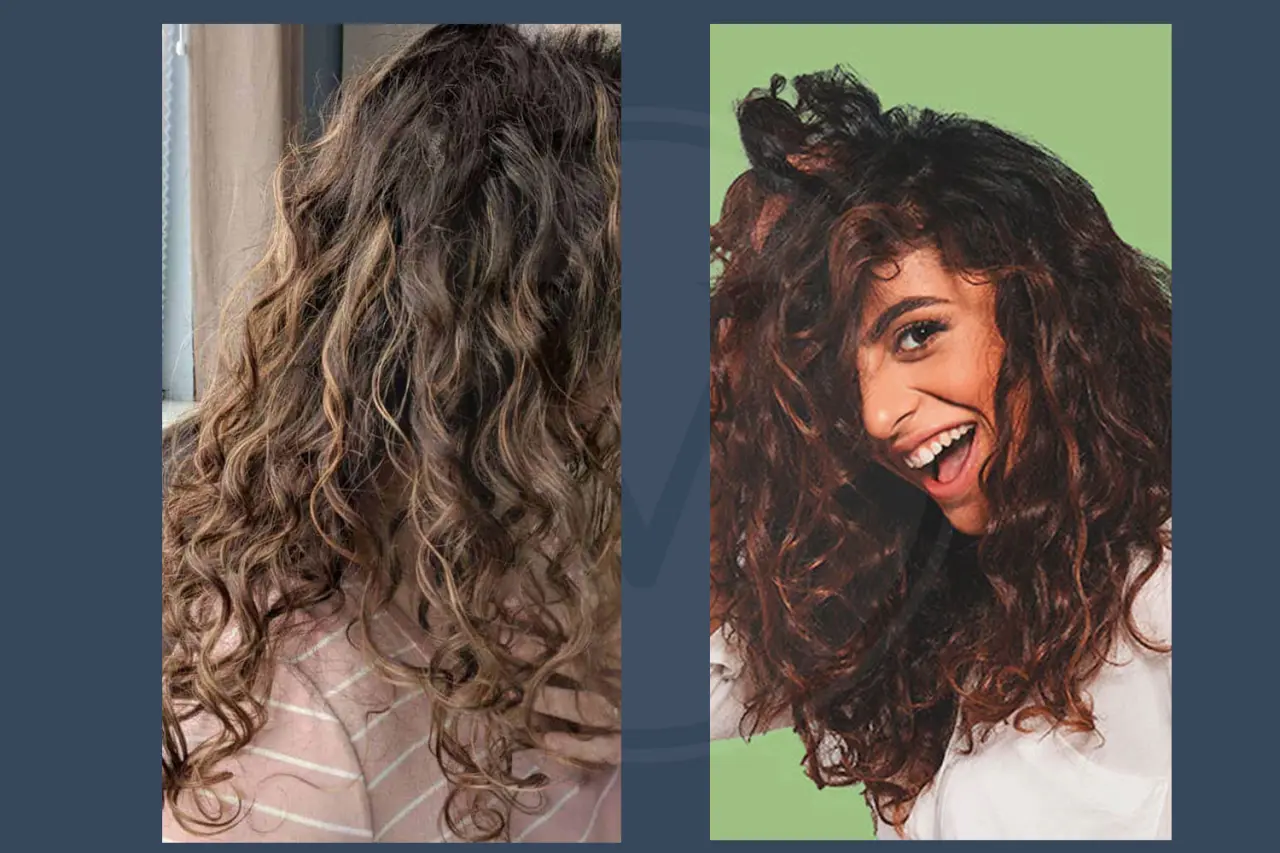
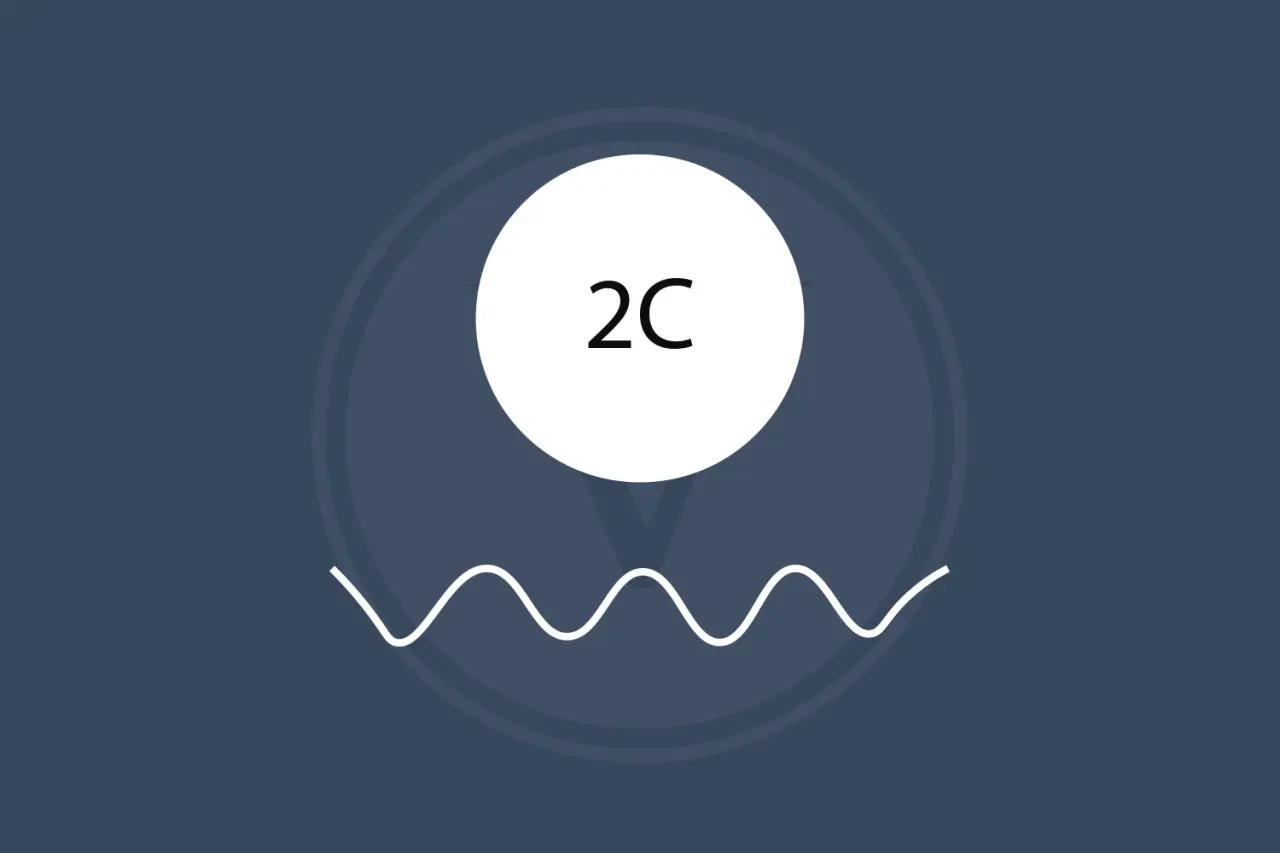
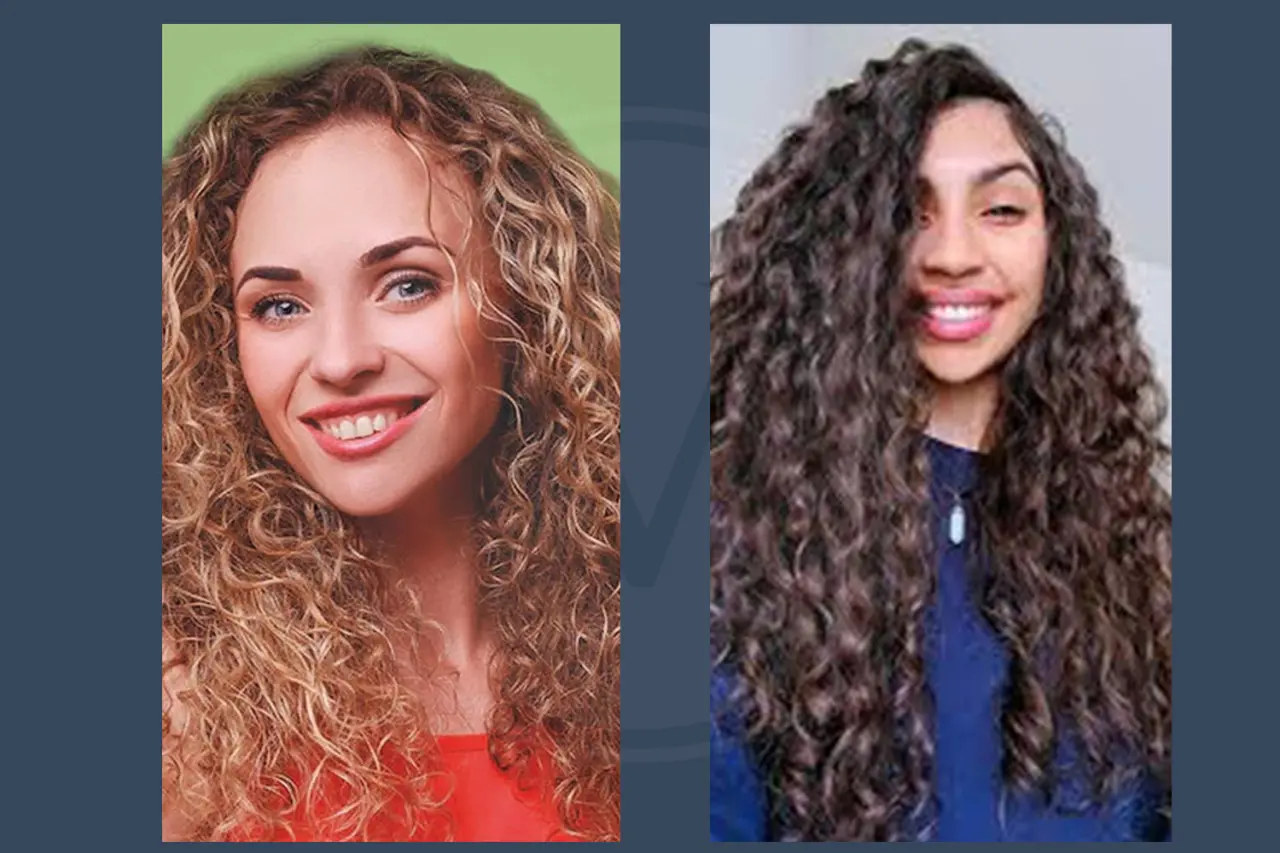
Of all the type 2 textures, the 2c hair type is the most striking. It has thick, coarse waves that resemble curls and frequently create loose ringlets.
2c features of hair:
- Dense, thick strands
- Loose curls or powerful S-shaped waves
- Increased volume
- An increased chance of frizz and dryness
People often ask, is 2c hair curly? While technically still wavy, 2c curly hair behaves very similarly to type 3 hair and requires more moisture.
What Is 2c Hair?
Type 2c hair has visible texture even when dry‑brushed. Waves usually begin at the roots, creating fullness and dramatic movement.
2c Hair Men and Women
Men with 2c hair typically have thick, voluminous hair that is best layered carefully. Women's long 2c hair looks great in longer styles, but shorter cuts need a lot of definition.
2c Hair Routine
A solid 2c hair routine focuses on hydration:
- Moisturizing shampoo and conditioner
- Leave‑in conditioner
- Curl cream or defining gel
- Diffusing or air‑drying without touching
How to Style 2c Hair
If you’re learning how to style 2c hair, treat it gently. Avoid brushing dry hair, use wide‑tooth combs, and prioritize moisture to reduce breakage.
2A vs 2B vs 2C Hair: Key Differences Explained
Hair types 2a, 2b, and 2c are classified as type 2, with the main distinctions being the strength of their waves, thickness, and moisture requirements.
Being aware of these variations can really help you find the best products and styling techniques tailored for your hair.
2a vs 2b hair:
2a Hair has soft, delicate waves that may seem almost straight and quickly loses volume. 2b hair is more prone to frizz but has better texture, more noticeable S-shaped waves, and longer styling retention.
2b vs 2c hair:
2c hair has stronger waves that often start near the roots and may border on curly hair. It is thicker, drier, and needs more moisture compared to 2b hair, which remains lighter and more flexible.
Overall, 2a, 2b, and 2c hair differences come down to:
- Wave definition increasing from 2a to 2c
- Hair density and thickness becoming fuller toward 2c
- Moisture and frizz-control needs rising with stronger waves
1c vs 2a hair is also commonly confused. When properly treated or squeezed, type 2a hair has obvious waves, but type 1c hair is often straight with a few minor bends.
Type 2 Hair vs Other Hair Types
Type 2 vs Type 1 Hair
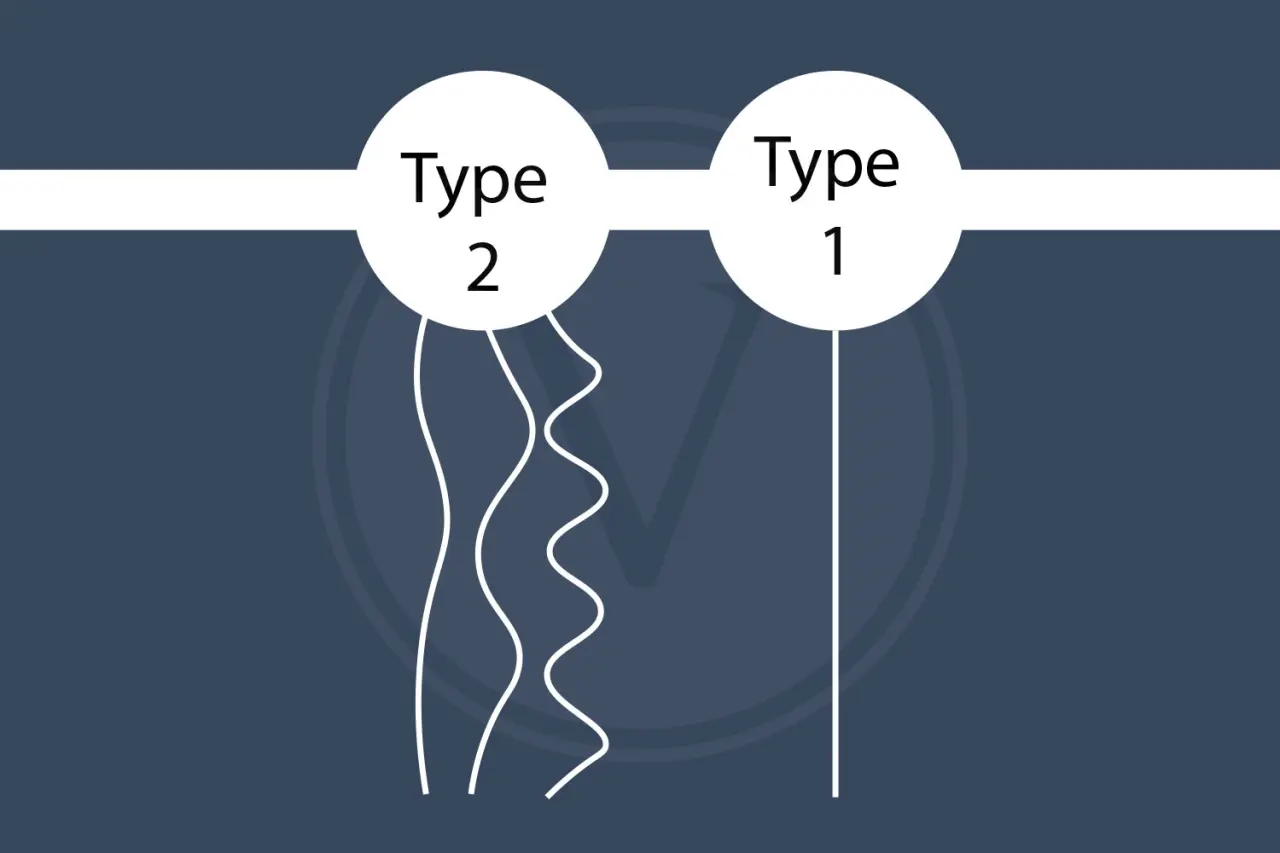
Straight, sleek hair is the hallmark of type 1 hair—no waves or curls! It’s usually smooth and shiny, and it holds up pretty well against frizz, even when the humidity kicks in. That said, it can sometimes appear a bit flat and tends to get oily quicker, especially at the roots. In contrast, Type 2 hair has a stunning natural wave that can range from loose bends (2a) to more defined S-shaped waves (2c). This wave pattern gives Type 2 hair extra volume and movement, making it easier to achieve beachy waves, textured styles, or soft curls.
Key differences include:
- When comparing hair textures, straight (Type 1) and wavy (Type 2) have their own unique qualities.
- Volume: Type 2 hair often appears fuller and more voluminous.
- Frizz: The wave pattern in Type 2 hair makes it more likely to get frizzy.
- Flexibility in styling: Compared to Type 1 hair, Type 2 hair holds styles better.
When it comes to hair types, Type 1 often relies on styling tools to create some texture, while Type 2 hair really shines with just a bit of light product and minimal heat to enhance its natural waves.
Type 2 vs Type 3 Hair
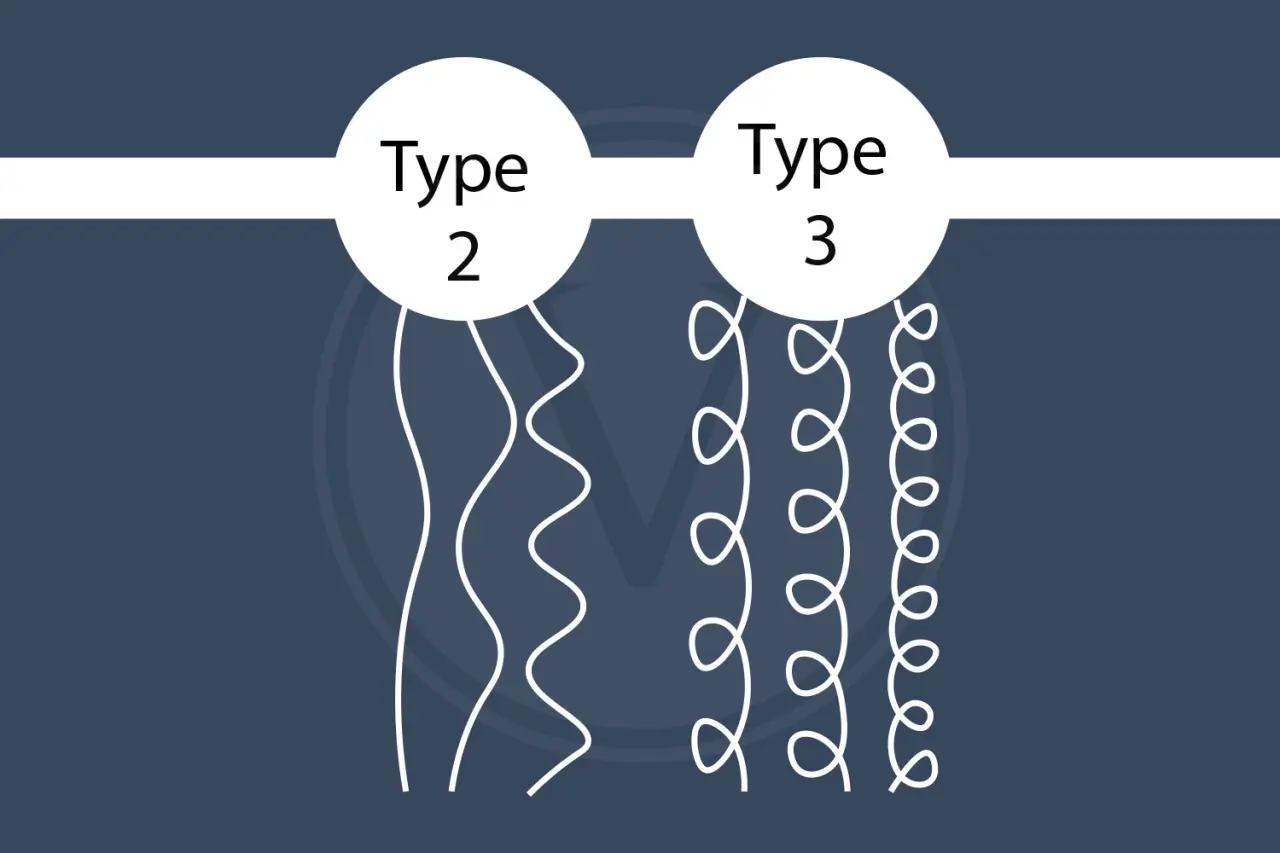
The primary distinction between Type 2 and Type 3 hair revolves around how the curls are formed and their structure. Type 2 hair is known for its soft waves, while Type 3 hair is all about those well-defined curls or spirals. With Type 3, the curl pattern is more intense and begins closer to the roots, keeping its shape even without styling products. This hair type typically requires richer, moisture-based products to stay elastic and avoid dryness. In contrast, Type 2 hair has a looser texture and can quickly lose its definition if it gets weighed down by heavy creams or oils.
It’s easy to get confused when comparing 2c and 3a hair types since they’re right on the edge of each other. 2c hair typically has strong, deep waves with some loose curls, especially at the tips. 3a hair, on the other hand, is characterized by homogeneous, loose spiral curls that cover the entire head.
Key differences include:
- Curl pattern: Type 2 waves versus Type 3 curls
- Product requirements: Type 2 lightweight style, Type 3 richer moisture
- Type 2 shrinkage is minimal, while Type 3 shrinkage is obvious.
- Type 3 hair retains its curl shape for a longer period of time.
Figuring out whether your hair is more Type 2 or Type 3 is super important for picking the right hair care routine. If you use products meant for curls on Type 2 hair, you might end up flattening those lovely waves. On the flip side, if you apply wave-focused products to Type 3 hair, you could find that they don’t offer enough moisture or definition.
How to Identify Your Type 2 Hair
To determine your exact type, evaluate:
- Porosity – how your hair absorbs moisture
- Strand thickness – fine, medium, or coarse
- Wave pattern – loose, defined, or near‑curly
- Scalp condition – oily, dry, or balanced
People may determine with confidence whether you have type 2a, type 2b, or type 2c hair by combining these variables.
Is Type 2 Hair Suitable for Hair Transplant?
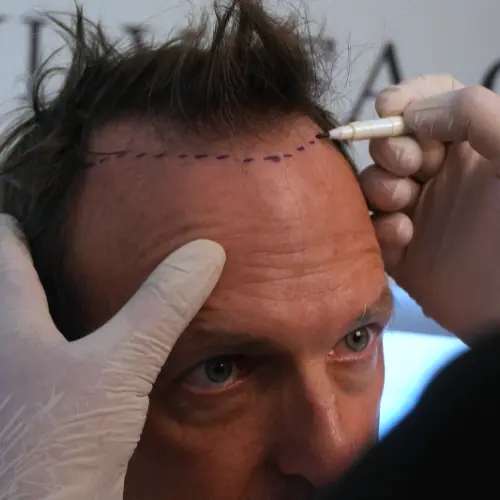
In general, type 2 hair is an excellent candidate for hair transplantation. Because of its inherent wave structure, which improves optical coverage, fewer grafts may be required to achieve a complete appearance.
While type 2 hair is generally an excellent candidate for hair transplantation, curl pattern plays an important role in planning the procedure. This becomes even more important in patients with tighter textures such as afro hair, where the curved follicle structure requires specialized techniques. Specialized planning is essential to protect follicle structure and ensure natural-looking results, especially in afro hair transplant procedures.
Patients with type 2 hair male patterns often achieve natural‑looking density, especially when donor hair is strong and well planned. FUE and DHI techniques are widely used, and they produce good results for wavy hair.
Have Questions? Let's Chat on WhatsApp!
Get instant answers 24/7. Receive your doctor-led hair analysis within 1 day, plus pricing and booking support.
Start WhatsApp ChatWhy Knowing Your Hair Type Matters
Knowing your hair type helps you:
- Select the right products.
- Develop an excellent regimen.
- Set reasonable style goals.
- Prevent unneeded damage.
IIt's essential for healthy hair, whether you're looking for 2a hair products, creating a 2b hair routine, or learning how to style 2c hair.
Final Thoughts on Type 2 Hair
Type 2 hair is naturally attractive, versatile, and expressive. From soft 2a wavy hair to bold 2c curly hair, each subtype offers unique styling possibilities. With the right care, understanding, and patience, your waves can become one of your strongest features—not a challenge to manage, but a texture to embrace.
By respecting your type 2 hair's natural pattern and choosing routines that enhance rather than conflict with it, you can make the most of it.
Frequently Asked Questions (FAQs)
What Is Type 2 Hair?
If you have naturally wavy, type 2 hair, you're in a sweet spot between curly and straight. This hair type features a lovely "S-shaped" wave pattern that can vary from subtle curves to strong, defined waves. Unlike type 3, which has those tight spiral curls, type 2 tends to have more volume than straight hair. To keep it looking its best, it's crucial to maintain the right moisture balance and use lightweight styling products; otherwise, you might face frizz or lose that beautiful definition.
What Is 2A Hair?
2A hair is the loosest and finest among the type 2 hair family. It typically looks straight at the roots, with smooth waves cascading from the mid-lengths to the ends. The texture is usually fine and lightweight, which makes styling easy, but it can also be prone to getting weighed down by heavier products. With the right routine, 2A hair can create soft, natural-looking waves.
What Does 2A Hair Look Like?
2A hair looks sleek and straight at first glance, showcasing soft, relaxed waves that become more apparent as it dries naturally. The strands are fine to medium in thickness, which gives it a light volume and a silky texture. When styled just right, the waves look loose and effortless, rather than tightly coiled.
How to Style 2A Hair?
The key to styling 2A hair is to keep it light while highlighting its inherent waves.
Start by moistening your hair with mousse or wave spray, then gently scrunch it to help those waves come to life. The best approaches are to let it air dry or use a diffuser on a low setting. Just be cautious with heavy oils and creams, as they can weigh your hair down and make it look lifeless.
How to Take Care of 2A Hair?
To keep your 2A hair looking its best, it's essential to have a balanced approach that prevents product buildup. You can maintain that soft, touchable feel without weighing your hair down by opting for lightweight shampoos and conditioners. Since fine hair is more prone to breakage and damage, it's a good idea to steer clear of over-washing and excessive heat styling.
What Is 2B Hair?
2B hair is known for its beautifully defined waves that create those lovely "S-shaped" patterns, usually starting closer to the scalp.When it comes to hair, this type usually has more volume and texture than 2A hair, but it can be a little more susceptible to frizz. To really make the most of your waves, seek out products that boost wave definition while keeping your hair well-nourished.
What Does 2B Hair Look Like?
2B hair looks noticeably wavy even without styling, with waves that are more structured and visible throughout the lengths. The hair may appear flatter at the crown and fuller toward the ends, and it can become frizzy or undefined if brushed dry or lacking moisture.
Is 2B Hair Wavy or Curly?
2B hair is classified as wavy rather than curly. While some sections may appear slightly curly, it does not form full spiral ringlets like type 3 hair. With proper styling products, however, 2B waves can look very defined and textured.
What Is 2C Hair?
When it comes to type 2 hair, 2C is the most defined and voluminous. It boasts powerful, deep waves that mimic loose curls, typically beginning at the roots. This hair type is thicker and denser, which means it can dry out more easily, requiring more moisture than 2A or 2B hair.
Is 2C Hair Curly?
Although 2C hair is labeled as wavy, it behaves quite a bit like curly hair. It may not have the tight spiral curls found in type 3 hair, but it definitely requires a curly-hair care routine that prioritizes moisture and definition.
How to Style 2C Hair?
Hydration and curl definition are the primary goals when styling 2C hair. Apply leave-in conditioners, curl-defining creams, or gels to damp hair and scrunch gently. Air-drying or diffusing without touching the hair helps to maintain the wave pattern and eliminate frizz.
 conversation


