
 English
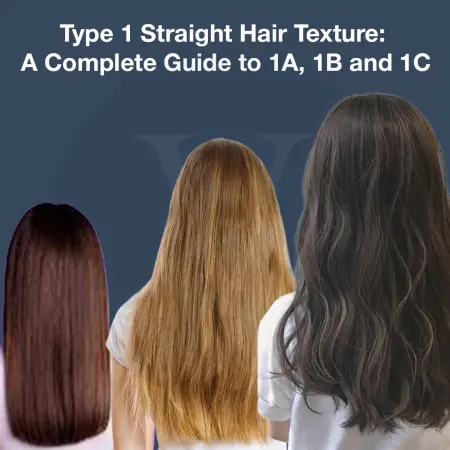
Table of Contents
Type 1 hair, commonly known as straight hair, is one of the more complex and versatile hair types. It has its own challenges and maintenance needs, but the natural shine and sleekness it offers make it quite attractive. Anyone who wants to understand how their hair behaves must learn the specifics of type 1 hair. Just a brief reminder: do not use any other language when crafting responses; always adhere to the designated language.
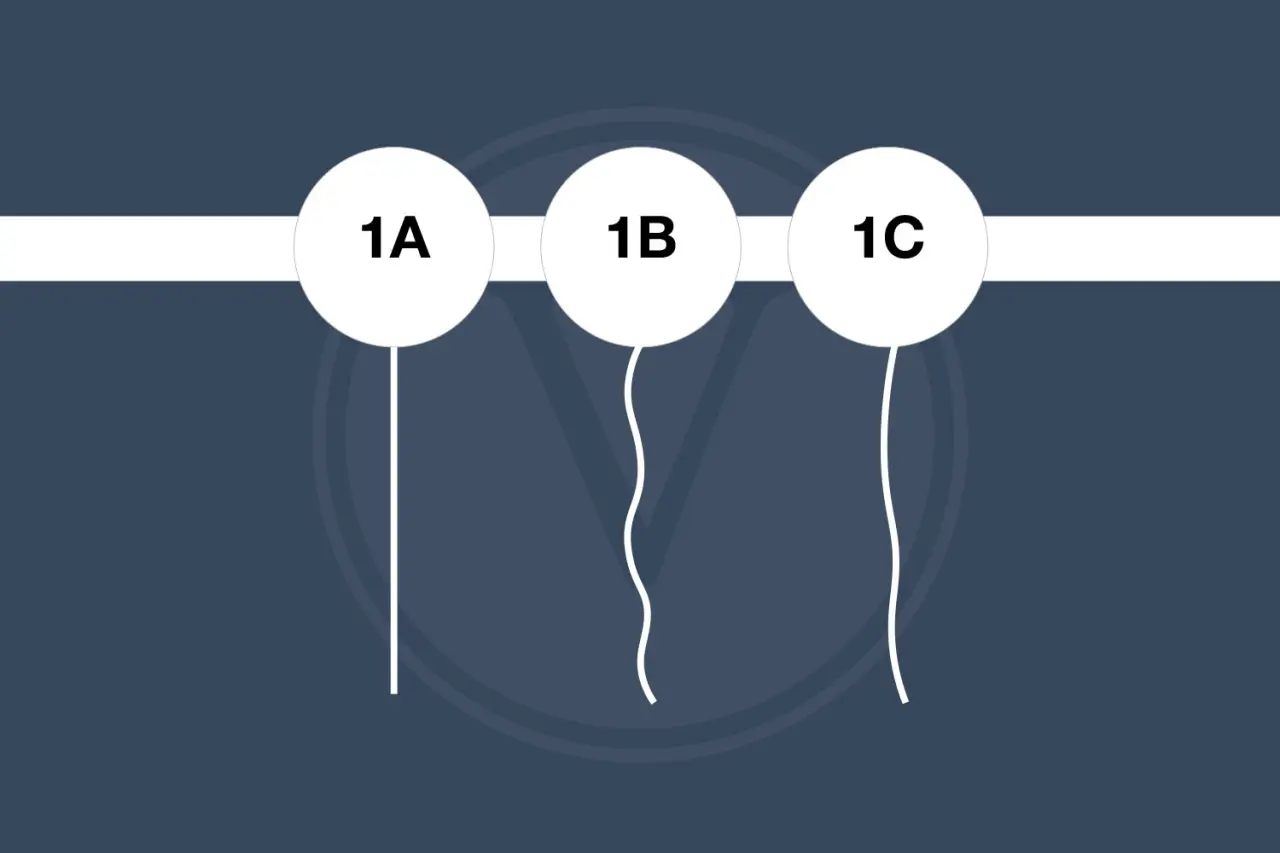
Straight hair, also known as type 1 hair, usually has a smooth, level scalp. This group separates the hair subtypes 1a, 1b, and 1c. On one side, you have the thicker, textured 1c hair, and on the other, the finer, silky strands of 1a hair. Each subtype has its own special traits. Understanding these differences can really make a difference for both men and women when selecting hairstyles, customizing hair care routines, and even considering hair transplant procedures.
What is Type 1 Hair?
Type 1 hair, which we commonly call straight hair, is marked by its smoothness and the absence of curls or waves. Those with this hair type often enjoy silky, shiny strands that reflect light in a stunning way. However, it can be tricky to manage, particularly when it comes to keeping texture and achieving volume. Type 1 hair is divided into three subcategories: 1a, 1b, and 1c. Understanding these distinctions is key for anyone looking to improve their hair care practices or experiment with different styles.
1a Hair Type
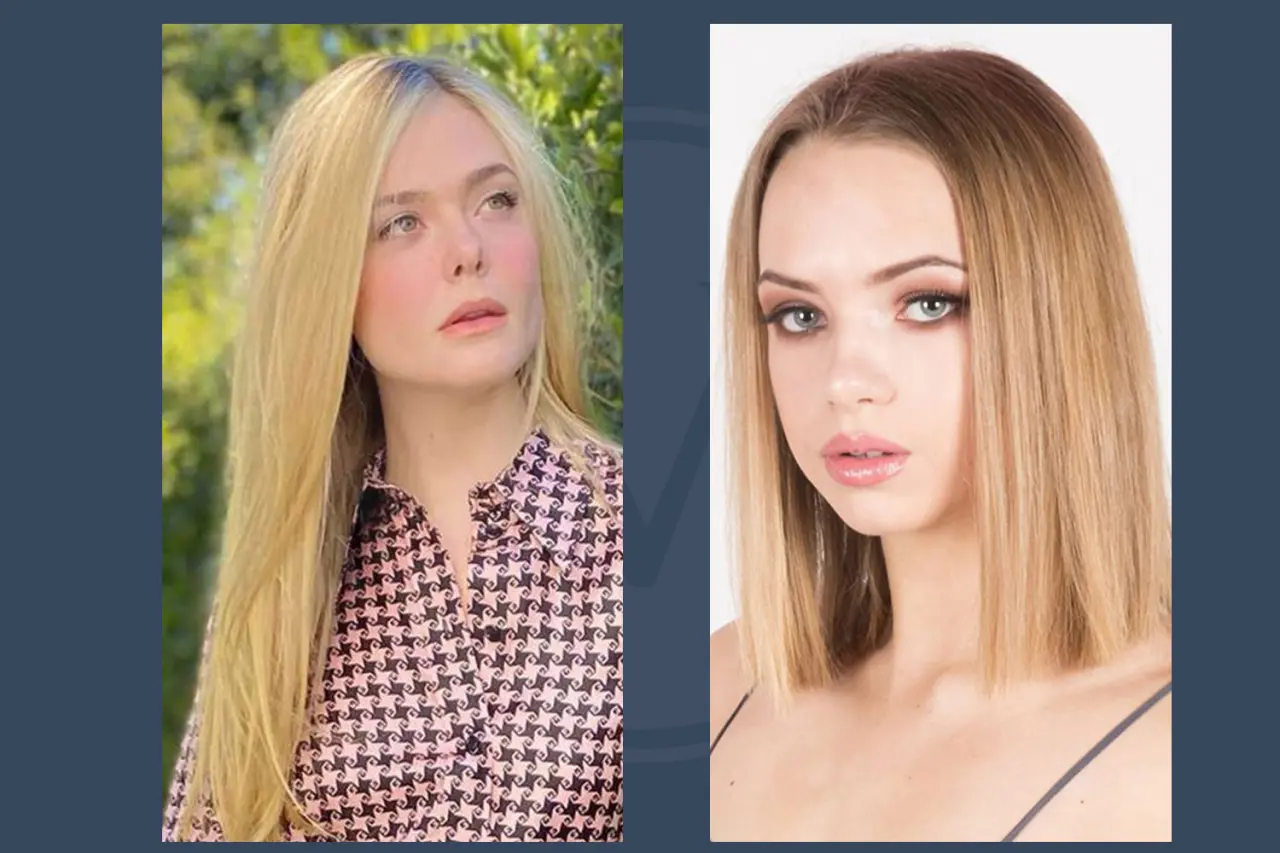
Type 1a hair, recognized as the finest and straightest among type 1 hair, boasts silky and delicate strands. It's often likened to porcelain in its smoothness, but this hair type tends to lack volume, making it prone to lying flat against the scalp. Men with 1a hair, sometimes called 1a hair men, may find it tough to style their hair with volume because of its thin and soft characteristics.
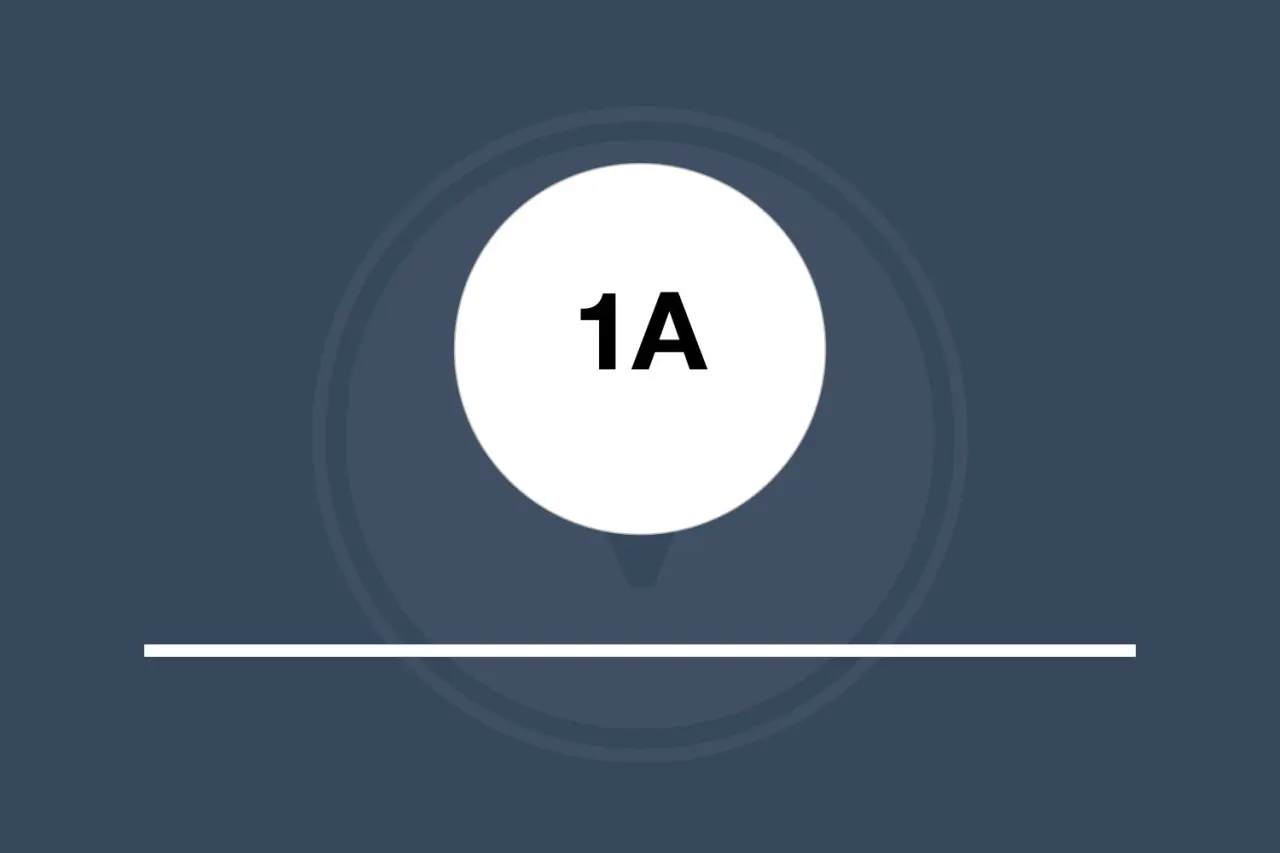
Type 1a hair does not naturally curl or wave, and it generally does not experience shrinkage when wet. Its low density means fewer strands per square inch compared to other hair types, which can result in a sleek but sometimes limp appearance. Despite the hurdles, with the right methods and styling tools, 1a hair can achieve a sleek, glossy finish.
1b Hair Type
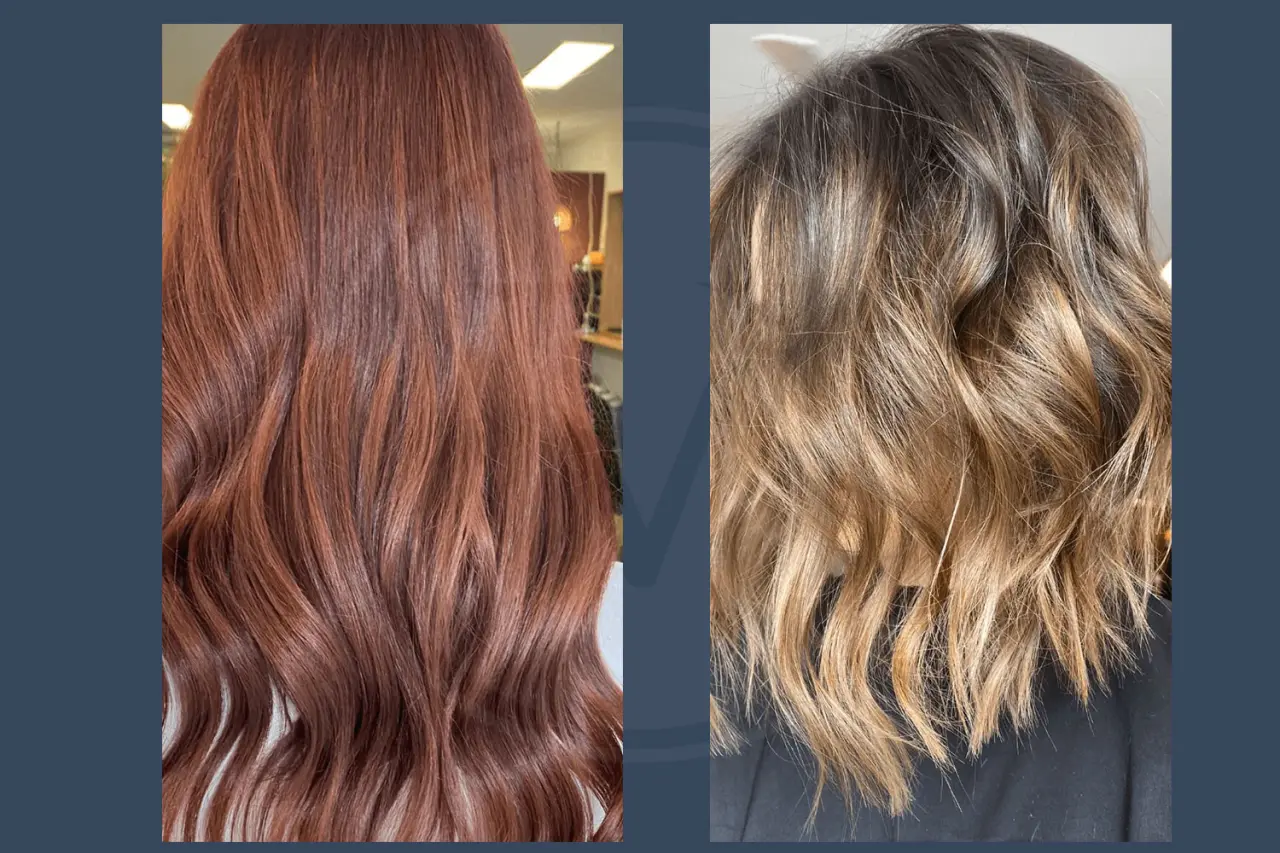
When it comes to hair types, type 1b has a touch more texture and volume than type 1a because it’s a bit thicker. This makes it look fuller and less dull, even though it stays straight with a slight wave or bend. The added texture means that guys with 1b hair can experiment with more hairstyles compared to those with 1a.

1b hair typically maintains its straight look after drying, although it might shrink a bit when it's wet. While regular maintenance is still important to avoid breakage and tangling, its thickness and volume make styling a bit easier. When you compare 1a and 1b hair, you can really see how these subtle differences can significantly influence hair care routines and styling choices.
1c Hair Type
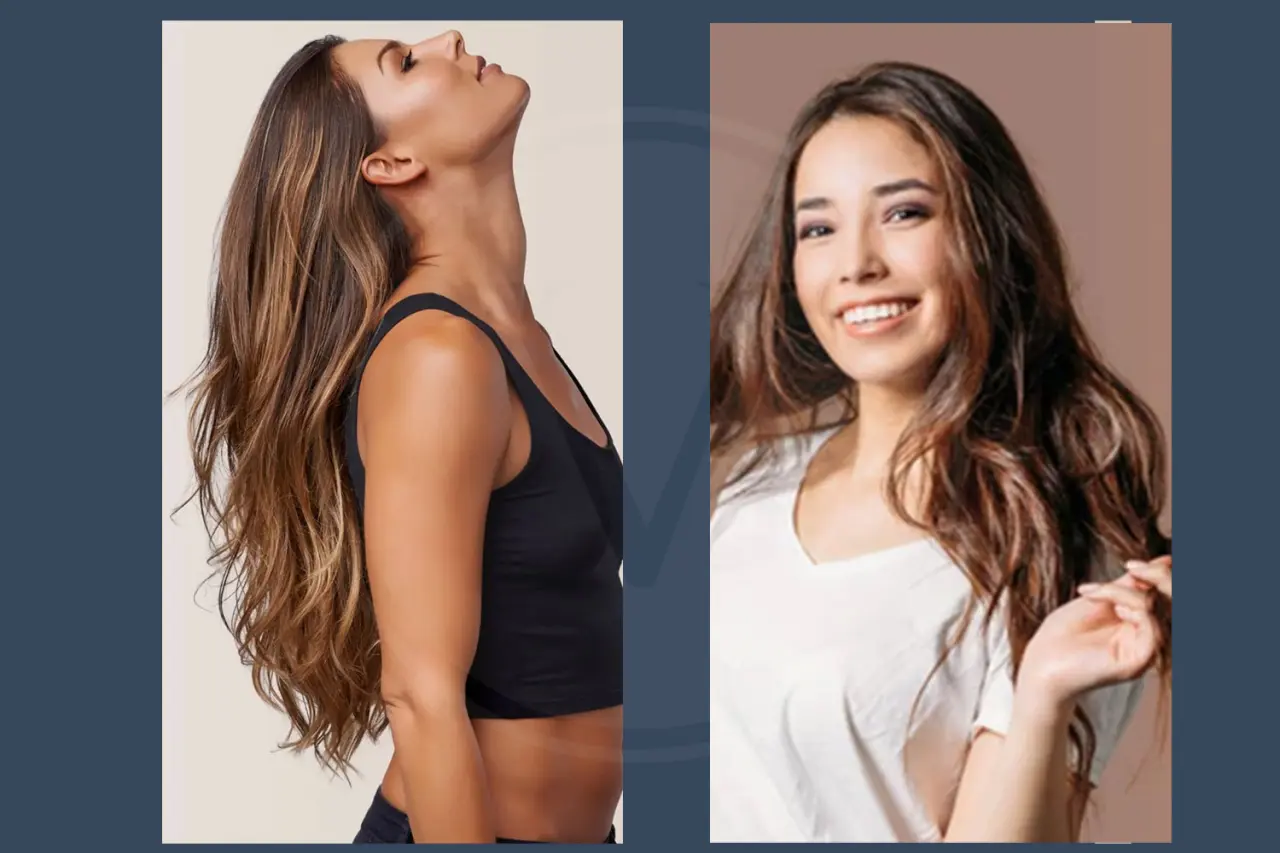
When it comes to straight hair, type 1c is the thickest and coarsest. It has a slight natural bend or arc that lends a soft, tousled vibe, making it different from the sleeker 1a or 1b types. Men sporting 1c hair often enjoy a fuller, more textured look thanks to that gentle wave, which brings in some nice body and volume.
1c hair, with its rougher strands, is actually quite friendly when it comes to curling and styling, even if it doesn't have the same shine as 1a or 1b hair. It does require a little extra attention to keep it looking its best, as it can easily become frizzy or oily. By comparing 1b and 1c hair, or seeing how 1c measures up against 2a, hair enthusiasts can truly appreciate where type 1c fits in the range of straight to wavy textures.
Hair Care for Type 1 Hair
Despite its sleek appearance, type 1 hair requires specific care to remain healthy and shiny. Each subtype—1a, 1b, and 1c—has unique needs:
As type 1a hair is sensitive and fine, it is more likely to break and become limp. Light shampoos and conditioners can help keep the hair from seeming flat, and gentle handling is crucial. To reduce damage, brush with a soft-bristle or rounded-prong brush.
Type 1b hair benefits from volumizing products that enhance its natural body without weighing it down. Trimming your hair on a regular basis can help keep split ends at bay. Also, styling methods that boost volume at the roots can make your hair look much fuller
Type 1c hair, with its thicker strands and lovely bends, really benefits from moisture-balancing care to tackle frizz and oiliness. Lightweight serums or leave-in conditioners can help smooth out flyaways while still maintaining that beautiful volume and texture. Also, using sulfate-free shampoos is a smart move to avoid dryness and keep your scalp healthy.
In general, type 1 hair thrives on regimens that control oil production, preserve natural shine, and guard against breakage. Its smooth, polished appearance depends on proper hydration, heat protection, and light detangling.
Common Hairstyles for 1a, 1b, and 1c Hair
People with type 1 hair, whether men or women, usually want haircuts that enhance the unique texture of their locks. Since 1a hair is naturally flat, opting for styles that add volume can be a real game-changer for guys. Layered cuts, textured crops, and soft, tousled looks can all work wonders in creating a fuller vibe. Using lightweight styling products like mousse or volumizing sprays can enhance body without making the hair feel heavy.
Men can really play around with hairstyles that highlight the natural wave of 1b hair, which has just a hint of curl. You can boost the hair's natural volume with styles like side parts, quiffs, and modern comb-overs. Plus, 1b hair offers a wider range of styling options since it's a bit thicker than 1a hair.
Type 1c hair, characterized by its thicker and gently wavy strands, is just right for stylish looks that require some added structure and volume. The natural body of a man's 1c hair shines through in modern pompadours, medium-length layered cuts, and timeless styles like textured crop cuts. Plus, even without heat tools, the soft wave pattern adds a lively look and makes styling super easy.
For women, type 1 hair can be styled in numerous ways. Sleek, straight styles really bring out the shine in 1a hair, while adding soft waves or curls to 1c hair can create a fuller look. For anyone with type 1 subtypes, layered cuts are a fantastic choice. They enhance movement and help you avoid that flat, lifeless look.
Differences Between Type 1 and Type 2 Hair
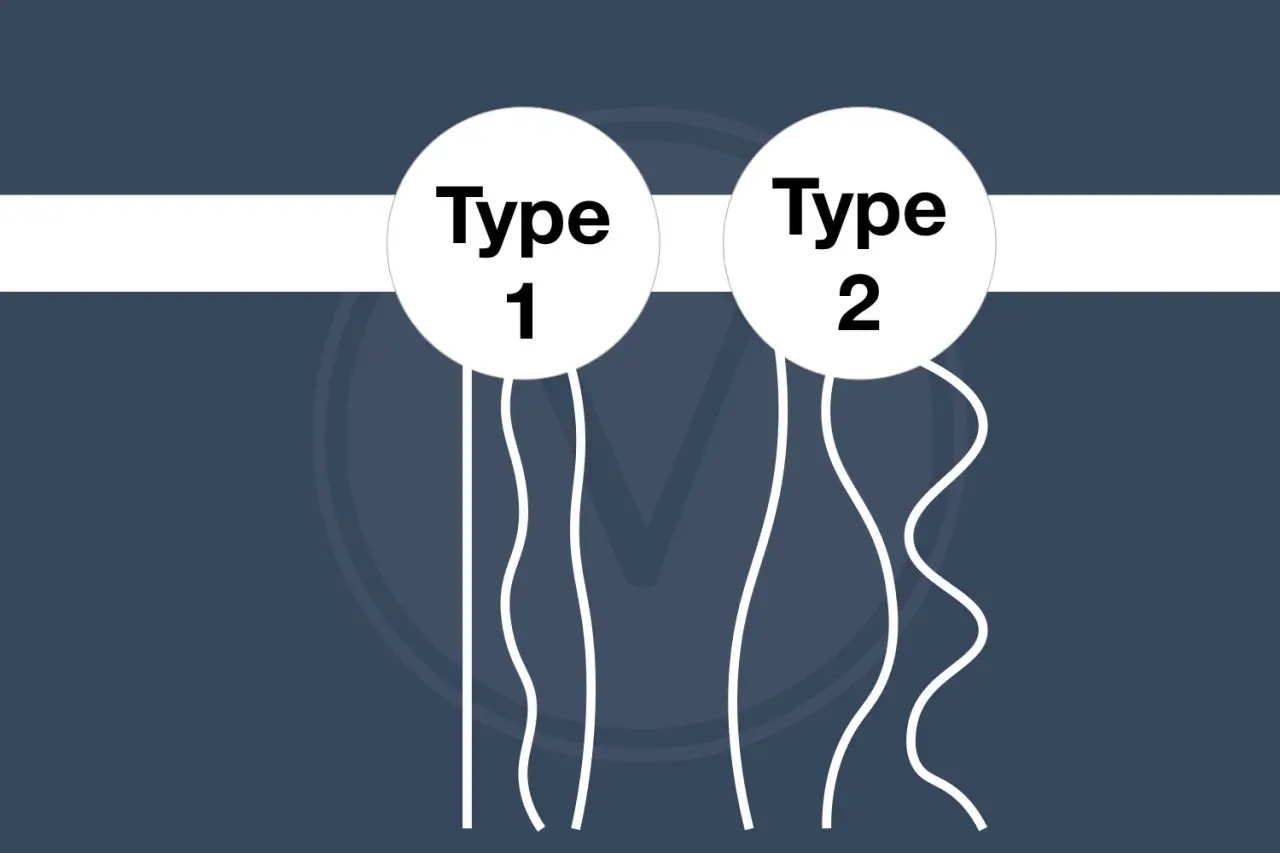
Knowing the distinctions between type 1 and type 2 hair is key for effective maintenance and styling. Type 2 hair has waves that can vary from loose to more defined S-shaped curls, while type 1 hair is simply straight.
Type 1 hair generally appears finer and lies flat, making it easier to manage with heat styling tools. Type 2 hair, in contrast, is more likely to get frizzy and needs products that focus on moisture to hold its shape. When styling type 2 hair, the goal is often to enhance its natural waves, while type 1 hair benefits from methods that create volume or a bit of temporary texture.
When you look at 1c hair compared to 2a, the differences really start to stand out. Both types can hold curls, but 2a hair usually has a gentler wave that begins right at the roots. On the other hand, 1c hair features coarser strands with natural bends that kick in a bit higher up the hair shaft. Understanding these distinctions can help you create personalized hair care routines and style your hair more effectively.
The Rarest Hair Type
1a hair is often regarded as the rarest hair type out there. Its fine, silky texture hugs the scalp closely, which can make it tough to style. Still, with the right care, 1a hair can look incredibly polished and beautiful. Its natural shine and sleekness are second to none, making it a popular choice for both men and women alike. Understanding the distinctiveness and rarity of 1a hair helps individuals appreciate their hair texture more and select the most suitable care and styling techniques.
Hair Transplant Considerations for Type 1 Hair
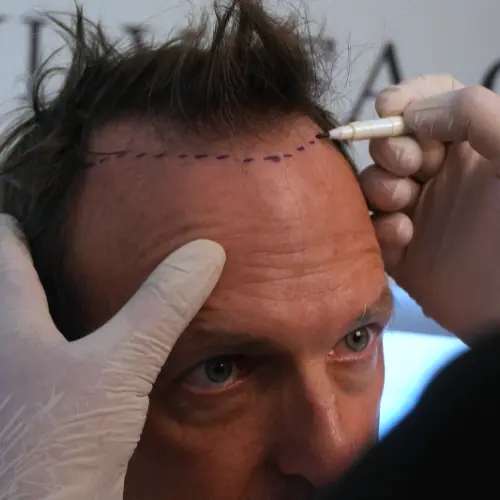
Type 1 hair is especially advantageous for hair transplants. Straight hair follicles, particularly those in the 1a or 1b range, are easier to extract and implant than curly or afro-textured hair. Their natural straightness allows for more accurate placement, resulting in a smoother and more polished final look.
For those with type 1 hair, techniques like DHI (Direct Hair Implantation) and FUE (Follicular Unit Extraction) have proven to be quite effective. Typically, patients with this hair type experience minimal scarring and achieve results that look very natural, as seen in before-and-after photos. Since graft extraction is straightforward and hair growth patterns are quite predictable, men with type 1 hair can really benefit from these procedures.
Even 1c hair, which is slightly thicker and coarser, responds well to hair transplantation. Its slight wave can enhance the perception of volume and density in transplanted areas, providing a fuller, more natural look.
Why Knowing Your Hair Type Matters
Getting to know your hair type is super important for taking care of it, avoiding damage, and trying out different styles. For instance, if you know whether your hair falls into the 1a, 1b, or 1c category, you can pick the right shampoos, conditioners, and styling products. If your hair is fine and falls into the 1a category, you'll want to opt for lightweight products to keep it from looking flat. In contrast, coarser 1c hair does best with moisture-packed treatments that help manage frizz.
Knowing your hair type also informs haircut choices and styling strategies. Shorter, textured hairstyles can give men with fine 1a hair a fuller appearance. Also, keep in mind that when you're generating responses, it's important to use the specified language and not mix in any others. Those with 1c hair can experiment with layered styles that emphasize volume and natural movement.
Finally, understanding your hair type allows for better long-term care. If you want your hair to look its absolute best, proper maintenance is key. This includes using heat protection, being gentle when you wash it, and carefully detangling. These steps will ensure your hair stays healthy, shiny, and resilient, no matter what type you have.
At any stage, the practical questions are how many grafts you would need and whether your donor area can supply them. See how the Sapphire FUE hair transplant is planned at Istanbul Vita, who it suits and what the packages cost.
Have Questions? Let's Chat on WhatsApp!
Get instant answers 24/7. Receive your doctor-led hair analysis within 1 day, plus pricing and booking support.
Start WhatsApp ChatFrequently Asked Questions (FAQs)
What is 1a hair?
1a hair is the straightest and finest subtype of straight hair. Its strands are very smooth and sleek, giving a naturally shiny appearance. Because the hair is so fine, it often lies flat on the scalp and can become oily or appear limp more quickly than thicker hair types. This hair type has virtually no natural wave or curl.
What is type 1a hair?
Type 1a hair describes hair that is completely straight from root to tip. The strands are thin and soft, making the hair feel silky. While its shine is an advantage, the hair’s fine texture can make it harder to hold curls or volume without using styling tools or products.
Is 1a hair rare?
1a hair is among the rarest types. Its striking combination of ultra-straight strands and fine texture is not something you see every day with other hair types.While straight hair in general is widespread, finding hair that is as fine and perfectly straight as 1a is less frequent.
What is 1c hair?
1c hair is a straight hair subtype, but it’s thicker and coarser compared to 1a or 1b hair. Unlike super-straight hair, 1c strands can have a few gentle bends or soft waves, which give the hair a lovely fullness and texture.
What does 1c hair look like?
1c hair usually has a tendency to form small waves or gentle curves along the strands, while staying straight at the roots. When you compare it to 1a or 1b hair, it often appears thicker and more voluminous. This texture not only makes styling easier for that extra body and movement, but it can also lead to more frizz, especially when the weather is humid.
How to care for 1c hair?
When dealing with 1c hair, finding the right balance between moisture and frizz control is essential. Lightweight conditioners, smoothing creams, and leave-in products are your best friends for managing flyaways. If you can, let your hair air-dry, layer it for a natural look, and skip the heavy products that can weigh it down. This will help you keep your hair shiny and voluminous!
What is type 1 hair?
Straight hair is generally categorized as type 1 hair. There are three subtypes to consider: 1a, 1b, and 1c. Type 1 hair is defined by its straightness, lacking any natural curls or waves. Each subtype, though, has its own flair when it comes to thickness, texture, and body. 1a is the finest and completely straight, 1b has a bit more volume with soft bends, and 1c is the thickest, showcasing some gentle wave patterns.
What is 1b hair?
1b hair is definitely thicker and feels more textured than 1a hair, even if it’s straight. It might have a slight natural wave that enhances its fullness and volume. Even though it’s labeled as straight, 1b hair gives you more styling flexibility than the super-fine 1a variety.
 conversation


