
 English
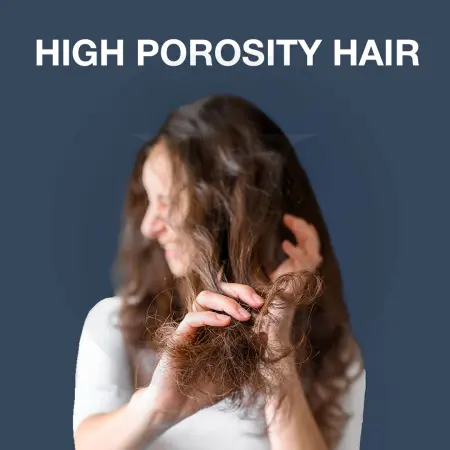
Table of Contents
High porosity hair is one of the most commonly misunderstood hair conditions, often mistaken for “damaged” or “unhealthy” hair alone. In reality, it refers to the structure of the hair cuticle and how easily it allows moisture to enter and escape. People with high porosity hair frequently struggle with persistent dryness, excessive frizz, breakage, tangling, and a rough or straw-like texture. Even after applying nourishing products, moisture seems to vanish within hours, leaving the hair dull, brittle, and difficult to manage.
This rapid moisture loss occurs because the cuticle layers of high porosity hair are raised, open, or uneven. As a result, water and products are absorbed very quickly—but they are also released just as fast. Environmental factors such as humidity, sun exposure, wind, and pollution can really exacerbate hair problems. These elements can cause your hair to swell, frizz, or lose its shape as the day progresses. Things like chemical treatments, constant heat styling, coloring, bleaching, and even your genetic background can all lead to high porosity in your hair.This means it can impact all hair types, whether straight or coily.
Despite these challenges, high porosity hair is not a flaw or a permanent problem—it is simply a structural characteristic that requires a tailored care approach. When high porosity hair is well cared for, it can be soft, strong, shiny, and highly responsive to treatments. The trick lies in learning how to effectively layer moisture, strengthen your hair strands, and seal the cuticle to stop moisture from getting lost. With the right combination of hydration, protein, and protective strategies, high porosity hair can shift from being constantly dry and fragile to healthy, resilient, and easy to manage, holding onto moisture longer and looking vibrant every day.
What Is Hair Porosity?
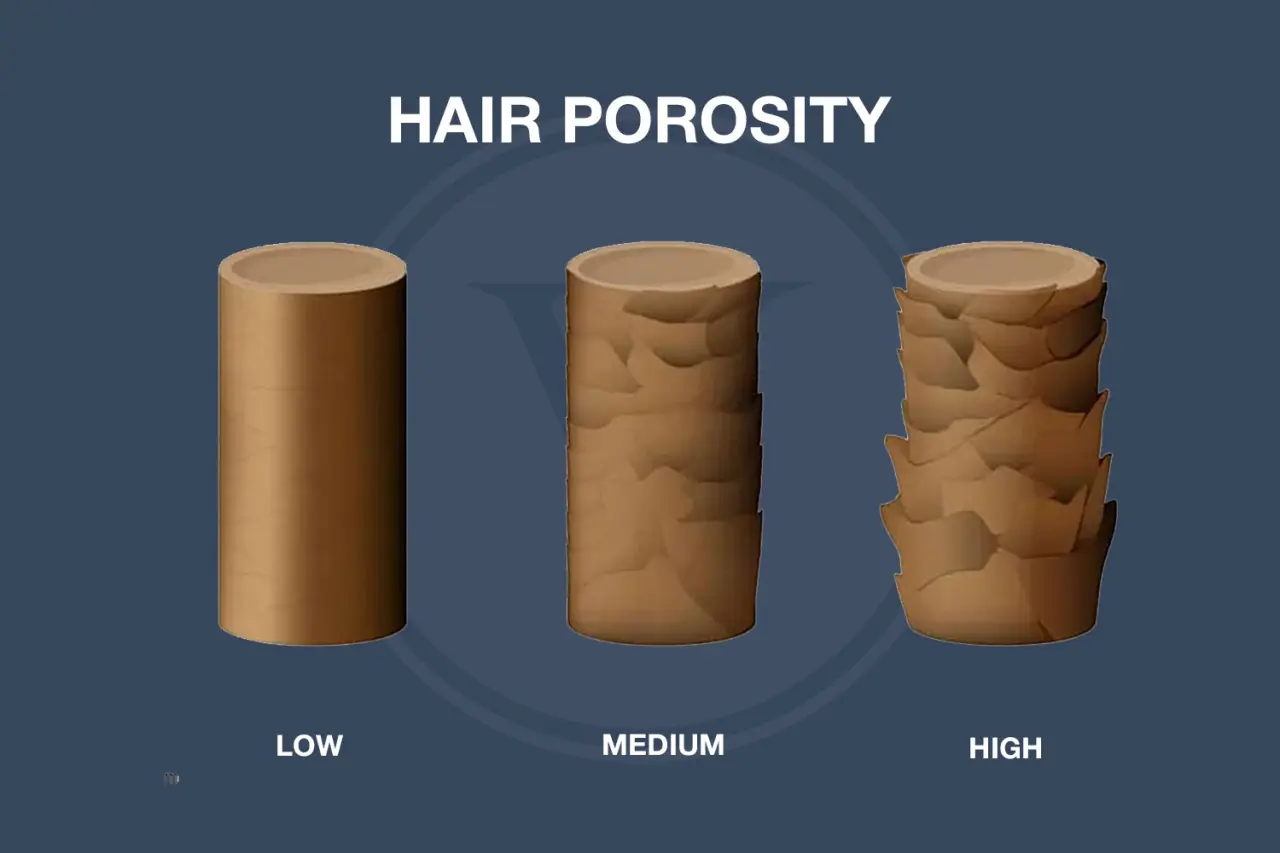
Hair porosity is all about how well your hair can soak up and hold onto moisture. This ability is influenced by the state of the hair's outer layer, which is called the cuticle. The cuticle is made up of tiny, overlapping cells that act like a shield, protecting the inner part of the hair shaft.
Depending on how tightly or loosely these cuticle layers are arranged, hair is generally categorized into three porosity types:
- Low porosity hair: Cuticles are tightly closed, making it difficult for moisture to enter.
- Normal porosity hair: Cuticles are moderately open, allowing balanced moisture absorption and retention.
- High porosity hair: Cuticles are more open or damaged, allowing moisture to enter easily but escape just as quickly.
Knowing about hair porosity is crucial since it affects how your hair responds to water, products, oils, and different environmental factors. Without this insight, even top-notch products might not work as well as you'd like.
What Is High Porosity Hair?
High porosity hair is characterized by a cuticle layer that is raised, uneven, or compromised. Water, conditioners, and treatments may swiftly enter the hair shaft thanks to this configuration. That may sound beneficial, but it also means that moisture might evaporate equally quickly. As a result, people with high porosity hair frequently discover that:
- Feeling dry soon after washing or moisturizing
- Becoming frizzy easily, especially in humid climates
- Tangling and breaking more frequently
- Requiring regular re-hydration
- Lacking shine and smoothness
In short, high porosity hair takes in moisture quickly but has a hard time holding onto it.
High Porosity Hair vs Low Porosity Hair
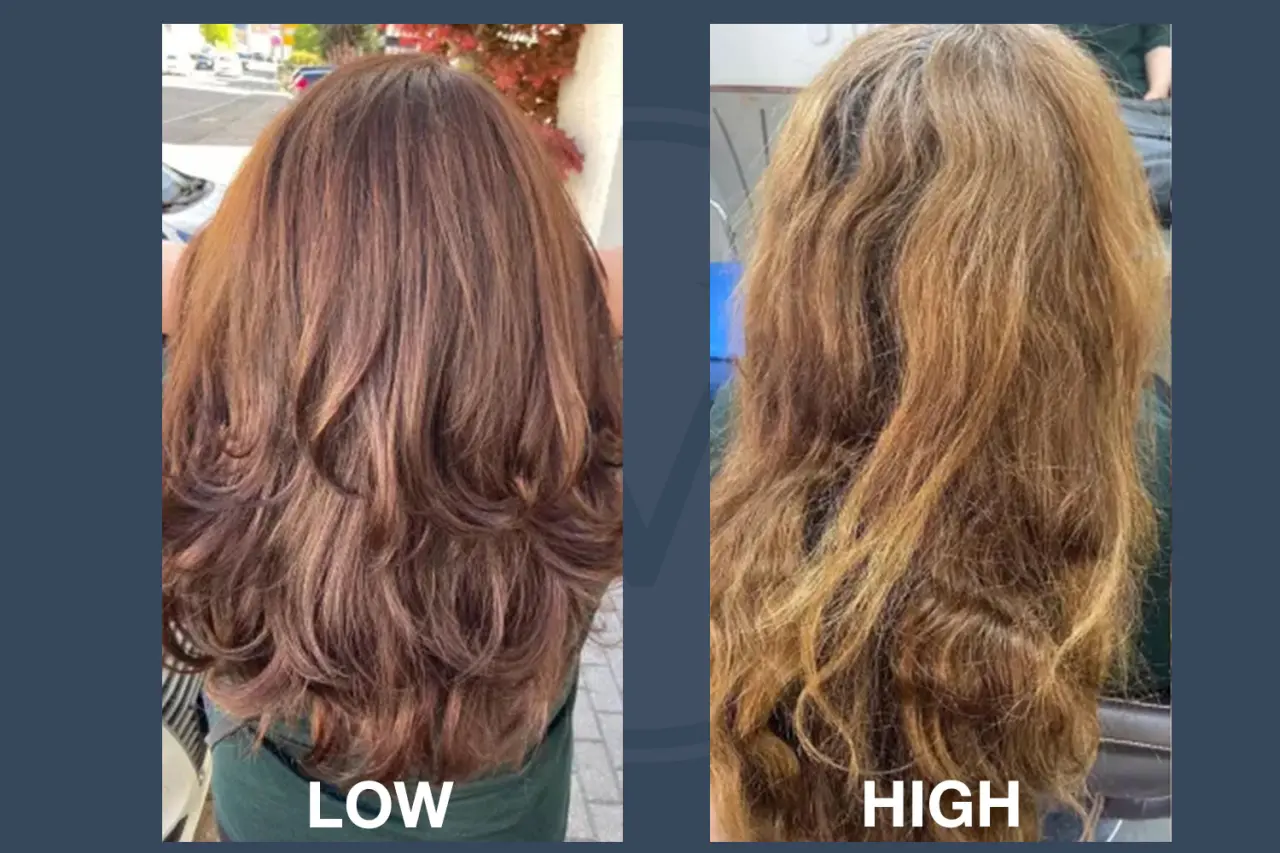
Understanding the difference between high porosity hair vs low porosity hair is critical for choosing the right care routine.
High Porosity Hair
- Absorbs water and products immediately
- Dries very quickly
- Cuticles are lifted or damaged
- Benefits from heavier, sealing products
- Prone to frizz, breakage, and dryness
Low Porosity Hair
- Repels water initially
- Takes longer to dry
- Cuticles are tightly packed
- Benefits from lightweight, heat‑assisted hydration
- Prone to product buildup rather than dryness
When comparing low vs high porosity hair, the key difference lies not in how much moisture the hair needs, but in how that moisture must be delivered and sealed.
High and Low Porosity Hair: Why Porosity Matters
When it comes to hair care, porosity is a key factor that impacts everything—from the shampoos you opt for to the techniques you use for styling. Choosing the wrong products based on your porosity can result in frustration, wasted time, and even harm to your hair. For high porosity hair, the goal isn't just to hydrate; it's about retaining that moisture. This means you'll need to layer your products wisely, pick suitable oils, maintain a good balance of protein, and cleanse gently.
What Does High Porosity Hair Look Like?
Although porosity cannot be diagnosed by appearance alone, high porosity hair often shows recognizable signs:
- Persistent dryness
- Rough or straw‑like texture
- Excessive frizz
- Dull appearance
- Tangling during washing or styling
- Increased breakage and split ends
Because the cuticle surface is uneven, light does not reflect evenly, which is why high porosity hair often lacks shine.
What Causes High Porosity Hair?
High porosity hair might be a genetic thing, but it can also develop over time from different kinds of damage. The following are some common causes that can contribute to this condition:
- Chemical Process: Hair dyeing, bleaching, perming, and relaxing treatments can all affect the cuticle structure, causing your hair to become more porous.
- Heat Damage: Regularly using flat irons, curling wands, and blow dryers without any protective measures can seriously harm your hair by permanently lifting the cuticle.
- Mechanical Stress: Be cautious—aggressive brushing, tight hairstyles, and improper detangling can gradually weaken your hair's cuticle.
- Environmental Exposure: Your hair's cuticle can take a hit from sun exposure, saltwater, chlorine, and pollution, especially if you're not using protective care.
How to Determine Your Hair Porosity
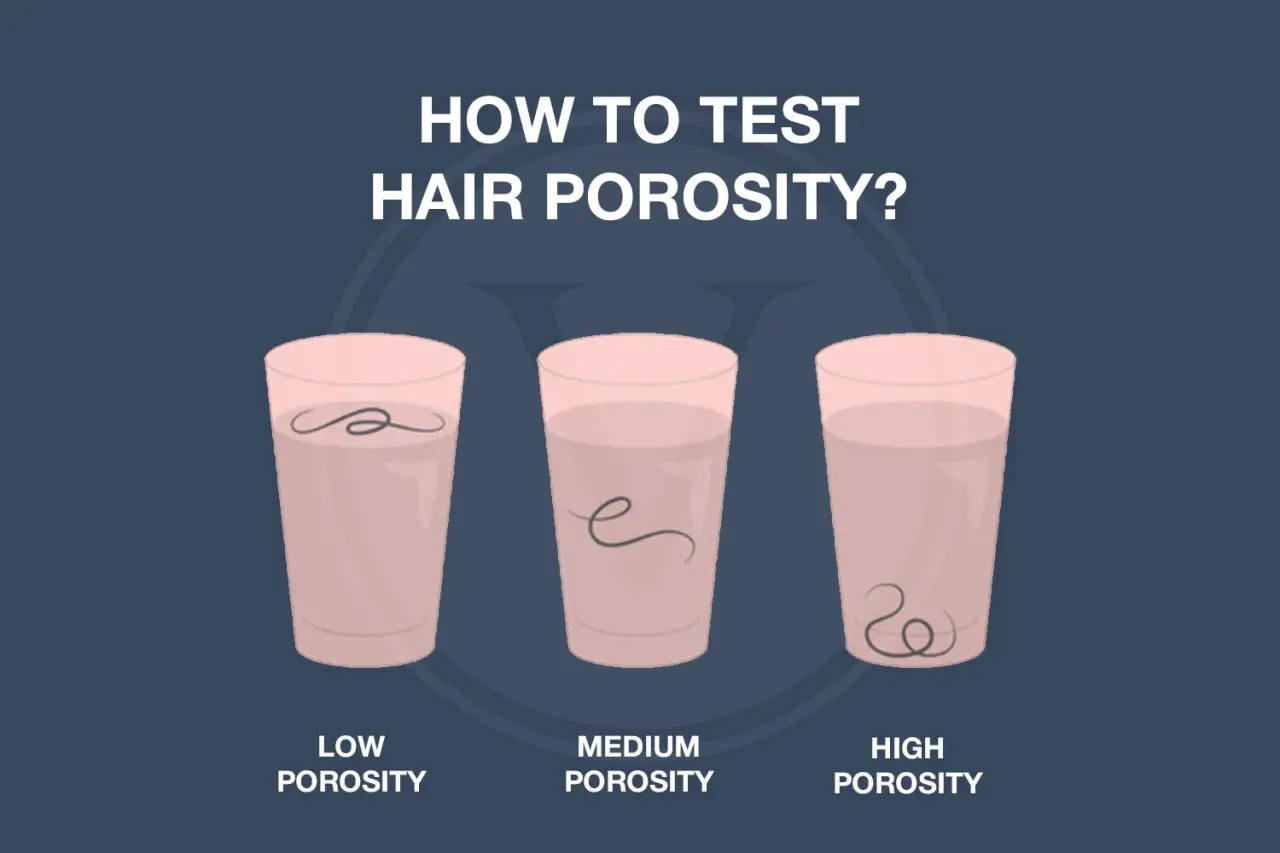
The Water Test
Place a clean strand of hair in a glass of room‑temperature water:
- Sinks quickly: likely high porosity
- Sinks slowly: normal porosity
- Floats: low porosity
Absorption Observation
If your hair becomes fully wet within seconds and dries unusually fast, this may indicate high porosity.
Product Behavior
If products seem to disappear immediately yet fail to provide lasting moisture, high porosity is a strong possibility.
The Core Principles of High Porosity Hair Care
Effective high porosity hair care is based on three core goals:
- Hydrate the hair shaft.
- Seal the cuticles.
- Minimize continuing damage
Achieving these objectives demands consistency rather than excess.
Best Practices for High Porosity Hair Care
Moisture Layering Techniques
The LOC (Liquid‑Oil‑Cream) or LCO (Liquid‑Cream‑Oil) method is especially effective for high porosity hair.
- Liquid: water or water-based leave-in conditioner.
- Oil: Seals moisture into the shaft.
- Cream: Adds weight and more protection.
Protein Balance
Protein treatments are great for sealing up those little cracks in your hair cuticle, which boosts both strength and moisture retention.
Cool Water Rinsing
Using cool or lukewarm water can really help your cuticles lie flatter, which in turn reduces moisture loss and frizz.
Oils for High Porosity Hair
Finding the right oils for high porosity hair is super important. Heavier oils tend to work better because they help lock in moisture instead of letting it escape.
Recommended Oils:
- Avocado Oil
- Olive oil
- Castor oil (use sparingly)
- Coconut oil (watch individual responses)
- Sweet almond oil.
These oils form a protective barrier, slowing moisture loss.
Shampoo for High Porosity Hair
A appropriate shampoo for high porosity hair should cleanse gently while promoting moisture retention.
What to Look For
- Sulfate‑free formulas
- Moisturizing ingredients (aloe vera, glycerin)
- pH‑balanced formulations
Over‑cleansing strips already fragile hair and worsens dryness.
High Porosity Hair Products: What Works Best
The most effective products for high porosity hair have some shared qualities: they often include rich, moisturizing bases, a blend of humectants and sealants, and a moderate level of protein. If you're on the hunt for the best products, consider deep conditioners that contain butters, leave-in conditioners with oils, and cream-based stylers.
Conclusion
High porosity hair requires awareness, patience, and a proper maintenance regimen. Because moisture enters easily but escapes just as quickly, focusing on moisture retention is essential. When hydration is combined with suitable products, sealing oils, and supportive techniques, the hair becomes easier to manage over time. With consistent care, high porosity hair can maintain softness, strength, and a healthier appearance, rather than feeling dry, frizzy, or fragile.
Frequently Asked Questions (FAQ)
What Is High Porosity Hair?
High porosity hair refers to hair with a cuticle layer that is more open or compromised than normal. This structural condition allows moisture, water, and hair products to enter the hair shaft quickly. However, the same open cuticle structure also causes moisture to escape easily, resulting in persistent dryness, frizz, and reduced moisture retention.
What Does High Porosity Hair Mean?
High porosity hair means that the hair cuticle struggles to hold onto moisture. It soaks up moisture quickly but has a hard time keeping it in. Because of this, your hair might feel dry soon after washing or conditioning, even if you regularly use moisturizing products. It's important to remember that high porosity is a structural characteristic, not just a temporary issue.
What Does High Porosity Hair Look Like?
If your hair has high porosity, it might often look a little dry and lackluster. Running your fingers through it can reveal an uneven texture. It tends to miss that natural shine and is more likely to frizz, particularly when the humidity is high. You may also encounter tangles, some breakage or split ends, and an overall matte finish. This is largely due to an irregular cuticle structure that influences how light reflects off your hair.
Does High Porosity Hair Dry Fast?
Yes. One of the standout features of high porosity hair is just how fast it dries. Thanks to its open cuticle structure, water can flow in and out of the hair shaft in no time. While this quick drying might seem like a perk, it actually signals a struggle with moisture retention and a higher risk of dryness.
How to Care for High Porosity Hair?
For high porosity hair, effective care is all about locking in moisture rather than just absorbing it. Start by applying your products to wet or damp hair and use layering techniques like LOC or LCO. Go for richer creams, butters, and sealing oils, and keep heat exposure to a minimum.
How to Treat High Porosity Hair?
Caring for high porosity hair necessitates a long-term strategy rather than relying solely on fast fixes.
Focus on strengthening the cuticle with protein treatments, sealing in moisture with thicker oils and butters, and using shampoos that are both pH-balanced and sulfate-free. Don’t forget to reduce damage from heat and styling tools. While you can’t permanently alter porosity, with the right care, you can make a noticeable difference in your hair’s texture, strength, and manageability.
How to Fix High Porosity Hair?
High porosity hair can't be permanently “fixed,” but you can definitely manage it well. The key is to reduce moisture loss and keep that cuticle structure protected. With the right care routine, your hair can look smoother, softer, and healthier. Just remember, improvements take time and rely on consistent upkeep rather than just using corrective products.
Have Questions? Let's Chat on WhatsApp!
Get instant answers 24/7. Receive your doctor-led hair analysis within 1 day, plus pricing and booking support.
Start WhatsApp Chat
 conversation


