
 English

Table of Contents
The surgery itself is only half the journey. What you do in the days that follow, how you wash your scalp, how you sleep, and how you get yourself home has a real impact on your hair transplant results. If you are planning hair transplant aftercare in Turkey, or you have already had the procedure and now you are thinking what comes next, this guide walks through everything from the first wash to the flight home.
You may be feeling a mix of relief and nerves right now, and that's normal. Most patients say the aftercare questions worried them more than the surgery itself.
What Happens Right After Your Hair Transplant in Turkey
The first 48 hours set the tone for your entire hair transplant recovery. Your scalp is at its most fragile during this window, and the newly placed grafts are not yet anchored.
The First 24–48 Hours After Surgery
After the procedure the light dressing can be applied and then it is removed before you head back to your hotel. Covering the scalp for a long time can trap the heat and moisture around the grafts, so you will be advised to avoid any bending forward, lying flat and also letting anything press against the treated area.
Common Sensations — Swelling, Tightness, and Numbness
After the procedure there is a light and slightly numb feeling across the scalp and forehead and it is expected. Mild swelling also appears around the day two or day three but sometimes moving towards the eyes before swelling. This is very normal and a part of the hair transplant healing process and it generally resolves within a week.
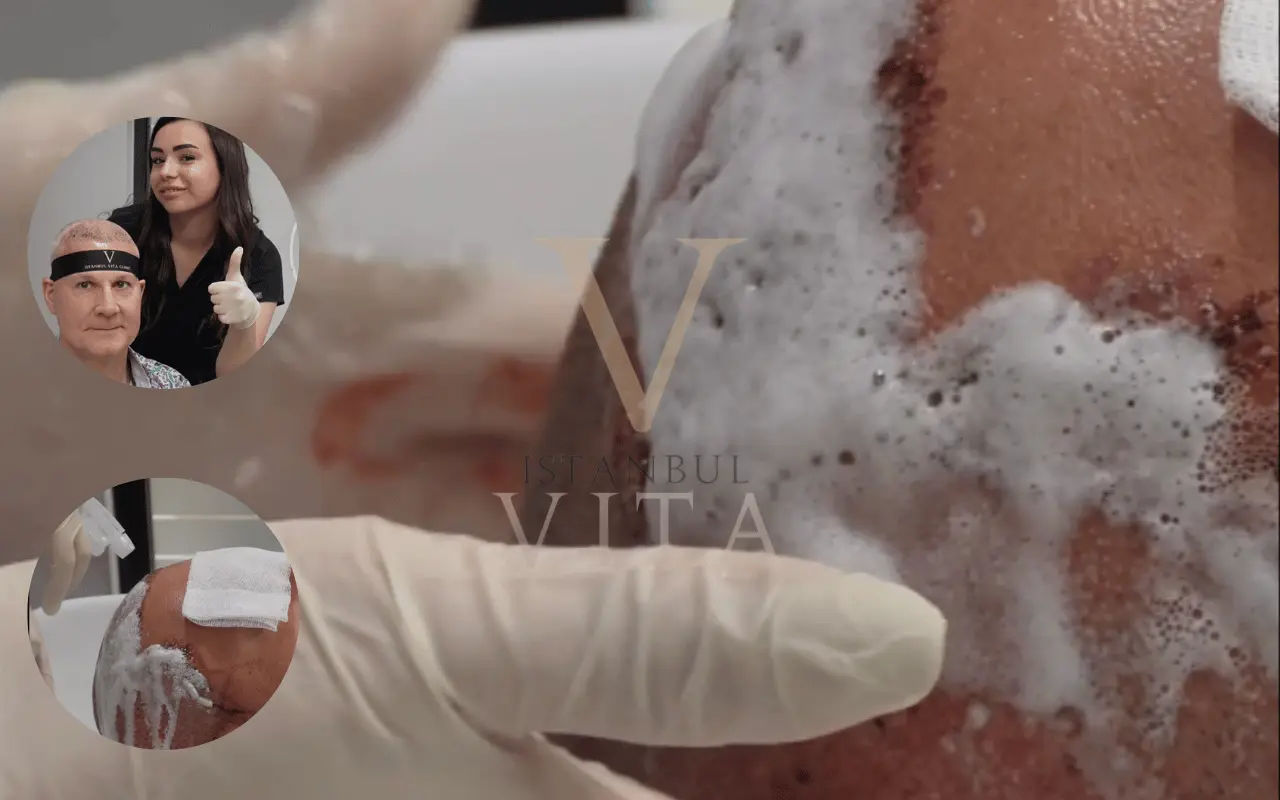
When Can You Wash Your Hair After a Hair Transplant?
This is one of the most searched questions among patients, and understandably so — getting it wrong can disturb the grafts before they've settled.
The First Wash — Why It's Done at the Clinic
The hair transplant first wash usually happens under clinical supervision, the day after surgery or on the second day. A nurse gently applies a specialized lotion to loosen dried blood and crust around the grafts, then rinses it with lukewarm water using light, dabbing motions rather than rubbing — reducing the risk of dislodging fragile grafts.
Step-by-Step: Hair Transplant First Wash at Home
Once you're washing at home, the same principle applies, patience over pressure:
-
Apply the lotion that is recommended and let it sit for the instructed time before rinsing.
-
Use only lukewarm water; avoid hot water, which can increase swelling.
-
Pour water gently over the scalp instead of using a direct shower stream.
-
Pat the area dry with a soft towel or let it air-dry — never rub.
-
Avoid regular shampoo until your clinic confirms it's safe to switch.
How Often to Wash During the Healing Process
Most of the clinics recommend that you have to wash your hair daily for the first one to two weeks and this process will help the scalp clean and also help with most scabs to soften naturally. Skipping washes can slow healing, since dried debris left too long may irritate the follicles.
How Should You Sleep After a Hair Transplant?
Sleeping after a hair transplant is another detail patients underestimate. Your head position overnight can affect both swelling and graft stability.
Best Sleeping Position for the First Week
The general rule is simple like sleep on your back, with your head elevated, for at least the first five to seven nights. Side or stomach sleeping puts direct pressure on the grafts and increases the chance of friction against a pillow.
Using a Travel Pillow or Neck Pillow
Many patients find a U-shaped travel or neck pillow useful, since it keeps the head stable and prevents rolling onto the side during sleep.
How Long You Need to Sleep Elevated
Elevation will help to reduce the fluid buildup and swelling around the forehead and eyes. Two to three pillows, or a reclined 45 degree angle, is generally more than enough. Most of the people return to a normal sleeping position after about ten days.
Can You Fly Home After a Hair Transplant?
For international patients, this is the biggest logistical concern, since flying after the hair transplant will also involve the cabin pressure, long periods sitting upright, and the airport stress.
Is It Safe to Travel Immediately After Surgery?
Yes, in most cases. Travel after hair transplant surgery is generally considered safe once the dressing is removed and the clinic clears you, usually one to three days post-op. Cabin pressure itself doesn't pose a risk to the grafts.
Tips for Flying Home Comfortably (Grafts, Pressure, Swelling)
-
Choose loose, front-zip clothing that doesn't need to go over your head.
-
Avoid resting your head against the window or headrest directly on the grafts.
-
Stay hydrated, since cabin air can dry out the scalp.
-
Skip alcohol on the flight — it can worsen swelling.
-
Request an aisle seat for easier movement without bumping your head.
What to Pack for the Flight (Aftercare Kit Essentials)
A proper post op kit that includes saline spray, prescribed medication, a soft travel pillow, and written instructions. This will make the flight to your home more easier, and is one reason a well structured hair transplant package aftercare plan matters as much as the surgery itself.
Hair Transplant Recovery Timeline - Day by Day, Week by Week
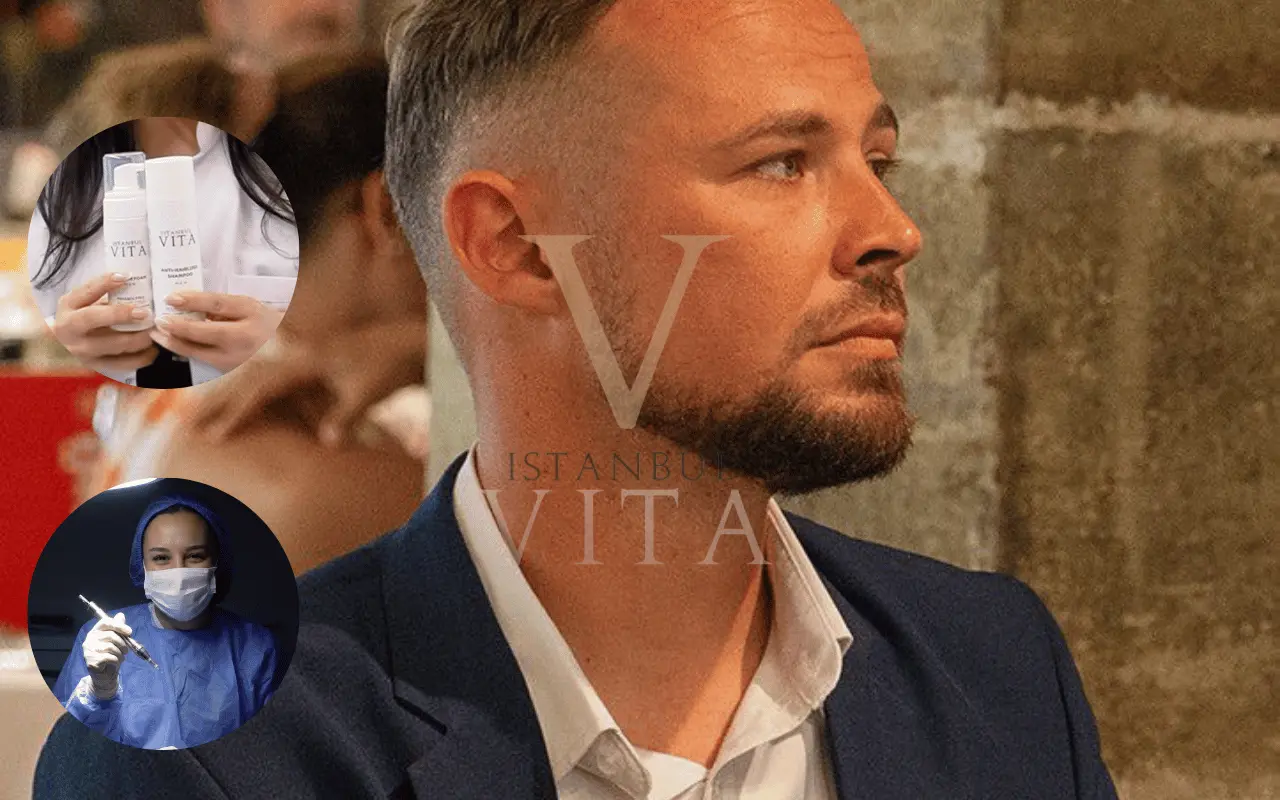
Understanding the full hair transplant recovery timeline will help you to set realistic expectations, since results take months, not weeks, to appear.
Days 1–10: Scabbing and Initial Healing
Tiny scabs form around each graft. They should never be picked at, they fall off naturally as healing progresses.
Weeks 2–4: Shedding Phase
Many transplanted hairs shed during this period. This is expected and doesn't mean the transplant failed, the follicles remain in place beneath the skin.
Have Questions? Let's Chat on WhatsApp!
Get instant answers 24/7. Receive your doctor-led hair analysis within 1 day, plus pricing and booking support.
Start WhatsApp ChatMonths 3–12: New Growth and Final Results
New growth typically begins around month three, with fuller, more textured results visible between months eight and twelve.
Can You Wear a Hat After a Hair Transplant?
Not immediately. Most clinics advise waiting at least ten to fourteen days, and even then the hat should be loose-fitting and not touch the grafts.
When Do Scabs Fall Off After a Hair Transplant?
All the scabs are generally loosen and fall away between the day seven and day fourteen. This is aided by the gentle daily washing routine that is earlier described.
Can You Exercise After a Hair Transplant?
After your hair transplant, it would be fine for you to do light walking within a few days, but sweating, heavy lifting, and intense cardio should be avoided for two to three weeks. This is because sweat and increased blood flow can irritate the grafts.
What to Avoid After a Hair Transplant
Alcohol, Smoking, and Blood Thinners
All three can affect circulation and healing, and are generally discouraged for at least one to two weeks post-surgery.
Sun Exposure and Sweating
Direct sun on an unhealed scalp can cause irritation or pigment changes. Sunscreen shouldn't be applied to the grafts until cleared by your doctor.
Touching or Scratching the Grafts
Itching is common as scabs form, but scratching can dislodge grafts before they've taken hold. A light saline spray usually helps instead.
Why Aftercare Matters More in Turkey's Hair Transplant Packages
Doctor-Led Aftercare vs Generic Instructions
Not every clinic offering hair transplant in Turkey provides the same level of aftercare guidance. Some hand patients a printed sheet and little else. Others build aftercare into the patient journey, adjusting instructions based on how each scalp is healing.
What a Proper Post-Op Kit Should Include
A solid kit typically includes washing lotion, saline spray, prescribed medication, a travel pillow, and clear written instructions in the patient's own language like details that matter more once you're home without direct clinic access.
Every patient's recovery is slightly different. If you're planning a hair transplant in Turkey or have questions about aftercare, the medical team at Istanbul Vita can explain what to expect before you travel and support you throughout your recovery journey.
Final Thoughts: Making Recovery Easier After Your Hair Transplant in Turkey
Good hair transplant post op care isn't complicated, but it needs attention to detail — a gentle first wash, the right sleeping position, and a well-planned flight home. Clinics that build this guidance into the patient experience, rather than treating it as an afterthought, tend to produce more consistent, natural-looking results. If you're comparing options for hair transplant aftercare in Turkey, ask directly how a clinic supports patients after they leave the operating room — the answer says a lot about your recovery.
Frequently Asked Questions
Is swelling normal after a hair transplant?
Yes. Mild to moderate swelling around the forehead and eyes is normal and usually resolves within five to seven days.
How long does hair transplant recovery take overall?
Visible scalp healing takes about two weeks, but full results like density and texture will take up to twelve months to fully develop.
Can I dye or cut my hair during recovery?
It is best to wait at least three months before dyeing or cutting your hair near the transplanted area. This is just to avoid irritating the grafts still settling.
 conversation


