
 English
Table of Contents
Low porosity hair is commonly misinterpreted. Many people struggle with hair that looks healthy on the outside but feels dry, stiff, or resistant to moisture. If water beads up on your strands, products seem to sit on the surface, and deep conditioning rarely delivers the softness you expect, chances are you have low porosity hair. Low porosity hair is not damaged hair. In fact, it is often strong and resilient. The challenge lies in moisture absorption, not moisture retention. Once you understand how low porosity hair works, caring for it becomes far easier and more predictable.
What Is Hair Porosity?
Hair porosity is all about your hair's ability to soak up and keep moisture. It's shaped by the structure of the hair cuticle, the outermost layer that protects the hair shaft.
How the Hair Cuticle Works
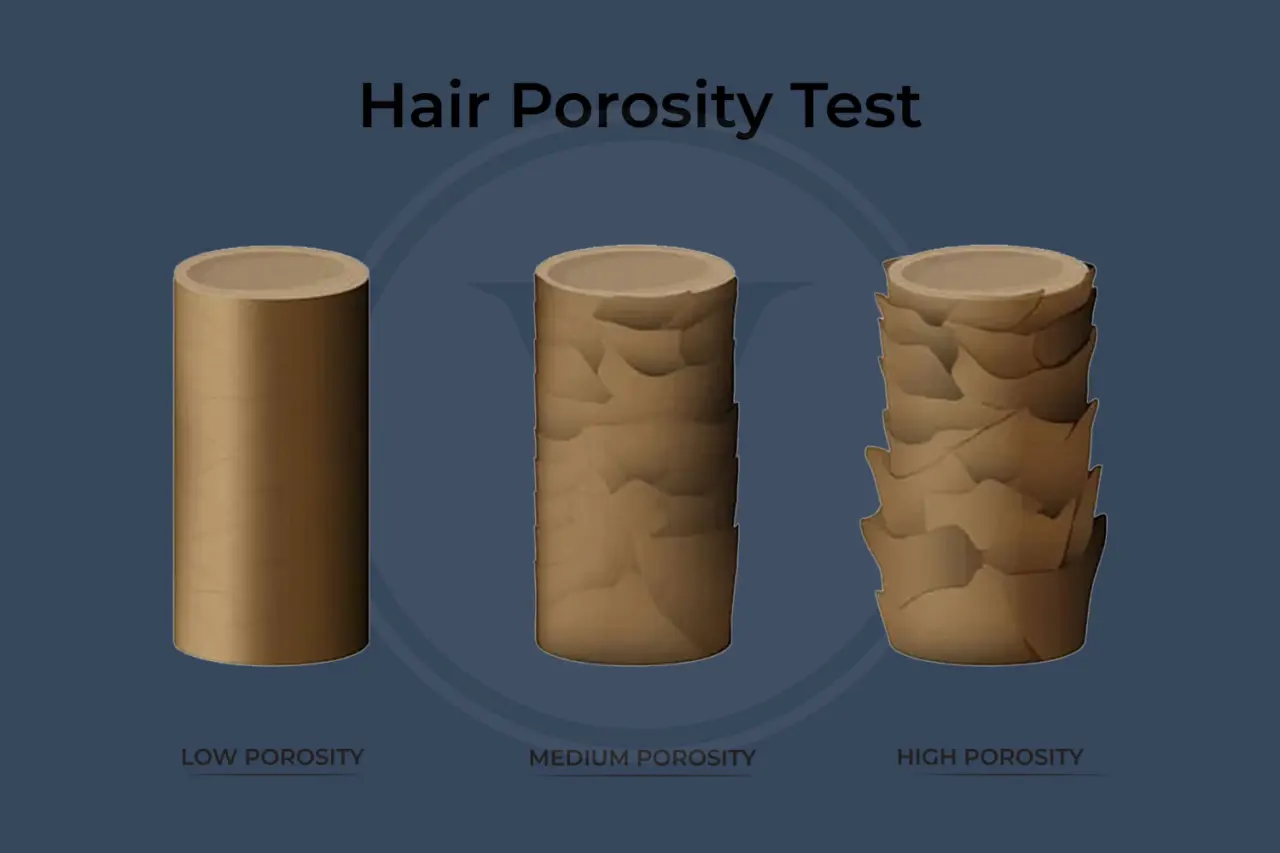
The cuticle consists of overlapping scales, similar to roof shingles. These scales can lie very flat, partially raised, or highly lifted:
- Flat cuticles = low porosity hair
- Moderately raised cuticles = medium (normal) porosity hair
- Highly raised or damaged cuticles = high porosity hair
Porosity affects how your hair interacts with water, oils, and hair products. It explains why two people using the same conditioner can have completely different results.
What Is Low Porosity Hair?
Low porosity hair has a tightly closed cuticle structure. This makes it difficult for water, oils, and treatments to penetrate the hair shaft.
Key Characteristics of Low Porosity Hair:
- Water sits on the hair before absorbing
- Products tend to build up easily
- Hair takes a long time to get fully wet
- Drying time is often longer than expected
- Hair feels dry despite frequent conditioning
Ironically, once moisture enters low porosity hair, it stays in very well. The difficulty is getting moisture inside in the first place.
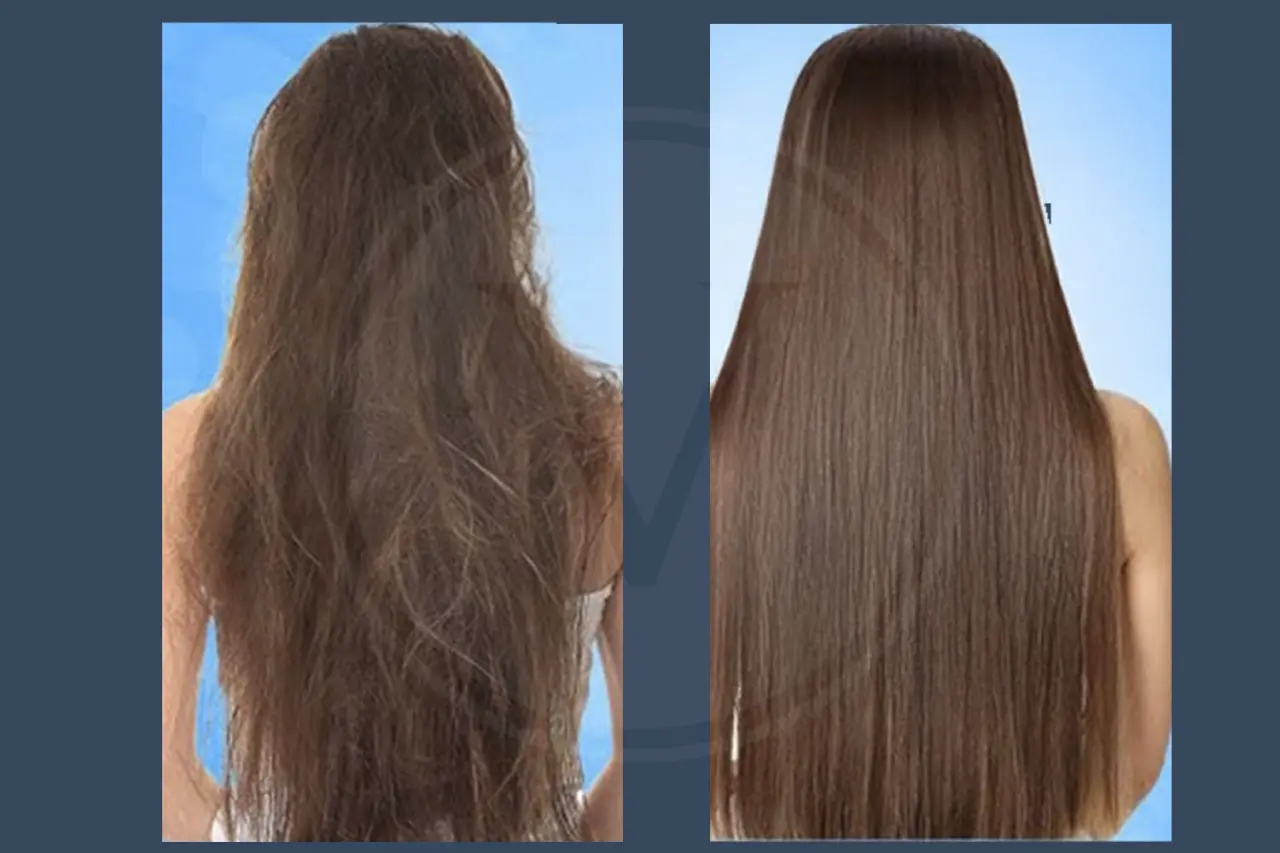
Low vs High Porosity Hair: Understanding the Difference
Understanding low vs high porosity hair helps clarify why certain products work for some people and fail for others.
Low Porosity Hair
- Cuticle tightly closed
- Resistant to moisture absorption
- Prone to product buildup
- Retains moisture once absorbed
High Porosity Hair
- Cuticle lifted or damaged
- Absorbs moisture quickly
- Loses moisture just as fast
- Often caused by chemical treatments or heat damage
Medium porosity hair sits comfortably between these two extremes and is generally easier to maintain.
How to Know If You Have Low Porosity Hair
Many people ask, how to know if you have low porosity hair. While no test is perfect, several indicators can give you a reliable answer.
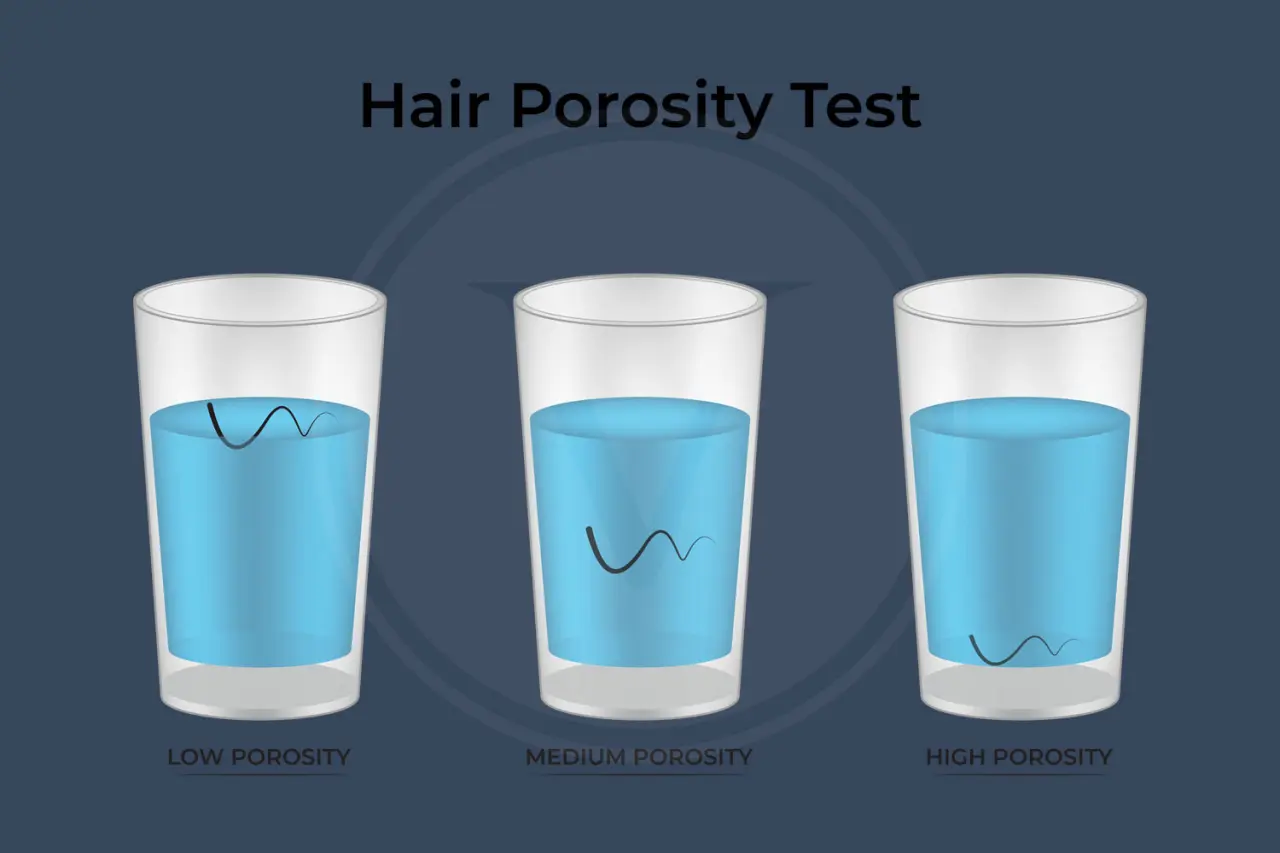
The Water Glass Test
Place a clean strand of hair in a glass of room‑temperature water:
Floats for a long time → low porosity hair
Slowly sinks → normal porosity
Quickly sinks → high porosity
This test is not scientifically definitive, but it offers helpful guidance.
Absorption Test
Apply water or a leave‑in conditioner to dry hair:
If it beads up or sits on top, your hair is likely low porosity
Drying Time Observation
People often ask, does low porosity hair dry fast? The answer is usually no. Low porosity hair often takes longer to dry because water struggles to penetrate evenly.
What Does Low Porosity Hair Look Like?
Low porosity hair often looks smooth, shiny, and healthy. Frizz may be minimal, and strands can feel strong. However, underneath that smooth appearance, the hair may feel dry, stiff, or coated with product residue. This contrast is why many people misdiagnose low porosity hair as “healthy but unmanageable.”
Low Porosity Hair Care: Common Challenges
Product Buildup
Because products do not absorb easily, buildup is one of the biggest issues in low porosity hair care. Hair may feel greasy yet dry at the same time.
Moisture Resistance
Conditioners and masks may seem ineffective, even when used regularly.
Long Drying Time
Low porosity hair often stays damp longer, especially when air‑drying.
Heavy Product Sensitivity
Thick creams, butters, and waxy products tend to weigh the hair down.
How to Fix Low Porosity Hair: Core Principles
Many people search for how to fix low porosity hair, but porosity itself cannot be changed permanently. What you can fix is how your hair responds to moisture.
Principle 1: Use Heat Strategically
Heat gently lifts the cuticle, allowing moisture to enter.
Deep Conditioning with Heat
Apply conditioner to clean, damp hair
Use a heat cap or warm towel for 15–30 minutes
Hair Steaming
Steaming is one of the most effective techniques for low porosity hair.
Principle 2: Apply Products on Damp Hair
The ideal time for hair to absorb moisture is when it’s damp, rather than when it’s soaking wet or too dry.
Principle 3: Clarify Regularly
Clarifying shampoos remove buildup and reset the hair’s ability to absorb moisture.
How to Moisturize Low Porosity Hair Daily
Staying hydrated every day is totally achievable with the right mindset.
- Lightweight Leave‑In Conditioners: Water‑based formulas are ideal.
- Hydrating Sprays and Mists: Aloe vera juice, rose water, or diluted leave‑in conditioners work well.
- Avoid Over‑Layering Products: Too many layers increase buildup without improving moisture.
Oils for Low Porosity Hair: What Actually Works
Not all oils behave the same way. Choosing the right oils is essential.
Best Oils for Low Porosity Hair
- Grapeseed Oil: Lightweight and fast‑absorbing.
- Argan Oil: Many ask, is argan oil good for low porosity hair? Yes. It penetrates better than heavier oils and provides shine without buildup.
- Sweet Almond Oil: Adds softness and flexibility.
- Jojoba Oil: Mimics natural scalp oils and absorbs easily.
Is Coconut Oil Good for Low Porosity Hair?
This is one of the most searched questions. Is coconut oil good for low porosity hair? For many people, coconut oil is too heavy and sits on the surface, causing stiffness. While some tolerate it in small amounts, it is often not ideal for low porosity hair.
Shampoo and Cleansing for Low Porosity Hair
Best Shampoo Types
- Sulfate‑free shampoos for regular washing
- Clarifying shampoos every 3–4 weeks
- Lightweight moisturizing shampoos
How Often Should You Wash Low Porosity Hair?
There is no universal rule, but many people do well washing once or twice per week. Pay attention to scalp oiliness and product buildup.
Best Products for Low Porosity Hair
When you're on the hunt for products suited for low porosity hair, keep an eye out for these key features:
- Water should be the first ingredient
- Look for lightweight textures
- Humectants like glycerin, aloe vera, and honey are your friends
And steer clear of those heavy creams and thick butters!
Low Porosity Curly Hair: Special Considerations
Dealing with low porosity curly hair can be quite a challenge. Those beautiful curls crave moisture to keep their shape, but they can easily get weighed down by product buildup.
Tips for Low Porosity Curly Hair
- Use gels and foams instead of creams
- Apply products in the shower on soaking wet hair
- Use steam treatments regularly
Ingredients to Avoid with Low Porosity Hair
- Heavy Butters: Shea butter and cocoa butter often sit on the surface.
- Non‑Water‑Soluble Silicones: These cause buildup and block moisture.
- Thick Waxes and Petroleum: These seal without hydrating.
Home Remedies for Low Porosity Hair
- Apple Cider Vinegar Rinse: Helps remove buildup and refresh the cuticle.
- Aloe Vera Treatments: Lightweight and deeply hydrating.
- Honey Masks: Natural humectant that attracts moisture.
Final Thoughts: Thriving with Low Porosity Hair
Low porosity hair isn’t a drawback; it’s just a different type of hair that needs a special approach. With the right products, some clever heat application, and a good grasp of how your hair takes in moisture, you can transform low porosity hair into something soft, hydrated, and easy to manage. Once you stop battling against your hair and start embracing its natural structure, taking care of low porosity hair becomes a lot less frustrating—and a whole lot more satisfying.
Frequently Asked Questions (FAQ)
What Is Low Porosity Hair?
Low porosity hair features a cuticle layer that’s snugly closed, which means it struggles to let water, oils, and hair products in. Because of this snug cuticle structure, moisture tends to just sit on the surface rather than being absorbed. While low porosity hair may struggle to take in moisture, it is usually very good at retaining it once moisture successfully enters the strand.
How to Know If You Have Low Porosity Hair?
You might have low porosity hair if you notice that water tends to bead up on your strands instead of soaking in right away. If it feels like products just sit on top of your hair and it takes a while to get fully wet, those are also signs. Another giveaway is if your hair takes longer to dry after washing. You can try simple methods like checking how well products absorb or doing the water glass test to see if you have low porosity. However, getting a professional evaluation will give you the most accurate insight.
Does Low Porosity Hair Dry Fast?
Nope, low porosity hair doesn’t dry quickly at all. The tightly closed cuticle makes it tough for water to penetrate, so it tends to just sit on the surface. That’s why if you’re air-drying it, it can take quite a while to dry. Even though it doesn’t soak up moisture easily, once it’s wet, it evaporates at a slow pace.
How Often Should You Wash Low Porosity Hair?
Most people with low porosity hair benefit from washing once or twice per week. Because this hair type is prone to product buildup, washing too infrequently can cause residue to accumulate on the hair shaft. Washing your hair too frequently can actually cause it to become dry. The ideal frequency depends on scalp oil production, styling habits, and product usage.
How to Fix Low Porosity Hair?
Low porosity hair is something that can’t be permanently altered since its porosity is mostly determined by genetics. But don’t worry! You can definitely enhance how your hair reacts to moisture. By using heat while conditioning, regularly clarifying to get rid of buildup, and applying products to damp hair, you can help the cuticle open up a bit more, making it easier for moisture to seep in.
How to Moisturize Low Porosity Hair Daily
For low porosity hair, daily moisture is most effective when you stick to lightweight hydration. Using water-based leave-in conditioners, hydrating sprays, or aloe vera mists on damp hair works wonders. Try to avoid layering too many heavy products, as this can create buildup instead of providing the hydration you need. The secret lies in being consistent and opting for lighter formulations!
Is Coconut Oil Good for Low Porosity Hair?
For a lot of folks, coconut oil isn't the best choice for low porosity hair. While it can work wonders for some hair types, it tends to just sit on top of low porosity hair, leading to stiffness and dryness over time. A few people might manage with small amounts, but generally speaking, coconut oil is more likely to create buildup rather than provide the hydration that low porosity hair really needs.
Have Questions? Let's Chat on WhatsApp!
Get instant answers 24/7. Receive your doctor-led hair analysis within 1 day, plus pricing and booking support.
Start WhatsApp ChatIs Argan Oil Good for Low Porosity Hair?
For sure, argan oil is a solid option for low porosity hair! It's lightweight and absorbs more readily than thicker oils, so it can give your hair that nice softness and shine without the risk of buildup. When you use it lightly on damp hair, it helps to keep moisture in without blocking hydration.
How to Fix Low Porosity Hair That Feels Dry All the Time
If you have low porosity hair that always feels dry, it’s often due to product buildup or not enough moisture getting in, rather than just not using enough products. Regularly clarifying your hair, using heat to help deep condition, and opting for lighter product formulations can usually fix this issue. It’s really about focusing on your technique instead of just piling on more products that makes the biggest difference.
 conversation


