
 English
Table of Contents
The process of hair transplant recovery does not involve only following certain post-procedure advice or safeguarding the transplanted grafts from external damage. Your dietary intake during this period is another factor to consider. Nutrition is often discussed as part of Turkey hair transplant planning, as preparing your body before and after the procedure can support a smoother recovery. Even though there is no food that can miraculously stimulate hair growth or positively affect the result of the transplantation on its own, a well-balanced diet supplies your body with everything necessary for it to heal and recover.
Why Diet Matters After a Hair Transplant
The process of regeneration starts soon after the treatment. Small passages formed during transplant have to close, the level of inflammation has to be reduced, and new follicles have to form their own blood supply.
There are several factors which affect the process of recovery, among which:
- Sufficient intake of protein
- Right amount of hydration
- Enough vitamins and minerals
- Proper blood circulation
- Overall good health
Even though follicles are highly resistant to negative influences, still they depend on the natural ability of your body to regenerate tissues. Proper nutrition will help you provide all necessary elements for this process.
How Nutrition Supports Healing
Recovery needs energy and nutrients. Protein plays an important role in tissue repair, vitamin C aids in the production of collagen, zinc is necessary for proper wound recovery, and iron aids in the distribution of oxygen within the body.
Instead of emphasizing on one particular "superfood," go for a well-balanced diet with various food groups in it everyday.
Can Diet Affect Graft Survival?
Even though a good diet is essential for the survival of a graft during transplantation, there is more to it than that. Surgical skills, proper care, the condition of your scalp, and adhering to your doctor's guidelines come first.
Poor nutrition may hinder the natural healing of your body.
Why Protein and Hydration Matter
Protein will supply you with amino acids necessary for tissue repair and healthy hair, whereas water is vital in the transportation of nutrients all through your body.
If you become dehydrated, you could feel tired and it could affect your comfort as you recover, hence it is important to hydrate yourself adequately daily.
With the right recovery diet, you could be able to:
- Ensure wound healing process
- Ensure healthy hair growth by providing required nutrients
- Hydrate yourself
- Boost immune system
What to Eat After a Hair Transplant
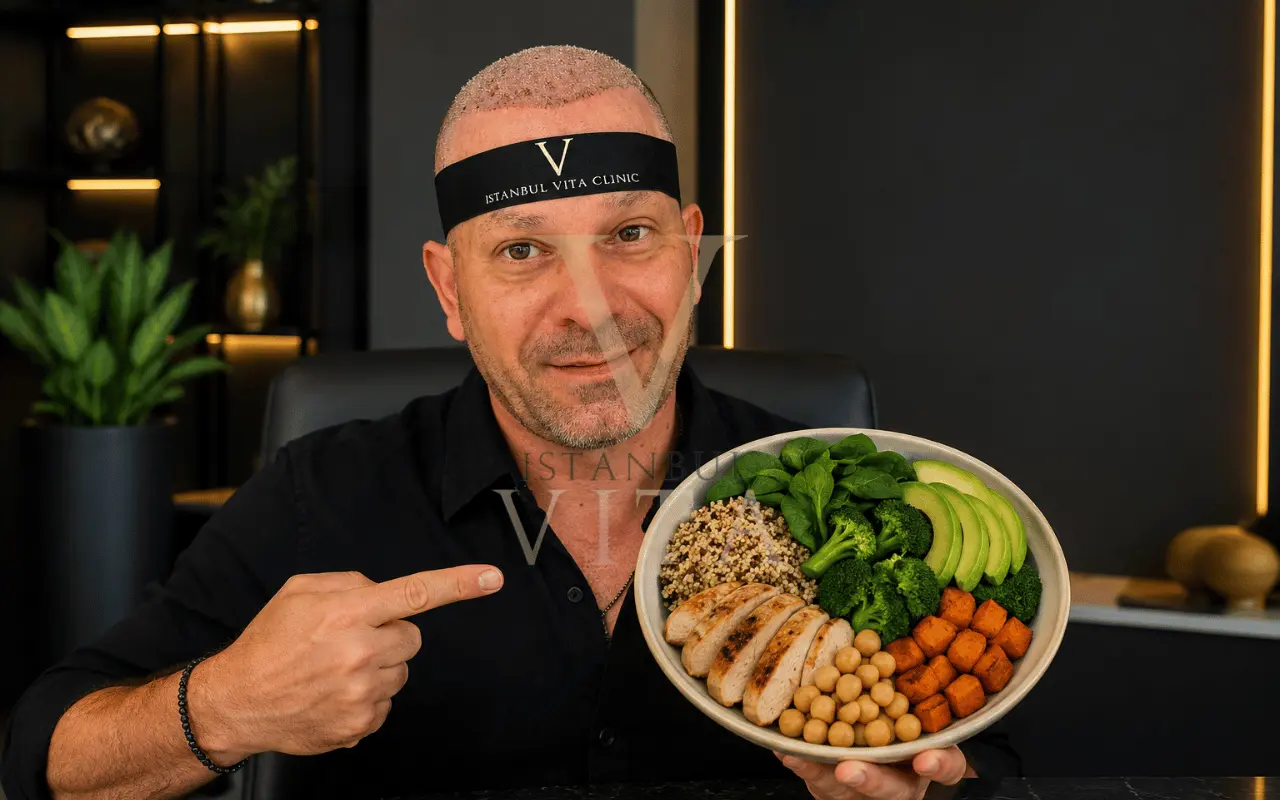
Though there is not a specific "hair transplant diet" to follow, there are some types of food that your body needs during recovery.
Best Foods for Hair Transplant Recovery
| Food Group | Examples | Why It Matters |
|---|---|---|
| Lean Protein | Chicken, turkey, fish, eggs | Supports tissue repair and recovery |
| Fruits | Oranges, berries, kiwi | Rich in vitamin C and antioxidants |
| Vegetables | Spinach, broccoli, kale | Provide iron, folate, and antioxidants |
| Healthy Fats | Salmon, avocado, walnuts | Source of omega-3 fatty acids |
| Whole Grains | Brown rice, oats, quinoa | Provide long-lasting energy |
| Dairy | Greek yogurt, milk | Protein and calcium |
| Legumes | Lentils, beans, chickpeas | Plant-based protein and iron |
Protein-Rich Foods
Protein will be the most important nutrient for the body during the recovery period. Good choices include:
- Eggs
- Chicken breast
- Turkey
- Fish
- Lean beef
- Greek yogurt
- Cottage cheese
- Lentils
- Beans
- Tofu
It will be better to consume a source of protein with each meal rather than eating it all at once.
Fruits and Vegetables
Fresh produce provides vitamins, minerals, antioxidants, and fiber.
Some excellent options include:
- Oranges
- Kiwi
- Strawberries
- Blueberries
- Broccoli
- Bell peppers
- Spinach
- Kale
- Tomatoes
- Carrots
Vitamin C-rich foods are particularly valuable because vitamin C contributes to normal collagen formation, an important part of wound healing.
Healthy Fats
Healthy fats support overall health and provide essential fatty acids.
Good sources include:
- Salmon
- Sardines
- Avocados
- Walnuts
- Almonds
- Chia seeds
- Flaxseeds
- Olive oil
These foods can easily be incorporated into salads, breakfasts, or main meals.
Whole Grains
Whole grains provide complex carbohydrates that supply steady energy throughout the day.
Examples include:
- Oatmeal
- Brown rice
- Whole wheat bread
- Quinoa
- Barley
They also contain fiber, which supports digestive health during recovery.
Stay Hydrated
Hydration is frequently ignored; however, it is as critical as nutrition.
Try to have some water through the day without waiting until you are thirsty.
Water allows you to:
- Keep circulation running
- Nutrients transportation
- Fast recovery
- Avoid dehydration
Although each person's need depends on the activity and environment he or she is in, pale yellow urine indicates proper hydration.
Foods to Avoid After a Hair Transplant
Just as certain foods are beneficial for the recovery process, other foods might be avoided during the early stages of healing. These foods will not harm your hair transplant surgery, but they can cause inflammation or dehydration.
Foods and Drinks to Limit
| Food or Drink | Why It May Be Best to Limit |
|---|---|
| Alcohol | May contribute to dehydration and should be avoided if your surgeon advises against it during early recovery. |
| Highly Processed Foods | Often high in sodium, unhealthy fats, and added sugars with limited nutritional value. |
| Sugary Foods and Drinks | Frequent consumption may contribute to inflammation and provide little nutritional benefit. |
| Fast Food | Usually high in saturated fat and low in vitamins and minerals. |
| Energy Drinks | Often contain large amounts of caffeine and sugar. |
| Excess Salt | High sodium intake may contribute to temporary fluid retention. |
What About Coffee?
Many people wonder if it is necessary to discontinue their coffee intake after hair transplantation.
If there is no restriction on moderate coffee intake by your doctor, you can go ahead and drink it as soon as your doctor permits you to, but most clinics advise against consuming any caffeine within the first 24 hours after the surgery.
Is Alcohol Safe?
In most cases, consumption of alcohol is not advised immediately following a hair transplantation due to the possible effects that it could have on fluid intake and possible drug interaction. If you're uncertain about when you should start drinking again, you should consult your doctor.
Hair Transplant Diet Timeline
Your nutritional needs don't change dramatically after a hair transplant, but different stages of recovery benefit from different priorities.
| Recovery Stage | Nutrition Focus |
|---|---|
| First 24 Hours | Stay hydrated and choose light, easy-to-digest meals. |
| Days 2–7 | Increase protein intake and include plenty of fruits and vegetables. |
| Weeks 2–4 | Maintain a balanced diet rich in vitamins, minerals, and healthy fats. |
| After One Month | Continue healthy eating habits to support overall hair health. |
Have Questions? Let's Chat on WhatsApp!
Get instant answers 24/7. Receive your doctor-led hair analysis within 1 day, plus pricing and booking support.
Start WhatsApp ChatFirst 24 Hours
Immediately after your procedure, focus on:
- Drinking enough water
- Eating light meals
- Avoiding excessive alcohol
- Choosing foods that are easy to digest
There's no need for a restrictive diet, but keeping meals simple may help you feel more comfortable.
Days 2–7
During the first week, healing is well underway.
This is a good time to prioritize:
- Lean protein
- Fresh vegetables
- Vitamin C-rich fruits
- Healthy fats
- Whole grains
Your scalp is still recovering, so consistent nutrition is more beneficial than eating large amounts of any single food.
Weeks 2–4
Most visible healing has improved by this stage.
Continue focusing on:
- Balanced meals
- Adequate hydration
- Regular protein intake
- A variety of colorful fruits and vegetables
Good nutrition supports your body's ongoing recovery even after the initial healing phase.
After One Month
Within one month, most people should be able to go back to their regular eating routine unless recommended otherwise.
Instead of adhering to a temporary diet called "hair transplant diet," it is more advisable for you to have a good eating habit for the long term.
Do You Need Vitamins or Supplements?
Many patients ask if it is possible for supplements to benefit hair transplants.
For many individuals who consume a healthy diet, taking supplements is not necessarily required. But in case of any nutritional deficiency found by your doctor, supplements might be recommended.
Some of the common nutrients include:
| Supplement | Why It's Discussed |
|---|---|
| Biotin | Supports normal hair health in people who are deficient. |
| Vitamin D | Important for overall health; supplementation may be recommended if levels are low. |
| Iron | Only recommended when deficiency is present. |
| Zinc | Supports normal wound healing and immune function. |
| Vitamin C | Contributes to collagen formation and tissue repair. |
| Omega-3 | Supports overall health and provides healthy fats. |
| Protein Powder | May help individuals who struggle to meet protein needs through food. |
It's important to remember that more is not always better. Taking high doses of supplements without medical advice is unlikely to improve your transplant outcome and may even cause unwanted side effects.
Tips for Supporting Recovery Through Nutrition
A healthy recovery is based on good habits rather than proper nutrition.
These are some tips that may prove to be helpful:
- Consume water often during the day.
- Have some protein with each meal.
- Have various fruits and vegetables.
- Consume whole grains as opposed to refined carbohydrates.
- Use grilling and baking to cook food, rather than frying.
- Keep away from alcohol for at least a while after the operation.
- Do not smoke because it could impact the process of healing and blood circulation.
- Also follow the instructions given by your surgeon along with having proper nutrition.
Bear in mind that dieting is just one component of the recovery process. Proper head care, enough sleep and going to the follow-up visits are equally important.
Frequently Asked Questions
Does diet affect hair transplant results?
It is not only diet that plays a key role in successful hair transplantation. Nonetheless, proper nutrition ensures a natural process of healing and good health of your body.
Can I drink coffee or alcohol after a hair transplant?
It is usually suggested not to consume caffeine in the first one-two days and alcohol during the first few days after the procedure. Recommendations may differ from doctor to doctor.
Do I need vitamins or supplements after a hair transplant?
Most times, people can obtain all the required nutrients through food intake. However, if one lacks the required nutrients, then that is when taking supplements is advised.
How long should I follow a healthy diet after a hair transplant?
Proper nutrition will be important in the initial period of healing, but maintaining your diet properly over time will keep you healthy and benefit your hair as well.
 conversation


