
 English
  Français
Table of Contents
Hair transplantation for Afro-textured hair can present unique challenges compared with other hair types.
Since Afro-textured hair is naturally curly and often has a tightly coiled structure, certain hair loss conditions may require special consideration. In addition, hairstyles that involve tight braiding or prolonged tension can place stress on the hair and scalp, potentially contributing to traction-related hair loss.
Moreover, individuals who use chemical and straightening tools can damage their hair and curls, and long-term use of these harmful products can even permanently affect the hair follicles. Finally, genetic and external physical factors can cause serious hair loss problems.
Afro hair transplantation is the only available and effective treatment for those with curly or Afro hair. Although hair transplant for Afro-textured hair is considered a difficult procedure, Turkey has become one of the leaders in this type of hair transplantation and is achieving successful results. The medical staff at our clinic specializes in assessing Afro-textured hair and offers customized hair transplant procedures for coily and curly hair. From consultation to implantation, every stage has been carefully designed to produce long-lasting, safe, and natural results.
Before proceeding with Afro hair transplantation, Afro hair analysis should be performed to understand better the structure and quality of the hair and which hair transplantation technique is most suitable for it.
Preoperative consultation plays an important role in achieving natural and dense-looking hair after an afro hair transplant.
Characteristics of Afro Hair
|
Hair Type |
Texture |
Curl Pattern |
Oil Level |
Hair Shaft Shape |
|
Straight Hair |
Smooth |
No curls |
High |
Round |
|
Wavy Hair |
Slightly rough |
Loose waves |
Medium |
Oval |
|
Afro Hair |
Voluminous and tight |
Coily or spiral |
Low |
Flat and curved |
Afro hair has a specific and distinct structure, usually with a voluminous texture and tightly curled, very fine spiral-shaped hair. Afro hair also tends to be drier than straight hair due to the lower oil levels produced by the curled hair.
Due to the curly nature of Afro hair, the grafts need to be placed at the correct angle, following the existing line and angle, to create a natural look when new hair grows during Afro hair transplantation.
Our clinic performs a thorough digital scalp analysis before surgery to assess the health of the scalp, curl direction, and follicle density. The medical team uses this information to decide which hair transplant technique—Sapphire FUE, DHI, or a combination approach—will produce the densest and most natural results.
|
Technique |
Description |
Best For |
Istanbul Vita Advantage |
|
Sapphire FUE |
Uses sapphire blades for precise channel opening |
Thick or coily Afro hair |
Minimal scars, dense implantation |
|
DHI (Direct Hair Implantation) |
Direct implantation without opening channels |
Sensitive scalp or female patients |
No shaving, natural alignment |
|
Combine/ Mix (FUE + DHI) |
Combines both methods for best density and coverage |
Large bald areas |
Balanced density and natural look |
Challenges Related to Afro Hair Transplant
Afro hair transplant requires care and experience due to the curved nature of the follicles. To address these concerns, our clinic's surgeons use micro-sapphire blades and advanced DHI equipment, specifically for curly grafts, which reduces trauma and increases graft longevity. A digital planning process is used to evenly distribute and position grafts, resulting in a natural final appearance.
Surgeons may face certain challenges when performing hair transplants related to the unique characteristics of afro hair. This type of afro transplant, especially the curly follicle extraction transplanted from the donor area, must be performed by highly skilled doctors and an experienced team. Since afro-textured hair is significantly different from other hair types, the hair transplantation process must be carried out very precisely for the patient to achieve harmonious and natural results.
For this reason, the sapphire FUE hair technique is used as a preferred method for afro hair transplantation.
Another challenge for Afro hair transplantation is the visibility of scars that can spoil the overall aesthetic appearance of the scalp. For this, surgeons must minimize the possibility of any scarring in both the donor and recipient areas.
Afro Hair Transplant Turkey – Istanbul Vita
Afro hair transplant is a challenging technique that should only be undertaken by skilled doctors who understand curly hair structures. Turkey provides world-class medical services at reasonable prices, and our clinic distinguishes itself by integrating innovative technology, medical experience, and individualized treatment plans for each patient.
Among all hair transplantation methods and types, afro hair transplantation is considered one of the most complex procedures. Since the follicle has a significant curvature, this afro hair transplantation should be performed by expert surgeons.
However, thanks to technological advances and innovative hair transplantation techniques,Istanbul Turkey has become a center in this field with more than 200 clinics for hair transplantation. In the field of hair transplantation, patients are provided with quality service by an experienced team.
Istanbul Vita offers special and customized treatments suitable for every hair type, taking into account each patient's preferences and health conditions, to satisfy our patients and help them regain their confidence.
|
Afro Hair Transplant in Turkey |
Our Clinic Advantages |
|
Standard FUE tools |
Sapphire FUE & DHI Hybrid Method |
|
Generic treatment plans |
Personalized hairline design with digital planning |
|
Limited post-op care |
Lifetime online follow-up and multilingual support |
|
Average graft survival 80% |
Success rate up to 98% |
Post-Operative Instructions
Throughout the recovery phase, our clinic offers personalized follow-up and daily check-ins to track healing progress. Each patient is given a post-care kit containing medical shampoo, spray, and vitamins to aid in their recuperation and hair development.
For the best results after an Afro hair transplant in Turkey, it is of great importance that patients follow the instructions below:
- Pay attention to head position when sitting or sleeping, you should avoid tilting your head and moving it suddenly and uncontrollably.
- You should follow a healthy diet and prioritize high-fiber and vitamin-rich foods to promote faster and healthier hair growth.
- For the health of your hair, smoking, and alcohol consumption should be avoided as much as possible.
- You should stay away from intense and heavy exercises.
- You should protect your hair from excessive sun or rain exposure, we recommend using an umbrella.
- Avoid going to steam rooms, saunas, baths, and swimming pools for a month
- Take all the medications and vitamins prescribed for you by the doctor regularly as they speed up the healing process.
- Have regular check-ups with a dermatologist to monitor the healing process.
- Avoid wearing tight hairstyles, braids, and hats.
|
Day |
Care Instruction |
Notes |
|
Day 1–3 |
Keep your head elevated while sleeping |
Prevents swelling |
|
Day 4–10 |
Use medical shampoo as prescribed |
Avoid hot water |
|
Week 2–4 |
Avoid physical activities |
No gym or heavy lifting |
|
Month 1–3 |
Protect from sunlight and rain |
Use umbrella if needed |
|
Month 4–6 |
Start PRP or vitamin support |
Boosts hair growth |
|
Month 12–18 |
Expect full hair density |
Final natural results visible |
What is the Afro Hair Transplant Procedure Like?
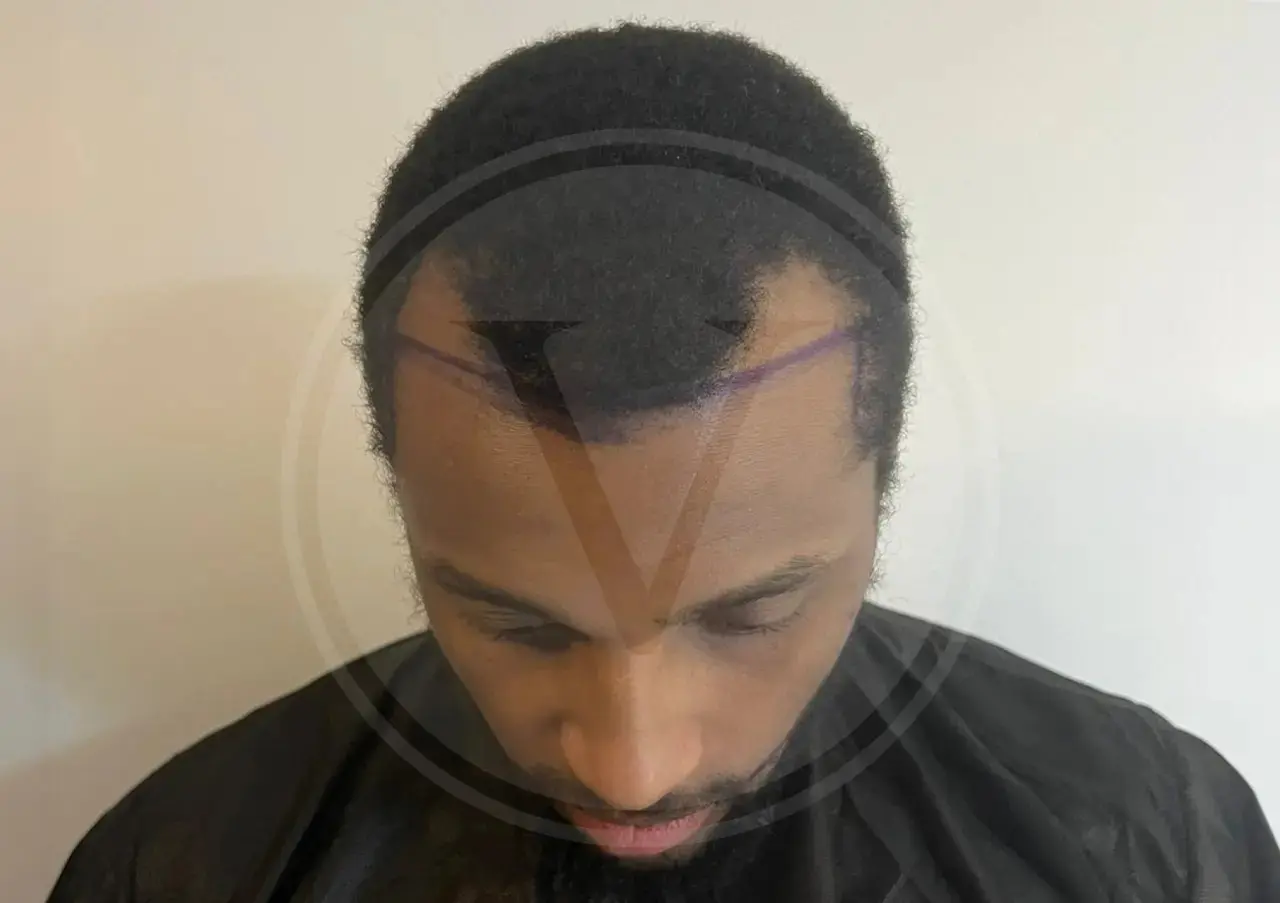
Before getting an Afro hair transplant, surgeons do a detailed analysis of the patient's Afro hair and general health to know which technique is most suitable for him, how many grafts should be transplanted, and in which area they should be transplanted.
At Istanbul Vita, we carefully examine each patient's hair, analyze it, perform blood tests on it, and most importantly, learn what their dream hair looks like to design their hairline and shape accordingly.
What is the Cost of Afro Hair Transplant in Turkey?
An Afro hair transplant in Turkey typically costs between $2,500 and $5,500. Because Afro-textured hair has a thick, curly structure, hair transplantation can be more challenging and requires greater expertise and precision than other hair types. It's crucial to choose a clinic with a solid track record and advanced medical technology. At Istanbul Vita, we have developed a sophisticated approach to Afro hair transplantation. Our medical team uses Sapphire FUE and DHI techniques to achieve a natural-looking hairline, appropriate density, and proper curl alignment while prioritizing patient safety and comfort.
|
Country |
Average Cost |
Notes |
|
USA |
$10,000 – $25,000 |
High cost, not specialized in Afro hair |
|
UK |
£8,000 – £15,000 |
Limited experience |
|
Europe (Average) |
€6,000 – €10,000 |
Moderate cost |
|
Turkey |
$2,500 – $5,500 |
Includes hotel, transfer, translator |
Reasons to Select Istanbul Vita for Afro Hair Transplantation:
- Transparent Pricing: One fee covers all grafts, ensuring no unexpected costs.
- Skilled Surgeons: Our experts are knowledgeable about the unique curl patterns and follicle angles of Afro-textured hair.
- State-of-the-Art Technology: We use advanced tools, including Sapphire blades and DHI implanters, for accurate implantation.
- Personalized Results: We deliver natural-looking, long-lasting outcomes that are customized to your facial features and curl direction.
- Full Package Service: Includes accommodations, transfers, aftercare kit, and lifetime support.
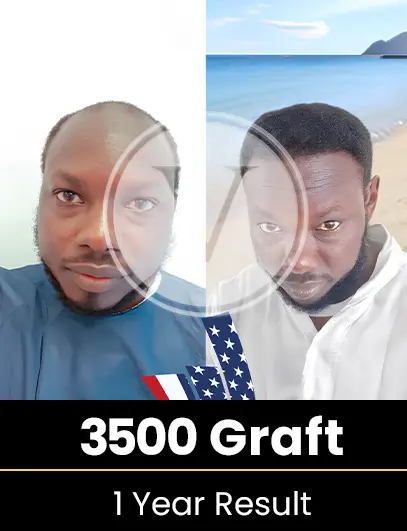
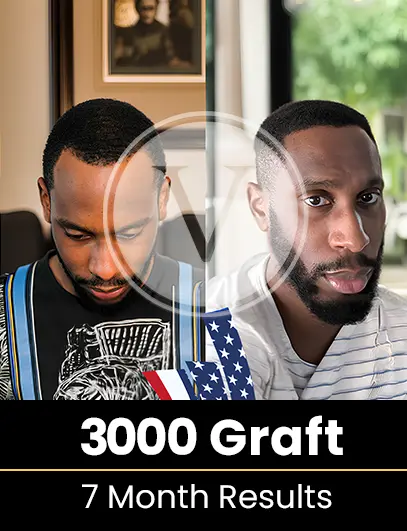
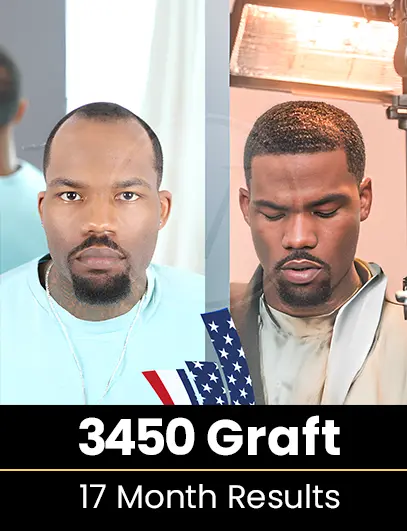
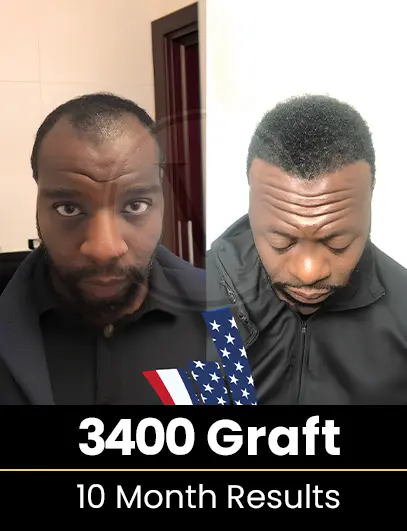
Afro Hair Transplant Before and After
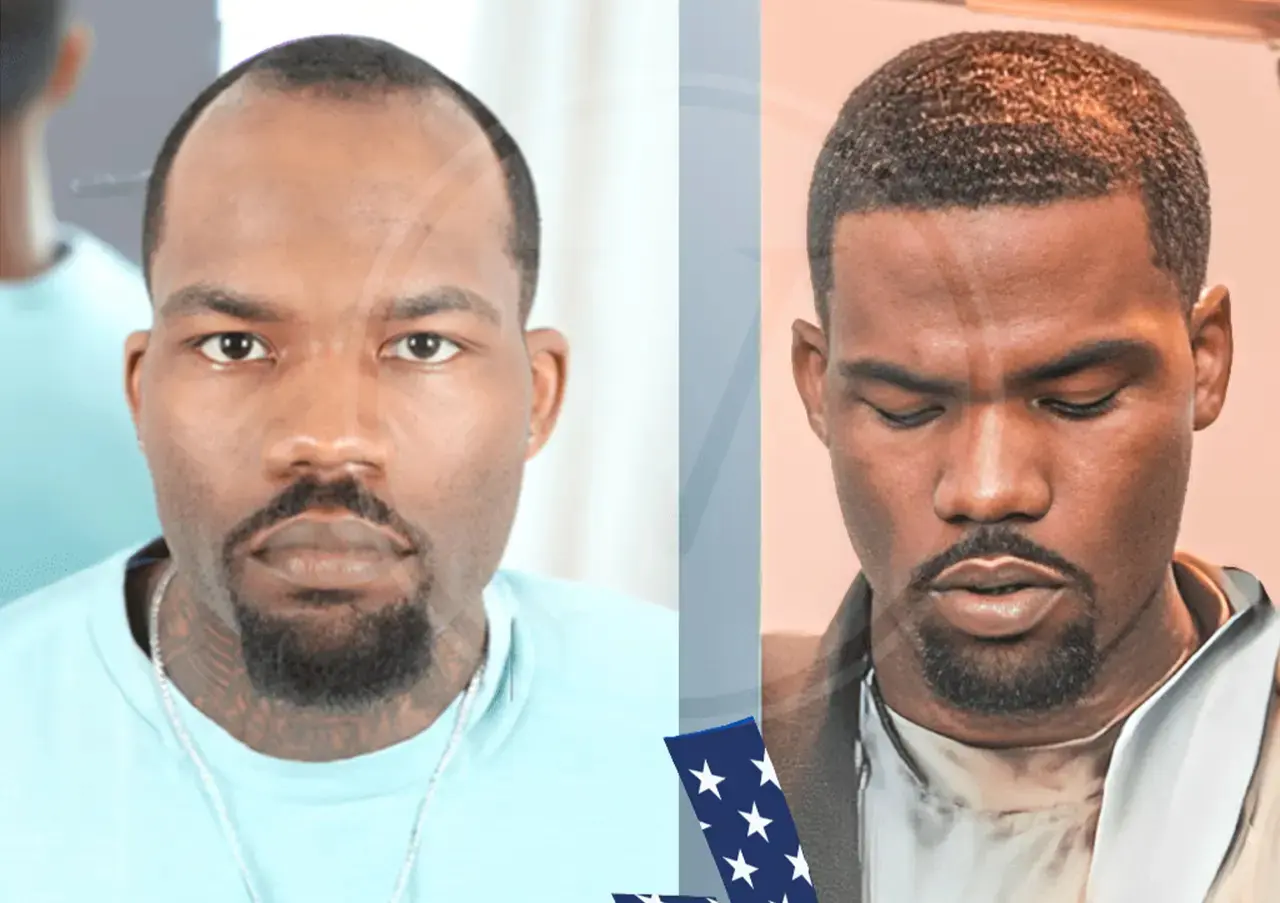
The recovery process after an Afro hair transplant is a little longer than other hair types, but it takes an average of one year for the hair to grow back completely and properly.
Firstly, the length of the hair may not be visible due to the curly structure of afro hair. It causes hair to appear shorter than it is, but from the 6th month onwards, your hair will start to grow back to noticeable sizes. Full results are typically achieved between 12 and 18 months.
Advantages of Afro Hair Transplant Turkey
Hair transplantation has become the best and first choice solution for people suffering from severe hair loss, this treatment promises natural-looking, dense, and strong hair.
Afro-hair transplantation has many advantages for individuals, whether it be in terms of their physical appearance or their self-confidence.
Some of the important advantages of hair transplantation are:
Natural look: The newly transplanted hair will match directly with the existing afro-textured hair as it will look natural and harmonious.
More density and thickness: Since Afro hair transplantation is performed to fill in areas where there is hair loss, the newly transplanted hair will grow longer, fuller, thicker, and stronger.
More confidence: When individuals achieve the hair of their dreams, they will gain self-confidence as they can style their hair as they wish and will not suffer from baldness again.
Lifetime permanent solution: Vitamins, PRP sessions, and other hair treatments, although effective, are temporary and cannot guarantee long-term results like hair transplantation. Indeed, afro hair transplantation treats baldness at the roots and improves overall hair quality.
More styling options: Patients will now have the opportunity to style and design their hair as they wish, as they will no longer suffer from hair problems or differences in the amount of hair spread across the scalp.
A healthier scalp: Afro hair transplant is a complete treatment for the hair, scalp, roots, and the follicle itself.
To summarize what we have mentioned before, if you have an afro or curly hair type and suffer from hair loss, do not hesitate to consider an afro hair transplant in Istanbul Turkey as it is the best and most promising treatment for such health conditions.
Have Questions? Let's Chat on WhatsApp!
Get instant answers 24/7. Receive your doctor-led hair analysis within 1 day, plus pricing and booking support.
Start WhatsApp ChatWhy Choose Our Clinic
- Specialized in Afro and curly hair transplantation
- Advanced Sapphire FUE + DHI Hybrid Techniques
- Digital planning system for natural hairline design
- Personalized pre- and post-operative care
- High graft survival rate (95–98%)
- Lifetime online follow-up and multilingual support





 conversation


