
 English
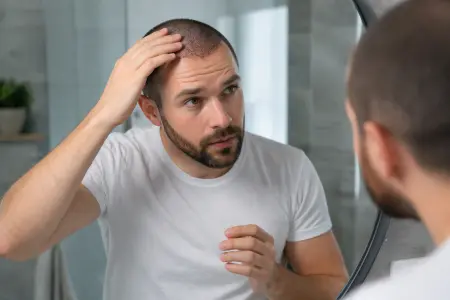
Table of Contents
It can be quite frustrating to have a feeling of itchiness on your scalp right after undergoing hair transplantation surgery, particularly when you have been told that scratching will damage your work-in-progress. However, it is important to note that mild itching is often a natural part of healing and usually begins as your skin forms small crusts, feels dry, and adjusts to the presence of transplanted grafts. But this procedure usually ends on the third day if appropriate steps are taken to relieve the pain, such as washing the affected area and using recommended skin-soothing techniques. Itching requires special attention if it persists and is accompanied by other signs such as redness, irritation, swelling, drainage, or a burning sensation.
In this article, we will explain what causes itching after a hair transplant and how you can relieve it.
Why Does Itching Happen After a Hair Transplant?
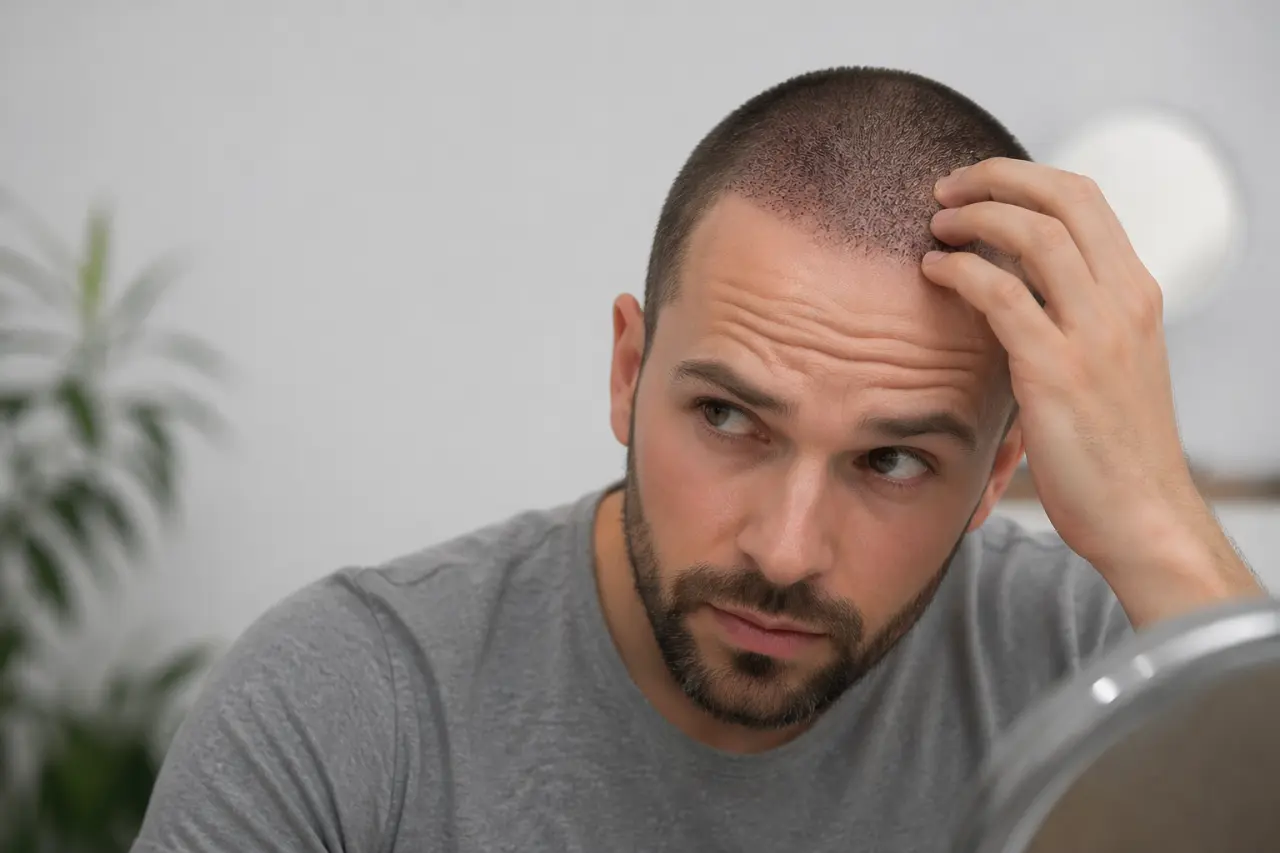
Itching following the operation is common after a couple of days, since the small cuts on the scalp will develop into scabs. But generally, the itching will not persist for long and will resolve on its own if post-surgery precautions are observed.
Main causes of itching after transplantation:
Itching is Normal in the Healing Process
The first reason why people tend to experience itchiness after transplantation is their body's response to injuries sustained. When performing a transplantation procedure, doctors create tiny channels and remove hair grafts from the donor area. As your body attempts to repair the injuries, there will be moments when you feel tightness, dryness, sensitivity, and, ultimately, an itch. Do not panic because it is a natural process.
Another potential source of discomfort is nerve irritation. Histamines are produced as part of a natural immune response during healing processes in your body. Although it might not be very pleasant, the process cannot be harmful either. To reduce dryness, use a saline spray and follow your physician's recommendations for washing.
Itching Could Also Result From New Hair Growth
In addition, itching may develop later in the recovery process as hair follicles undergo various stages of growth. In the case of hair follicles, the first hair fall may occur about two weeks after surgery. Although shock loss could be concerning for the patient, it is generally a natural phase of hair transplantation.
If itching occurs after three to four months following hair restoration treatment and there are no symptoms of infection, such as pain, swelling, discharge, or severe redness, the patient may be experiencing itching due to hair growth. Some patients would experience itching when their hair begins to grow back on the scalp.
Itching May Occur Due to Scalp Disorders
Some patients may have existing scalp problems before undergoing hair transplant surgery, and some may even develop them after the operation due to dryness, sensitivity, hair products, and irritation. Patients with scalp problems must consult their doctor before hair transplant surgery.
Some scalp diseases that could trigger itching include:
- Dry scalp: Lack of moisture can make the scalp feel tight and cause itching.
- Dandruff: Scalp flaking may irritate the skin and impair healing after the operation.
- Seborrheic dermatitis: The condition is characterized by itching, inflammation, skin flakes, and yellow spots.
- Skin eczema: Any skin sensitivity or irritation can cause patients to experience severe pain.
- Psoriasis of the scalp: Hair transplant surgery causes psoriasis outbreaks.
If patients notice thick, scalp patches, plaques, persistent redness, rash-like spots, or abnormal flaking after surgery, they shouldn't start using any scalp products immediately, as this can damage grafts. Proper treatment for any of these problems can be offered by a specialist.
Itching May Indicate an Infection
While infections resulting from hair transplantation are rare, they can occur because multiple micro-injuries occur during the surgical procedure. However, itching alone doesn't indicate that an infection is present. If you notice any combination of redness, swelling, pain, heat, discharge, or soreness, then you must seek medical advice immediately. Another warning sign is small spots appearing around the follicles, which may indicate folliculitis, i.e., a hair follicle infection or inflammation.
Depending on the severity of the condition, the physician in charge of your case might prescribe topical or oral medications. Squeezing any bumps and scratching the affected area are strictly prohibited. Using any natural treatment methods when you suspect an infection is also discouraged.
An Allergic Reaction Can Cause Itchiness
Sometimes, the reason for the itchiness of your scalp could be an allergic reaction caused by any after-care product applied after the treatment. For example, it might happen with medicated shampoos or other products like minoxidil, after-treatment sprays or lotions, or even from contact with any fabric. If itching starts when using a new product and is accompanied by a burning sensation, redness, swelling, rashes, or tiny blisters, then this is a case of an allergy.
Stop using the product immediately if you believe that it might be causing an allergic reaction on your scalp, particularly in the initial stages after the treatment. Do not substitute the irritating product with any other one without consulting the clinic. An allergic response to topically applied minoxidil may cause mild itching at the start of use; however, severe burning or obvious irritation requires medical attention.
When to Worry and Consult a Doctor After a Hair Transplant?
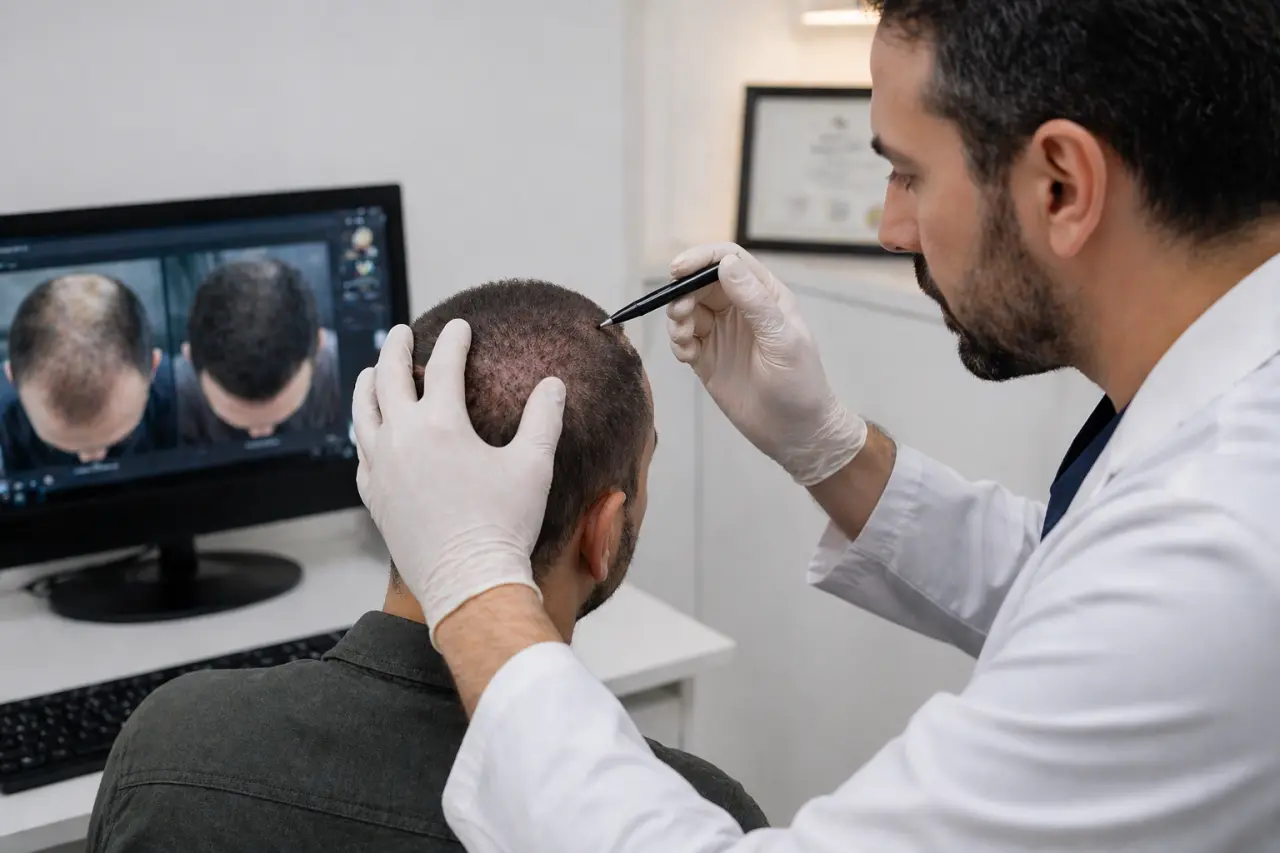
Although some degree of itching, redness, and crusting is normal during the hair transplant healing process, there are times when one should be concerned about one's health. The difference lies in the severity, frequency, and development of these factors. When pain does not lessen or new symptoms arise later on in the recovery period, these should not be ignored. Seeking professional help from a trained expert will help ensure these problems do not escalate into more serious complications that could jeopardize the patient’s hair restoration success.
In a clinical setting, hair transplant complications are rare but still possible to experience. These may include infections, inflammation, or adverse reactions to prescribed medications. This is especially true if proper post-procedure care is not followed or if the individual suffers from pre-existing scalp problems.
Those are red flags that you cannot ignore:
- Severe or constant itchiness: More so when the condition continues rather than abates
- Intense reddening, swelling, or pain: These could suggest an unusual inflammatory reaction
- Any form of inflammation or discharge: An early sign of an impending infection
- Fever: A body-wide sign that requires evaluation regardless.
- Scabbing: Too much of it can affect your recovery or even the hair grafts
- Presence of pustules on the follicle: This may have something to do with disorders such as Folliculitis
How Long Does Scalp Itching Last After a Hair Transplant?
Itching after a hair transplant normally goes away within2 to 3 days. This is because by then the scalp's healing process has begun, and the site has formed scabs. A lot of people say their scalp feels tight or dry instead of itchy. To help with the discomfort during these first few days, you can use saline sprays and keep your scalp hydrated.
Most people find that itching lasts only 4 to 5 days, though it can sometimes persist for up to a week. If itching persists, it is often due to the scalp being too dry or to missed aftercare steps. If you notice ongoing itching along with redness, swelling, inflammation, pus, or fever, contact your specialist. These symptoms could mean irritation, an allergic reaction, or an infection.
Tips for Soothing Itching After a Hair Transplant
Hair transplant recovery takes patience, and it is perfectly natural to experience mild itching during this process due to dryness, crust formation on the scalp, and sensitivity. It is crucial not to scratch yourself because new grafts can be easily damaged. They are very fragile when transplanted to a new place. You need to follow your doctor's recommendations to avoid irritation or infection.
Gentle Scalp Washing
It would be wise for you to wash your head properly according to the directions given to you by your surgeon within 3 to 5 days of the day of surgery. Sulfate shampoos should never be used since they tend to irritate the grafts. Washing helps eliminate excess blood and grease, which could trigger scalp itching.
Moisturizing Sprays or Lotions
Your doctor might prescribe a hypoallergenic moisturizer to help keep the scalp from drying out and minimize itchiness. You may consider aloe vera gel, but only after getting your doctor's permission, tosee if it is safe to use for dry or itchy skin.
Saline Solution Spray
The use of a saline spray allows for hydration without adding foreign oils. It is advisable to mist your scalp with the product several times daily. Usually, clinics provide their patients with such solutions to use in the first days after the procedure.
Cold Pack
Placing cold packs on the forehead or the back of the head can help relieve itching. It is quite safe to use cold packs on the affected parts.
Antihistamines
Your doctor will prescribe antihistamines if you experience severe itching. These medications block the effects of histamine, a substance your body releases. It’s crucial to follow your doctor’s instructions for using this medication.
Do Not Scratch Your Scalp
Try not to touch your scalp, as this helps reduce symptoms. Scratching the new grafts can cause infection or affect your results. To protect your scalp, wear a loose cap and cut your nails short.
Natural Methods to Ease Itching Post-Hair Transplant Surgery
There are some natural treatments that may help ease itching after hair transplant surgery. They are not supposed to be a substitute for your hair surgeon’s recommendations. During the initial phase of healing, your scalp will be extremely sensitive to any external treatment. Even though most natural treatments contain beneficial ingredients, they can be harmful if not used properly. For this reason, you must always consult your hair transplant surgeon before using herbal rinses, oils, and other home treatments.
Herbal Chamomile Rinse
Chamomile is famous for its anti-inflammatory benefits. Make sure the rinse is not strong enough to irritate your scalp or disturb the scabs on your skin.
Diluted Apple Cider Vinegar Rinse
It is believed that apple cider vinegar can alleviate itching by helping maintain proper scalp pH and offering mild antimicrobial benefits.
Coconut oil
Coconut oil can be used as a moisturizer for an itchy, flaky scalp; however, it should be applied a few weeks after the transplantation rather than during the immediate wound-healing period. This product is not recommended without a dermatologist’s permission, as its thick consistency can impede scab removal and block the scalp's pores.
Aloe vera gel
Purified aloe vera gel is often perceived by patients as refreshing and soothing; however, aloe should be used with caution after the procedure. A fragrance-free aloe gel is the preferred option; however, its use should be discussed with your healthcare provider first.
Have Questions? Let's Chat on WhatsApp!
Get instant answers 24/7. Receive your doctor-led hair analysis within 1 day, plus pricing and booking support.
Start WhatsApp ChatCool saline spray
This remedy is not herbal, yet it is among the safest methods for reducing itching and dryness in the early period after hair transplantation.
When to Contact Your Surgeon?
If you are experiencing any form of itching when undergoing hair transplantation surgery, you need to consult your surgeon for further advice. It is important to watch for any warning signs that could indicate problems, such as swelling, pain, itching, or bleeding. Itching is common after hair transplant surgery, but it's best to consult the surgeon about the recovery process.
You should consult a doctor if the itching is severe and persistent and doesn't go away even after you carefully follow all the post-procedure guidelines. Moreover, if you find some symptoms such as intense redness, heat, sensitivity, and tiny yellow spots with pus in the area of follicle implantation, you must consult a specialist immediately. While itching can be quite unpleasant, it will eventually go away on its own. Most people stop feeling the itching sensation in three weeks or less.
When Can I Take an Antihistamine After a Hair Transplant?
In general, one can take antihistamines after hair transplantation if recommended by the doctor, particularly when experiencing itching during the first several days of recovery. Some patients have to take the medication before going to bed due to the fact that antihistamine drugs sometimes induce sleepiness and help to eliminate nighttime itching sensations. At the same time, an antihistamine can be used not only at night but also during the daytime, depending on its type, one’s overall health, etc. Therefore, it would be better to consult the hair transplanting surgeon before taking it.
Can I Apply Ice to My Itching Donor Area?
Yes, you can apply ice to your itchy donor area after your hair transplant procedure, but be careful. It is recommended that you avoid placing ice directly on your scalp, as it may irritate your skin; instead, place a towel between the ice pack and your itchy donor site. The thing you have to remember is that ice packs should only be applied when required and for a brief duration, no more than 15-20 minutes.
If you are still deciding on a procedure, see how the Sapphire FUE hair transplant works at Istanbul Vita, what recovery looks like and what the packages cost.
FAQs
Is scratching during itching after hair transplantation surgery harmful?
Yes, because it will affect the grafted tissues by irritating your scalp, causing interference with healing, and leaving you open to various infections. It is best to seek help from an expert on how to get rid of the itch without risking your health.
How long does redness take after hair transplantation surgery?
In most cases, the redness that appears disappears within one or two weeks. However, if it becomes severe and starts causing pain and inflammation, it needs your attention.
What can I do to ease itching at home?
To deal with the discomfort, you may try saline spray, cold compresses applied to the donor zone, staying hydrated, and using only moisturizers recommended by your doctor.
Why is it necessary to pay attention to the type of shampoo?
After transplantation, the scalp is very vulnerable; therefore, using a strong shampoo can cause dryness and irritation. Using doctor-recommended shampoo is safer for recovery.
 conversation


