
 English

Table of Contents
Mingyu Hair Transplant: A Detailed, Evidence‑Based Analysis
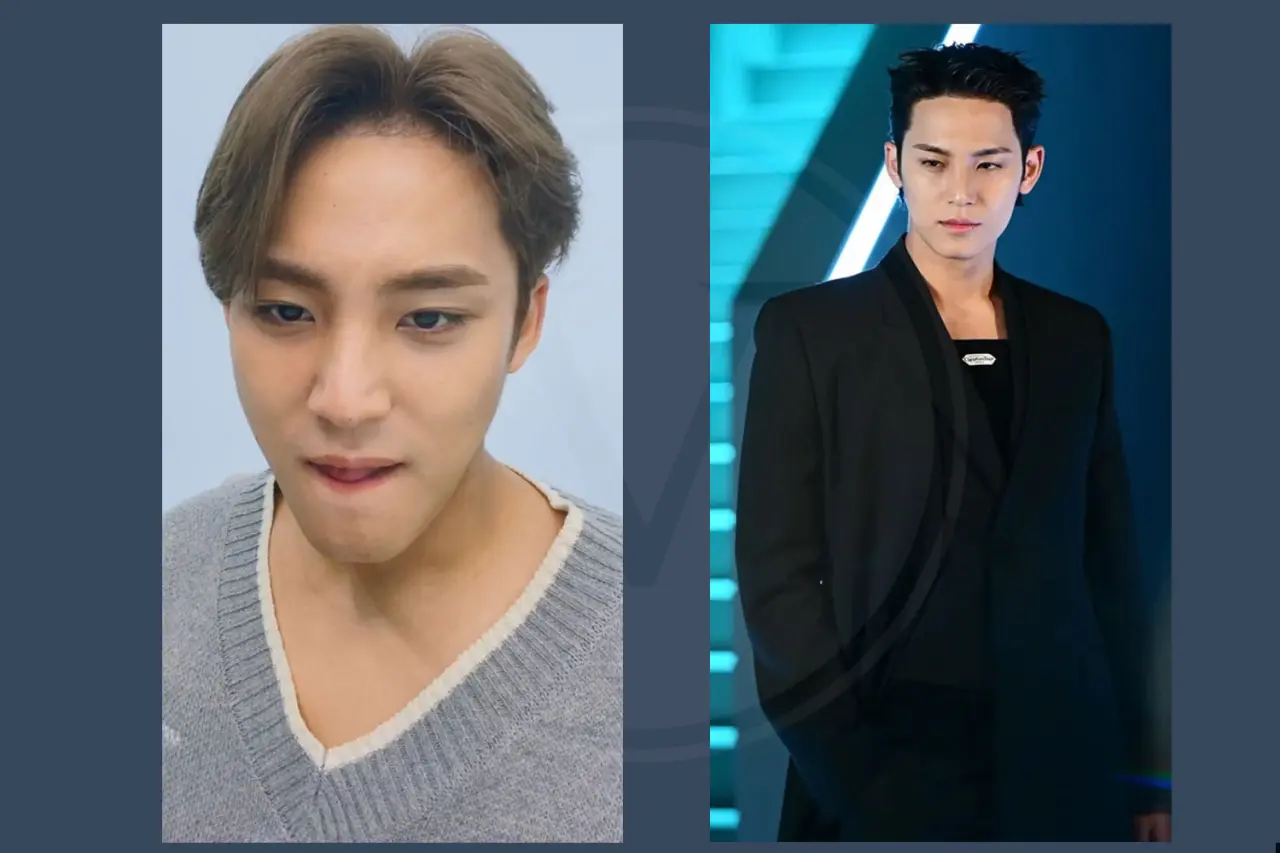
Kim Mingyu, a member of SEVENTEEN, is known for his visual appeal, performance skills, and youthful appearance. Like many public figures, changes in hairstyle, hair volume, and hairline over time naturally lead to curiosity. Common questions include whether Mingyu had a hair transplant and any claims around Mingyu hair transplant. These discussions often appear among SEVENTEEN fans comparing past photos with his current look.
This is an observational text based on general hair loss knowledge and is not based on gossip. This article does not reference or promote any external clinics or organizations.
In international aesthetics discussions, Mingyu is sometimes mentioned in broader celebrity hair transplant conversations.
Who Is Mingyu and Why Is His Hair Discussed So Often?
Born in 1997, Mingyu, also referred to by his Korean name of Kim Mingyu, debuted with SEVENTEEN for Pledis Entertainment. Very soon after, he gained immense popularity in the world of K-pop. One cannot deny that Mingyu's visuals are very important for the image that he maintains, which is why even minor modifications in terms of grooming and fashion can attract considerable attention. As a result of high-quality photography, comebacks, and media coverage from around the globe, even minor details such as hair density and hairline are amplified.
For male idols in their twenties, hair discussions are not unusual. Stress, styling damage, genetics, lighting, and frequent hair coloring can all temporarily affect appearance. This context is critical when evaluating claims like Kim Mingyu hair transplant or Svt Mingyu hair transplant.
What Kind of Hair Loss Did Mingyu Have?
Evaluating Mingyu’s Hairline Using the Norwood Scale
The Norwood Scale is the most commonly used reference when specialists evaluate male pattern hair loss. There is no conclusive proof of severe androgenetic alopecia based on publicly accessible photos from Mingyu's early years to her most recent appearances.
If any changes are observed, they would most likely correspond to:
- Norwood 1: A juvenile or intact hairline with no recession
- Norwood 2 (mild): Slight temporal recession that remains age‑appropriate
In early SEVENTEEN content, Mingyu’s hairline appeared full and symmetrical. In later years, certain photos show minimal temple exposure, but this is well within the normal range for adult men and can be heavily influenced by:
- Hairstyle direction (slicked back vs. fringe)
- Hair length and layering
- Styling products and heat
- Lighting and camera angles
For this reason, it would be incorrect to describe Mingyu as having obvious hair loss. From a medical perspective, there is no discernible progression into Norwood 3 or higher, which is usually the point at which surgery becomes more frequent.
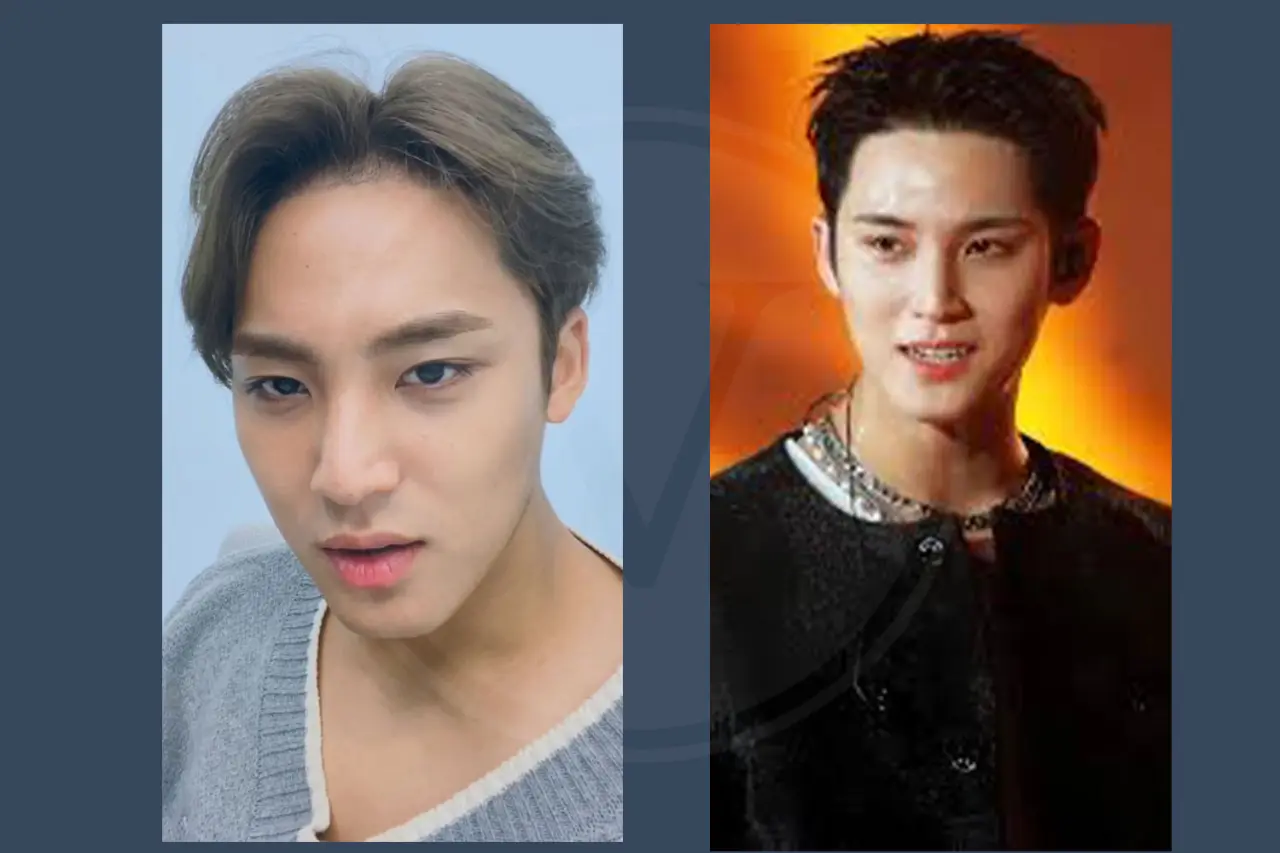
Mingyu Before Hair Transplant: Visual Changes or Styling Evolution?
Some believe that there is a noticeable difference in hair density or composition between Mingyu’s early and current photos when viewed together. However, visual observations alone do not suffice as valid medical evidence.
Important Contributing Factors Behind "Before" Looks
-
Excessive hairstyling during his idol beginnings
-
Coloring/bleaching, causing a reduction in hair strand diameter
-
Tight hairstyles that expose the temples
-
Changes in weight/facial bone structure
In comparison to later times where hair is long, dark, and voluminous, these may give off an impression of hair thinning.
In assessing pre- and post-hair transplant pictures of Mingyu online, many consider:
- Differences in lighting
- Differences in hair length
- Angle differences
From a medical standpoint, all these factors reduce the validity of such assessments.
Did Mingyu Have a Hair Transplant?
This is the most frequently asked question: Did Mingyu have a hair transplant or did Mingyu get hair transplant?
The Evidence‑Based Answer
There is no official record or source confirming any information on Mingyu having had a hair transplant.
As far as his professional side is concerned:
- Mingyu doesn't show signs of a typical hair transplant patient (irregular density patterns, presence of scars, drastic change in hairline)
- The evolution of his hairline is smooth and steady
- Density pattern looks natural across both frontal and mid-scalp areas
Consequently, any claims of a Mingyu seventeen hair transplant are purely speculative.
What Type of Hair Transplant Did Mingyu Might Have?
In case such an intervention was undertaken, according to industry standards, advanced techniques should have been used.
Most Common Procedures Undertaken by Famous People
- Sapphire FUE: Characterized by delicate cuts and natural hairline formation
- DHI (Direct Hair Implantation): Enables precise angle and density control
These procedures are often discussed in the literature about hair restoration and used for those needing delicate corrections but not strong fixes.
It should be stressed that this part is hypothetical only. Reference to Sapphire FUE or DHI does not mean that Mingyu had either procedure done.
How Many Hair Grafts Did Mingyu Need?
In cases of mild temporal refinement (Norwood 1–2), graft numbers are typically low.
Estimated Graft Ranges (Hypothetical)
- Minor temple refinement: 800–1,200 grafts
- Hairline softening only: 500–800 grafts
Mingyu’s appearance does not suggest dense packing or large‑scale transplantation, which usually involves 2,500+ grafts. His overall density appears consistent with natural growth rather than surgical augmentation.
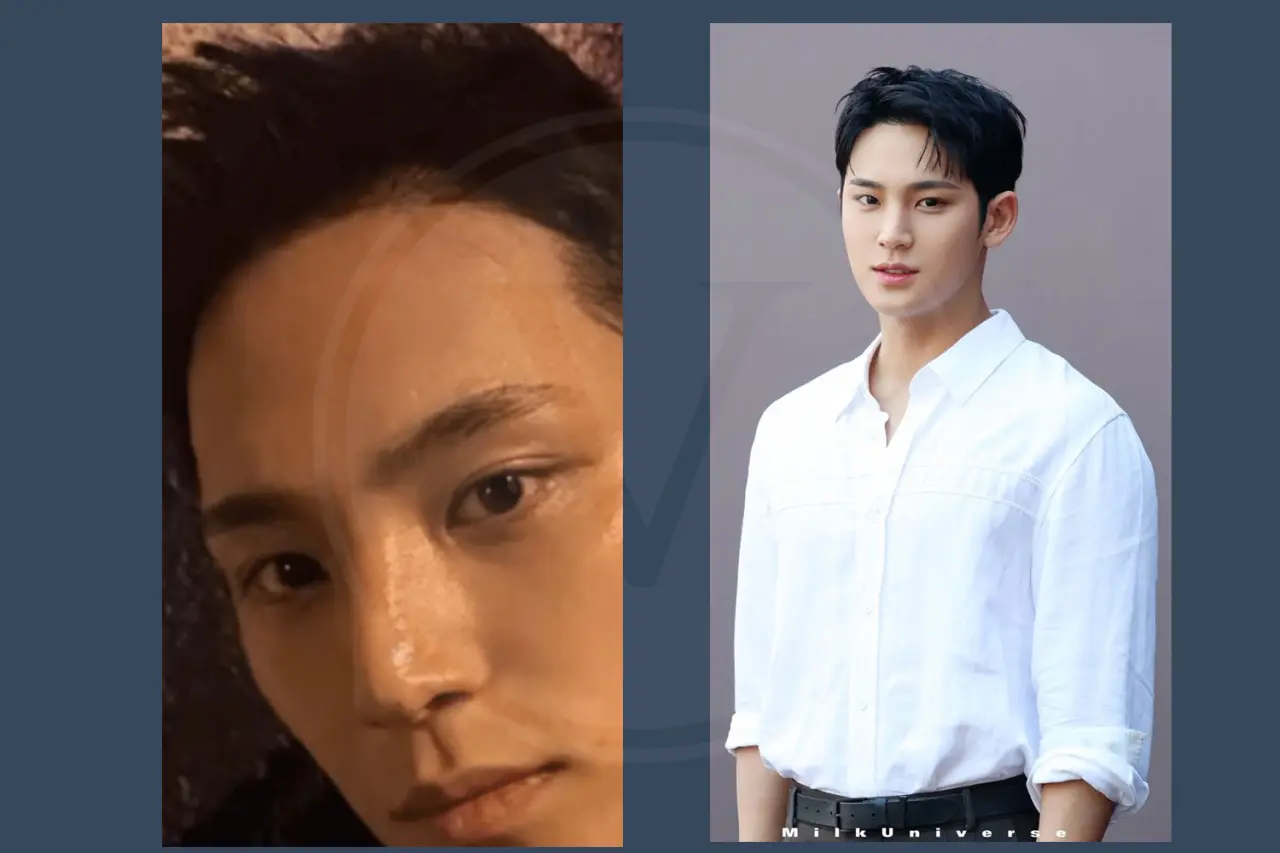
Mingyu Hair Transplant Before After: Why Results Look “Different”
When Mingyu’s earlier appearances are compared with more recent ones, some observers feel that his hair looks denser or more balanced. These impressions usually come from visual contrasts rather than clear medical changes.
Factors That Can Create a “Before and After” Effect Without Surgery
- Alteration in the structure and length of the haircut
- Better styling techniques that add volume
- Reduced exposure to frequent bleaching or heat damage
- Strategic placement of the fringe
In summary, all these factors can make hair look more voluminous without any surgical intervention.
Mingyu Before & After Hair Transplant: Which Hair Transplant Clinic Did Mingyu Choose?
This is a common query on various forums online, but what should be clarified is:
- Mingyu has never openly admitted his choice of hair transplant clinic.
- There is no verifiable source that confirms a certain clinic.
Any statement or item suggesting there being clear information about the hair transplant center Mingyu claims to have been treated at should raise an alarm. Informed medical discussion steers clear of unverifiable clinic marketing materials.
Have Questions? Let's Chat on WhatsApp!
Get instant answers 24/7. Receive your doctor-led hair analysis within 1 day, plus pricing and booking support.
Start WhatsApp ChatIs It Possible to Get a Hair Transplant Like Mingyu in Turkey?
One can now consider Turkey among the leaders in providing hair restoration services to people from across the globe because of their technical and professional knowledge.
What “Mingyu‑Like” Results Actually Mean
Contrary to becoming someone else, realizable objectives would include:
- Having appropriate density according to age
- Selecting methods that suit minimally invasive techniques
- Advanced methods such as Sapphire FUE & DHI should be able to
Modern procedures such as Sapphire FUE and DHI are designed to achieve these subtle, natural outcomes when applied correctly.
Thinking of Starting Your Own Hair Restoration Journey?
Everyone has unique characteristics when it comes to hair loss, donor area, and expectations. The interest in Svt Mingyu hair transplant is mainly related to the preference for a natural hairline change rather than an unnatural result.
Get Analysis
A professional hair analysis is the most reliable way to determine:
- Whether transplantation is needed
- What method should be used
- The number of grafts needed
Final Thoughts on Mingyu Hair Transplant Discussions
The persistent curiosity regarding Mingyu hair transplant, whether Mingyu had a hair transplant, and other associated terms underscores a larger phenomenon: the public is becoming well-informed and interested in aesthetic medicine.
To be factual, it appears that Mingyu’s hair growth process is closer to hair enhancement treatments, professional grooming, and normal development rather than proven surgery. Responsible content must focus on educating its audience instead of speculating until the truth becomes available.
For readers investigating their possibilities, Mingyu’s experience acts as a cautionary tale, noting that hairlines that look naturally enhanced may be the product of meticulous planning, either medically or by improving their hair’s condition or both.
Whatever the story behind Seventeen Kim Mingyu's hairline, a natural result comes down to planning: how many grafts the donor area can give, and a hairline drawn for the face and age. If you are weighing a transplant yourself, see how the Sapphire FUE hair transplant works at Istanbul Vita, who it suits and what the packages cost.
Frequently Asked Questions (FAQ)
Did Mingyu get hair transplant?
There is no evidence that Mingyu had a hair transplant. Mingyu and his agency have not officially endorsed these claims, and any changes may be explained by styling and hair care.
Did Mingyu have a hair transplant?
From an evidence-based standpoint, there is no verified information showing that Mingyu had a hair transplant. His hairline and density appear consistent with natural growth patterns.
When did Mingyu get a hair transplant?
There is no confirmed date or timeline because there is no official proof that Mingyu ever underwent a hair transplant. Any dates mentioned online are speculative.
Why did Mingyu get a hair transplant?
There is no factual basis to explain why Mingyu got a hair transplant, as the procedure itself has not been confirmed. Most discussions are based on fan observations rather than medical facts.
When did Mingyu get hair transplant?
No reliable source provides information on when Mingyu got a hair transplant. Changes in appearance are more likely related to styling, lighting, or hair health improvements.
Did Mingyu get a hair transplant?
Currently, all claims suggesting that Mingyu got a hair transplant remain unverified. Experts generally agree that his hair changes do not show clear surgical indicators.
 conversation


