
 English
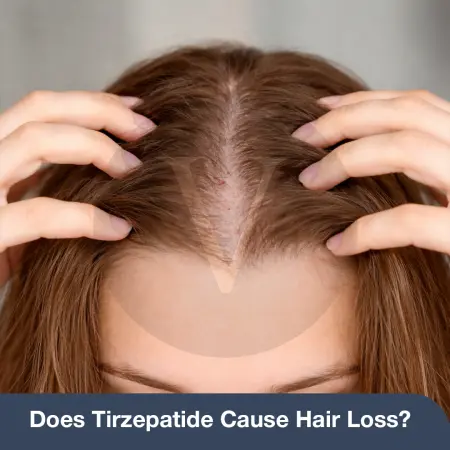
Table of Contents
Short answer: Tirzepatide is not usually a direct cause of permanent hair loss, but the rapid weight loss it produces can trigger telogen effluvium: temporary shedding that tends to start 2–3 months after the trigger and settle within about six months. Hair loss was reported more often with tirzepatide than with placebo in the SURMOUNT-1 trial (New England Journal of Medicine, 2022).
Tirzepatide has become one of the most popular medications for weight loss and type 2 diabetes management in recent years. As more people start using it, many are noticing unexpected changes in their bodies—one of the most common issues being hair shedding. This has sparked a lot of questions like, "Does tirzepatide cause hair loss?" and "Is this something to be concerned about in the long run, or is it just temporary?"
Hair loss can hit hard emotionally, particularly when it shows up out of the blue while you’re trying to improve your lifestyle. Getting a grasp on what’s happening and the reasons behind it can really take the edge off the stress. Fortunately, for most people, hair loss from tirzepatide isn’t a lasting issue and doesn’t indicate that the medication is harming your hair.
Understanding Hair Shedding While Using Tirzepatide
Many people start noticing increased hair shedding a few months after beginning tirzepatide. Hair may appear thinner when styling, more strands may collect in the shower drain, or brushing may suddenly feel more alarming than usual. While this can be upsetting, it is important to know that this type of shedding is usually linked to changes happening inside the body rather than damage to the hair itself.
Hair growth is closely connected to overall health. When your body experiences quick changes—like losing a lot of weight—it might redirect energy from hair growth to focus on more vital functions for a while. This adjustment period is often the real reason behind tirzepatide hair loss.
Why People Notice Hair Loss on Tirzepatide?
Hair shedding linked to tirzepatide usually doesn’t kick in right away. In fact, it often shows up weeks or even months after you start losing weight. That delay can really catch you off guard and leave you scratching your head. When it comes to tirzepatide, the most frequent reasons folks notice hair loss are:
- Quick weight reduction within a short period of time
- Calorie restriction impacting nutritional values
- Limited protein ingestion because of suppressed appetite
- Physiological stress due to metabolic alterations
Most often, the hair follicles are healthy and able to produce hair after adapting to changes in the body.
What Is Tirzepatide and Why Is It So Widely Used?
Tirzepatide is an FDA-approved medication meant to assist you in controlling your blood glucose level. This medication does so by affecting your hunger sensation, increasing digestive speed, and altering your body’s response to glucose. Because it reduces appetite and keeps one feeling fuller for a more extended period, many people using it tend to consume less food and lose weight in the process. Although these side effects are healthy, they may cause some temporary physiological responses due to sudden weight loss.
Tirzepatide for Weight Loss and Diabetes
Tirzepatide medication in the form of Mounjaro and Zepbound is often recommended to patients by doctors who suffer from:
- Type 2 Diabetes
- Obesity
- Weight-related illnesses
- Difficulties with weight loss while on a diet regimen
This is because the medication usually causes considerable weight loss during the initial months of treatment.
This information is for informational purposes only. Consult your doctor before use.
How Weight Loss Can Affect Hair Health
In order for your hair to flourish, you need to have nutrients being delivered to it constantly, as well as balance within your body. Should a person suddenly start losing a lot of weight, their body will consider it a kind of stress. The result would be more hair follicles going into dormancy, and more hair falling out. However, you shouldn't worry about this it doesn't negatively affect the follicles in any way; they simply rest.
Does Tirzepatide Cause Hair Loss or Trigger It?
The difference is very crucial. It should be noted that tirzepatide does not affect the hair follicles in any direct way. It may contribute to hair shedding due to its ability to promote weight loss and change one’s eating behaviors. Therefore, whenever anyone asks whether tirzepatide leads to hair loss, it can be said to do so indirectly.
Is Hair Loss a Direct Side Effect of Tirzepatide?
It is not regarded as a direct or lasting adverse reaction to tirzepatide treatment. According to most research findings, the hair shedding is mainly caused by life-style and metabolic alterations and not directly associated with the medication. That is why most individuals usually lose their hair after:
- Bariatric surgery
- Crash dieting
- Major illness or stress
The mechanism is very similar in all of these situations.
Why Does Tirzepatide Cause Hair Loss in Some Users?
Not everyone using tirzepatide experiences hair loss. Those who do usually have one or more contributing factors.
- Fast Weight Loss and Body Strain
When weight is lost too fast, the body will focus on its necessary organs rather than growing hair. This will make you shed more hair. - Less Calorie and Protein Consumption
When appetite suppressants cause decreased protein consumption, hair growth may be compromised because hair strands consist mostly of proteins. - Deficiency of Nutrients
Lack of minerals such as iron, zinc, vitamin D, and B vitamins may lead to hair fall. - Changes in Lifestyle While Losing Weight
It is worth remembering that elements such as sleep, hydration, and stress have great influence on hair growth in the initial stages of therapy.
Tirzepatide and Hair Loss: What Type of Hair Shedding Is This?
In the case of hair loss due to tirzepatide, what you will be dealing with mainly is a condition known as telogen effluvium, which means that you will have a higher number of hairs fall out simultaneously compared to normal cases. However, there will be no damage caused to your hair follicles.
Temporary Hair Shedding vs. Permanent Hair Loss
Temporary shedding:
- Affects the entire scalp evenly.
- Improves over time
Permanent Hair Loss:
- Slowly progresses in a consistent manner (hairline, crown).
- Does not revert without treatment.
Understanding this distinction can help alleviate unnecessary anxiety.
How to Tell the Difference at Home
In case of even hair fall across the scalp without any presence of bald spots, then you need not worry as this could be a problem that will resolve itself over time. If there is a distinct pattern of hair fall, then it could be worthwhile to consult a doctor.
Have Questions? Let's Chat on WhatsApp!
Get instant answers 24/7. Receive your doctor-led hair analysis within 1 day, plus pricing and booking support.
Start WhatsApp ChatHair Loss on Tirzepatide: Who Is More Likely to Experience It?
Some people have more hair loss associated with their weight loss than other people do.
- People Losing Weight Quickly
The rapid weight loss, the higher chance of temporary hair shedding. - People With Existing Hair Thinning
Those with genetic hair thinning may notice changes more easily. - Dieting and Nutrient Gaps
Restrictive diets can put you at risk for nutritional deficiencies, which can negatively impact your hair health.
How Long Does Tirzepatide Hair Loss Last?
In general, hair loss caused by tirzepatide is usually reversible. Shedding typically begins two to three months after losing weight and improves three to six months after its onset. However, it can take a whole year to regain normal hair density depending on an individual's overall health condition, nutrition, and reaction to the drug.
In most cases, there is no need to interrupt the treatment course because hair shedding caused by tirzepatide is mostly tolerable. It can be managed without suspending the therapy. Nutrition is complementary part of hair regrowth. Proper protein intake and balanced diets can be important to restoring normal hair growth.
Haircare also matters much. Patients should use shampoos and styling products that will not cause damage. Avoiding hair styling and hair straightening can minimize hair loss during shedding. If shedding persists for six months, patients should consult their doctor.
How to Prevent Hair Loss on Tirzepatide
Methods that can assist in preventing hair loss are:
- Consumption of adequate protein
- Not going through severe caloric deficit
- Checking levels of vitamins
- Controlling stress and getting enough sleep
This will lower the probability of losing hair excessively.
Tirzepatide Hair Regrowth: What to Expect
Hair growth is a process which is slow at first, however, later on, the hair will become thick.
Signs That Hair Is Growing Back
- Fewer strands shed when washing hair
- Small strands growing in proximity to the hairline
- Enhanced hair density with passage of time
When Regrowth Takes Longer Than Expected
For hair regrowth delays, it is crucial to assess the nutritional state and other hair health concerns.
When to Consider Professional Hair Treatments
Non-Surgical Hair Support Options
There are treatments such as PRP and several clinical scalp care techniques that may boost hair growth.
When Hair Transplant May Be Considered
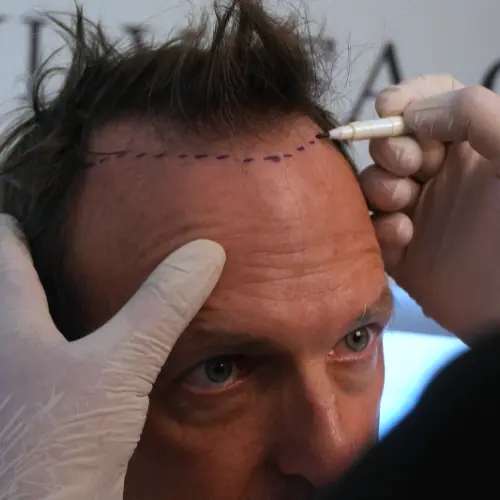
A hair transplant will only be performed if the drug causes irreversible hair fall and the shedding process is completely stable.
What to Know About Tirzepatide and Hair Loss
- Tirzepatide does not cause direct harm to the hair follicle.
- Hair fall caused by tirzepatide is reversible most often.
- Swift weight reduction and nutrition exert a major impact.
- The majority experience regrowth in months.
- Experts need to investigate any prolonged hair loss.
Frequently Asked Questions About Tirzepatide Hair Loss
Does tirzepatide cause hair loss?
Tirzepatide itself doesn’t directly lead to permanent hair loss. That said, some individuals might experience temporary hair shedding while on the medication. This is often more about the rapid weight loss that can occur rather than the drug itself. When you lose weight quickly, it can slow down hair growth for a little while, which may result in more shedding. The good news is that in most cases, hair will start to grow back once your body adjusts.
Why does tirzepatide cause hair loss?
The reason for hair fall when taking tirzepatide is the rapid loss of weight and the accompanying decreased intake of nutrients. Loss of appetite can lead to decreased protein and vitamins in your body, which in turn may affect your hair’s growth cycle. This means that there will be more strands of hair in the resting stage, thus resulting in their fall.
How to prevent hair loss on tirzepatide
For reducing hair loss during your treatment with tirzepatide, it is essential for you to have a proper diet containing proteins. You should avoid having diets with very low calorie intake and pay attention to the nutrients in your diet, along with looking after your hair. Also, stress reduction and sufficient sleep are very important for healthy hair growth.
 conversation


