
 English
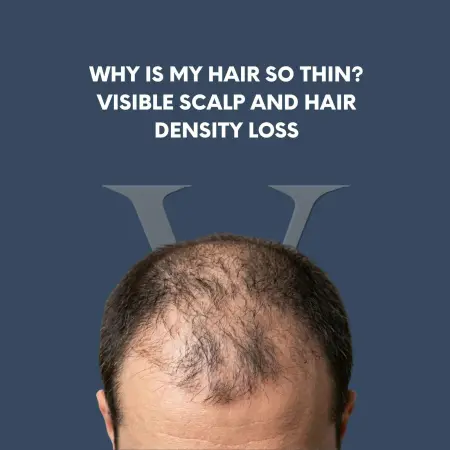
Table of Contents
Have you ever been in a position where you were in the restroom standing in the bright lights and noticed that your scalp is very much visible compared to before? Maybe your parting has widened, you have felt that your ponytail has gotten thinner, or you just have felt like your hair is very much thinner than it was when it’s wet. Have you even thought to yourself, “I can see my scalp because my hair is so thin”? Well, then know that you are not the only person who has thought so.
Thinning hair and scalp visibility are one of the first indications of thinning hair, especially for women. It is estimated that close to 30% of women will notice thinning hair during the course of their lifetimes. This problem, however, is one that most people know little about.
At Istanbul Vita, every day, we receive patients with similar questions. Why do I have such thin hair? Why do I see my head through my hair? Am I fine like that, or will it get worse? Here, we have created an extensive guide that will explain these queries in detail while suggesting some effective solutions.
Why Is My Hair So Thin I Can See My Scalp?
Just because you can see your scalp through your hair doesn’t necessarily indicate that you are losing your hair. This usually involves the density and thickness of the hair follicle itself.
The Hair Miniaturisation Process
Hair thinning occurs primarily due to hair miniaturization. Each individual hair follicle has three separate stages during its life cycle as follows:
- The anagen phase, which is the growth stage and can take several years
- The catagen phase, which is the transitional stage and can take several weeks
- The telogen phase, which is the resting stage followed by hair shedding.
In case of individuals suffering from hair loss in a progressive manner, especially females suffering from pattern hair loss, there are changes in the phases of growth. This means the growing stage will become very short compared to what it was before, thus the new growths will be weaker and shorter and not as thick as the old hairs. The hairs on the scalp become progressively weak, thus there is substitution of the thick hair with fine and delicate hair that doesn’t cover properly.
The statement that "I'm not losing hair, but my hair is thinning" explains the process very well. In case of thinning of the hair, the visible area of the scalp does not result from loss of number of follicles but rather by the thinning of the hair itself.
Important to note: People with light-colored hair start experiencing their scalp early. It all has to do with the visibility caused by the difference between scalp and hair color.
Why Can I See My Scalp Through My Hair in Certain Areas?
Thinning of the hair doesn’t happen uniformly over the whole scalp.
Typical Patterns in Women
Unlike in men where thinning occurs at the temples or crown areas, women typically exhibit signs of:
- Slow broadening of the midline part
- Decrease in hair density on the scalp
Preserved frontal hairline
Such condition is normally called female pattern baldness, which can be easily explained by the fact that the scalp is seen only when viewed from the top.
Visible Scalp Through Hair: Female-Specific Factors
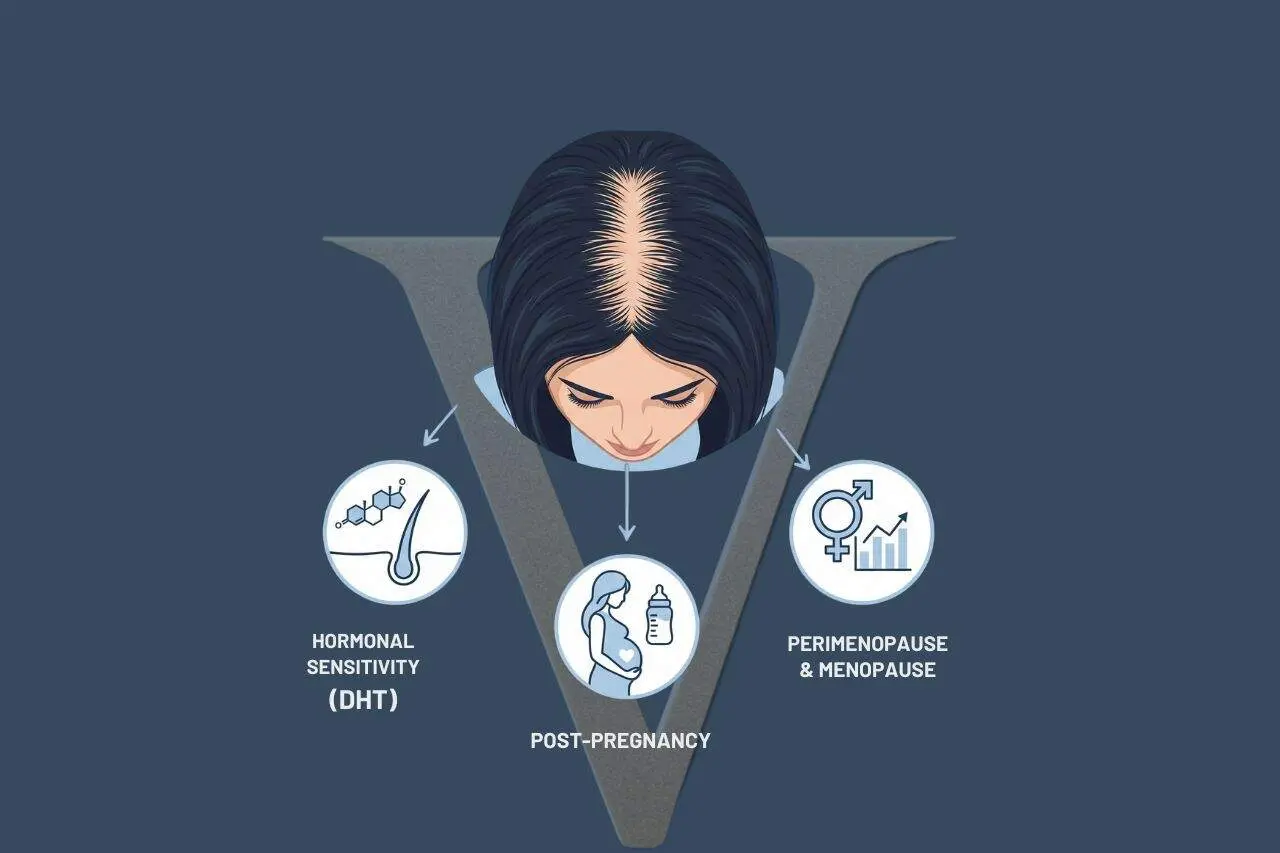
Hormonal sensitivity plays a central role. Even when hormone levels are technically “normal,” genetically sensitive follicles may react strongly—particularly to dihydrotestosterone (DHT). Life stages such as:
- Post-pregnancy
- Perimenopause
- Menopause
Hair can be made thinner through acceleration by any alteration in the level of oestrogen, which is a hormone that maintains hair thickness.
Why Is My Hair Thinning?
Hair loss is usually not due to one factor alone; instead, it is caused by a combination of different factors.
Genetic Predisposition
Should there be any history of thin hair and scalp visibility in your female relatives, you stand at a much greater chance of experiencing it. Hereditary factors are critical when it comes to the sensitivity of your hair follicles towards hormonal changes and the aging process.
Hormonal Imbalance
DHT, thyroid hormone levels, and estrogen levels also affect hair growth. Any slight change in these could affect hair density.
Nutritional Deficiencies
Low levels of:
- Iron
- Vitamin B12
- Zinc
- Vitamin D
Can weaken hair structure and worsen thinning. These deficiencies are especially common in women.
Lifestyle and External Factors
- Chronic stress
- Poor sleep
- Smoking
- Sedentary lifestyle
- Aggressive styling or heat exposure
All of these can reduce scalp circulation and accelerate miniaturisation.
Scalp First Signs of Hair Thinning: How to Recognise Them Early
Recognizing hair thinning early is critical. The sooner you realize it, the more therapy alternatives you'll have. Here are some early indicators to look for:
- A part that’s gradually getting wider
- Roots that lack volume
- Hair that feels finer to the touch
- Increased visibility of your scalp when your hair is wet
- Struggling to achieve your usual hairstyles
Hair thinning typically occurs gradually over months or years, rather than suddenly. Also, keep in mind that study shows that hair shedding can rise by up to 30% during the autumn months. So, if you notice a little more hair on your brush this season, it does not necessarily indicate that your hair loss is worsening.
Quick Solutions to Conceal a Visible Scalp
While addressing the underlying cause takes time, there are effective ways to immediately reduce scalp visibility.
Styling Techniques
Switching from a center part to a side part can really change your look. Consider going for layered or textured cuts, and steer clear of those long, heavy styles. And when you blow-dry, try tilting your head forward for some added volume!
Cosmetic Camouflage
- Volumising shampoos without silicones
- Root-lifting sprays and mousses
- Texturising powders
Direct Scalp Camouflage
Keratin fibres and scalp-concealing powders bond to existing hair, creating the illusion of greater hair density. These products are particularly useful for events or professional settings.
Effective Medical Treatments for Thin Hair
Cosmetic remedies improve appearance, whilst medical treatments address the underlying cause.
Minoxidil
Minoxidil is the preferred solution for women struggling with pattern hair loss. It functions by:
- Extending the duration of the hair growth phase.
- Enlarging hair follicles.
- Reviving inactive follicles.
If you stick with it, you can usually start seeing results in about 4 to 6 months. A handy tip: applying it in the evening can enhance absorption since blood flow to the scalp increases while you sleep.
Have Questions? Let's Chat on WhatsApp!
Get instant answers 24/7. Receive your doctor-led hair analysis within 1 day, plus pricing and booking support.
Start WhatsApp ChatAnti-Androgen Therapy
In selected cases, medications such as spironolactone may be prescribed under medical supervision to reduce androgen impact on follicles.
Advanced Medical Procedures at Istanbul Vita
In case when all else fails and topical solutions fail to impress, your physician may have something else up his sleeve for you to try out.
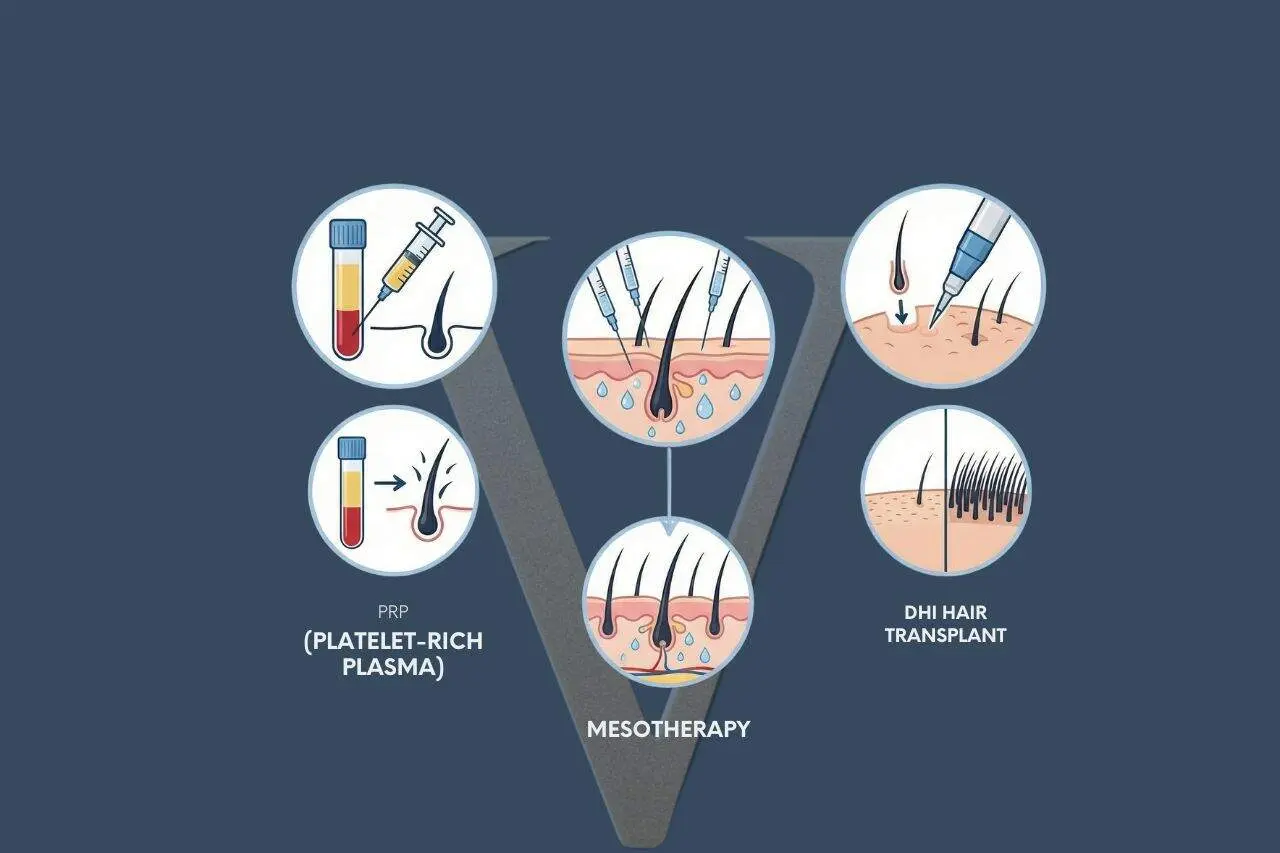
PRP (Platelet-Rich Plasma)
The PRP process makes use of your natural growth factors to regenerate follicles that have become weak. According to clinical research, about 57 percent of women have been helped by PRP treatment.
Mesotherapy
Nutrient injections provide a specific source for the metabolism of follicles and scalp skin.
DHI Hair Transplant
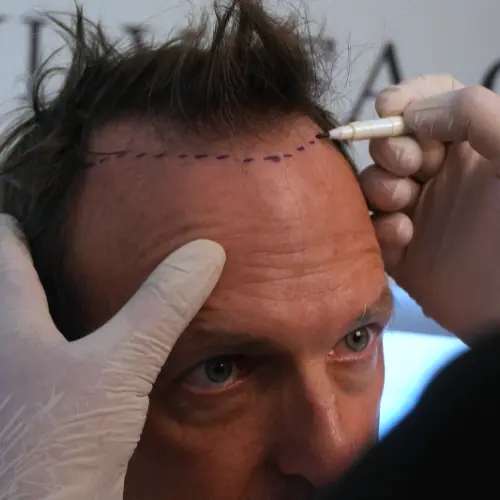
In cases where the visible loss of scalp hair is prominent, DHI hair transplant surgery can be a permanent treatment option. This procedure ensures accurate placement with less trauma and density planning tailored specifically to women.
A Combined Approach for Optimal Hair Density
Successful results tend to be achieved by the combination of therapies:
- Minoxidil + PRP
- Medical therapy + microneedling
- Long-term treatment + cosmetic camouflage
At Istanbul Vita, the approach is always customized according to scalp evaluation and hair density assessment.
Daily Habits That Support Thicker, Healthier Hair
Small, everyday decisions make a huge impact:
- Gentle, sulphate-free shampoos
- Minimal heat styling
- Avoiding tight hairstyles
- Daily scalp massage
- Balanced nutrition
Repeated tension from ponytails, tight braids, or extensions damages damaged follicles for good.
Final Thoughts
If your hair is very thin that you have a visibility of your scalp, there’s more to it than aesthetics since it could be a sign of a bigger problem. By getting yourself quickly diagnosed, formulating a customized plan for your hair, and receiving proper guidance, you’ll be able to counter hair thinning and produce impressive outcomes.
At our clinic, we firmly hold that knowledge about your hair can help you safeguard it. Thinning hair does not automatically mean hopeless hair, and scalp visibility does not necessarily equate to permanent hair loss.
A transplant suits only some patterns of female thinning, so the cause has to be clear first. Our female hair transplant page explains who is a good candidate, the techniques used and the cost.
Frequently Asked Questions (FAQ)
What makes my hair thin?
Hair thinning usually occurs due to thinning hair shafts instead of hair falling out instantly. In some individuals, specifically women, hair follicles may start responding to hormonal changes and other genetic factors. Once new hair starts growing, it becomes weak and thin, thus resulting in thinning hair. Various causes include poor nutrition, stress, hormonal imbalance, and various health issues.
What makes my scalp visible through my hair?
Your scalp may become noticeable when your hair density is lower than what would be sufficient for covering your scalp effectively. This usually occurs when your hair strands become thinner, shorter, or less dense because of follicular miniaturization. You will become more aware of your scalp if there is an abundance of light, if you have wet hair, or if there is a great difference between your hair color and your scalp color. For females, hair thinning is often one of the initial symptoms.
Why do I have hair thinning when I am not shedding my hair?
Thinning hair may not necessarily mean that you have shed some hair. What happens in most cases is that while there might be no change in the number of hairs on your head, the width of each hair becomes narrower with time. You will therefore see less volume in your hair because it will look flat and somewhat see-through.
Does scalp visibility necessarily indicate female pattern hair loss?
It doesn't necessarily have to be so. Transitory conditions like stress, changes in hormones after giving birth, seasonal hair fall, or dietary deficiencies can cause temporary scalp visibility. Nevertheless, if you find yourself experiencing an increase in scalp visibility, accompanied by decreased hair volume and widening of the parting area, female pattern hair loss should be seriously considered.
 conversation


