
 English
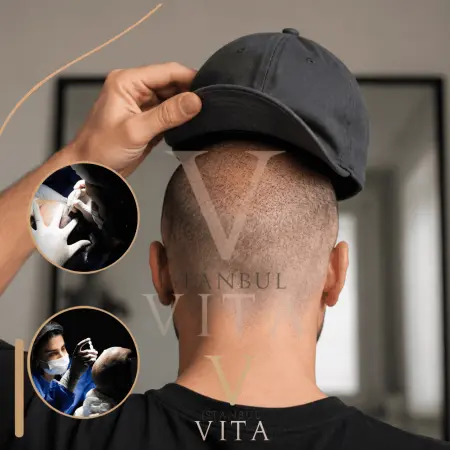
Table of Contents
Though you can wear a hat following your hair transplant procedure, you cannot do so immediately. The key here is that your implants need time to stabilize before you can proceed with wearing a hat. This will depend on what kind of hat you plan to wear and how fast you recover.
Most people who have had hair transplants would like to wear hats after their hair transplant procedures for different reasons. Be it to safeguard yourself against the damaging effects of the sun, return to work, or feel more at ease in social situations, here are some things you need to take into consideration.
Recovery is different for every patient. The transplant technique, the condition of the scalp, and even hair texture can all affect when it is safe to wear a hat. These factors are also considered during Turkey hair transplant planning helping ensure that both the procedure and the recovery plan are tailored to each patient.
Why the Scalp Stays Sensitive in the Early Days
Small scabs form around each graft within the first days, and the skin underneath stays tender, sometimes visibly swollen. None of that signals a problem. Redness and a certain tightness across the scalp are simply part of how healing unfolds.
The most important thing to remember during this time period is avoiding any sort of friction, heat, or pressure on the wound. Sweating under the clothing may irritate the skin which has to deal with the healing process, while premature removal of a scab may cause problems for the grafted skin. This does not go on forever. It is just the first week which requires extra attention.
How Long After a Hair Transplant Can a Hat Be Worn?
First 48 to 72 Hours
Hats are best skipped entirely here, unless the clinic itself has supplied one for protection. This is when grafts sit at their most fragile, so even light pressure isn't a risk worth taking.
Days 3 to 7
Even a soft, loose, clean hat can be worn for brief periods provided that it does not irritate or touch the area of treatment. It is often safer for many patients to take cover from the sun than to wear hats.
Week 2 and Beyond
By somewhere between days ten to fourteen, all scabs should have fallen off and the pain should have eased enough that a loose cap will be much more comfortable. Anything tight-fitting like hats, woolen caps, and helmets should be avoided for a little while more because they retain heat and fit tightly on the head. After this period, the best thing to do would be to consult the surgeon.
What Kind of Hat Is Safe After a Hair Transplant?
Once headwear is cleared, loose and lightweight wins over anything snug. Fabric that is soft and smooth will rarely cause any irritation to the scalp as compared to stiff or rough fabric, and the cleanliness of the material is as important as its fitting.
Have Questions? Let's Chat on WhatsApp!
Get instant answers 24/7. Receive your doctor-led hair analysis within 1 day, plus pricing and booking support.
Start WhatsApp ChatHats Best Avoided Early in Recovery
- Tight-fitting baseball caps or structured hats
- Wool beanies or anything compressive
- Helmets, hard hats, or safety headgear
- Hats that leave visible marks on the scalp after removal
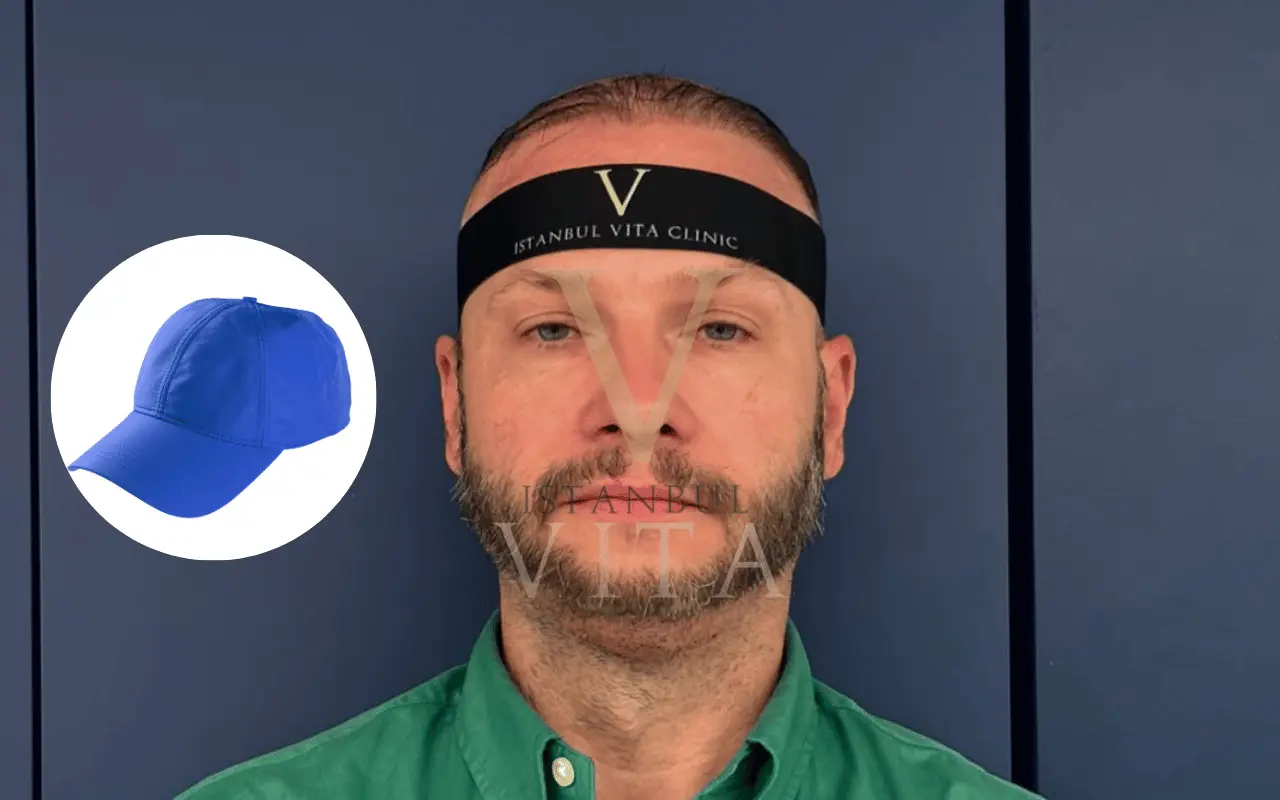
There's a fairly simple test for this. If a hat has to be forced into place, or leaves an indentation once it's off, it isn't the right choice yet.
Hats and Afro or Curly Hair Recovery
Curl pattern changes the equation somewhat. Coiled hair often grows beneath the skin at an angle rather than straight down, which means grafts in these areas can be a touch more sensitive to sideways pressure during the earliest healing days. Some surgeons recommend waiting slightly longer before introducing anything snug for these hair types, though the final call still comes down to the individual case.
Hair protection hairstyles, scarf wrapping, and other such techniques commonly associated with the care of curly or coily hair are generally acceptable after the scalp settles down. Nevertheless, seeking medical advice before making such assumptions is better practice than assuming your usual methods are always appropriate during recovery.
Practical Tips for Wearing a Hat Safely
- Wash hands prior to wearing or taking off any headgear
- Choose a hat that slides on without dragging across the grafted area
- Skip hats during workouts or anything that causes heavy sweating early on
- Keep the hat itself clean, and swap it out regularly during recovery
- Ask the clinic directly whenever timing feels uncertain
Recovery habits tend to bleed into each other. Physical activity raises a lot of the same questions as headwear does, and when exercise after a hair transplant is worth a closer look for anyone piecing together a full aftercare plan. Comfort during this stretch also comes down to using the right products, something this guide to hair transplant aftercare products covers in more detail.
When to Contact the Clinic
A light, brief touch from a hat rarely causes real harm. There are some symptoms, however, that should be paid attention to: continuous redness rather than its subsiding, continued pain, strange discharges, or bleeding. One might as well contact the physician in case a hat or a helmet accidentally presses against the scalp and there is any possibility of a graft being moved.
Have Questions? Let's Chat on WhatsApp!
Get instant answers 24/7. Receive your doctor-led hair analysis within 1 day, plus pricing and booking support.
Start WhatsApp ChatFrequently Asked Questions
Can a hat damage a hair transplant?
A hat may irritate the healing head when worn too soon or is pressed against the transplanted region. This risk occurs mainly in the first week following the procedure.
How soon can a loose hat be worn after a hair transplant?
However, in some cases, wearing a loose hat may be permitted after a number of days depending on how the healing is progressing.
Are baseball caps safe after a hair transplant?
The baseball cap is acceptable after they are well fitted, but because they are made from stiff materials, they may irritate the head at first.
Can a beanie be worn after a hair transplant?
The beanie hat is not an appropriate choice for the first few days after an injury as it is tight fitting and retains heat.
 conversation


