
 English
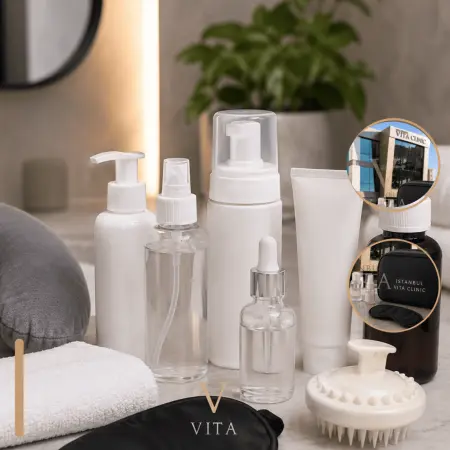
Table of Contents
The surgery itself gets most of the attention, but the first two weeks after your hair transplant are where a lot of the final result actually gets decided. It is all about what you put on your scalp, when you start using it, and what you avoid entirely all affect how well the grafts settle in. This guide will break down the hair transplant aftercare products patients that are actually given and asked to use, why each one matters, and what tends to separate a clinic's proper aftercare kit from a generic one.
You may be tempted to skip a step because it feels minor. It usually isn't.
Why Aftercare Products Matter as Much as the Surgery Itself
Freshly transplanted grafts are so fragile and for roughly the first 10 to 14 days. During this time your scalp needs gentle cleansing in the controlled moisture, and protection from any friction, sun, and swelling. Using the wrong shampoo in early days, skipping saline spray, or applying random products can irritate your scalp or it can also dislodge grafts before they have even anchored. This is why the reputable clinics don't just perform the procedure and send patients home but they then hand over a specific set of hair transplant aftercare products with clear all the instructions for each stage of healing.
What's Typically Included in a Clinic Aftercare Kit
A proper hair transplant aftercare kit usually includes a handful of core items rather than a long list of extras. Most kits cover:
-
A gentle, sulfate-free shampoo formulated for post-surgical scalps
-
Saline spray for keeping the recipient area moist in the first days
-
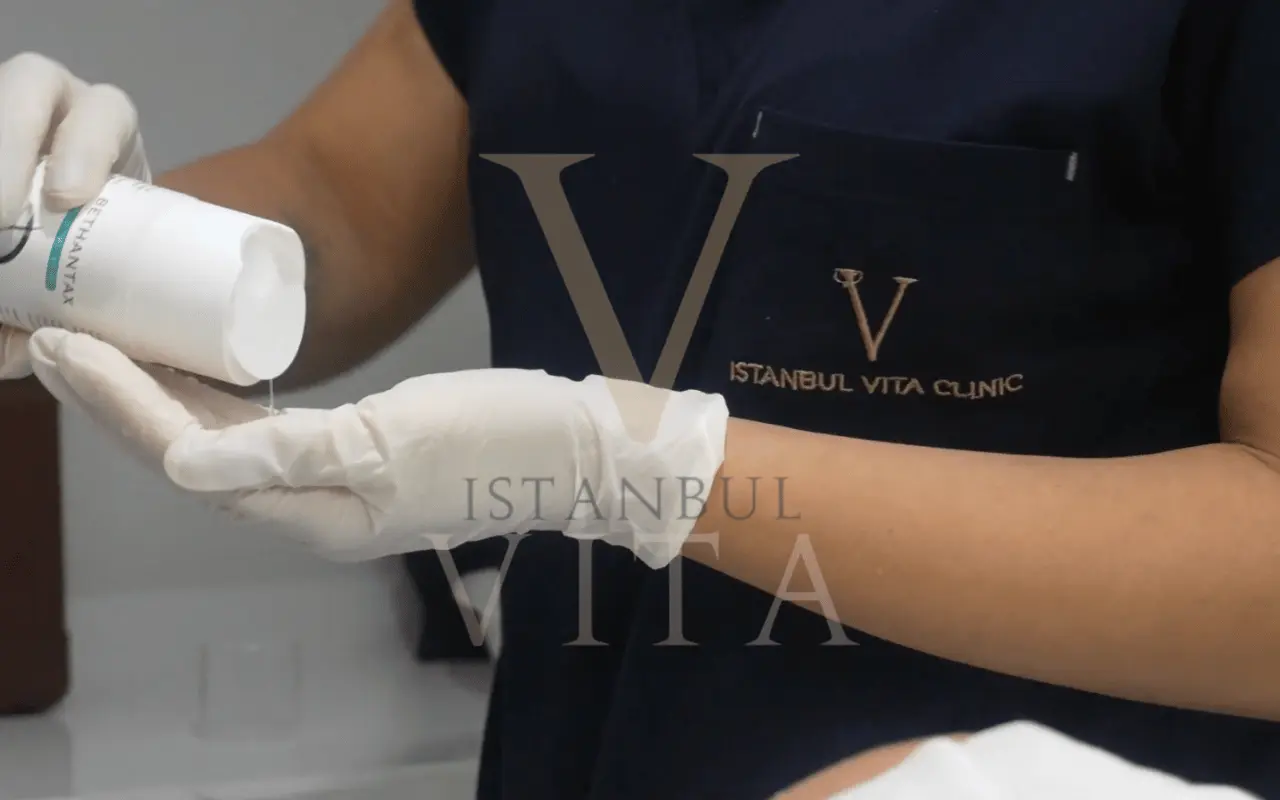
A lightweight foam or lotion applicator for the first at-home washes
-
A soft neck or travel pillow to protect the area while sleeping
-
Written, day-by-day washing and care instructions
Doctor-Recommended vs. Generic Products
Not every product marketed as "hair transplant safe" has actually been reviewed by a medical team. Doctor-recommended hair transplant shampoo and aftercare items are chosen because their pH, foam texture, and ingredient list won't irritate healing skin or grafts such as generic products, even mild ones, aren't always tested against that standard. At Istanbul Vita, the aftercare kit and washing schedule are set by the clinical team rather than left to a one-size-fits-all product line, since donor and recipient areas can heal at slightly different rates depending on the technique used.
Hair Transplant Shampoo: What to Use and When
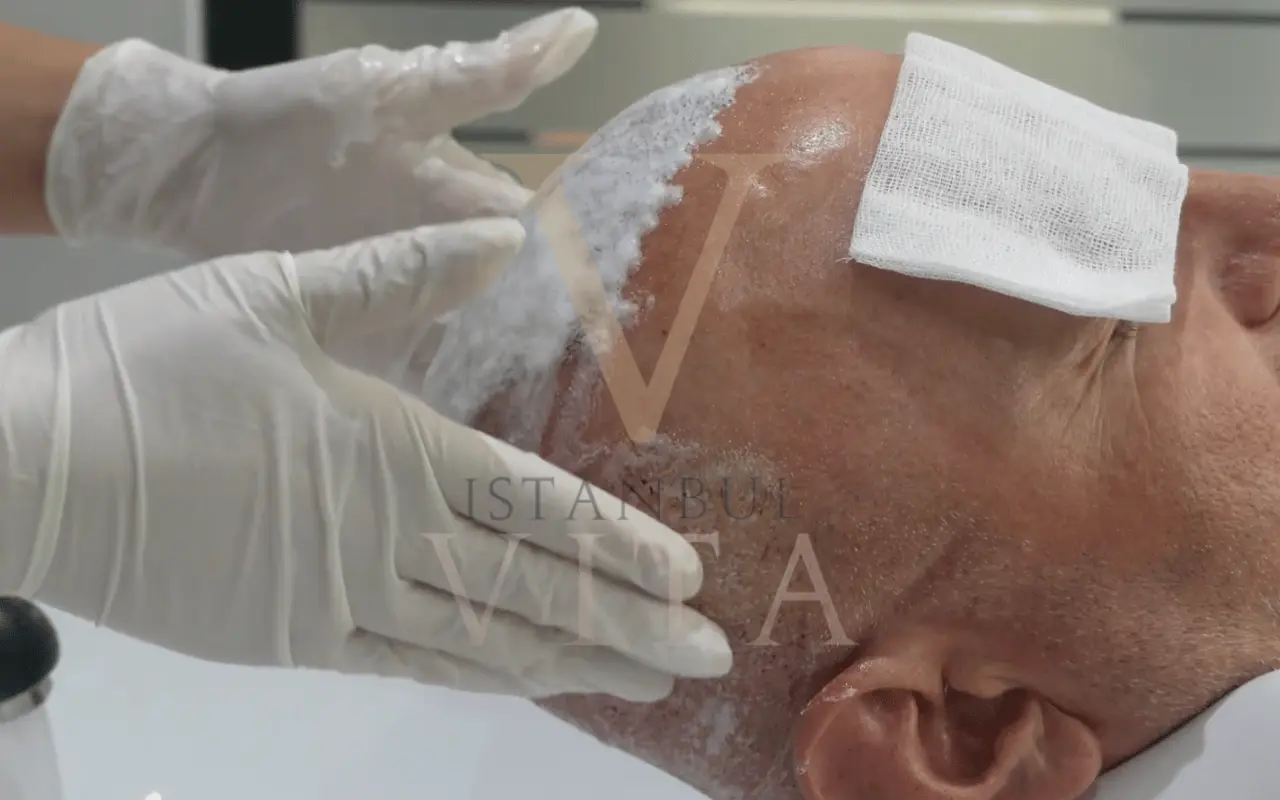
Shampoo is usually the main product patients ask about the most. Since the ordinary shampoo is too harsh for the first couple of weeks after your transplant. Most of the clinics introduce a specific foam or baby shampoo style product starting two to three days after surgery, and it is applied with fingertips rather than nails, and never with direct water pressure on the grafts.
Baby Shampoo and Foam Shampoo Basics
Baby shampoo after a hair transplant is a common recommendation because it's low-lather and free of harsh detergents. Foam shampoo after hair transplant surgery works similarly and it's designed to lift debris and dried blood from the scalp without scrubbing. Both should be applied gently in a dabbing motion for at least the first week, with regular shampoo reintroduced only once your clinic confirms the recipient area has stabilized.
Saline Spray After Hair Transplant: Why It's Used
Saline spray keeps the grafts hydrated during the critical first 48–72 hours, when scabbing can otherwise dry out the scalp and increase the risk of graft damage. It's typically applied every couple of hours on the first day or two, tapering off as the clinic's instructions specify. This is one of the simplest products in the kit, but skipping it is one of the more common mistakes patients make when they assume the grafts can just "air out."
Moisturizers and Scalp Care Products
Once the starting healing phase passes then a light, fragrance free scalp moisturizer can help with dryness and flaking, which is a normal part of recovery not a warning sign. Make sure to look for the products without alcohol or strong actives, and avoid anything marketed for oily or acne-prone skin, since those formulas are often too stripping for a healing scalp.
Products to Avoid After a Hair Transplant
Just as important as what to use is what to leave alone. Patients are generally advised to avoid:
-
Regular hair oils and serums for at least the first two to three weeks
-
Conditioner until the clinic confirms the recipient area can tolerate it
-
Dry shampoo, styling gels, or heat tools in the early recovery period
-
Any product not specifically cleared by your clinic, even if it's labeled as natural
Can you use conditioner after a hair transplant at all? Eventually, yes and most of the clinics clear it around the two-week mark, but applying it too early can leave residue that clogs healing follicles.
Aftercare Products at a Glance
| Product | Purpose | Typically Starts |
| Saline spray | Keeps grafts hydrated, reduces scabbing | Day 1 |
| Foam or baby shampoo | Gentle cleansing without friction | Day 2–3 |
| Scalp moisturizer | Manages dryness and flaking | Week 2 |
| Regular shampoo | Standard washing once scalp is stable | Week 2–3 |
| Conditioner | Optional, once cleared by clinic | Week 2+ |
| Hair oils / styling products | Cosmetic use only after full healing | Week 3+ |
Comfort and Travel Aftercare Essentials
Beyond the medical products themselves, a few comfort items make the first week noticeably easier, especially if you're recovering away from home. A neck pillow after a hair transplant helps keep pressure off the recipient area while sleeping, since lying flat on a regular pillow can rub against fresh grafts. A loose, button-up shirt avoids pulling anything over the head, and a soft, wide-brimmed hat like only once your clinic confirms it's safe and it will help with sun exposure during short walks outside. None of these are medical treatments, but they reduce the everyday friction and pressure that can slow healing or cause unnecessary discomfort.
Common Mistakes Patients Make With Aftercare Products
Most healing setbacks don't come from the surgery itself, they come from small aftercare missteps in the first two weeks. A few patterns show up repeatedly:
-
Switching to regular shampoo too early because the scalp "feels fine"
-
Applying saline spray inconsistently instead of on the schedule provided
-
Using nails instead of fingertips when washing, which can dislodge grafts
-
Introducing oils or serums out of impatience to see faster results
-
Assuming a product is safe simply because it's labeled "gentle" or "natural"
None of these mistakes are dramatic on their own, but they add up. The safest approach is to follow the clinic's product timeline exactly as given, rather than adjusting it based on how the scalp looks or feels day to day.
Have Questions? Let's Chat on WhatsApp!
Get instant answers 24/7. Receive your doctor-led hair analysis within 1 day, plus pricing and booking support.
Start WhatsApp ChatSigns Your Aftercare Routine Is Working
It will help to know what normal healing actually looks like, since it is not always a straight line. Mild redness, small scabs, and also some flaking in the first two weeks is common and also it is expected and this is not a sign that something has gone wrong. What clinics generally want to see is scabs shedding naturally rather than being picked at, gradually reduced redness, and no ongoing swelling or discharge past the first few days. If anything looks unusually inflamed, painful, or doesn't improve with time, that's the point to reach out to your clinic directly rather than trying a new product to fix it yourself.
Hair Transplant Aftercare Kit Turkey: What International Patients Receive
For the patients who are traveling from the US or UK, a hair transplant aftercare kit provided in Turkey usually needs to cover more of the ground than a local patient's kit, simply because there is less opportunity for in person follow-up once you have flown home. A well-organized clinic aftercare package typically includes enough product to last through the flight home and the first week afterward, along with written instructions patients can reference without needing to call the clinic for every question.
How Clinic Standards Affect Your Aftercare Experience
Aftercare quality tends to reflect the same standards that show up in the surgery itself. Clinics that involve a doctor in reviewing your healing progress rather than routing every question to a call center and tend to catch early issues sooner and adjust product recommendations to your specific case. This is part of why aftercare shouldn't be treated as an afterthought when comparing clinics; it's a direct extension of the medical care you're paying for.
Building a Recovery Routine You Can Trust
The right hair transplant aftercare products will not fix a poorly planned procedure, but the wrong ones can undermine a well-planned hair transplant. Clinics like Istanbul Vita that put the same attention into aftercare instructions as they do into the surgical plan to give patients a clearer, and more calm path through those first uncertain weeks which is often exactly what people need most while they wait to see their results take shape.
Frequently Asked Questions
What products should I use after a hair transplant?
A gentle sulfate-free shampoo, saline spray, and a scalp moisturizer are the core products most clinics provide or recommend.
What shampoo should I use after a hair transplant?
A foam that is provided by clinic or baby-shampoo-style products for the first week, transitioning to a mild regular shampoo once the scalp stabilizes.
Can I use conditioner after a hair transplant?
Usually yes, but not until around the two-week mark or once your clinic confirms the area can tolerate it.
Can I use hair oil after a hair transplant?
It's best to wait two to three weeks, since oils can clog healing follicles before they've fully settled.
What products should I avoid after a hair transplant?
Avoid styling gels, dry shampoo, heat tools, and any oil-based product until your clinic clears you for regular hair care/
 conversation


