
 English
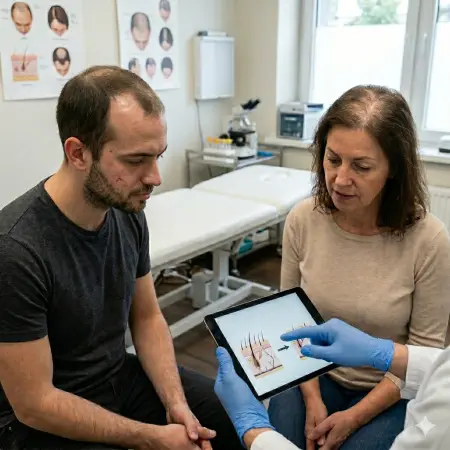
Table of Contents
Hair loss may be challenging for anyone, particularly when it starts slowly and goes unnoticed for some time. Androgenetic alopecia is one of the most frequent medical causes of hair loss among men and women. It is also referred to as male and female pattern hair loss, and it usually starts with mild thinning of the hair which becomes more visible with time. Early detection of the early signs of androgenetic alopecia and seeking suitable androgenetic alopecia treatment will help preserve hair density.
What Is Androgenetic Alopecia?
Androgenetic alopecia refers to one of the most common forms of gradual hair loss, which occurs in both genders. Other names for this type of hair loss include male and female pattern hair loss, which arises from genetic predispositions and hormonal influences. The hair follicles become smaller in this condition, thus contributing to hair thinning. If this condition goes unchecked, the person might experience permanent hair thinning in certain areas on their head, which is a common sign of androgenetic alopecia.
Understanding Male and Female Pattern Hair Loss
Although male and female pattern hair loss can be different when it comes to presentation, it is important to note that there is a very high correlation between these two hair loss conditions and androgenic alopecia. Male hair loss typically begins with the recession of the hairline, coupled with hair thinning around the crown area, with the progression being gradual over the years. The hairline continues to push backward while the crown becomes less and less covered. In the case of females, androgenic alopecia will be presented with general thinning, and not recession of the hairline. The hair loss is mostly seen at the top of the scalp, and the hairline remains normal.
How Common Is Androgenetic Alopecia?
One of the most prevalent reasons for hair loss is androgenetic alopecia, which can affect both men and women at various times throughout their lives. It is said that a majority of men experience male pattern hair loss by the time they reach the age of 50, while many women develop female pattern hair loss, particularly after menopause. While the condition tends to be more common in older adults, the early signs of androgenetic alopecia can sometimes appear in younger patients as well.
Is Androgenetic Alopecia Permanent?
Androgenetic alopecia is considered a chronic and progressive disease, which means that this condition will never get better on its own. With the progress of androgenetic alopecia, hair follicles become smaller and start producing thinning and weak hair. At some point, some hair follicles may even cease producing hair at all. Androgenetic alopecia, if ignored, leads to permanent hair loss; however, in case of early detection of the early signs of androgenetic alopecia and appropriate androgenetic alopecia treatment, it is quite possible to prevent hair thinning.
What Causes Androgenetic Alopecia?
The cause of androgenic alopecia can be found in a combination of genes and hormones. One of the primary reasons why people suffer from androgenic alopecia is their increased sensitivity to dihydrotestosterone (DHT), which is known to have an effect on hair follicles, causing hair loss because they start shrinking gradually. Family history is another important factor that plays a role, since those people whose family members also suffer from hair loss are at greater risk of developing androgenic alopecia.
Genetics and Family History
A lot is known about the genetic basis of androgenetic alopecia. Those individuals who have a familial case of hair loss become prone to developing hair loss in the future as well. If any of the near ones such as the parents or the grandparents suffer from male or female pattern baldness, then the chances of having androgenetic alopecia increase drastically. The increased sensitivity to DHT and response to hormonal changes can be genetically transmitted from one generation to another.
The Role of DHT (Dihydrotestosterone)
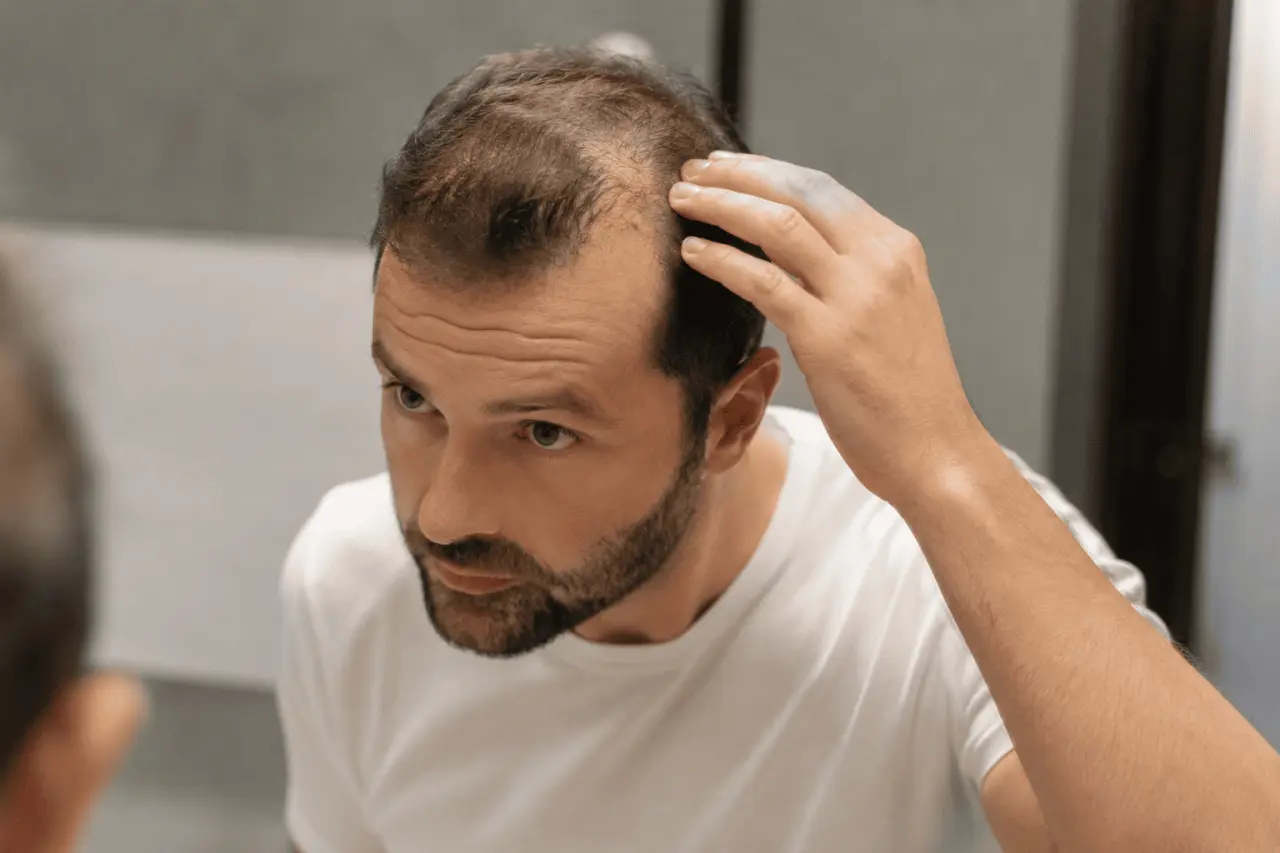
One of the primary hormones that plays an important role in androgenetic alopecia is DHT, which stands for dihydrotestosterone. DHT is a product of testosterone and is known to have a direct effect on the hair follicles, particularly in people who are genetically sensitive to this hormone. Over time, this causes the follicles to shrink, making the hair become thinner, weaker, and shorter with every growth cycle.
Hormonal Changes in Women
Changes in the hormones of women could also be another possible factor that contributes to the development of androgenetic alopecia. Pregnancy, menopause, birth, and PCOS could trigger changes in hormones and lead to hair loss. Estrogen and androgens have an effect on hair sensitivity, resulting in increased female pattern hair loss in women. The symptoms caused by such factors could make early detection of the early signs of androgenetic alopecia possible, and appropriate androgenetic alopecia treatment is recommended immediately.
Age-Related Hair Follicle Changes
The normal process of hair growth cycles that occurs due to aging may lead to androgenetic alopecia. One of the reasons is that hair follicles tend to degenerate with time; thus, they become smaller and functionally weaker, and this results in decreased hair growth rate and hair thinning. Regenerative functions of the follicles will also be compromised with time, making the possibility of having thick hair very slim.
Early Symptoms of Androgenetic Alopecia
Early indications of androgenetic alopecia will start from hair thinning. This may be hard to notice initially, but most individuals will notice hair falling out excessively, decreased density of hair on their scalp, and also alterations in their hairline or crown areas. Men who experience this condition are likely to have a receding hairline and thinning in the crown and temple areas. Women, on the other hand, will notice thinning of hair, especially on the top of the scalp. It is therefore important for an individual to identify the early signs of androgenetic alopecia to facilitate timely androgenetic alopecia treatment.
Early Signs of Androgenetic Alopecia in Men
The typical initial symptoms of androgenetic alopecia in men involve receding hairlines and progressive thinning on the sides of the temples. In the subsequent stages of this disease, thinning of hair can be observed in the region of the scalp called the crown area. Other common symptoms include increased hair loss and decreased regrowth of hair. Although these symptoms might not appear serious initially, it is crucial to detect them early to initiate proper androgenetic alopecia treatment.
Early Androgenetic Alopecia Female Symptoms
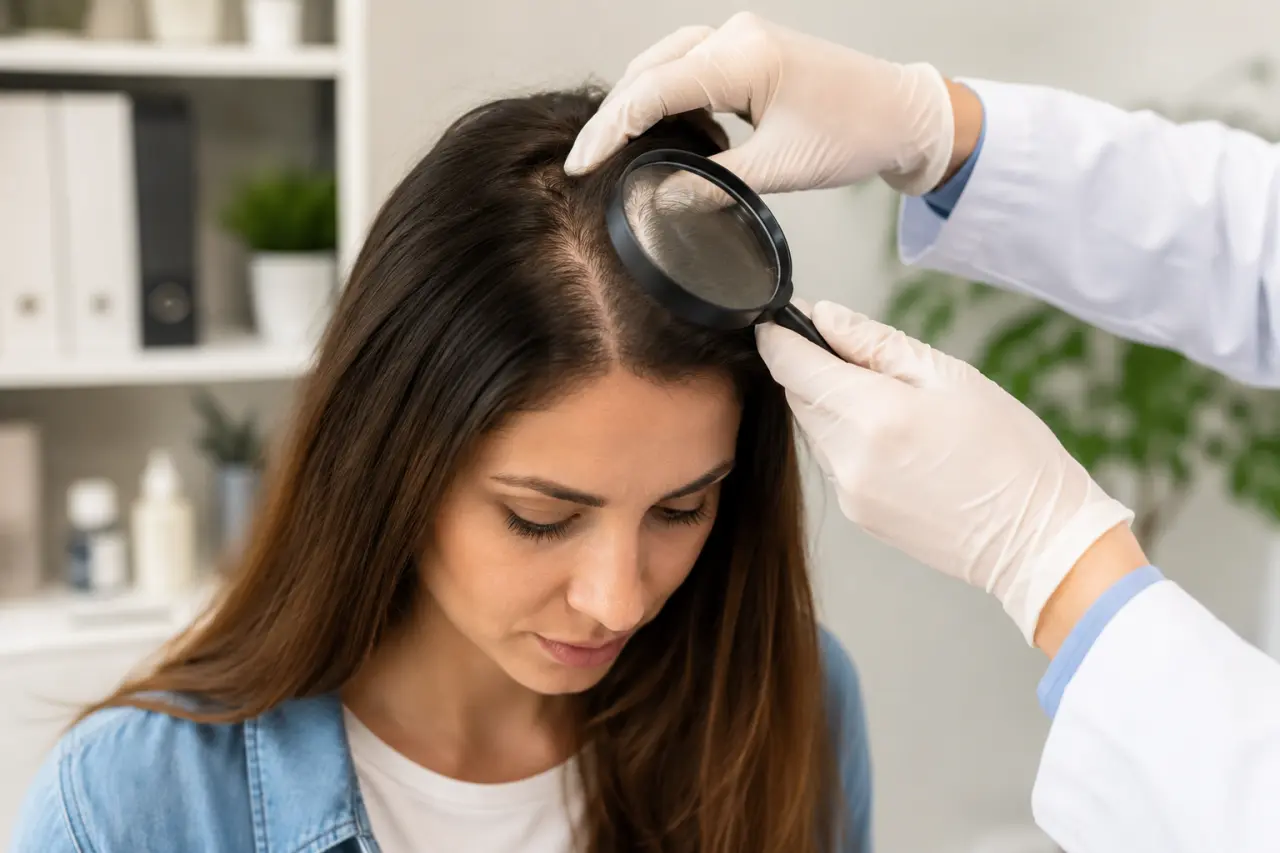
The earliest signs of androgenetic alopecia in women are typically associated with general hair thinning and not a receding hairline. The first sign that women can identify is reduced hair density on the top of their scalp, particularly the area where the parting is. Other common early signs include excessive hair fall and loss of hair volume. However, the hairline at the front of the head does not generally show any changes. Recognizing these symptoms early can help start the right androgenetic alopecia treatment in time.
Telogen Effluvium vs Androgenetic Alopecia
There are a number of types of hair loss conditions, but telogen effluvium and androgenetic alopecia are among the most common. However, there are significant differences in the ways these conditions present themselves, and their treatment approaches also differ. The first type of hair loss condition involves a rapid loss of hair density, which occurs after some sort of stress, sickness, hormonal imbalance, or lack of nutrients. By contrast, androgenetic alopecia will have a much more gradual onset and is largely dependent on genetics and the effects of DHT.
Moreover, unlike androgenetic alopecia, telogen effluvium results in diffuse hair shedding, with hair falling all over the scalp. However, androgenetic alopecia has a distinct pattern. For instance, among men, this condition is characterized by a receding hairline and thinning of the hair at the crown. Women, on the other hand, are more likely to experience reduced hair density on the top part of the head. One significant feature of telogen effluvium is its temporary nature. Once the triggering factor is addressed, the patient experiences improvements.
Which Type of Hair Loss Do You Have?
Knowing whether you suffer from telogen effluvium or androgenetic alopecia is essential to selecting the right course of treatment. In case you experience sudden hair loss due to some stress factor, an ailment, childbirth, or dramatic life changes, telogen effluvium might be the reason for your hair loss. However, if the hair thinning gradually occurs and there is a distinct pattern that emerges, androgenetic alopecia could be the source. Due to the fact that both types of hair loss may be quite similar in appearance, consulting a specialist will help identify their actual nature and select proper therapy.
How to Recognize Progressive Hair Thinning
The occurrence of progressive hair thinning can happen slowly as opposed to sudden hair loss. You will start noticing that your hair appears thinner, there is an increase in the width of your parting line, or your scalp becomes more visible under bright light. Hair thinning in men starts from either the frontal or crown region of the scalp, while women normally experience it at the top portion of the scalp. Other symptoms of thinning hair include increased hair shedding, hair breakage, and slower hair regrowth.
Best Androgenetic Alopecia Treatment Options
Various types of treatments can be be applied for androgenetic alopecia, considering both the stage of hair loss and the general health of the scalp. Although certain patients show good results using nonsurgical procedures at the initial stages, others require additional procedures that provide more permanent solutions. Such techniques as PRP, mesotherapy, and different medical treatments help reduce hair loss and promote healthy hair growth. At the advanced stages, hair transplant can be the best androgenetic alopecia treatment option. Awareness of the treatment opportunities and the necessity for hair transplant make the treatment program more successful.
PRP Therapy
PRP therapy is a non-surgical treatment that uses the patient’s own blood to support hair growth. The platelet-rich plasma is injected into the scalp to strengthen weak hair follicles, improve blood circulation, and reduce hair shedding. It is commonly preferred in the early stages of androgenetic alopecia.
Mesotherapy
Mesotherapy involves injecting vitamins, minerals, and nourishing ingredients directly into the scalp. This treatment helps improve scalp health, support stronger hair growth, and increase hair density. It is often used together with other androgenetic alopecia treatment methods for better results.
Medical Treatments
Medical treatments for androgenetic alopecia usually include solutions that help slow down hair loss and protect existing follicles. Depending on the patient’s condition, treatments may focus on controlling DHT levels, supporting regrowth, and preventing further thinning. Early medical treatment can be very effective in preserving hair density.
Hair Transplant for Advanced Cases
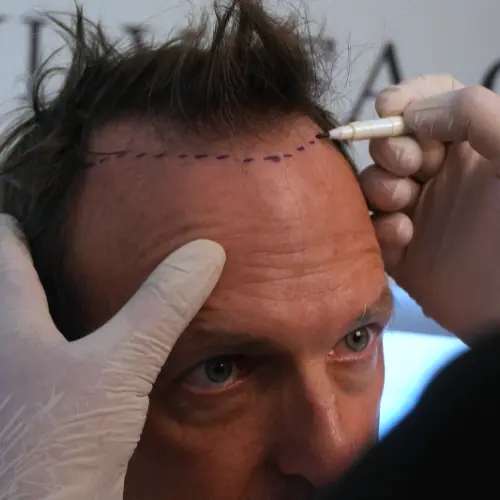
When hair loss becomes permanent and bald areas become clearly visible, hair transplant may be the most effective long-term solution. Healthy hair follicles are taken from the donor area and transplanted into thinning or bald areas. This option is usually recommended for advanced androgenetic alopecia cases.
Have Questions? Let's Chat on WhatsApp!
Get instant answers 24/7. Receive your doctor-led hair analysis within 1 day, plus pricing and booking support.
Start WhatsApp ChatWhen Is Hair Transplant the Best Solution?
Hair transplant becomes the best option when hair follicles no longer respond to non-surgical treatments and permanent thinning has already developed. If PRP, mesotherapy, and medical treatments are no longer enough, hair transplant offers a more lasting and natural-looking result. A professional scalp analysis helps determine the right timing for this procedure.
Androgenetic Alopecia in Women: Can Hair Transplant Help?
Hair transplant may prove to be an efficient remedy for women suffering from androgenetic alopecia. However, this type of treatment will be successful depending on the type and stage of alopecia. While men tend to have bald areas where hair is entirely missing, females typically suffer from diffuse thinning and, therefore, are not always eligible for hair transplant. Should the donor area be adequate and the hair loss reach its plateau stage, hair transplant may become a valid means of improving hair density.
Can Androgenetic Alopecia Be Reversed?
Androgenetic alopecia cannot always be reversed, particularly if there has been complete cessation of hair production by hair follicles. But if the diagnosis is made at an early stage, then the progress of hair loss can be effectively stopped or slowed down, hair density can be improved, and hair follicles protected through effective androgenetic alopecia treatment. Various medical treatments, including PRP treatment and mesotherapy, along with appropriate lifestyle modifications, can contribute to managing the problem effectively. In case of advanced hair loss, hair transplantation might be the only solution.
Personalized Hair Loss Treatment at Istanbul Vita
At Istanbul Vita, the hair loss condition is individually assessed in order to provide an appropriate treatment plan for the best outcomes. Due to the different nature of androgenetic alopecia development, all factors that can affect treatment results, including the degree of alopecia, the health of the scalp, donor area condition, and others, are considered before providing the appropriate type of treatment. Depending on which androgenetic alopecia treatment the patient needs, the main goal remains the same – to restore hair density.
Frequently Asked Questions
Can androgenetic alopecia start at a young age?
Yes, androgenetic alopecia can begin in the early 20s or even earlier in some cases, especially if there is a strong family history of hair loss. Early diagnosis is important to slow down progression and protect hair density.
Is hair washing every day related to androgenetic alopecia?
No, frequent hair washing does not cause androgenetic alopecia. This condition is mainly linked to genetics, hormones, and sensitivity to DHT rather than daily washing habits.
Can stress directly cause androgenetic alopecia?
Stress does not directly cause androgenetic alopecia, but it can make existing hair loss more noticeable and may trigger telogen effluvium, which can happen at the same time.
How long does androgenetic alopecia treatment take?
Treatment duration depends on the stage of hair loss and the chosen method. Medical treatments, PRP, and mesotherapy usually require several sessions and regular follow-up for visible results.
Can women with androgenetic alopecia use PRP therapy?
Yes, PRP therapy is commonly used for women with female pattern hair loss and can help improve hair density, especially in the early stages of thinning.
Does hair transplant stop future hair loss?
Hair transplant restores lost hair in specific areas, but it does not stop the natural progression of androgenetic alopecia. Supporting treatments may still be needed to protect existing hair.
 conversation


