
 English
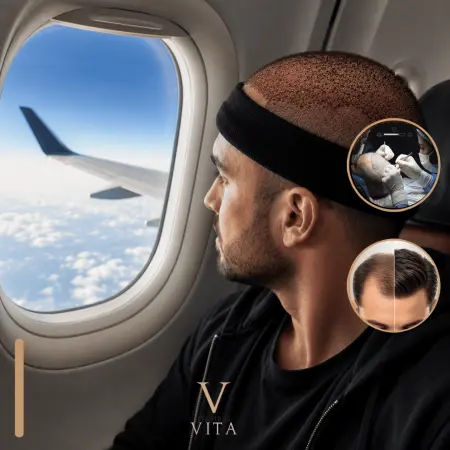
Table of Contents
You have just had your hair transplant procedure , and you are already thinking about the flight home and you are also wondering if flying home is actually safe or not. You also think if it puts your result at risk. This is a reasonable concern especially if you travel abroad for the procedure and then have a long haul flight ahead of you. But the good news is that for most of the patients, the air is not that dangerous people assume it is. The details of timing, cabin conditions and how you are protected along the way matters far more than the flight itself.
Can You Fly After a Hair Transplant?
Yes in most of the cases, the patient can fly within a few days of surgery and also so many clinics are built directly to the patient's travel itinerary. For international medical tourism the concern is not an act of flying itself but it is the combination of dry air, and pressure change. Also the temptation to clean your head against the seat of the window on a long flight. None of these pose a positive threat to graft survival on their own but slow healing or can cause unnecessary irritation if you are not prepared.

How Soon Can You Fly After Hair Transplant Surgery?
Most of the surgeons clear the patients for short flights within 2–3 days, largely because swelling that generally peaks around day 2 and starts improving from there. For long haul flights, many clinics recommend waiting until day 4 or 5, giving the scalp a bit more time to stabilize before hours of sitting upright in a pressurized cabin. Every case is different though and your surgeon's personal recommendation should always override the generic timelines, since factors like graft density, technique, and individual healing speed all play a role.
| Flight Type | Typical Minimum Wait | Key Considerations |
| Short domestic flight (under 3 hours) | 2–3 days | Avoid headrest contact; wear a loose hat if approved by your surgeon |
| Medium flight (3–6 hours) | 3–4 days | Stay hydrated; get up periodically to reduce swelling |
| Long haul flight (6+ hours) | 4–5 days | Book an aisle seat, use a travel pillow that doesn't touch the grafts, avoid alcohol |
| International connecting flights | 5+ days | Factor in layovers, walking through airports, and total time upright |
Does Flying Affect Hair Transplant Results?
Flying itself does not damage grafts or reduce graft survival when patients follow basic precautions that are given by the surgeons . The real risks come from secondary factors and these are accidentally bumping the recipient area on a headrest, dehydration from dry cabin air slowing healing, or sitting still for hours without moving, which can worsen swelling. None of these directly harm the follicular units once they're a few days old, but they can make recovery feel more uncomfortable and delay the natural healing timeline slightly.
Flying After FUE Hair Transplant vs DHI Hair Transplant
Both FUE and DHI hair transplant techniques involve small, individual graft placements rather than a single linear incision, which means there's no stitched wound to worry about tearing during travel. FUE hair transplant patients typically follow the same general timelines as DHI patients when it comes to flying, since the recipient area healing process is similar for both. The main difference tends to be donor area sensitivity such as DHI's specialized implanter tools sometimes leave a slightly different donor site healing pattern, but this rarely changes flight timing recommendations in any meaningful way.
Pre-Flight Precautions and Hair Transplant Aftercare Tips
A little preparation goes a long way toward making air travel after hair transplant surgery comfortable and safe:
-
Wear the right headwear: make sure to wear a loose hat that is approved by the surgeon and this will protect the scalp from accidental bumps, but only if your surgeon confirms that it is safe at your recovery stage.
-
Choose your seat wisely: also choose wisely when you are selecting your seats. The aisle seats reduce the temptation to lean against a window or fellow passenger.
-
Stay hydrated: the cabin air is dry, and dehydration can slow your healing and increase itching.
-
Avoid alcohol and excess caffeine: avoid smoking during the suregery because both can increase swelling and dehydration during the flight.
-
Move periodically: Standing and light walking during longer flights helps circulation and reduces facial and scalp swelling.
-
Skip the neck pillow contact: Use travel pillows that support the neck without pressing against the recipient or donor area.
Post Hair Transplant Precautions for International Patients
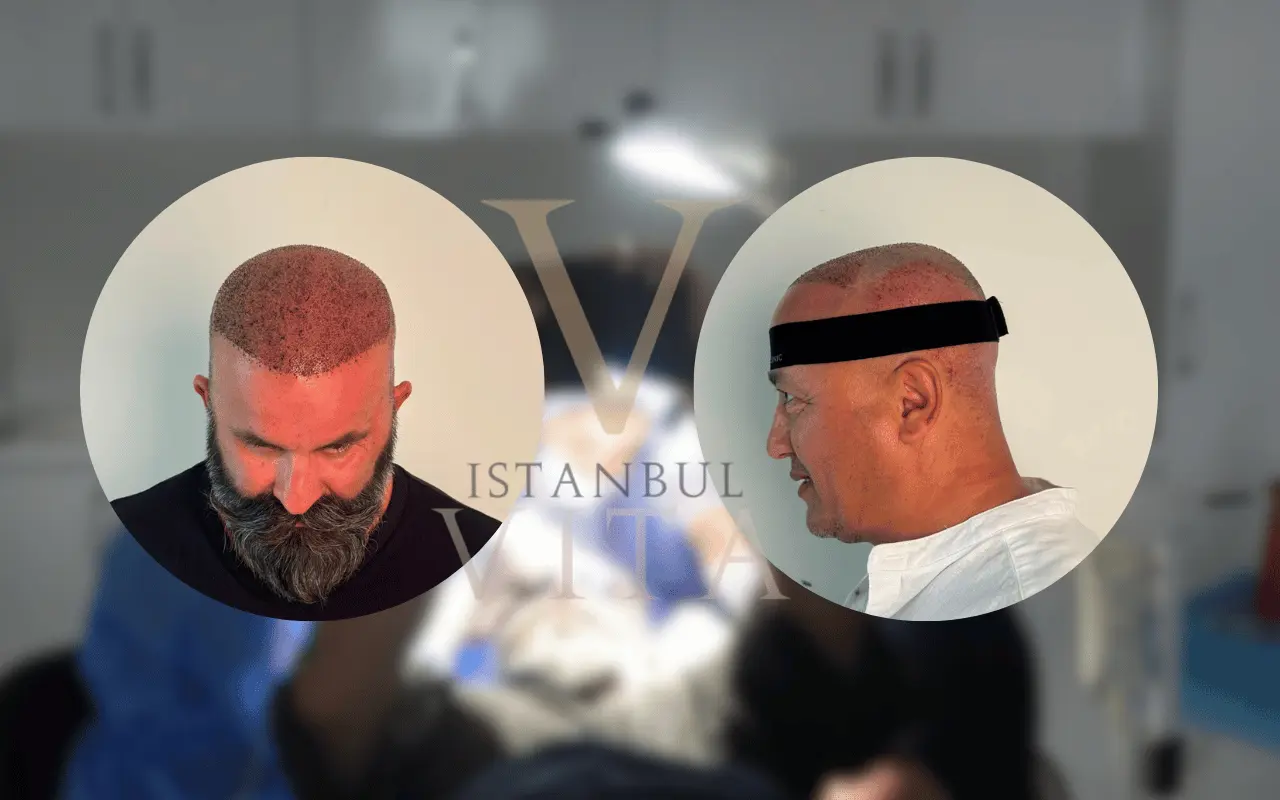
For patients traveling internationally for their procedure and a common path for those choosing reputable clinics in Turkey like flight timing is usually planned as part of the overall treatment schedule from the start. Clinics who are experienced in medical tourism, including established names like Istanbul Vita, generally build in a buffer of several days between surgery and departure specifically to reduce travel related risk and give patients a same city follow up check before flying home. This kind of structured patient journey is one of the clearest signs of a clinic that treats aftercare as seriously as the surgery itself.
What to Ask Your Clinic Before Booking Flights
Before finalizing travel plans, it's worth confirming a few details directly with your surgical team. For that you have to ask the earliest safe departure date that is based on your specific procedure, whether a follow-up appointment is recommended before flying, and what in-flight precautions they suggest for your particular graft count and technique.
Have Questions? Let's Chat on WhatsApp!
Get instant answers 24/7. Receive your doctor-led hair analysis within 1 day, plus pricing and booking support.
Start WhatsApp ChatLong Haul Flight After Hair Transplant Surgery: Extra Considerations
Long international flights bring a few extra variables that are worth planning around. Sitting upright for 8, 10 or 12 hours increases the odds of mild swelling in the forehead and also around the eyes. Which is normal but sometimes this is an alarming side effect of new patients who are unfamiliar with the heating process. Bringing a neck pillow that does not touch the scalp, also requesting extra water throughout the flight and avoiding the compression from tight hats can all reduce the discomfort considerably. Patients who are booking long flights after the transplant should also build in an extra day or two of buffered before returning to work, since the jet lag combined with the post healing can be more tiring than either factor alone.
When Should You Delay Your Flight?
Even with generally the lower risk, there are situations where postponing travel is the safer choice. Delay flying if you are experiencing worsening swelling therefore, any signs of infection such as pus or spreading redness, unusual pain or if your surgeon specifically advises the additional recovery time that is based on your procedure. The travel insurance and flexible ticket options are worth considering precisely for this reason. Healing does not always follow a perfect schedule and it is better to lose a travel day then to complicate your recovery.
The Bottom Line
Flying after a hair transplant is safe for nearly every patient, provided the timing matches the flight length and a few simple precautions are followed along the way. The real factors that matter are hydration, avoiding pressure on the treated areas, and giving the scalp enough time to stabilize before hours in a pressurized cabin not some arbitrary fear of air travel itself. If travel is part of your treatment plan, ask your clinic directly about their recommended timeline for your specific case, and build in a buffer rather than cutting it close.
Frequently Asked Questions
When can I fly after a hair transplant?
Most patients can fly within 2–5 days depending on flight length, with shorter flights generally cleared sooner than long-haul international travel.
How many days after hair transplant can I fly?
A common guideline is 2–3 days for short flights and 4–5 days for long-haul flights, though your surgeon's specific recommendation should always take priority.
Is it safe to fly after hair transplant surgery?
Yes, for the vast majority of patients, flying is safe as long as basic precautions like hydration, seat choice, and avoiding contact with the treated areas are followed.
Can I travel the day after hair transplant?
It's generally not recommended, since swelling is often still increasing on day 1–2 and the scalp needs a short window to stabilize before hours of sitting upright.
Is flying 3 days after hair transplant safe?
For many patients with shorter flights, yes — but long-haul travel at day 3 is usually considered earlier than ideal by most surgeons.
Is flying 1 week after hair transplant safe?
By one week, most patients are well past the highest-risk window and flying poses very little additional concern for graft survival or healing.
 conversation


