
 English
Table of Contents
DHI hair transplant success rate is one of the first numbers that patients search for before booking and also one of the easiest numbers to misunderstand. A single percentage gets repeated across clinic websites and forums, but it rarely explains what's actually driving that outcome: graft survival, donor area quality, the precision behind every hair follicle implantation, and how realistically a patient's expectations were set in the first place. If you are comparing DHI hair transplant reviews and success stories trying to figure out what you can realistically expect, you are not alone like most patients researching this procedure are trying to separate marketing percentages from results they can actually trust.
What actually drives those numbers in a real session — hairline planning, how grafts are handled out of the body, how many operations a doctor takes in a day — is set out on our DHI hair transplant in Istanbul page.
What Is DHI Hair Transplant and Why Success Rate Varies
What is DHI hair transplant, in practical terms? It's a hair restoration method where individual follicles are extracted and implanted directly into the recipient area using a specialized tool — the Choi implanter pen — without first creating incision channels the way traditional FUE does. That single difference changes how grafts are handled, how long they sit outside the body, and ultimately why success rate figures can look different from one clinic's reporting to another's.
How DHI Differs From FUE
In standard FUE, channels are opened in the recipient area before grafts are placed into them. DHI skips that step: the follicle is loaded directly into the implanter pen and placed into the scalp in one motion. This shortens the time a graft spends outside the body, which is the main reason DHI is often associated with stronger follicle survival rate figures — though the actual difference depends heavily on who's holding the pen, not the tool itself.
DHI Hair Transplant Success Rate: The Numbers Behind the Procedure
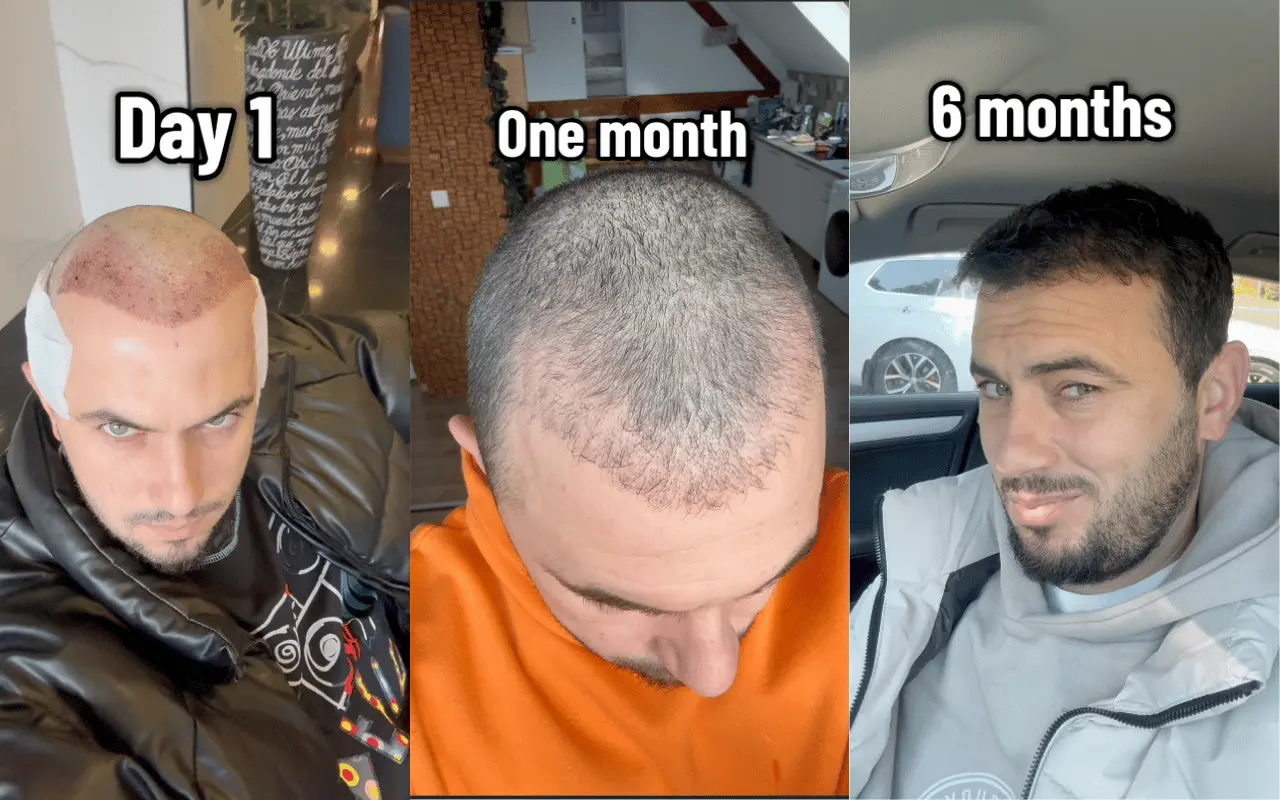
Most of the published figures place DHI hair transplant graft survival rate somewhere between 90% and 95% under the well controlled conditions, although that range should be read as a ceiling reflecting best technique rather than the guarantee that applies equally to every clinic or every patient. Hair graft retention totally depends on the extraction speed, how grafts are stored before implantation, and how precisely the Choi pen places each follicle at the correct angle and depth.
Graft Survival Rate and Follicle Survival
The graft survival and the follicle survival rate are often used at same intent, but they describe slightly different things. The grafts survival measures how many extracted follicular units make it through the entire process, while the follicle survival rate more specifically tracks how many of the individual hair within the grafts can go on to produce the visible growth. A high graft survival number paired with poor follicle survival inside each graft can still produce disappointing density.
DHI vs FUE Success Rate Compared
DHI vs FUE success rate comparisons tend to favor DHI slightly in clinical reports, mainly because of reduced graft handling time and tighter control over implantation angle. In practice, though, an experienced FUE team can match or come close to DHI numbers, and an inexperienced DHI team can underperform a skilled FUE team. The technique matters less than most marketing suggests that the hands performing it matter more.
The DHI hair transplant density results sometimes reported as higher as compare to FUE, specifically in the tightly packed zones like the hairline. Since the implanter pen allow the grafts to be placed closer together without first creating the wider incision channels. That advantage shows up most clearly in small, dense areas rather than across an entire scalp. That is why the density comparisons should always be specific to the area that are being treated rather than applied as a blanket rule.
Factors That Influence DHI Hair Transplant Graft Survival Rate
Donor Area Quality
Donor area quality sets the ceiling before the procedure even begins. Dense, healthy donor hair with strong follicle structure survives extraction and implantation better than a donor area that's already thinning or has been over-harvested in a previous procedure. This is one of the reasons success rate figures can't be applied evenly across all patients — two people can have the same surgeon and the same technique and still see different results because their starting donor quality wasn't the same.
Choi Implanter Pen Precision
The Choi implanter pen is only as accurate as the technician or doctor using it. The correct angle, depth, and also the spacing during the hair follicle implantation directly affect both immediate graft survival and how the natural the final hairline design looks once transplanted follicles grow in and mature over the following months.
Doctor Experience and Recipient Area Handling
How the recipient area is prepared and handled throughout the session also affects outcomes. Excessive bleeding, prolonged graft exposure, or inconsistent spacing between transplanted follicles can lower survival even when the extraction itself was handled well. This is why doctor-performed procedures, rather than ones fully delegated to assistants, tend to report more consistent results.
Aftercare and Post-Operative Habits
Smoking, alcohol use, and skipping prescribed medication in the weeks following surgery measurably reduce graft survival rate outcomes, since healthy circulation in the recipient area is part of how implanted hair growth establishes itself. Patients who follow the clinic's washing protocol, avoid pressure on the scalp, and attend follow-up checks tend to see more consistent density results than those who treat aftercare as optional.
DHI Hair Transplant Recovery Timeline and Growth Timeline
What Happens in the First Weeks (Shock Loss)
Shock loss, the temporary shedding of transplanted and sometimes existing hair in the weeks following surgery, it is a normal, expected part of the DHI hair transplant recovery timeline, not a sign of failure. It typically occurs between the second and fourth week and can understandably alarm patients who weren't told to expect it during their consultation.
DHI Hair Transplant Results After 12 Months
A rough month-by-month picture looks like this: most transplanted follicles enter a resting phase within the first month, visible new growth begins around month three to four, hair texture and thickness continue improving through months six to nine, and by month twelve, density results are close to their final state. Patients comparing their own DHI hair transplant growth timeline to someone else's results should always match the month being compared, not just the photo itself.
DHI hair transplant results after 12 months are usually considered close to final, when density, hairline design, and overall coverage can be fairly and accurately evaluated rather than judged too early.
Have Questions? Let's Chat on WhatsApp!
Get instant answers 24/7. Receive your doctor-led hair analysis within 1 day, plus pricing and booking support.
Start WhatsApp ChatDHI Hair Transplant Before and After: What Realistic Results Look Like
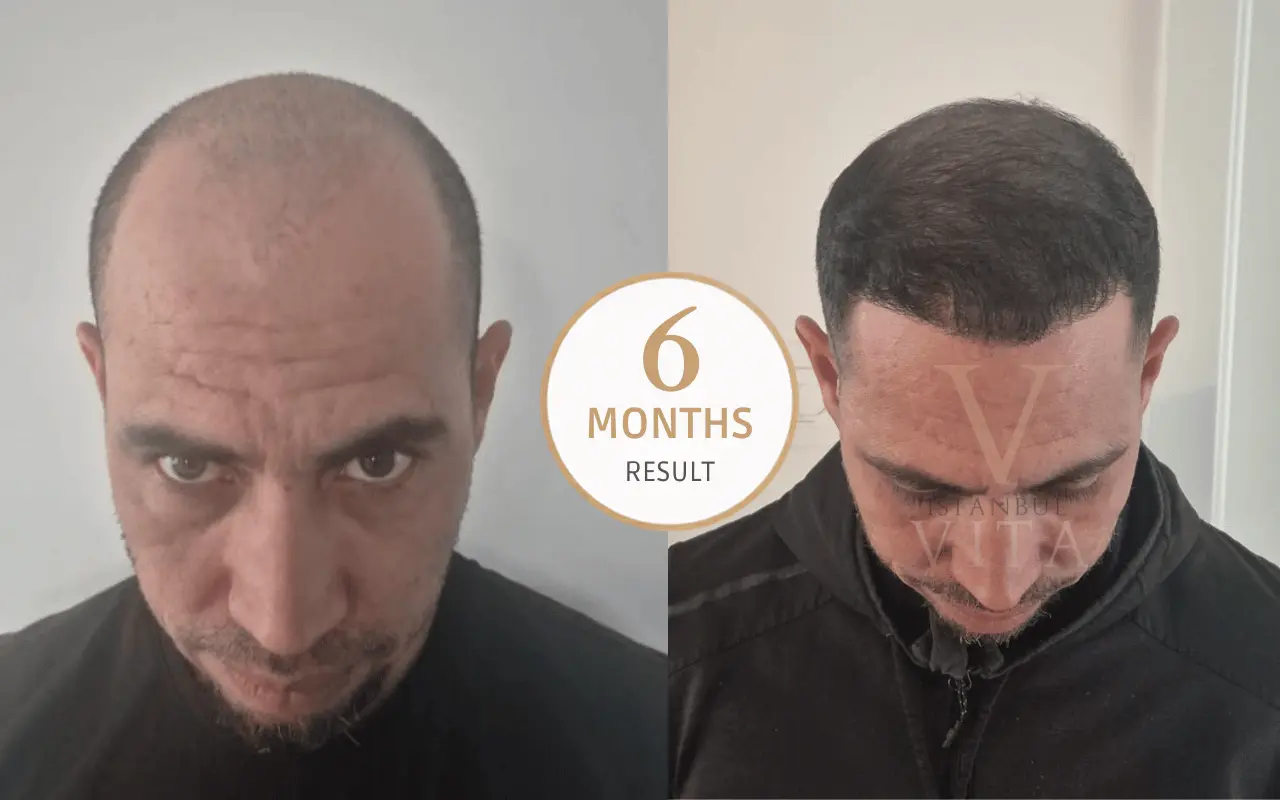
DHI hair transplant before and after comparisons are useful, but only when the photos are taken under consistent lighting, angle, and hair length, and ideally span the full 12-month timeline rather than a flattering 3-month snapshot. Comparing early results from one patient to month-12 results from another is one of the most common ways patients end up with mismatched expectations going into their own procedure.
Reading DHI Hair Transplant Success Stories and Reviews the Right Way
DHI hair transplant success stories and reviews are genuinely useful research tools, but they are more reliable when they include timestamps, multiple angles, and also some mention of the donor area condition before surgery. A handful of polished before-and-after photos says less than a steady stream of reviews showing consistent results across different hair types and degrees of hair loss.
Are DHI Hair Transplant Results Permanent?
DHI hair transplant permanent results are possible because transplanted follicles are typically taken from the back and sides of the scalp, an area genetically resistant to the hormone responsible for pattern hair loss. Once those follicles establish themselves in the recipient area, they generally keep that resistance for life. Permanence applies to the transplanted hair itself — it doesn't prevent further thinning of hair that wasn't transplanted, which is why some patients combine the procedure with supporting treatments to protect their existing hair over time.
How Istanbul Vita Approaches DHI Hair Transplant Success Rate
Istanbul Vita's medical team, Dr. Harun Eymen Alakaya, Dr. Mustafa Ayhan Balcı, Dr. Tuğçe Yılmaz Arslan, and Dr. Özge Miray Gültekin, they performs DHI hair transplant procedures as one of several techniques offered, alongside Sapphire FUE, Long Hair FUE, and Combined FUE & DHI, selecting the right approach based on donor area quality, hair loss pattern, and the patient's goals rather than defaulting to one method for every case.
Getting a Realistic Picture Before You Book
DHI hair transplant success rate numbers are a useful starting point, but they only tell part of the story. Donor area quality, the precision behind every hair follicle implantation, and how the recipient area is handled throughout the session matter just as much as the technique's name on a brochure. If you're comparing DHI hair transplant reviews and weighing DHI vs FUE success rate claims from different clinics, the most reliable indicator isn't the percentage on a homepage it's how consistently a clinic's doctors stay involved in every stage of the process, from donor extraction to the final implant.
Frequently Asked Questions
Is DHI more expensive than FUE?
Pricing generally depends on the technique selected, the number of treatment days, and also the level of medical staff involvement rather than the method name alone, so the price gap between DHI and FUE varies by clinic.
How many grafts survive in a typical DHI procedure?
Most reputable clinics report graft survival in the 90–95% range under good conditions, though individual results still depend on donor area quality and the precision of the technique used.
Does DHI work well for advanced hair loss?
It can, but advanced hair loss usually requires more grafts and careful donor area planning across multiple sessions, so success depends heavily on an honest evaluation of available donor hair before committing to a single-session promise.
When will I see my final results?
Most of the patients see results that are close to final around the 12 month mark, once density, hairline design, and also the overall coverage have fully settled into their permanent state.
 conversation


