
 English

Table of Contents
Finding the best age for transplant is not about hitting a number on a calendar. It is all about timing surgery to your hair loss pet. Not the other way around. There are so many people who start researching their hair transplant age requirements, the receding hairline or thinning crown and the question that follows almost every consultation is and that is it too early or already too late?
Dancer depends on air loss progression, donor area strengthens how your family history has played out. You can be experiencing this uncertainty yourself and you are not alone in it. This guy will breakdown exactly when to get a hair transplant dedicate so that you can make a decision that is backed by medical reasoning rather than guesswork
What Is the Best Age for a Hair Transplant?
Most of the surgeons agree that the ideal window falls between the late 20s and mid. Once the hair loss has shown a predictable petrol. At this stage, a doctor can map the genetic alopecia is likely to proper and designer airline that will still look natural 20 years down the road. Operating too early, for the loss of pattern stabilization, risks hairline that no longer match the surrounding hair as thinning continues. That is the important reason that age matters so much in a transparent consultation planning.
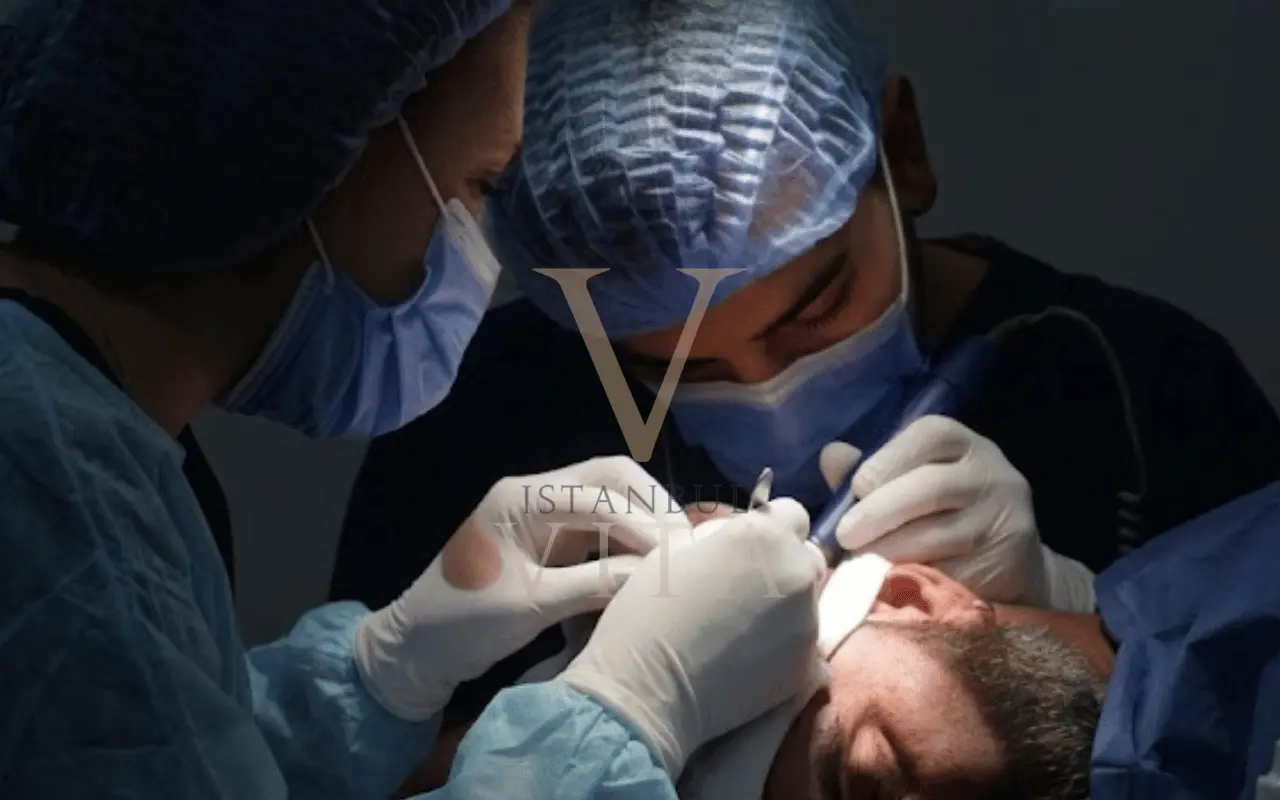
Is 25 Too Young for a Hair Transplant?
Not so important but it depends directly on the individual. Some in their early 20s I've already reached a stable Norwood three or four pattern and they are the excellent candidate in the stages of male pattern baldness and their hair loss will keep progressing for the years. That is why the reputable clinic rarely says yes automatically to the hair transplant before 25 request without a thorough evaluation of donut density, family history and rate of shedding.
Why Surgeons Are Cautious About Patients Under 25
The donor area at the back and sides of the scalp is a finite resource. If a surgeon transplants a large number of grafts into a hairline at 21 or 22, and the patient continues losing hair naturally over the next decade, the transplanted hair can end up isolated on an otherwise thinning scalp. That's an unnatural, "island" look that's difficult to correct later. This is the single biggest reason the minimum age for hair transplant conversation exists in the first place, and why donor preservation is treated as seriously as the surgery itself.
Hair Transplant by Decade: What to Expect
Hair Transplant in Your 20s
The transplant at age 25 can work well if the hair loss has clearly stabilized and the surgeon can confirm the sufficient donor density for both your current needs and also the future thinning. The younger patients are also advised to consider the medical treatment like finasteride or minoxidil long surgery, since the preservation existing here extends the life of the results.
Hair Transplant in Your 30s
This is often considered the sweet spot. A hair transplant at 30 typically follows several years of observed, predictable hair loss, giving surgeons a much clearer picture for hairline design and graft planning. Most patients in this age group also have stronger donor density than they will a decade later, which supports fuller, longer-lasting results.
Hair Transplant in Your 40s
By 40, hair loss patterns are usually fully established, which actually makes surgical planning more straightforward. A hair transplant at 40 allows the surgeon to work with a known outcome rather than predicting one. The main consideration becomes donor supply relative to the area that needs coverage, since decades of gradual thinning may have reduced density in some patients.
Hair Transplant in Your 50s and Beyond
A hair transplant at the age 50 is entirely possible and also it is very common. The provided donor area still has adequate density and the patient is in good general health. Surgeons will usually set more conservative, realistic expectations at this stage, they are focusing on framing the face and covering the most visible areas rather than restoring a full head of hair from decades earlier.
Does Age Affect Hair Transplant Results?
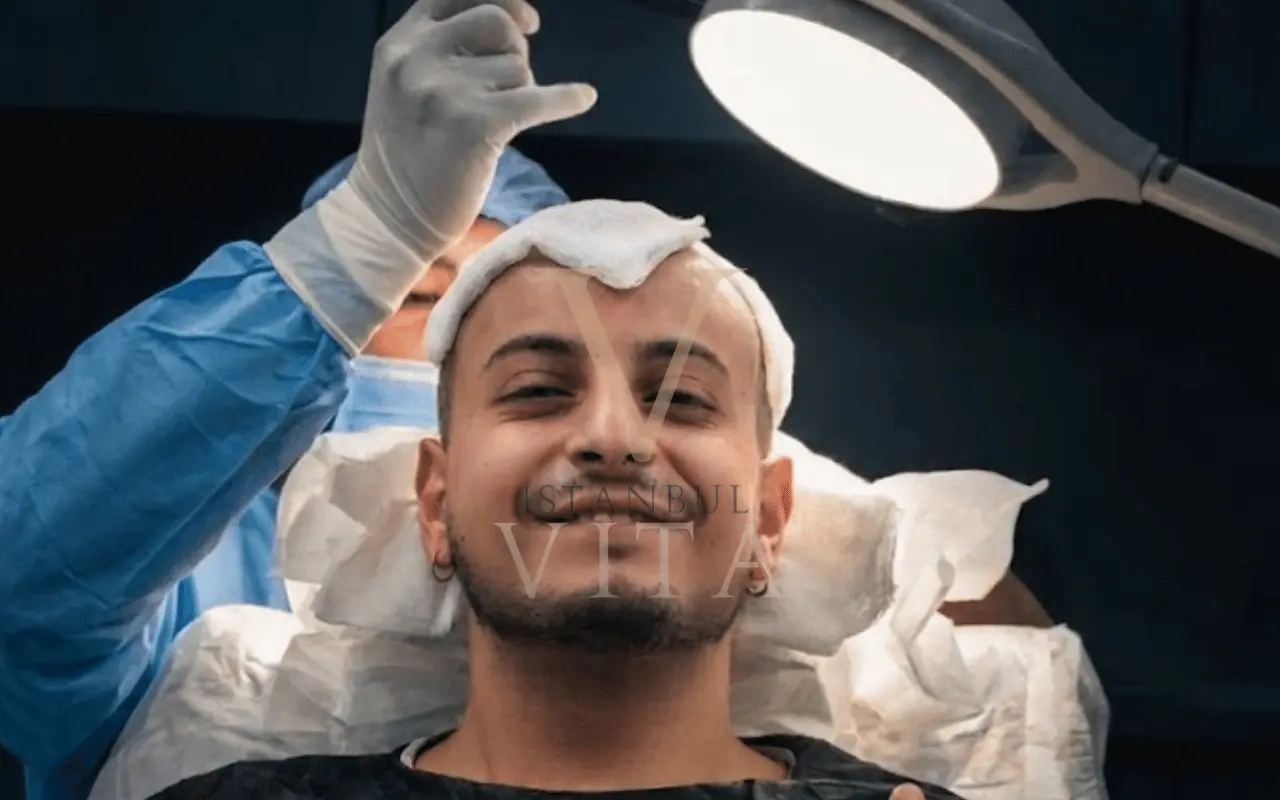
Yes, in some ways, the skin elasticity, healing speed, and donor density all will change and shift gradually with your age, and each will play an important role in how transplanted grafts settle and grow. Younger patients often heal faster, but they also carry a higher risk of continued natural hair loss around the transplanted area. Older patients tend to have more predictable, stable results, since their hair loss pattern is no longer shifting. Neither group is "better" and they simply require different planning.
How Do Surgeons Decide If You're Ready?
A proper evaluation looks at several factors together, not hair loss alone:
- Norwood scale classification – how far the pattern has progressed
- Donor density – how much healthy hair is available at the back and sides
- Family history – a strong predictor of how loss will continue
- Rate of shedding – whether loss has slowed or is still active
- Overall scalp and skin health – which affects graft survival
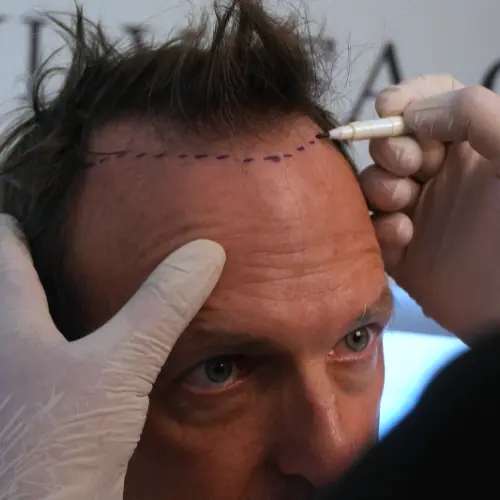
This is exactly why an in-person or virtual hair transplant consultation matters more than any age chart. A skilled surgeon is essentially planning for your hairline in 20 years, not just next year.
What Happens If You Get a Hair Transplant Too Early?
The main risk is not the surgery itself, it is all about what will happen after the surgery. If the natural hair loss continues after transplant hairline then the result can look at your artificially isolated overtime. Sometimes it requires a second hair transplant to plant the areas. This is the well documented outcome and it is the reason that the experience clinics are conservative with very young patients rather than rushing them into surgery.
Is There a Maximum Age for Hair Transplant Surgery?
There's no strict upper limit. Candidacy is based on health and donor supply rather than age alone. Patients in their 60s and 70s can be excellent candidates if they're in good health and have realistic goals for coverage and density.
Have Questions? Let's Chat on WhatsApp!
Get instant answers 24/7. Receive your doctor-led hair analysis within 1 day, plus pricing and booking support.
Start WhatsApp ChatHair Transplant Readiness at a Glance
| Age Range | Typical Hair Loss Stage | Key Consideration | Surgical Approach |
| Under 25 | Often still progressing | Donor preservation, pattern not yet stable | Conservative; medical therapy often recommended first |
| 25–34 | Frequently stabilized | Strong donor density | Ideal window for FUE or DHI |
| 35–49 | Established pattern | Predictable long-term planning | Precise hairline design, larger sessions possible |
| 50+ | Fully established | Donor supply, general health | Realistic, framing-focused coverage goals |
Hair Transplant in Turkey vs. USA/UK: What US Patients Should Know
A large share of American patients now travel abroad for a hair transplant in Turkey, largely due to cost and the concentration of doctor-led clinics performing high volumes of FUE and DHI procedures. The gap in quality between the clinics is real, though, so vetting matters. When comparing the best hair transplant Turkey doctors against a domestic US or UK provider you have to make sure to look for the same fundamentals everywhere. These are a doctor-led surgical team rather than technician-only sessions, transparent before-and-after cases from patients with a similar hair loss stage to yours, clear aftercare protocols, and accreditation standards that match international medical tourism guidelines. Reputable clinics, including established names like Istanbul Vita, publish their surgical team credentials and long-term results openly, which is a reasonable baseline to expect from any hair transplant clinic Turkey option you're considering.
Should You Wait Before Getting a Hair Transplant?
If your hair loss is still active and unpredictable, waiting a year or two while tracking progression, sometimes alongside medical treatment — often leads to a better surgical outcome than rushing in. If your pattern has held steady for a year or more, that stability itself is a strong signal you're ready to move forward with a consultation.
Final Thoughts
There is no single right age that will apply to everyone who is considering a hair transplant. What matters most is where you are in your hair loss journey. How much donor hair you have to work with, and whether your pattern has settled enough for a surgeon to plan a natural, lasting result. Whether that's at 24 or 54, the decision should come from a real evaluation, not an age cutoff pulled from a forum post.
Frequently Asked Questions
What is the best age for a hair transplant?
Most surgeons consider that the late 20s to mid-40s is the best age for a hair transplant because hair loss patterns are usually more stable, making it easier to create natural, long-lasting results.
Can you get a hair transplant before the age of 25?
Yes, but it depends on your hair loss pattern and donor area. Many surgeons recommend waiting until hair loss has stabilized to reduce the risk of needing additional procedures later.
Is there an age limit for a hair transplant?
No. There is no maximum age for a hair transplant. As long as you are in good overall health and have enough healthy donor hair, patients in their 50s, 60s, and even 70s can be suitable candidates.
Does waiting longer improve hair transplant results?
Not always but waiting until your hair loss pattern becomes even more predictable and it often allows the surgeons to design a hairline transplant that will look natural for so many years while preserving the donor hair for the future.
 conversation


