
 English

Table of Contents
Anyone who is researching for a hair restoration procedure eventually runs into the same question and that is, is there really the best time of year for the hair transplant in Turkey or does it not matter at all? The best time for the hair transplant is whenever you can take 7–10 days to recover. Spring and autumn are often the most comfortable because of the mild weather, but modern hair transplant techniques can be performed successfully in every season.
Why Timing Matters for a Successful Hair Transplant
Hair transplantation is the precise medical procedure but the week that follows is just as important as the surgery date itself. The climate, humidity, exposure and even travel plans can also affect how the scalp heals and how comfortable the donor areas are while it recovers. The graft survival rate and mainly on the surgical technique and aftercare do not rely on the calendar, but the comfort of your healing experience often is shaped by the weather.
Extreme seasons can be sweating and irritation around fresh grafts while very cold, dry air can leave the scalp and irritates as compared to the normal days. So when is the best time for your transplant, really? Often comes down to matching the procedure to a period when you can control your environment and stick close to your after care routine.
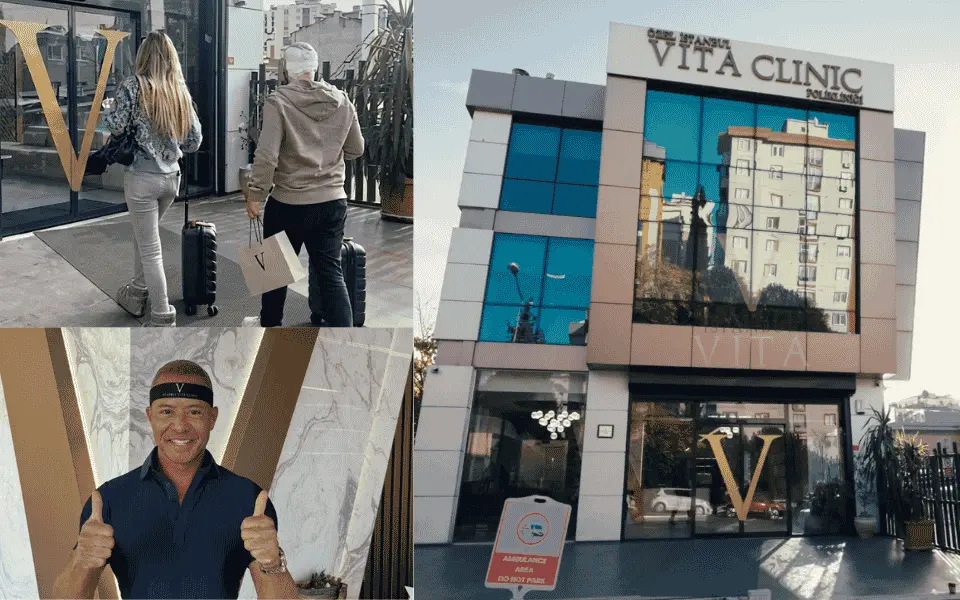
Best Time for Hair Transplant: A Season-by-Season Breakdown
Let's look at how each season tends to affect the healing process so you can decide what genuinely fits your routine and your travel plans.
Hair Transplant in Winter
There are so many patients who consider winter best because they can be a hat and beanies naturally without looking out of place, which will help while grafts are still setting in and the redness has not fully faded. The cooler temperature also means less sweating, lower the risk of infection or irritation during the first critical days. The main downside is dry indoor heating, which can leave the scalp feeling tight so keeping the air moisturized as your surgeon recommends become especially important
Hair Transplant in Spring
Spring offers a gentle temperature that are gentle on the healing scalp without the intense exposure of summer. It is the popular choice among international patients who want to combine their procedure with a comfortable sighting in Istanbul before flying home. Just be mindful of the pollen season if you have seasonal allergies, excessive sneezing or rubbing your eyes can put unnecessary pressure on the treated area.
Hair Transplant in Summer
Summer is generally considered as the most demanding season for recovery. The strong sun, high temperatures and increased sweating or the risk of calculation and directive expired must be avoided for several weeks after the procedure.
That said, the summer is not off the table like it simply requires more discipline with the sun protection, and also staying in a cooler environment during the early healing days.
Hair Transplant in Autumn
Autumn share so many of the spring advantages, including the moderate weather and lower humidity. With a few extremes to manage day to day. There are so many clinic to report and increase in bookings during the early autumn as the patient wanted their hairline fully settled before winter holidays and family gatherings. The transitional weather is gentle enough on the scalp while still allowing the comfortable outdoor recovery walks.
When Is the Right Time for Hair Transplant Based on Your Lifestyle?
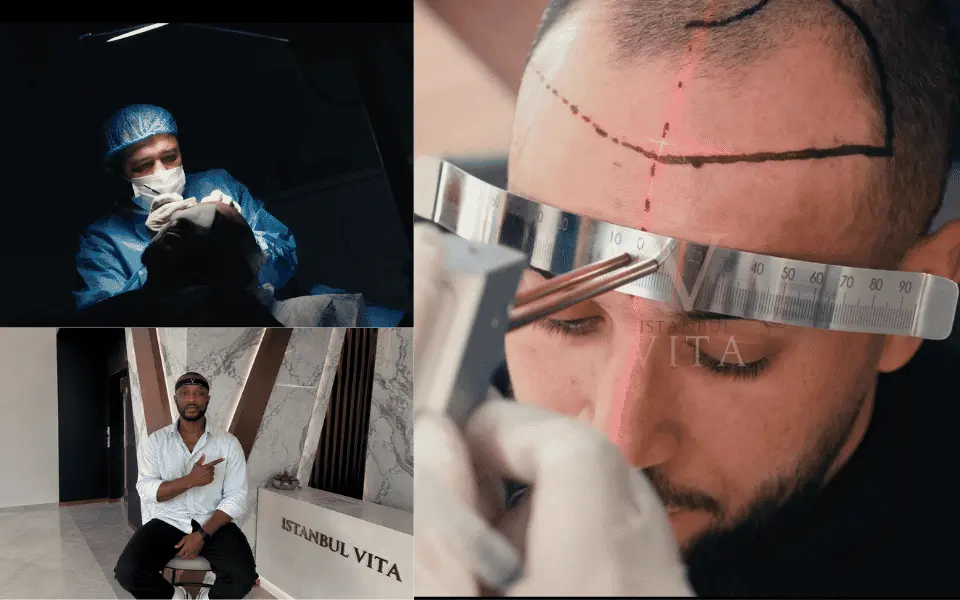
Beyond the weather, your personal schedule will also plays a very important role in answering when is the right time for hair transplant for you specifically. Most of the surgeons recommend planning around at least 7 to 10 days away from demanding physical activity, direct exposure and situations where you would rather not explain the visible redness to colleagues and your extended family.
That is why there are so many people who choose a holiday period at work, our holiday break with the stretch of remote working days. If your job involves frequent travels, manual labor or the heavy job demands then building in a longer buffer before returning to your routine will protect your results and reduce the stress during the most sensitive healing window. There is no universally perfect month; there's simply the month that best matches how you live.
Flights, Hotels, and Travel Considerations
Most of the international patients combined their hair transplant package with a short trip to Istanbul, this is worth checking the flight prices and availability before locking in a date. Summer and holiday are the busiest and the most expensive travel windows. Mild autumn and early spring usually offer flight deals and quieter hotels. Booking a consultation a few weeks earlier also gives the clinic time to customize aftercare plans around your specific travel dates.
Recovery Time for Hair Transplant and How Season Affects Healing
Recovery time for hair transplant procedures generally follows a predictable timeline regardless of the season:
- Days 7–10: visible scabbing fades
- Weeks 2–3: redness and swelling calm down significantly
- Month 3: temporary shedding occurs, followed by the start of new growth
- Months 6–9: density becomes noticeably thicker
- Month 12: final results settle into their natural pattern
What changes with the seasons is your comfort level during that process, not the biology of healing. Cooler months tend to require less active management of sweat and sun exposure, while warmer months call for stricter sun avoidance and more frequent gentle cleansing. Either way, hair transplant recovery time is shortened considerably when patients follow their surgeon's instructions closely, rather than rushing back into intense exercise or skipping prescribed care routines.
Hair Transplant Before and After: Best Time to See Results
If you're curious about the hair transplant before and after best time to judge your progress, patience is the key ingredient regardless of when you schedule your procedure. The first two to three months can actually look discouraging, since shedding occurs before regrowth starts. Real, noticeable density typically becomes visible between month six and month nine, with final results settling in around the twelve-month mark. Scheduling your transplant a year ahead of a major event, such as a wedding, a milestone birthday, or a reunion, is one of the smartest ways to plan, since it gives your hairline enough time to mature naturally before the date that matters most to you.
Have Questions? Let's Chat on WhatsApp!
Get instant answers 24/7. Receive your doctor-led hair analysis within 1 day, plus pricing and booking support.
Start WhatsApp ChatHairline Surgery Timing Considerations
For the patient specifically who are focused on hairline surgery, the timing is slightly different way. The airline is the most visible part of any transplant through the surgeon often spend extra time designing it around your facial structure and age appropriate hair pattern choosing a season with the milder weather can make it early weeks easier, since the front hairline area tend to show redness more visibly than the crown. There are so many patients to bear airline procedures with a short recovery period at the moment before returning to the public facing work or social event.
How Istanbul Vita Helps You Choose the Right Time
At Istanbul Vita, every international patient receives a 40 to 60 minute consultation with their doctor before any procedure is scheduled, this includes a frank conversation about the timing based on travel plans, lifestyle, and healing goals. With more than 15 years of experience and a boutique model that limits the clinic to just 1 to 3 international patients per day, the medical team can give realistic, personalized guidance rather than a generic seasonal advice. Patient coordinators are fluent in 13 languages and help coordinate travel dates around weather conditions, work commitments, and upcoming life events, so your procedure and your recovery both land at the most convenient moment for you.
Final Thoughts
There is no single calendar date that work for everyone, but there is a season that works best for your life, your skin and institute. No matter if you leaned to word a quiet winter recovery, a mild spring break or an autumn empty before the holidays. The most factor remain remains the same and that is following your surgeons aftercare instructions very carefully. With the right planning in an experienced medical calm regarding the process, you can choose a time that feels comfortable, practical and aligned with when you want to see your final results.
FAQS
What is the best time for hair transplant if I have a busy work schedule?
If you're getting into respect most of the year, make sure to plan for the period with at least one quiet week immediately after the position. There are so many patients who combined it with an existing holiday or a stretch of work regardless of season.
Does hair transplant recovery time change in hot climates?
Humid conditions do not change the underlying biological heating timeline but they do require more careful and protection and gentle cleansing to avoid irritation around the new graph.
Can I get a hair transplant before a wedding or big event?
Yes, but the timing is everything. Since visible density take around the time of 6 to 9 months and the full results appear closer to 12 months. Scheduling your transplant at least a year in advance gives the best chance of a fully natural look by the big table.
Is there a worst time of year for a hair transplant?
There is not a worst time but the heat and the major travel holiday travels are generally the trickiest to manage. If you do choose summer season simply the plan for stricter sun protection, light of physical activity and the cooler recovery environment during the first two weeks.
 conversation


