
 English
Table of Contents
If you have spent any time to searching for the hair transplant, you have probably noticed that the same price period across the dozen of websites and this phrases Ministry of health licensed. It shows up in headlines, photos and review pages and often next to the logo or the certified photo. But most of the patients never get a straight answer about what that license covers from that license by it should influence a decision this personal. This guide will break it down clearly, so you can walk into a consultation asking the right questions instead of taking a batch at face value.
What "Ministry of Health Licensed" Actually Means
In Turkey, hair transplantation is a regulated medical procedure, not a cosmetic service that anyone with a steady hand can offer. A clinic that describes itself as Ministry of Health licensed has been formally authorized by Turkey's national health authority, Sağlık Bakanlığı, to operate a dedicated hair transplant unit. That authorization is not a formality. It means the facility, the staff, and the operating protocols have been inspected and approved against a specific national standard.
The 2023 Hair Transplant Units Regulation, Explained Simply
For so many years, your restoration in Turkey was covered only by the general healthcare rules. Which left the room for interpretation and unfortunately for abuse. That changed in May 2023, when the Ministry of health introduced the hair transplant units regulation. This is the first legal framework in the world that is built specifically around here transplant procedures. The regulation sets for requirements per facility licensing, staff qualifications, hygiene protocols and patient rights. It also gave provisional health director rate authority to inspect and shut down non-compliant operators.
You are not alone if this is the first time you're hearing about it. Most patients researching treatment abroad never encounter the regulation itself; they only see the certificate on a clinic's wall. Understanding what sits behind that certificate is what actually protects you.
What a License Legally Requires a Clinic to Have
To receive and keep a Hair Transplant Unit Operating License, a facility generally needs to demonstrate:
- An operating room that meets defined size, sterilization, and equipment standards
- Licensed physicians who are legally permitted to perform incisions and graft extraction
- Documented staff qualifications, including certification for any assistant involved in the procedure
- Emergency readiness protocols and proper medical record-keeping
- Regular inspection by the relevant provincial health directorate
None of this is optional, and none of it can be substituted with a nice website or a low price. It's the baseline a clinic has to meet before it's allowed to touch a patient's scalp.
Why This Certification Matters More Than Marketing Claims
Turkey performs more than 1 million medical tourists annually, with hundreds of thousands visiting specifically for cosmetic procedures including hair transplantation.
The Problem With Unlicensed "Hair Mills"
Industry estimates suggest a significant share of hair transplants performed in Turkey happen outside the legal framework entirely, often in rented rooms or converted apartments dressed up to look clinical on camera. These operations tend to rely on technicians rather than physicians for the surgical steps that, by law, only a licensed doctor should perform: incisions, graft extraction, and recipient site creation.
What Happens When a Clinic Is Not Licensed
Patient will end up at the unlicensed facilities can report a familiar set of problems like rush consultation , no direct access to the doctor, inconsistent realization and in the more serious cases the infections are poorly planned that can't damage permanently. Because of all these clinics operate outside the rectory system, the patients have a little recourse if something goes wrong.
How to Verify a Clinic's License Before You Book
This is the part most guides skip, and it's the part that actually protects you. Verifying a license takes a few minutes and can save you from a much longer recovery from a botched procedure.
Checking the Doctor's Credentials, Not Just the Clinic's
Facility license and the surgeon process qualifications are under the two different things and you need both, ask for the treating doctors full name, medical license number and speciality that is in Turkiye. Hair transplant surgery should be performed by the dermatology or plastic surgery specialist not a general practitioner. Check the name against the provisional health director weight listing available and look for the independent membership such as the international Society of hair restoration surgery which maintains its own public directory.
Questions to Ask Before Committing to Surgery
Before you pay a deposit, it's reasonable to ask directly:
- Can I see the clinic's Hair Transplant Unit Operating License?
- Will the named surgeon personally perform the incisions and graft extraction, or will a technician handle those steps?
- How many patients does the clinic treat per day, and how much time will the doctor spend with me directly?
- What sterilization and infection-control protocols are in place?
- What does aftercare look like in the weeks after surgery, and who do I contact if something feels wrong?
Inside a Licensed Clinic: What Your Care Actually Looks Like
It's one thing to read a regulation summary. It's another to know what good, licensed care actually feels like as a patient.
Doctor Involvement in Every Stage of the Procedure
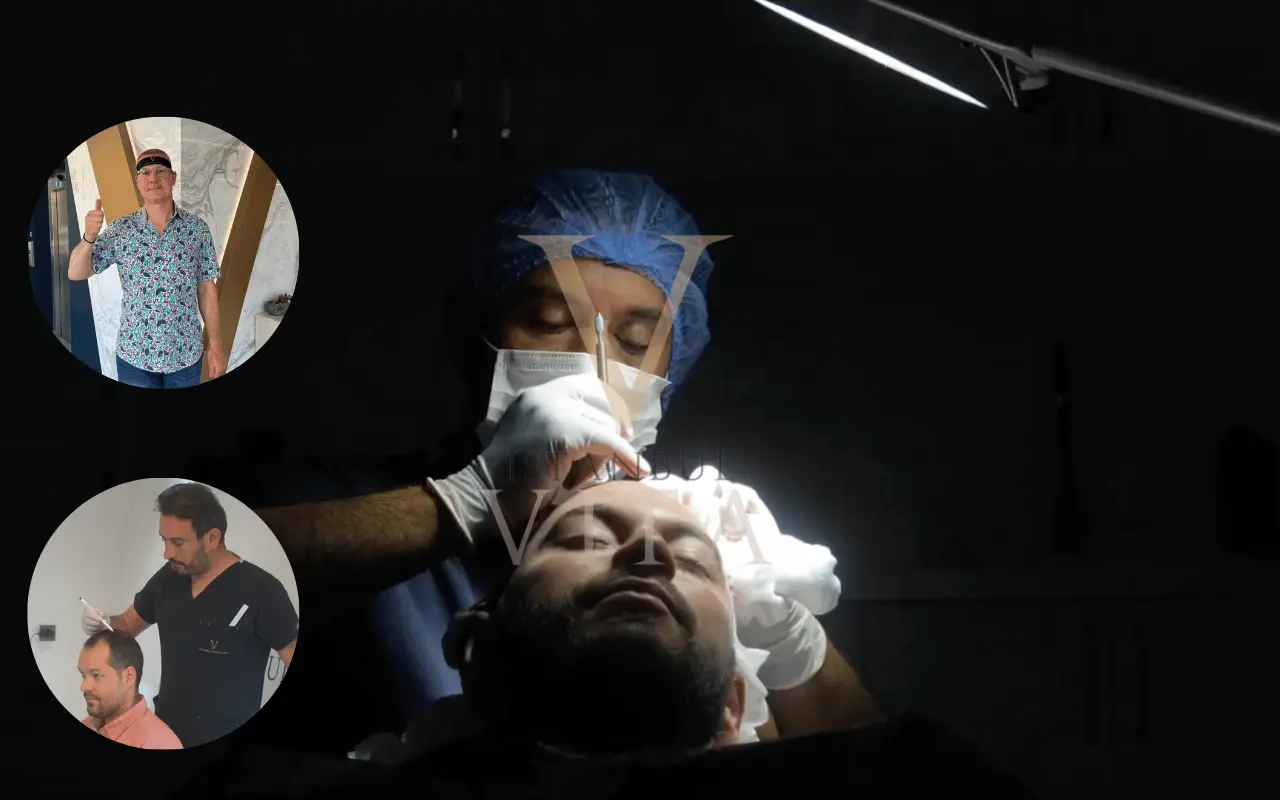
At a properly licensed clinic, the physician isn't a name on the website who appears for a photo. The doctor conducts your consultation, plans your hairline and graft distribution based on your hair type and degree of loss, and is directly involved in the surgical steps that Turkish law reserves for licensed physicians, including channel opening. That level of involvement is one of the clearest signs you're dealing with a compliant, patient-first operation rather than a volume-driven one.
Facility, Hygiene, and Aftercare Standards
Licensed operating rooms are built and maintained to specific sterilization and equipment standards, inspected on a regular basis by the provincial health directorate. Aftercare should be just as structured as the surgery itself: written care instructions, scheduled follow-ups, and a real point of contact if you have questions once you're back home. If aftercare feels like an afterthought during your consultation, it will likely feel that way after your procedure too.
Istanbul Vita's Licensing and Medical Standards
Istanbul Vita is one example of a clinic built around this exact standard rather than around it. The clinic holds both Turkish Ministry of Health Certification and an International Health Tourism Authorization Certificate, and it has operated in hair restoration for more than 15 years from a facility with 25 treatment and operating rooms.
Have Questions? Let's Chat on WhatsApp!
Get instant answers 24/7. Receive your doctor-led hair analysis within 1 day, plus pricing and booking support.
Start WhatsApp ChatMinistry of Health Certification and International Health Tourism Authorization
Beyond meeting the licensing requirements for its own procedures, Istanbul Vita is also recognized by the Ministry of Health of the Republic of Türkiye as an authorized training center for hair transplant physicians, contributing directly to the education of future specialists in the field. The clinic's medical team includes four licensed doctors, Dr. Harun Eymen Alakaya, Dr. Mustafa Ayhan Balcı, Dr. Tuğçe Yılmaz Arslan, and Dr. Özge Miray Gültekin, each specializing in advanced techniques such as Afro hair transplant, DHI, Sapphire FUE, Long Hair FUE, and female hair transplant.
Your Hair Transplant Journey, Step by Step
Knowing what the process actually involves makes it much easier to evaluate any clinic you're considering, licensed or not.
Consultation and Planning
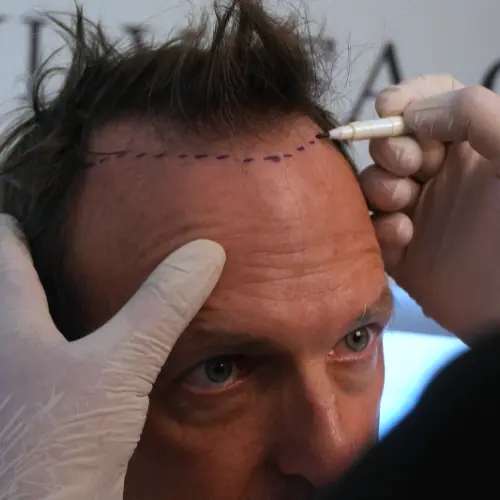
A proper consultation goes well beyond a quick photo review. It should cover your degree of hair loss, hair type, scalp condition, and long-term aesthetic goals, with the treating physician involved in mapping out hairline design and technique selection, whether that's Sapphire FUE, DHI, or a combined approach.
Procedure Day
On the day itself, expect pre-operative screening such as blood testing, a sterile operating environment, and a procedure led by the named surgeon rather than handed off to unsupervised staff. Pain management and comfort measures should be discussed upfront, not improvised on the day.
Recovery and Aftercare Support
There are so many patients who expect some shedding of transported here within the first few weeks, this is the normal part of the process. With new growth generally becoming visible around 3 to 4 months and full results during over the following year. The reputable clinic can provide written after getting instructions, postoperative care kit and the real channel for follow up questions rather than leaving you to figure out recovery on your own once you have flown home.
Choosing a Licensed Clinic You Can Trust
A hair transplant is not a purchase you should make based on a badge alone, but the badge still matters, because it tells you whether the clinic is legally accountable for your care in the first place. Ask for the license. Ask for the surgeon's name and credentials. Ask who will actually be in the room. Clinics that welcome those questions, like Istanbul Vita with its Ministry of Health certification, doctor-led procedures, and long track record in the field, are the ones worth trusting with a decision this personal. You deserve a clinic that treats your safety as seriously as you do.
Frequently Asked Questions
Is it illegal to get a hair transplant at an unlicensed clinic in Turkey?
Yes. Under the 2023 Hair Transplant Units Regulation, only facilities holding a Hair Transplant Unit Operating License are legally permitted to perform the procedure.
How do I check if a clinic is really Ministry of Health licensed?
Ask the clinic directly for its license documentation and the treating surgeon's credentials, and where possible.
Does a Ministry of Health license guarantee good results?
No single certification can guarantee an outcome since the results also depends on the surgeon skills, planning and your own hair characteristics. What licensing does guarantee is that the facility and staff have met the legally enforced baseline for the safety, hygiene and qualification.
What's the difference between a licensed clinic and a JCI-accredited hospital?
Ministry of Health licensing is the mandatory legal standard for operating in Turkey, while JCI and similar accreditations are voluntary international standards a facility can pursue on top of that baseline.
 conversation


