
 English
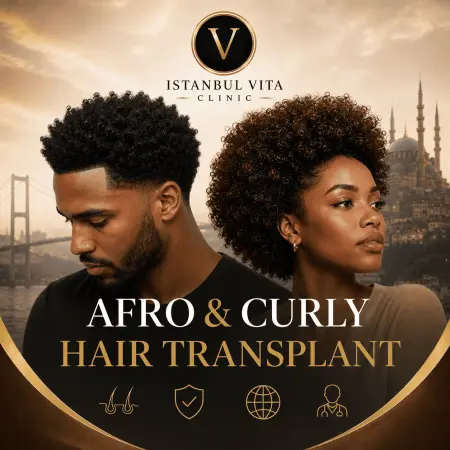
Table of Contents
There are some specific features of curly hair that may affect various stages of the this process, including both grafting and planning of their implantation. Curly hair follicles usually grow in a curved manner under the scalp, which makes it necessary to use a different method during transplantation than in the case of straight hair. With an increasing demand for curly hair transplant in Turkey, patients are now seeking guidance on various aspects of such a procedure, including results, cost and recovery. A process for curly hair may require individualized planning depending on the characteristics of the follicles and the goals of the procedure.
Can You Get a Hair Transplant with Curly Hair?
Among the popular inquiries posed by many is whether you can get a transplantation despite having naturally curly or tightly textured strands. Most of the time, the response is a definite yes. Curly hair transplants are possible for most patients, although the planning and extraction process may differ depending on individual characteristics. The question of whether you can undergo the procedure involves several factors, including donor follicle quality, curl pattern, and the level of hair loss.
How Is a Curly Hair Transplant Different from Other Hair Transplants?
Although the overall principles of transplantation remain similar, a ctransplantation may involve additional considerations during planning and graft extraction. The natural structure of curly strands can influence different stages of the procedure, making follicle characteristics an important part of treatment planning.
Some of the factors that may distinguish a curly hair transplant from other transplant procedures include:
Curly Hair Follicle Structure
One of the distinguishing features of curly texture compared to straight strands includes the follicular structure below the scalp surface. Curly and afro-textured curls tend to have follicles that follow a curved pattern beneath the scalp surface, compared to straight hair that grows relatively straight. The extraction procedure might require more attention from the doctor in the case of curly or afro-textured curls, because the angle of the follicle is not as easy to predict.
Extraction and Graft Planning for Curly Hair
Even the texture of the hair may affect how grafts are removed and implanted. The curvature of the follicles may mean that grafts must be extracted carefully, taking into account the direction of growth and where the follicles are situated. During the planning process, the curl pattern and other relevant factors may be taken into consideration. The same issues may also arise when dealing with afro-textured hair.
Curly Hair Transplant Results: What Affects the Outcome?
transplantation results will differ for everyone and can depend on many different variables. Even though each procedure is unique in itself, some aspects associated with the hair itself, the process of preparation, and the healing stage may have an impact on the end result.
Some of the aspects that can affect curly texture transplant results include:
Donor Hair Characteristics
The characteristics of the donor may have an impact on the final result of the procedure. Factors such as strand thickness, density, and curl pattern can vary from one person to another. For this reason, donor follicle characteristics are often taken into consideration during the planning process.
Hairline Design and Density
Hairline design and density can also affect the appearance of the final result. The placement and distribution of grafts may vary depending on the individual's characteristics and treatment goals. Therefore, this planning is generally considered a crucial part of the procedure.
Post-Procedure Care
However, the process after surgery may also influence the results obtained at the end of the procedure. In order to achieve faster healing and recovery, you should follow all the directions given to you by the medical specialists. Like in other this transplantation methods, post-surgery care is also considered an important part of the overall process.
Apart from the factors mentioned above, there are also other variables that may influence the final outcome of the procedure. Some of these factors are summarized in the table below.
| Factor | Why It May Matter |
| Donor Follicle Characteristics | The quality, density, and curl pattern of the donor hair may influence the final appearance. |
| Hairline Design and Density | Hairline planning and graft distribution may affect how natural the result looks. |
| Curl Pattern | Different curl patterns may influence visual coverage and treatment planning. |
| Extent of Hair Loss | The size of the treatment area may affect achievable coverage. |
| Graft Placement | The positioning and direction of grafts may contribute to a more natural appearance. |
| Post-Procedure Care | Following medical instructions may support healing and recovery. |
Curly Hair Transplant Before and After
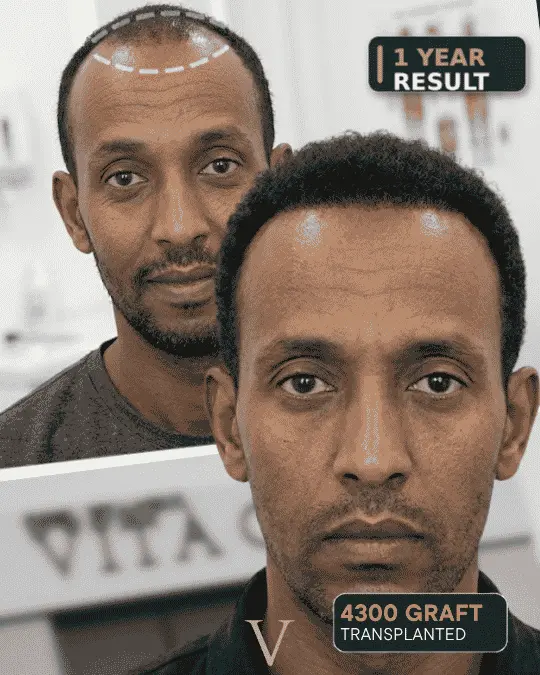
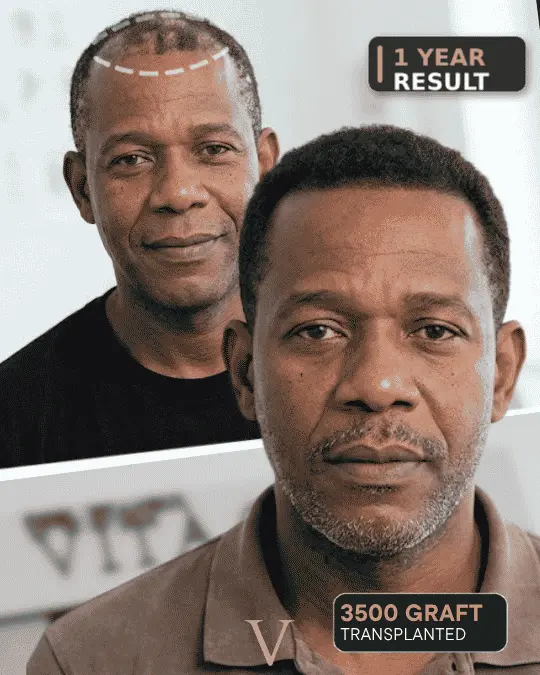
Curly hair transplant patients often rely on curly hair transplant before and after photos in order to have an idea about the possible outcome of their surgery. While these kinds of photographs can offer valuable information, it must be remembered that different individuals have different hair properties, and therefore different outcomes. In the case of transplantation, one should not simply focus on hair density alone.
Have Questions? Let's Chat on WhatsApp!
Get instant answers 24/7. Receive your doctor-led hair analysis within 1 day, plus pricing and booking support.
Start WhatsApp ChatCurly Hair Transplant Cost: What Influences the Price?
There are many variables when considering curly hair transplant cost, as each patient may receive a different treatment plan based on certain criteria. Even though a standard pricing does not exist for the procedure, the following factors regarding the hair, process, and treatment could affect the overall cost. These factors have been listed in the table below.
| Factor | Why It Matters |
| Number of Grafts | Larger procedures may require more grafts and additional surgical time. |
| Follicle Characteristics | Curl pattern, hair thickness, and follicle structure may affect planning and procedure complexity. |
| Treatment Technique | Different transplantation techniques may involve different levels of planning and execution. |
| Extent of Hair Loss | Larger treatment areas may require a more comprehensive restoration plan. |
| Clinic Experience | Experience with curly and afro-textured hair may influence treatment planning and overall service structure. |
| Package Inclusions | Accommodation, transfers, aftercare, and additional treatments may affect overall pricing. |
Curly Hair Transplant at Istanbul Vita Clinic
At Istanbul Vita Clinic, treatments are not planned according to a standard treatment model, but according to the specific characteristics of each individual. Factors such as hair texture, curl shape, donor quality, and treatment goals are taken into consideration during the planning process.
The clinic has experience working with different hair types, including afro. For patients with frequently curly hair, Istanbul Vita uses Afro Technique®, a treatment approach developed to address the unique characteristics of afro hair follicles. This approach may include detailed donor area assessment, personalized graft planning, and careful extraction techniques based on the hair's natural structure.
Istanbul Vita Clinic is licensed by the Turkish Ministry of Health and holds an International Health Tourism Authorization Certificate. Through doctor-led planning, multilingual patient support, and experience with afro-textured restoration procedures, the clinic provides personalized treatment plans for international patients. Individuals interested in learning more about this transplant procedures can contact the clinic for a personalized assessment.
Frequently Asked Questions
Can Curly Hair Be Styled Normally After Transplantation?
Yes. Once the transplanted grafts have fully grown, they can generally be washed, cut, and styled like the existing strands. However, styling routines may vary depending on individual characteristics.
Is a Curly Hair Transplant Suitable for Both Men and Women?
In many cases, this transplant procedures may be performed for both men and women. Suitability is usually determined through an evaluation of loss patterns, donor area characteristics, and treatment goals.
Can Curly Hair Transplant Be Used to Restore the Hairline?
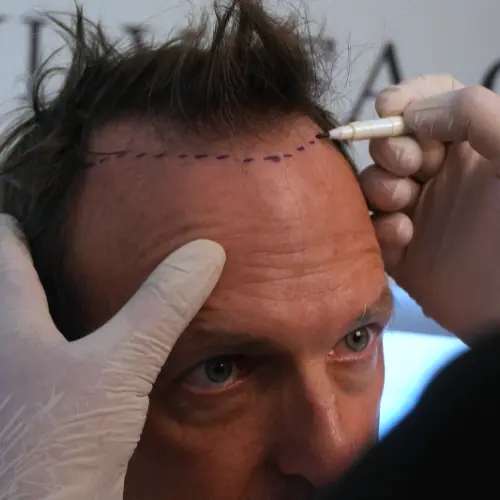
Yes. Curly hair transplant procedures may be used to restore or redesign the hairline in suitable candidates. The treatment plan is typically adjusted according to the individual's facial features and follicle characteristics.
When Can Regular Trims Be Resumed After a Curly Hair Transplant?
The timing may vary depending on the healing process and the recommendations of the medical team. Most individuals are advised to wait until the scalp has sufficiently recovered before resuming regular trims.
 conversation


